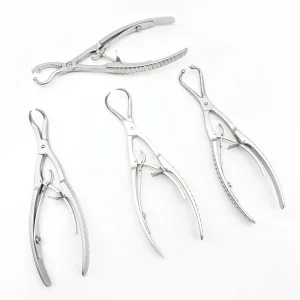
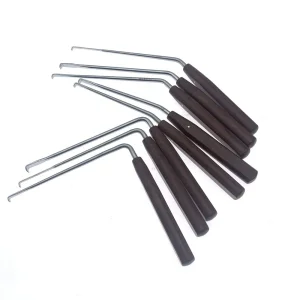
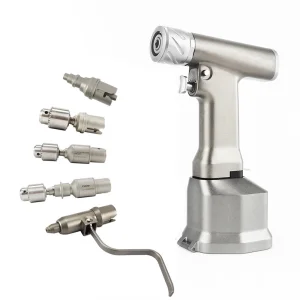
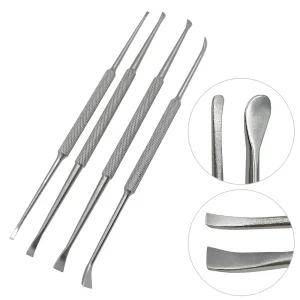
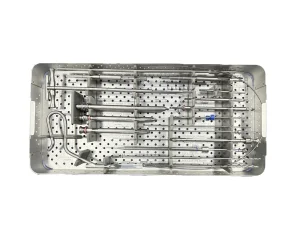
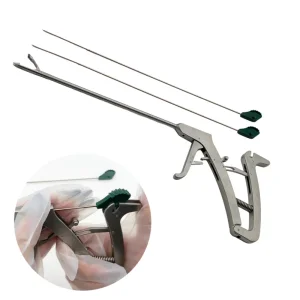
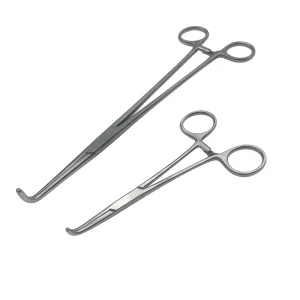
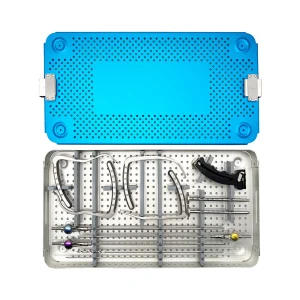
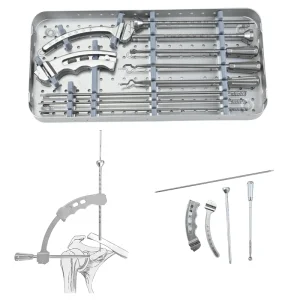
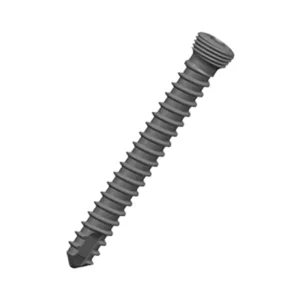
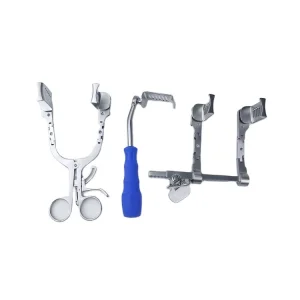
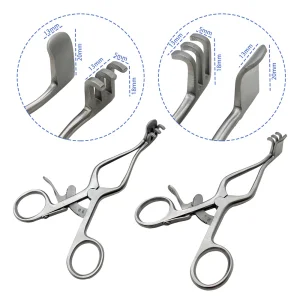
Reverse Shoulder Arthroplasty has revolutionized the treatment of cuff tear arthropathy. By reversing the traditional ball-and-socket geometry—placing the glenosphere on the scapula and the socket on the humerus—RSA shifts the center of rotation medially and inferiorly. This strategic adjustment increases the lever arm of the deltoid muscle, allowing patients with non-functional rotator cuffs to regain mobility and strength.
Hospitals and healthcare groups worldwide are moving toward high-performance, cost-effective OEM solutions. The demand for RSA is surging in aging populations across North America, Europe, and emerging markets in Asia-Pacific. Procurement directors now prioritize suppliers who offer MDR-compliant implants with proven clinical longevity and reduced surgical complexity.
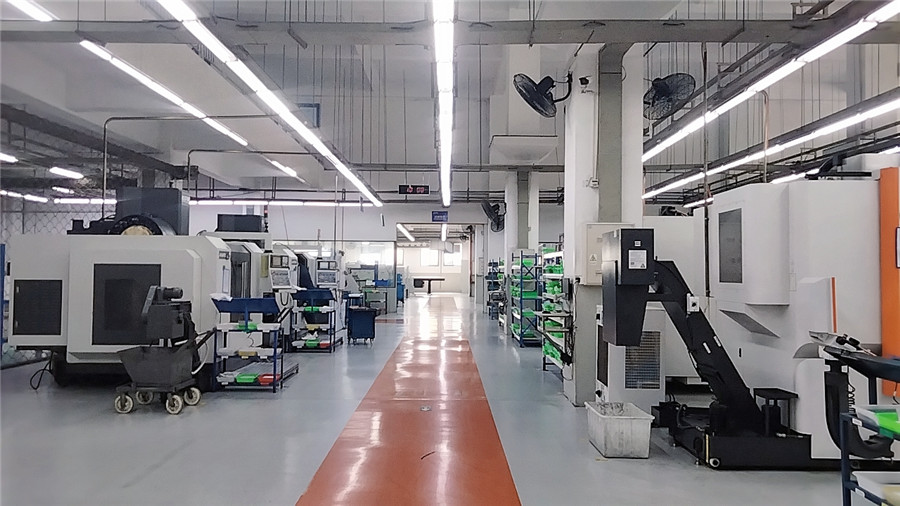
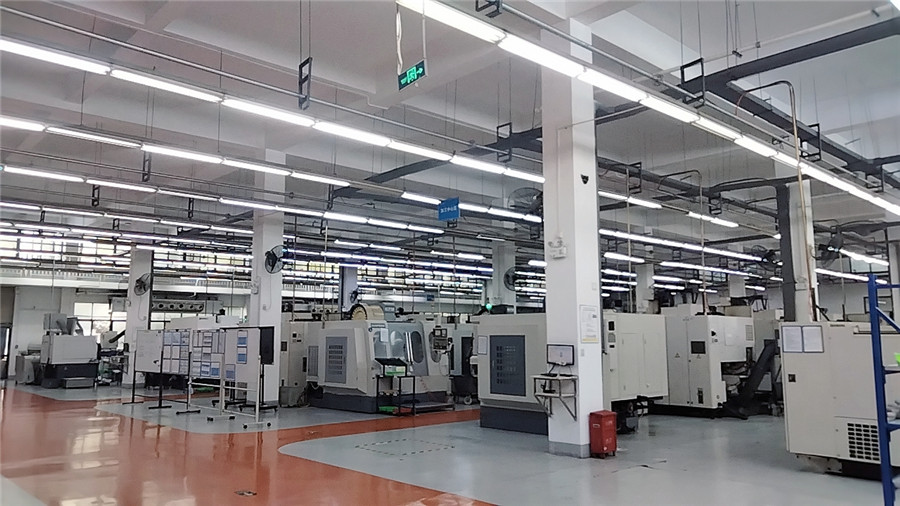
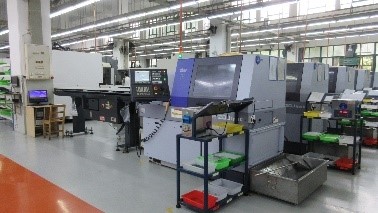
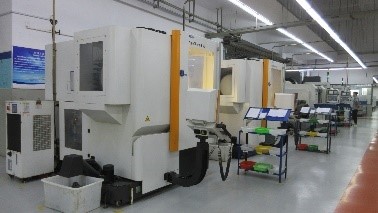
As a leading manufacturer, we provide a vertically integrated supply chain. From raw material procurement (Medical Grade Titanium and UHMWPE) to automated 5-axis CNC machining, we ensure that clinical-grade implants reach the surgical suite with zero-defect quality. Our OEM services allow distributors to brand advanced technology while benefiting from our 22 years of industrial expertise.
Leading the way in additive manufacturing and smart implant technology.
Our roadmap includes the integration of Trabecular Titanium structures via Electron Beam Melting (EBM). This technology enhances primary stability and biological osseointegration, reducing the risk of glenoid baseplate loosening—a critical factor in RSA success.
Future iterations of our RSA systems are being designed alongside AI software platforms. By utilizing patient-specific CT scans, surgeons can simulate glenosphere placement and humeral lateralization to prevent scapular notching before the first incision is made.
We are currently refining "Lateralized" designs that maintain a more anatomical tension on the remaining rotator cuff tissues. This includes the development of bone-grafting-friendly baseplates (BIO-RSA) that utilize the patient's own bone to improve the scapular-implant interface.
To combat wear-induced osteolysis, our R&D team is implementing Vitamin E infused Ultra-High Molecular Weight Polyethylene. This advancement significantly reduces oxidation and wear debris, extending the implant lifespan to 20+ years.
Years in Industry
R&D Engineers
QC Inspectors
Factory Space (㎡)
Established in 2004, KaiSo has become a cornerstone in the orthopedic manufacturing landscape. Our facility maintains a complete Quality Assurance System, strictly adhering to ISO 9001 and ISO 13485 standards. Our global footprint spans South America (30%), Southeast Asia (20%), and Western Europe (20%), serving brand businesses, wholesalers, and specialized orthopedic manufacturers.
We specialize in light customization, sample processing, and graphic processing, ensuring that each OEM partner receives products tailored to their specific surgical techniques and regulatory requirements.

ISO13485

CE 93/42/EEC

MDR Certified
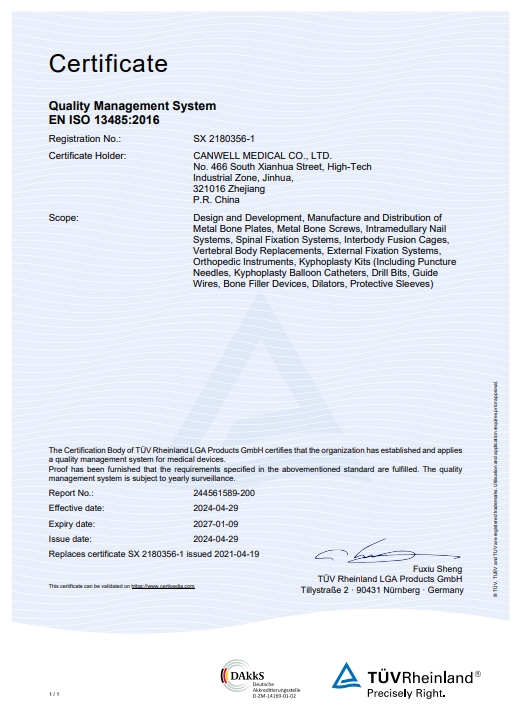
Quality Assurance
Navigating the complex landscape of MDR (Medical Device Regulation) and FDA 510(k) is our core competency. We provide full technical documentation sets, clinical evaluation reports (CERs), and risk management files to streamline your local registration process.
With 22 years of exporting experience, we manage cold-chain-like precision in logistics, ensuring that sterile implants and precision instruments reach your distribution centers without compromise, regardless of the destination.
We provide localized technical support and training materials for your sales force, including 3D surgical animations, sawbones workshop kits, and detailed instrument IFUs (Instructions for Use) in multiple languages.
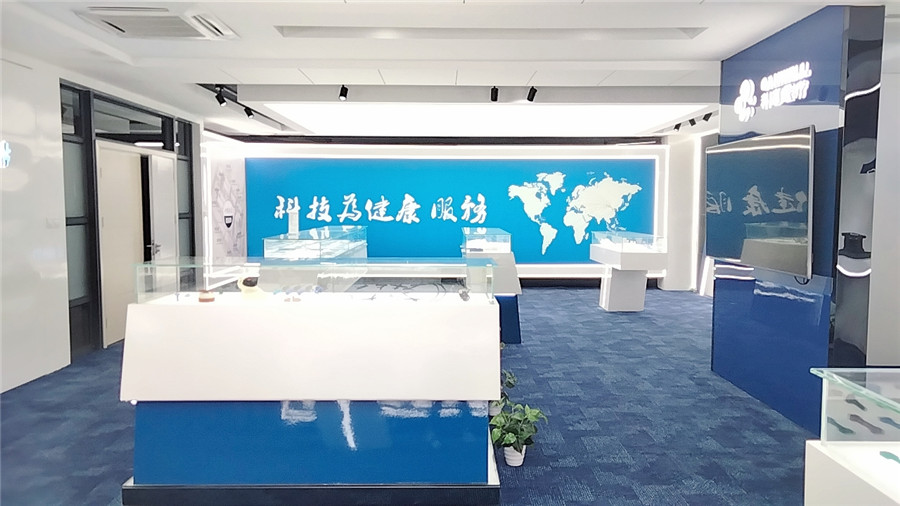
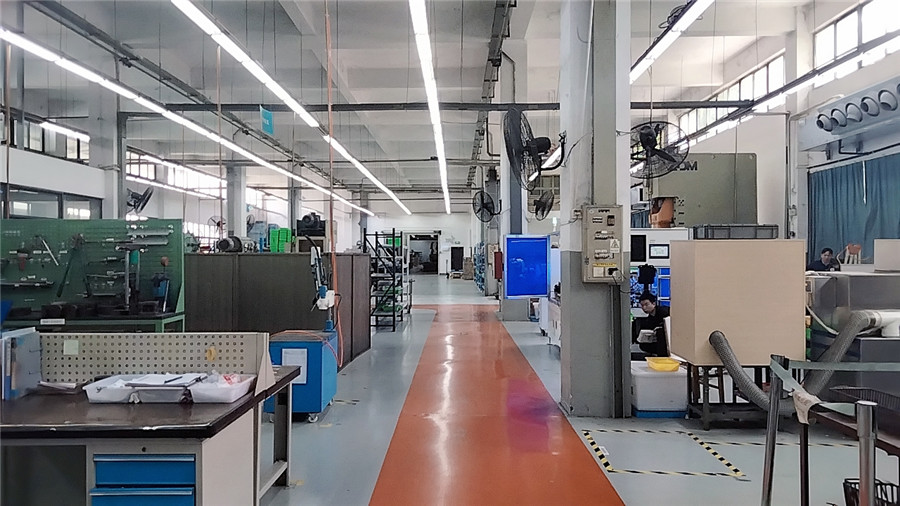
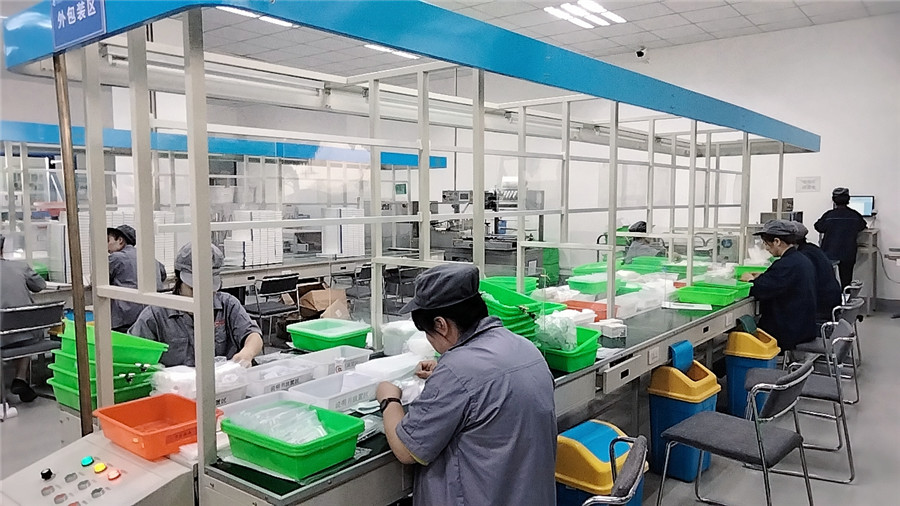
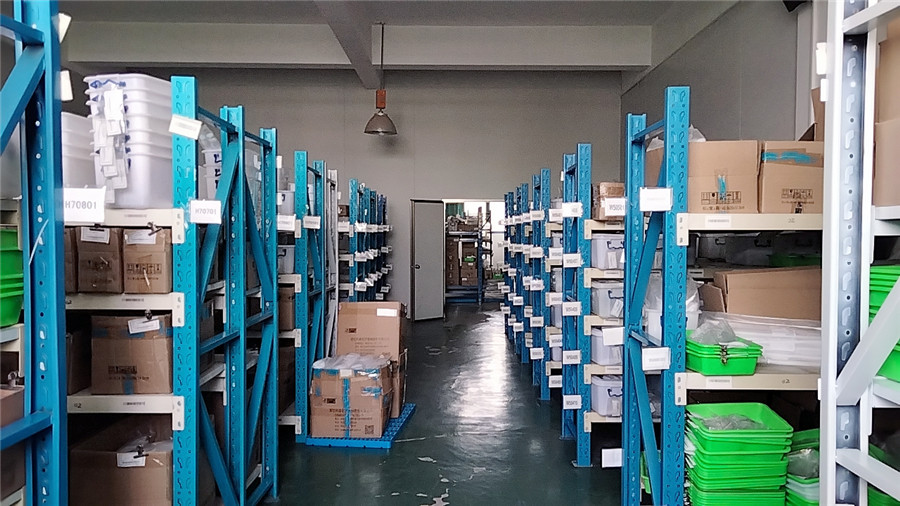
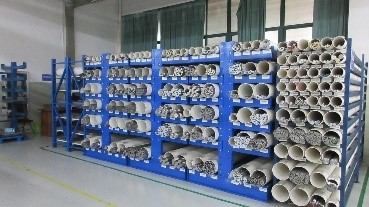
A glimpse into our automated production lines and rigorous testing protocols.
 KaiSo Medical