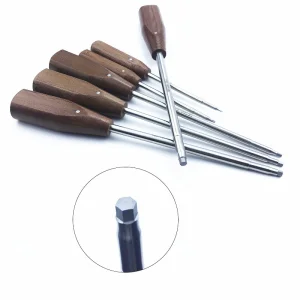
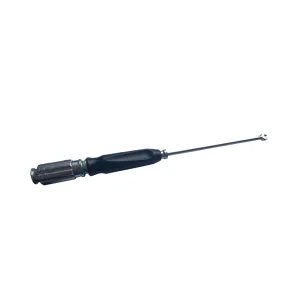
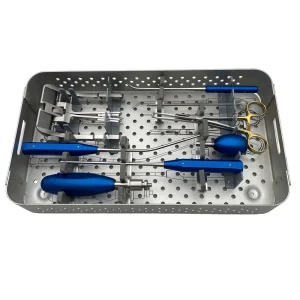
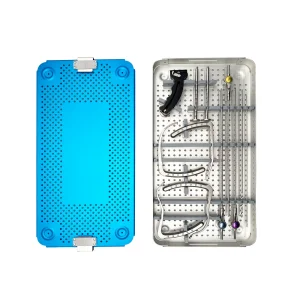
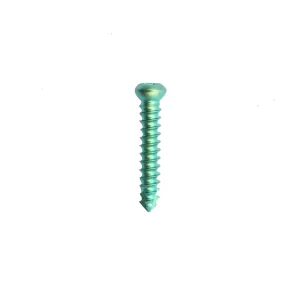
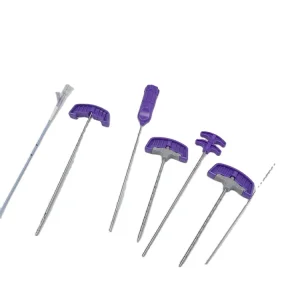
In the rapidly advancing landscape of medical technology, modular orthopedic implants have emerged as the cornerstone of personalized surgical intervention. Unlike traditional monoblock designs, modular systems offer surgeons the flexibility to adapt implants to the specific anatomical requirements of the patient in real-time. This adaptability is crucial in complex trauma, oncology resections, and revision arthroplasty, where standard sizes often fall short of clinical needs.
As a leading China Wholesale Modular Orthopedic Implants Supplier, KaiSo integrates over 22 years of industrial experience with cutting-edge Industry 4.0 manufacturing protocols. Our commitment to Information Gain for our clients involves not just providing a product, but offering deep insights into material science—utilizing Grade 5 Titanium (Ti-6Al-4V) and Cobalt-Chrome alloys to ensure long-term biocompatibility and osseointegration.
The global shift toward patient-specific outcomes is driving the demand for modularity. Surgeons now prioritize systems that allow for intraoperative adjustments of offset, neck length, and version.
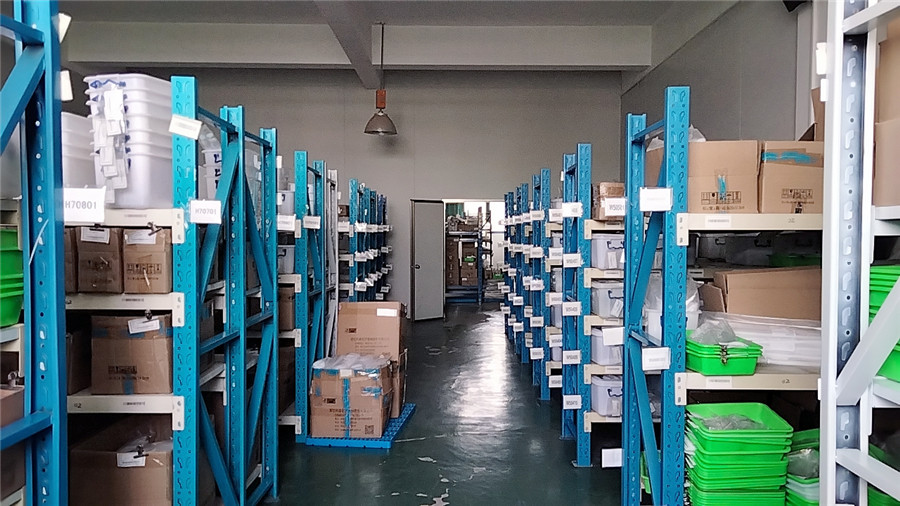
Hospitals are moving away from massive stocks. Modular components allow for thousands of combinations with a limited number of SKUs, significantly reducing the "frozen capital" in hospital warehouses.
Post-pandemic procurement strategies favor "China Factory 4.0" models that offer both cost-efficiency and high-tech manufacturing stability to mitigate global logistics risks.
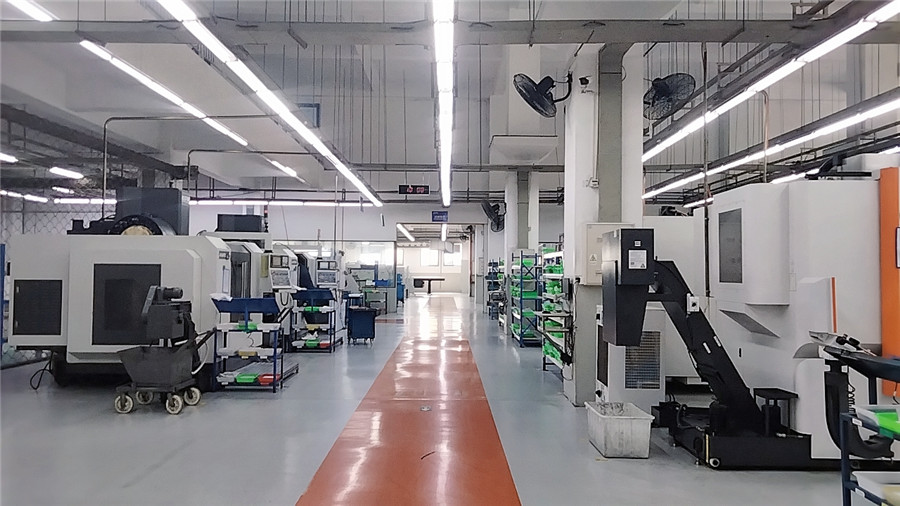
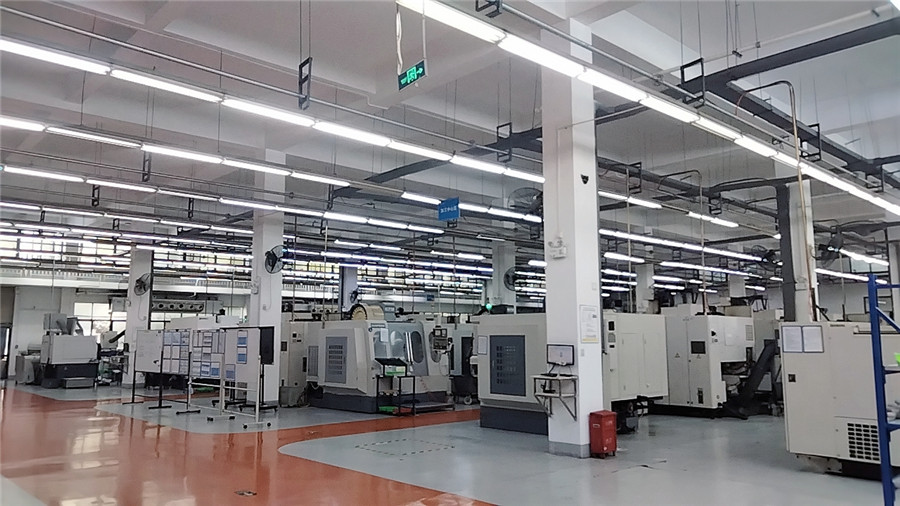
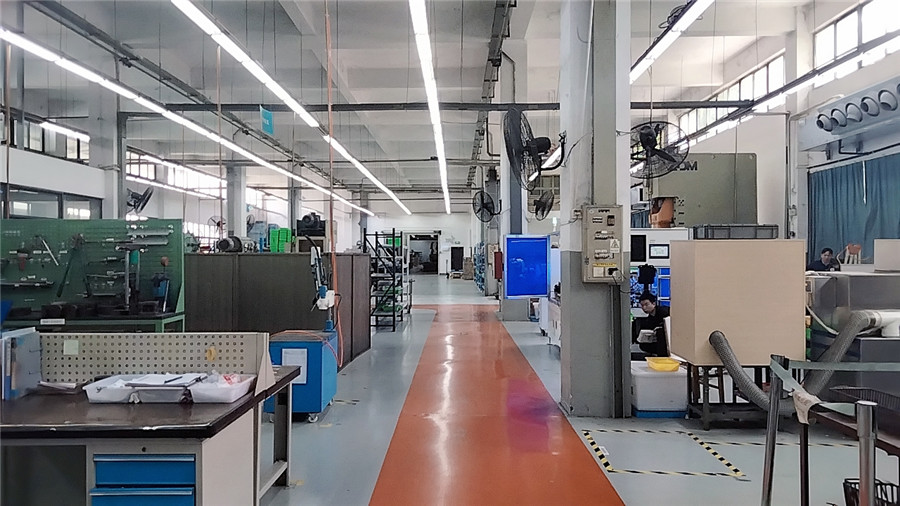
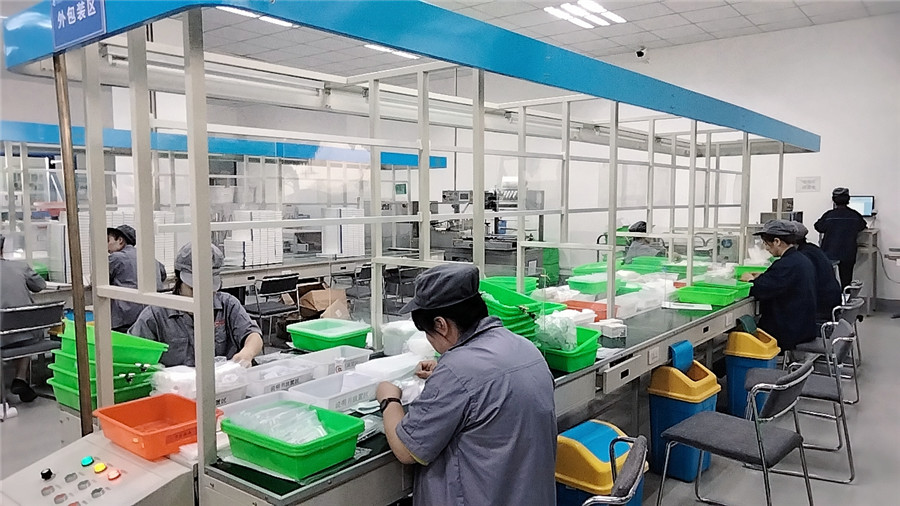
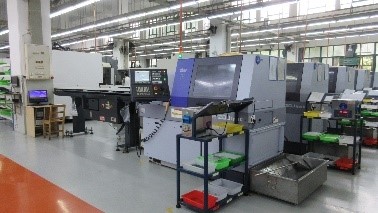
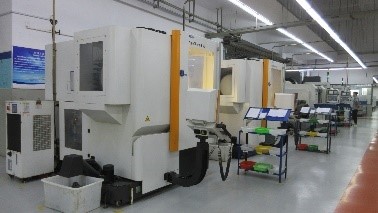
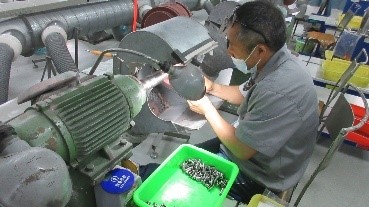
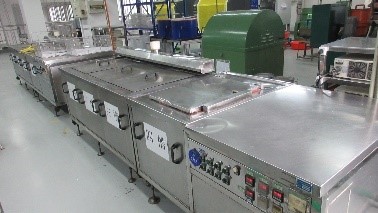
China's orthopedic manufacturing sector has transitioned from high-volume production to high-precision engineering. At KaiSo, our Factory 4.0 initiative encompasses automated CNC machining centers, laser-sintering 3D printing for porous structures, and a fully digitalized Quality Assurance System.
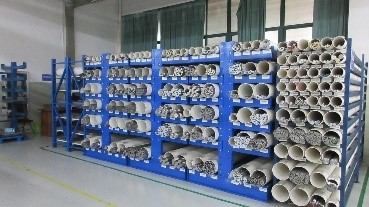
Every modular component we export undergoes rigorous testing. We maintain a 100% traceability record from the raw material ingot to the sterile package in the operating room. This level of reliability is why 30% of our market share is concentrated in South America, and 20% in the highly regulated Western European markets.
Our Quality Pillars:
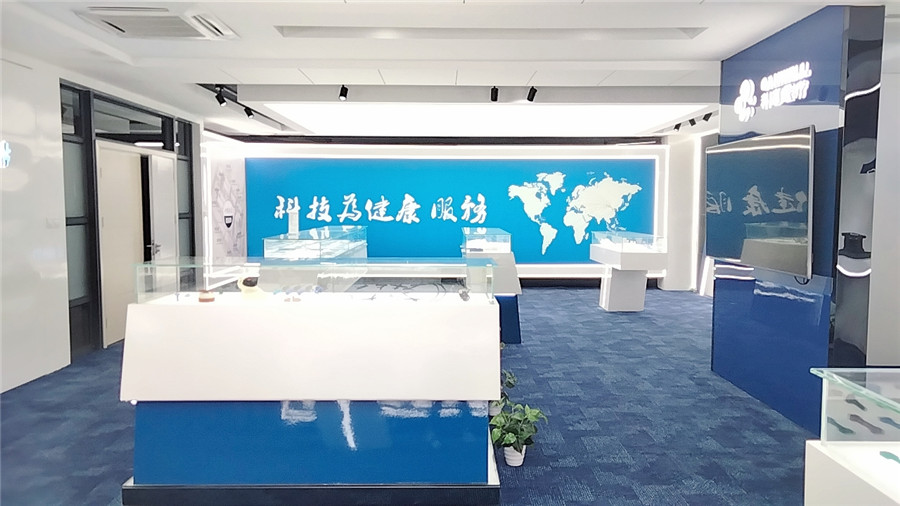
KaiSo has established a complete Quality Assurance System to continuously fulfil the requirements according to ISO9001, 13485, CE.
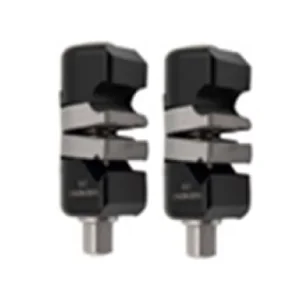
Modular external fixators and locking plates allow for rapid stabilization in high-energy trauma cases across Southeast Asian and South American emergency networks.
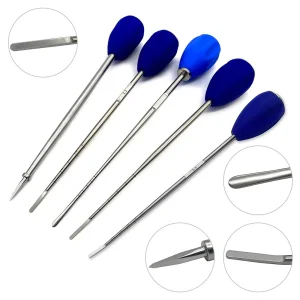
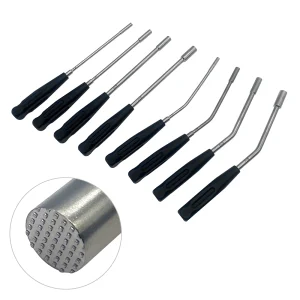
Our TLIF Cage Holders and Titanium Pedicle Kits are designed for minimally invasive spine surgery (MISS), reducing patient recovery time in premium Western European clinics.
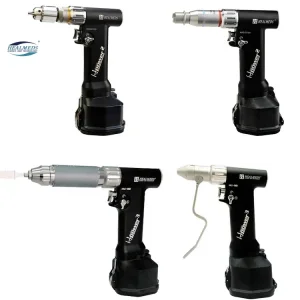
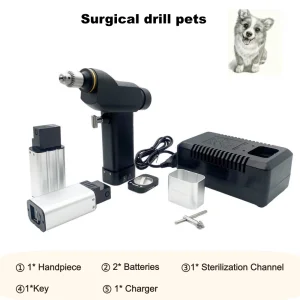
Expanding the modular concept to animal health, providing high-precision bone drills and screws for veterinary surgeons globally.
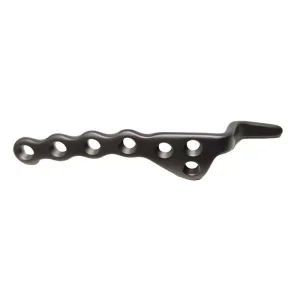
Modular locking plates provide a fixed-angle construct while maintaining the "Internal Fixator" principle. This is essential for osteoporotic bone or comminuted fractures. The low-profile design of our Geasure Titanium Locking Hook Plates reduces soft tissue irritation, a common complication in clavicular and distal radius surgeries.
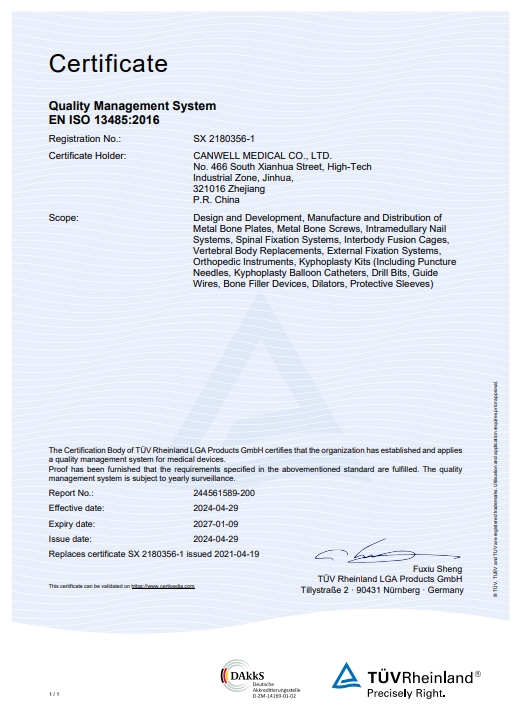
ISO13485
Quality Management for Medical Devices
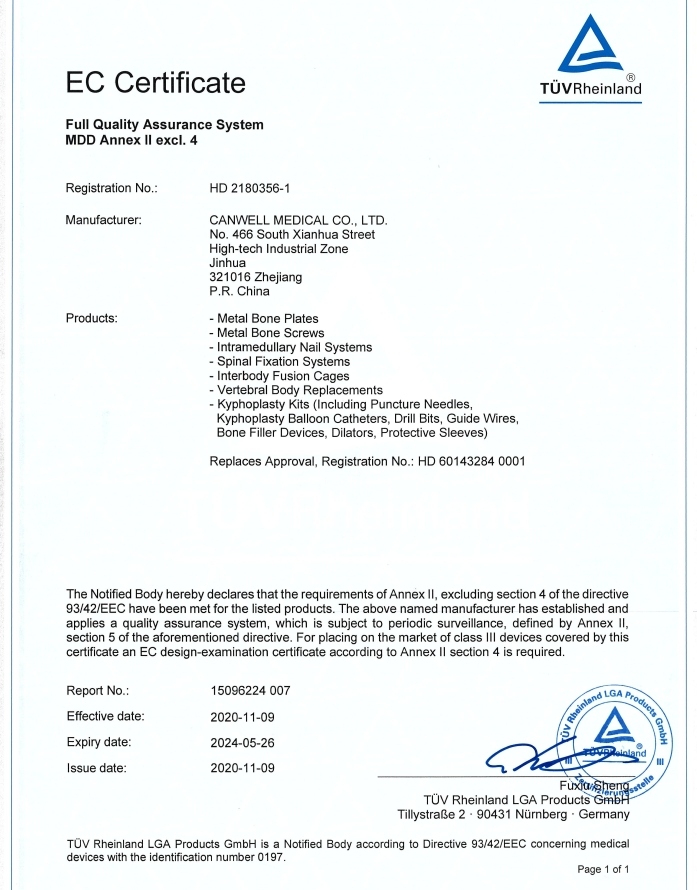
93/42/EEC
European CE Certification
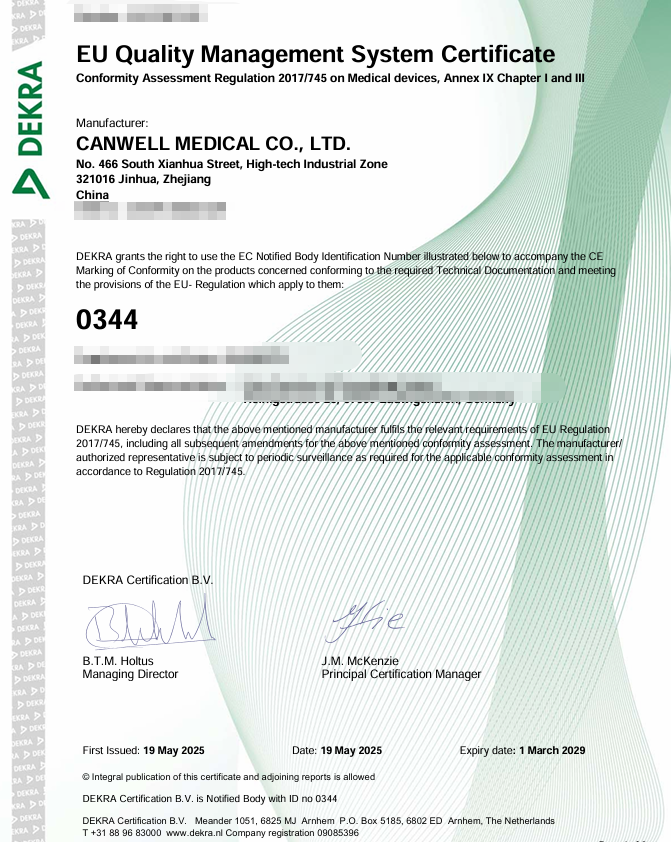
MDR
Advanced Regulatory Compliance
 KaiSo Medical