Engineered for biomechanical stability, anatomic alignment, and predictable osteosynthesis outcomes.
Understanding the demands of biological osteosynthesis and dynamic internal stabilization.
Internal fracture fixation has undergone a profound paradigm shift over the past two decades. Historically, rigid stabilization aiming for primary bone healing dominated clinical settings. Today, modern trauma surgery emphasizes biological osteosynthesis: preserving soft tissue vascularization and utilizing relative stability to promote callus formation. As a leading manufacturer established in 2004, KaiSo integrates these clinical advancements directly into our product development pipeline.
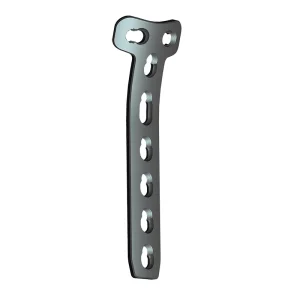
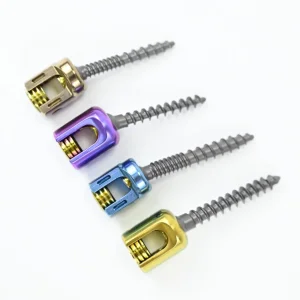
For bone plates, this balance between stiffness and elasticity is achieved using titanium alloys (primarily Grade 5 / Ti-6Al-4V) which closely match the elastic modulus of cortical bone compared to traditional stainless steel. This minimizes the risk of stress shielding, a primary cause of secondary osteopenia and implant failure. Whether you are procuring distal radius locking systems or spinal fixation hardware, selecting the right material grade and mechanical layout is critical to patient safety and surgical efficacy.
"The clinical goal of internal fixation is not merely to construct an immovable block of metal, but to create a dynamic, biomechanically active healing environment. Modern titanium locking systems allow controlled micro-motion that accelerates natural bone remodeling."
State-of-the-art facilities engineered to secure global medical device channels.
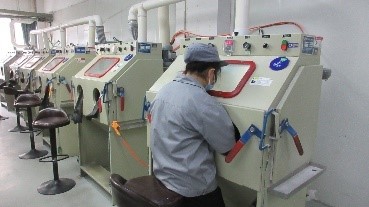
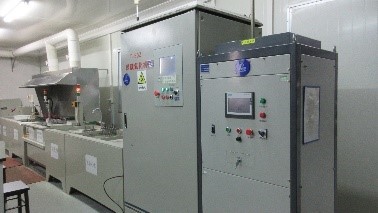
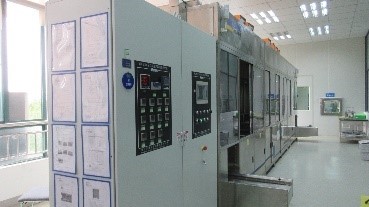
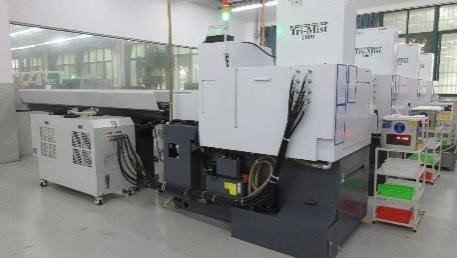
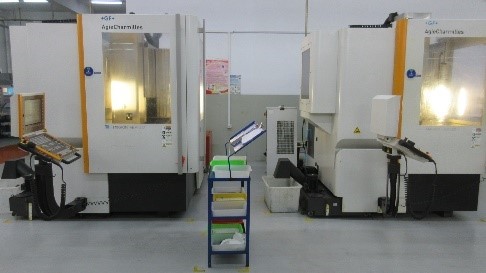
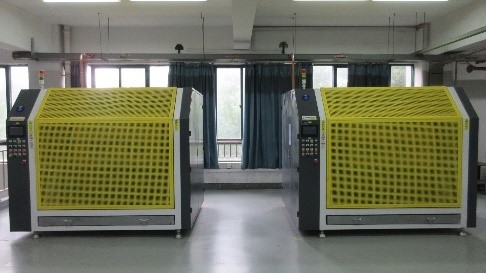
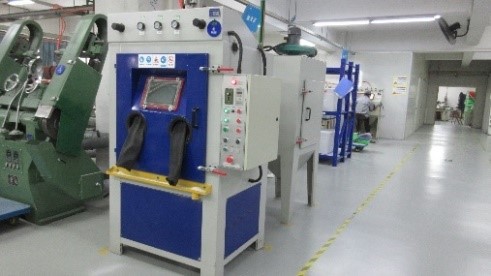
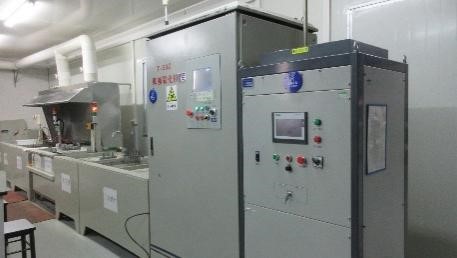
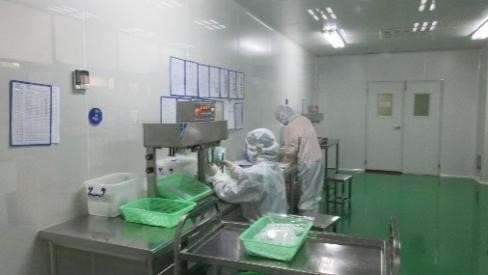
China's orthopedic manufacturing sector has evolved from high-volume production to precision, high-tech manufacturing. With a comprehensive industrial ecosystem, China-based suppliers offer unprecedented flexibility in raw material sourcing, state-of-the-art multi-axis CNC milling, and localized surface treatments. At KaiSo, our 29,523 m² facility serves as a benchmark for this industrial modernization, optimizing costs without compromising micro-tolerance accuracy.
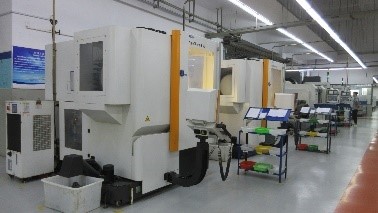
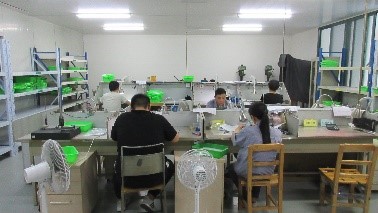
Utilizing high-end imported vertical machining centers and Swiss-type lathes to ensure dimensional tolerances within ±5 microns, crucial for threaded locking plate interfaces.
We source medical-grade titanium and surgical stainless steel exclusively from verified, certified steel mills. Every single batch is backed by mill test certificates (MTC) and undergoes inbound chemical analysis.
From custom anodization color-coding to deep laser engraving and specialized sterile packaging configurations, our factory supports flexible batch sizes (OEM/ODM) to match volatile distributor pipelines.
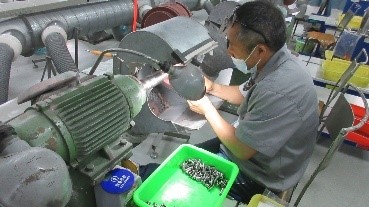
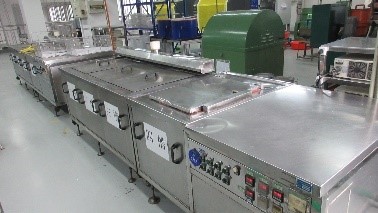
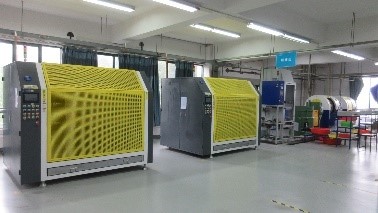
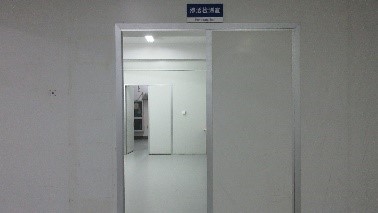
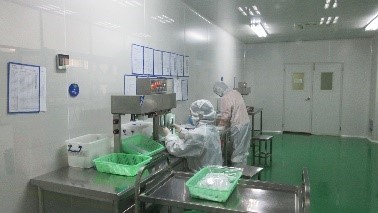
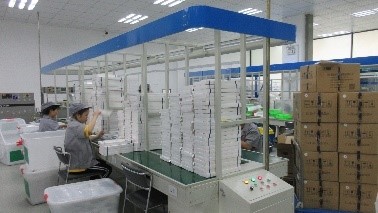
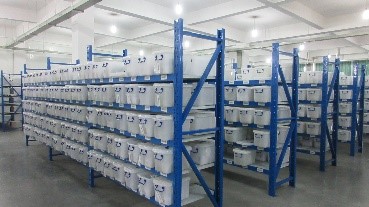
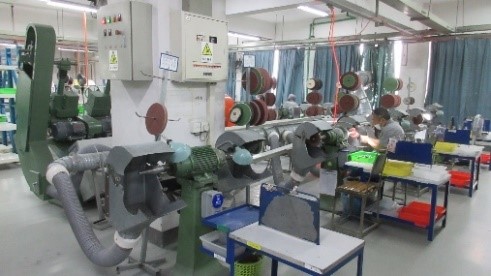
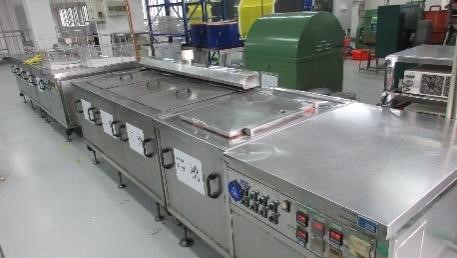
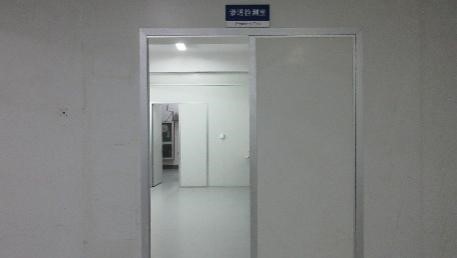
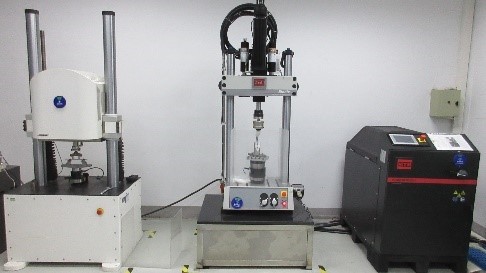
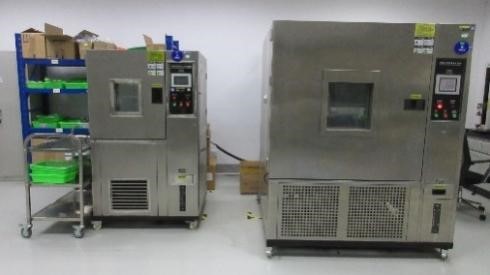
A photographic overview of our automated production lines, testing laboratories, cleanrooms, and warehouses.
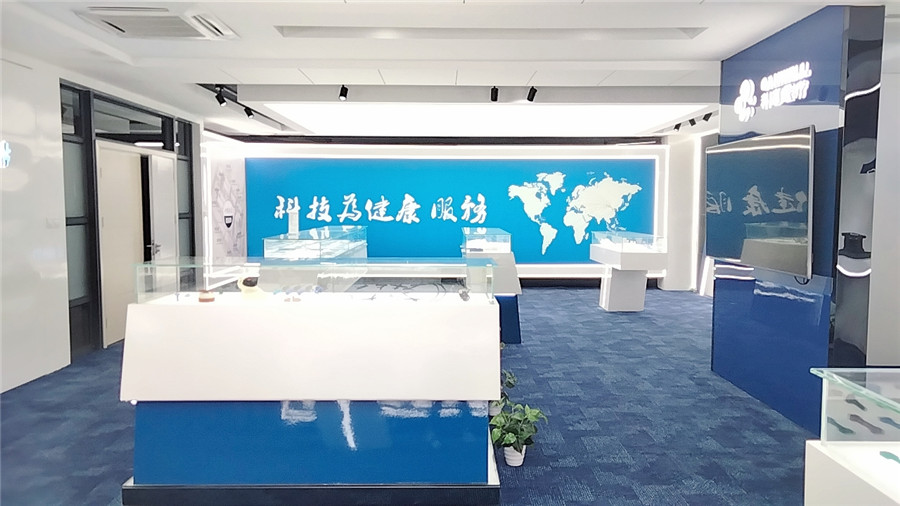
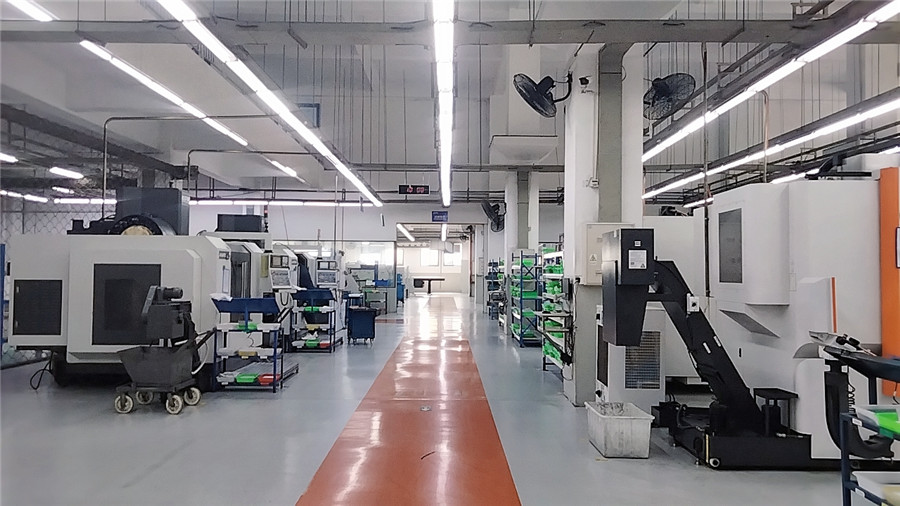
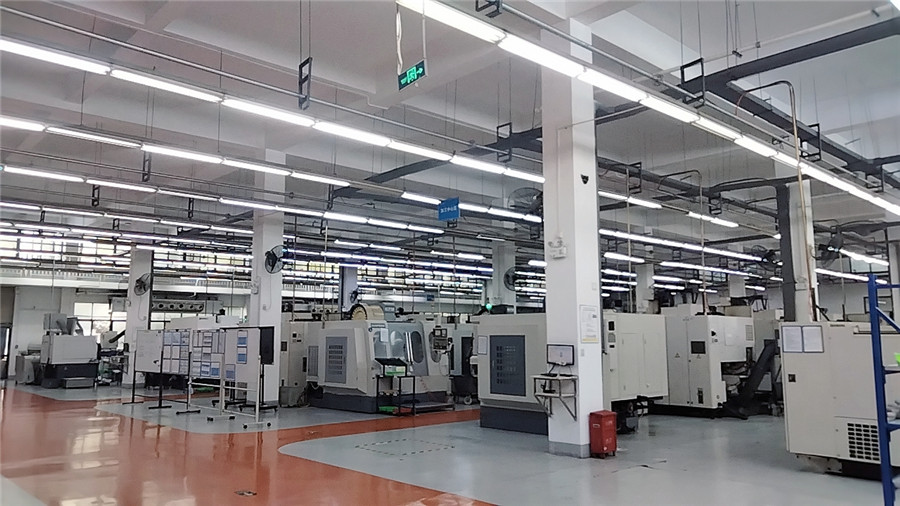
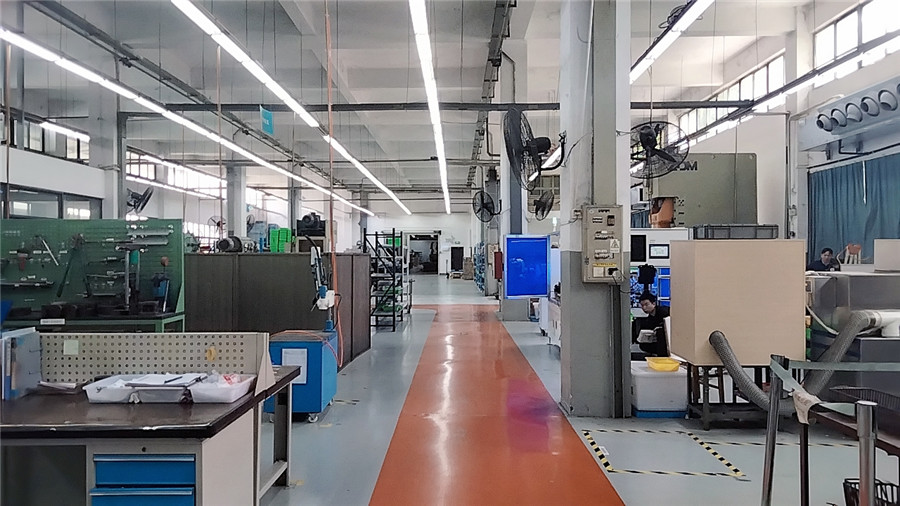
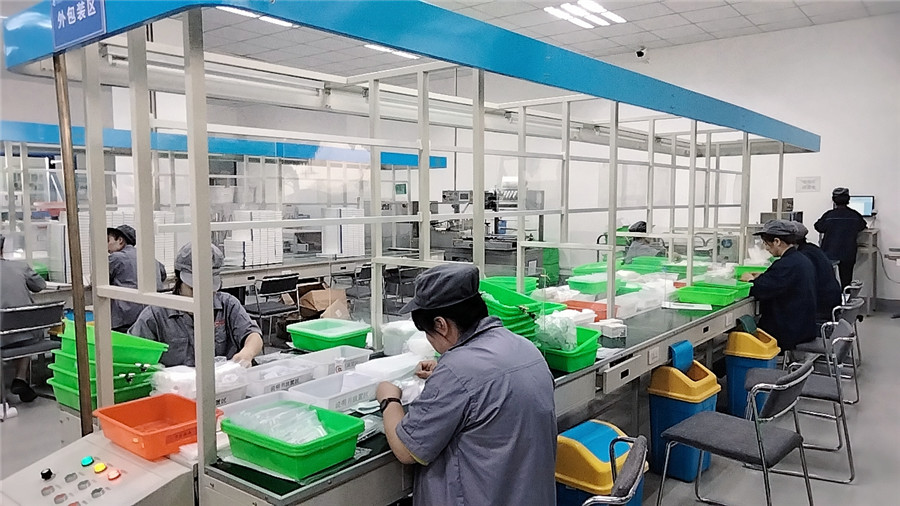
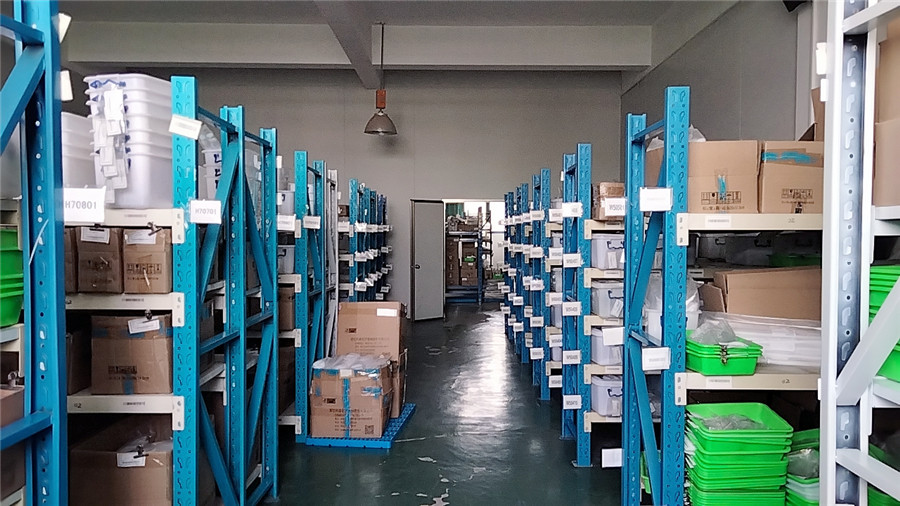
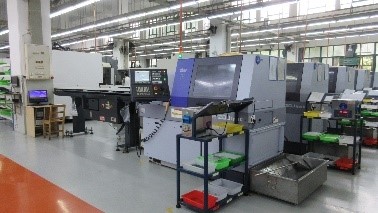
Earning trust worldwide through ISO 13485, CE 93/42/EEC, and EU MDR alignment.
In the medical device supply chain, quality assurance isn't just a selling point—it is a legal prerequisite. KaiSo has established a complete Quality Assurance System to continuously fulfil the requirements according to ISO9001, 13485, and CE regulations, ranging from raw material procurement to design development and automated production processes. Our quality department is staffed by 69 dedicated QA/QC inspectors who execute rigorous verification protocols at every gate.
Whether it is chemical analysis of metal compositions, dimensional checks using automated optical coordinate measuring machines (CMM), or mechanical fatigue testing to simulate in-vivo biomechanical loads, we leave nothing to chance. We guarantee 100% inspection of critical specifications or execute structured random sampling according to specific customer agreements, ensuring seamless regulatory clearance in your target markets.
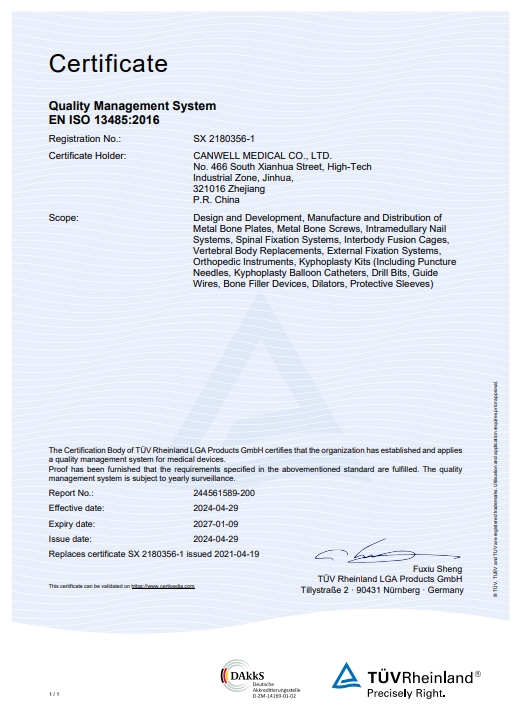
 ISO13485
SX 2180356-1 Certificate
ISO13485
SX 2180356-1 Certificate
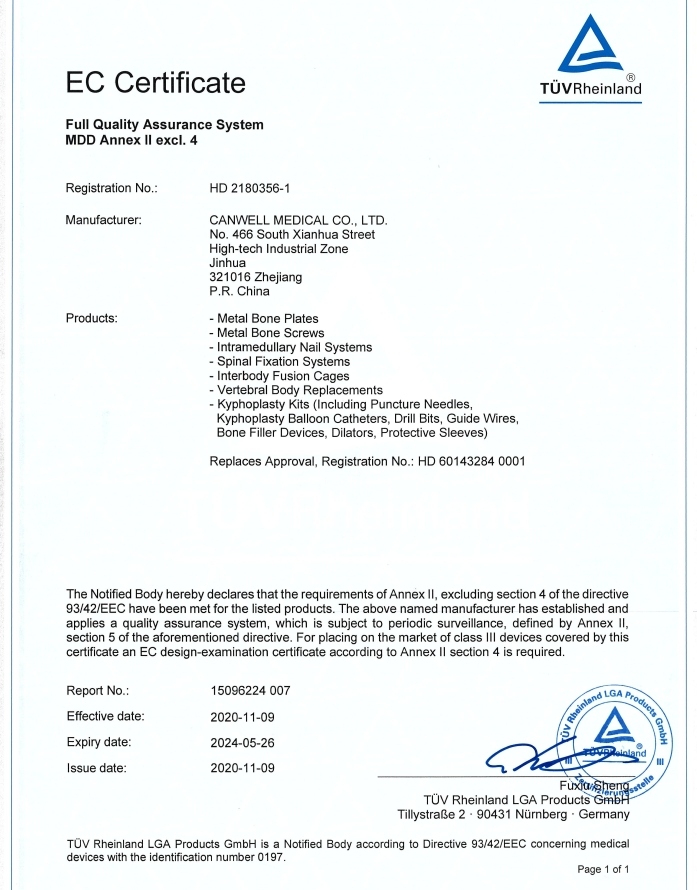
 93/42/EEC MDD
HD 2180356-1 Certificate
93/42/EEC MDD
HD 2180356-1 Certificate
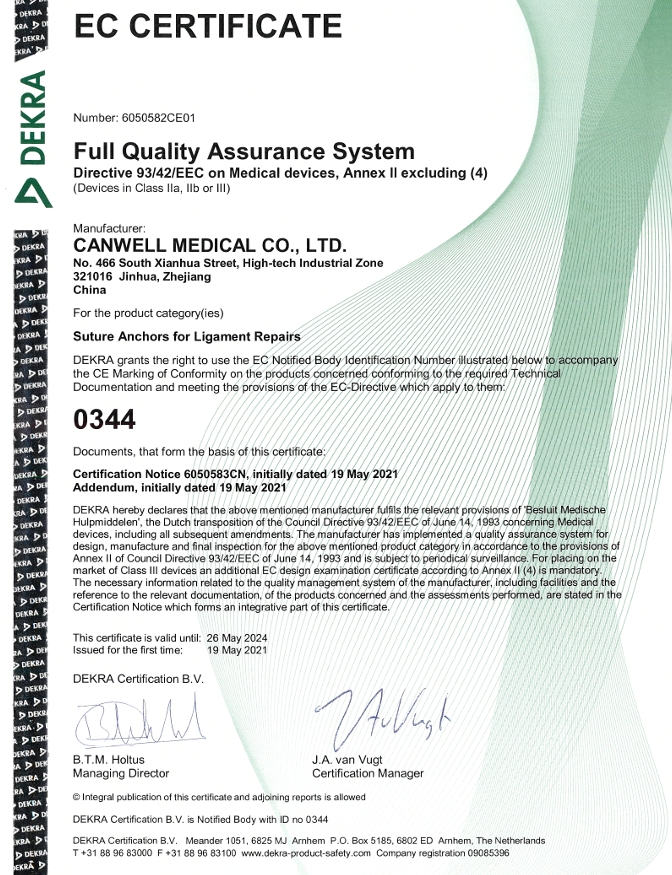 93/42/EEC CE
6050582CE01 Certificate
93/42/EEC CE
6050582CE01 Certificate
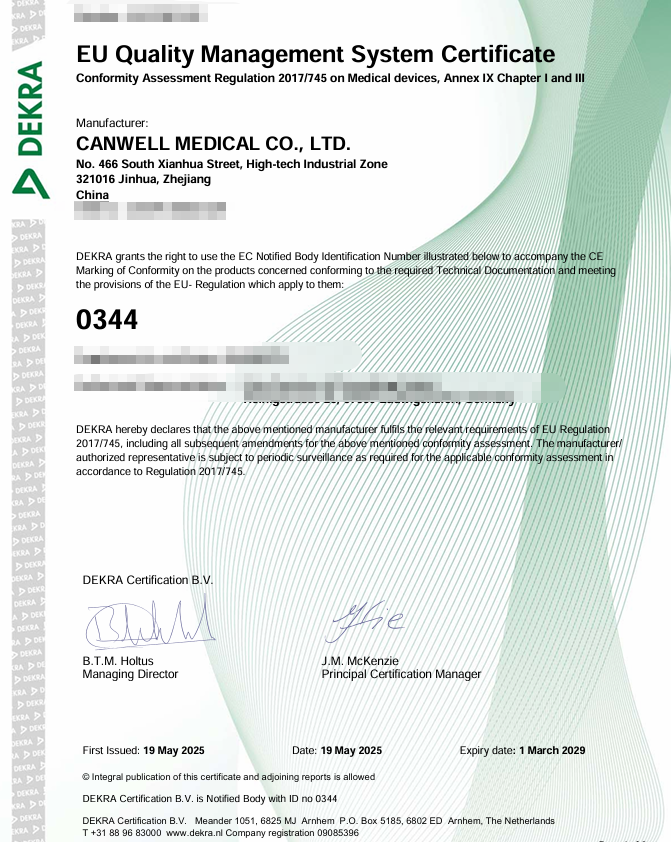
 EU MDR
6142788CE02 Certified
EU MDR
6142788CE02 Certified
Providing specialized solutions across human and veterinary trauma applications.
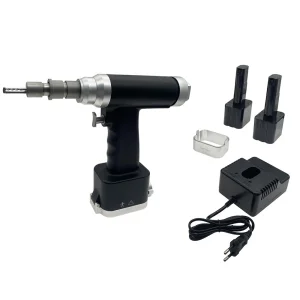
The biomechanical demands of veterinary patients differ dramatically from human clinical needs. Quadruped movement exerts unique torsional and bending stresses on implants, especially in procedures like Tibial Plateau Leveling Osteotomy (TPLO). Our specialized TPLO Power System and animal hip arthroplasty instruments are engineered to manage these high-demand loads. Concurrently, our human craniotomy drills and anatomical locking plates deliver the ultra-precise, low-profile performance needed for sensitive neurosurgical and orthopedic trauma sites.
Modern hospitals and orthopedic brands demand personalized hardware. KaiSo's engineering team—led by 59 graduate R&D experts—offers light customization, rapid sample development, technical drawing translation, and custom-on-demand manufacturing. This keeps our clients ahead of the market, helping them roll out proprietary screw patterns or optimized anatomical plate layouts in record time.
The next frontier in fracture fixation is the integration of smart sensors and bioabsorbable materials. While titanium remains the gold standard for load-bearing applications, composite alloys and bioactive coatings that accelerate osseointegration are rapidly gaining ground. KaiSo stays at the forefront of this research, continuously testing surface finishing techniques like electrochemical anodization, acid-etching, and plasma coatings to enhance cellular adhesion and biological recovery.
Navigating cross-border medical distribution networks with expert localization support.
Our main export footprint spans South America (30%), Southeast Asia (20%), and Western Europe (20%). We understand the diverse regulatory landscapes, providing complete technical documentation, CE certificates, and localized translation guides to facilitate seamless import registration processes.
Because bone plates and surgical instruments are compact, high-value goods, we partner with specialized global couriers to ensure temperature-controlled, secure transit. We work under various international trade terms (FOB, CIF, DDP, EXW) to align with your internal accounting and freight preferences.
From ingot procurement to the final cleanroom sterilization cycle, every device is marked with unique lot numbers. This strict inventory visibility ensures effortless recall processing, meeting modern healthcare data standards.
Addressing the key technical, financial, and logistical concerns of international medical device buyers.
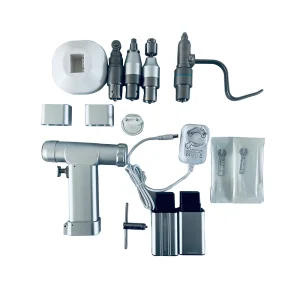
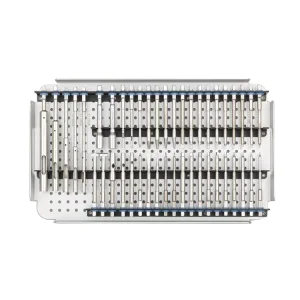
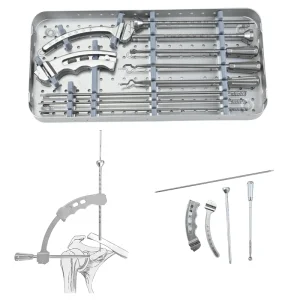
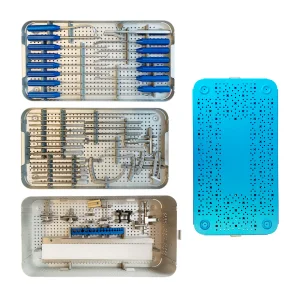
Complete surgical instrumentation sets engineered for efficiency and surgical speed.
 KaiSo Medical