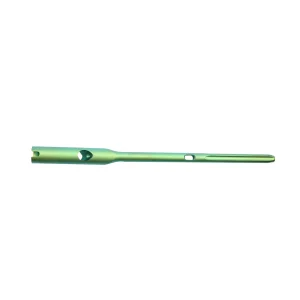
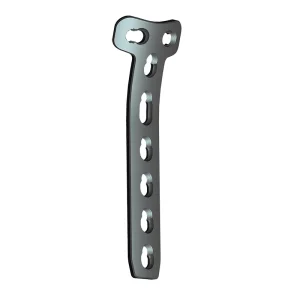
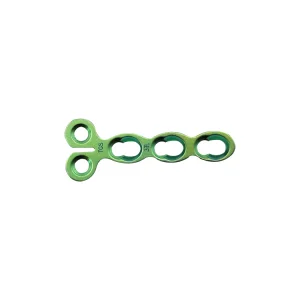
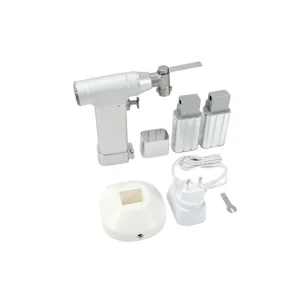
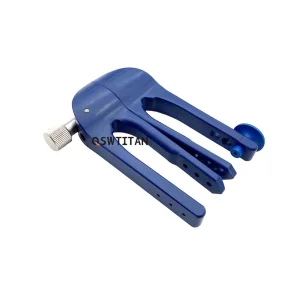
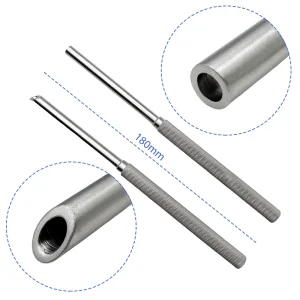
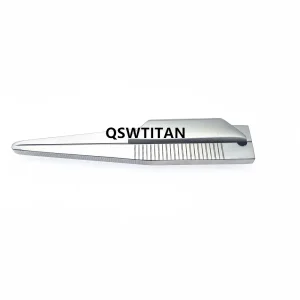
The Proximal Femoral Nail Antirotation (PFNA) system represents a significant leap in intramedullary nailing technology. Specifically designed for trochanteric fractures, particularly in osteoporotic bone, PFNA systems utilize a helical blade instead of traditional locking screws. This innovation increases the bone-to-implant surface area, significantly enhancing resistance to rotation and varus collapse.
As global populations age, the incidence of hip fractures is projected to rise exponentially. China has emerged as a global hub for the manufacturing of these critical implants, combining sophisticated metallurgical engineering with large-scale production efficiencies.
Years Industry Expertise
13485 Certified
R&D Engineers
MDR Compliant
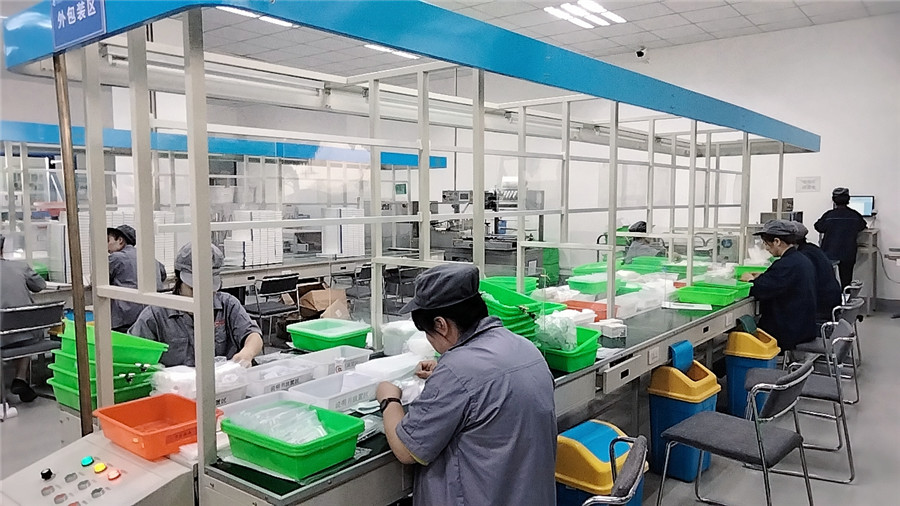
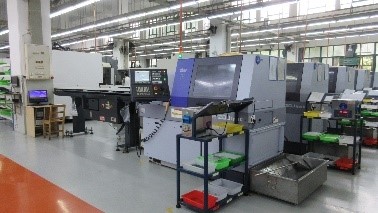
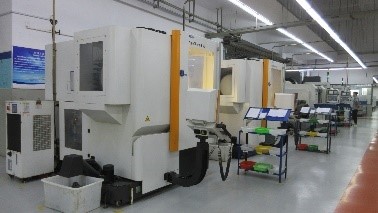
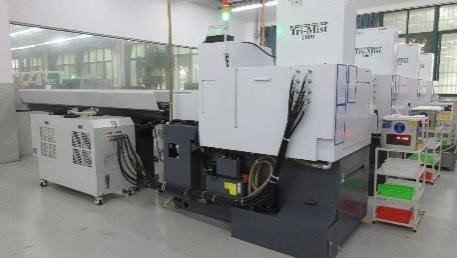
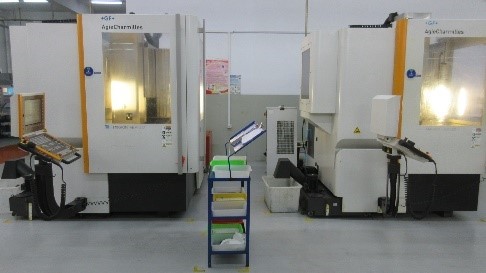
Utilizing high-precision CNC machining and automated production lines to ensure micrometer-level accuracy in titanium alloy PFNA nails and helical blades.
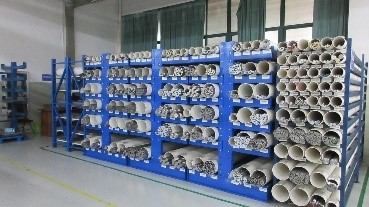
Strict procurement of medical-grade Titanium Alloy (Ti6Al4V ELI) with full traceability, meeting ASTM F136 and ISO 5832-3 standards for biocompatibility.
Established export networks covering South America (30%), Southeast Asia (20%), and Western Europe (20%), ensuring timely delivery of critical trauma sets.
With 59 dedicated R&D engineers, Chinese manufacturers like KaiSo are leading the way in "Information Gain" by optimizing the biomechanical design of intramedullary nails for various anatomical profiles.
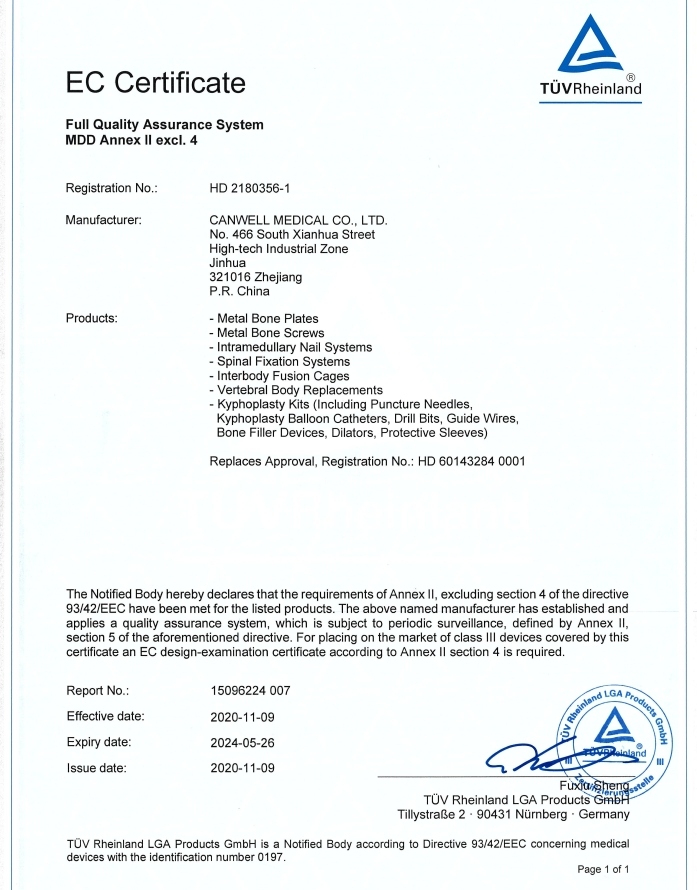
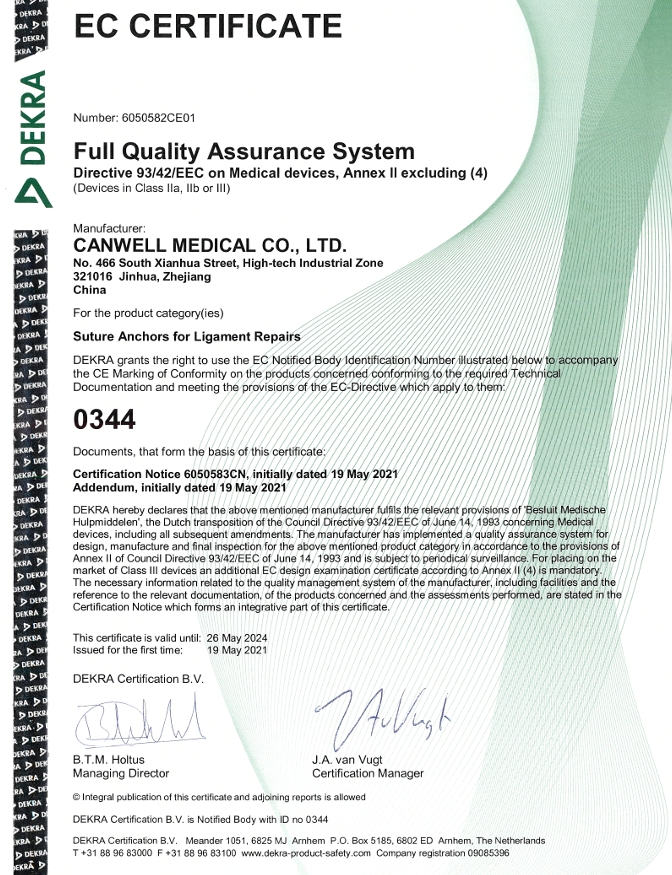
Navigating the regulatory landscape is paramount for international distributors and hospital procurement departments. Chinese PFNA exporters provide comprehensive documentation to support local registration:
The industry is moving beyond simple mechanical fixation toward "Smart Trauma Care." Key trends include:
Integration of PFNA systems with surgical robotics for precise entry point location and optimal helical blade placement.
Research into hydroxyapatite coatings on titanium nails to enhance osseointegration in elderly patients.
AI-driven preoperative planning tools that allow surgeons to select the exact nail length and diameter before the first incision.
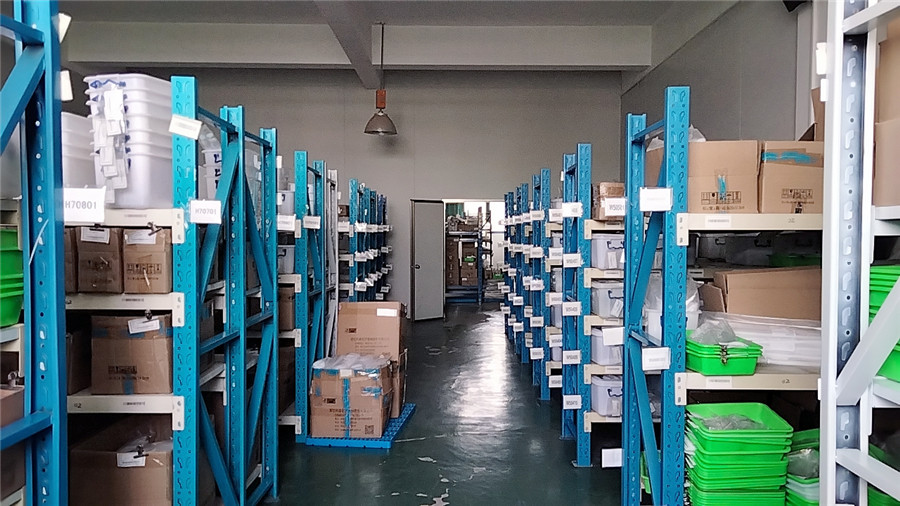
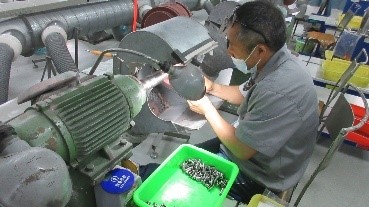
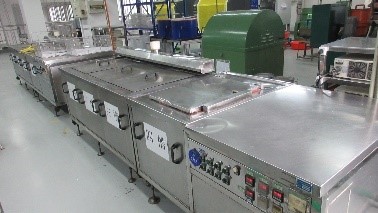
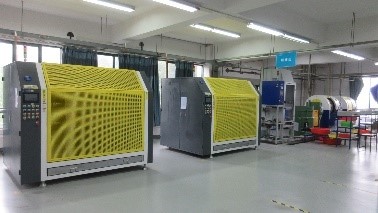
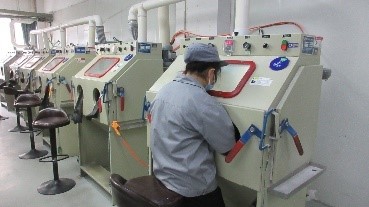
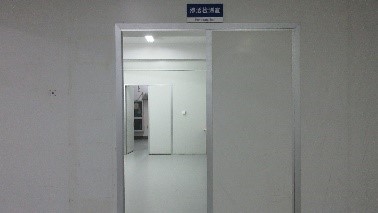
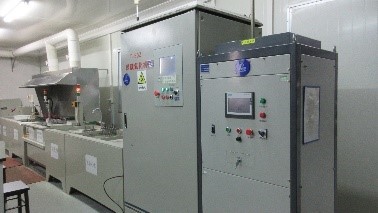
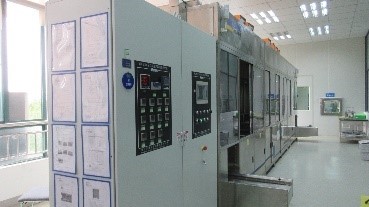
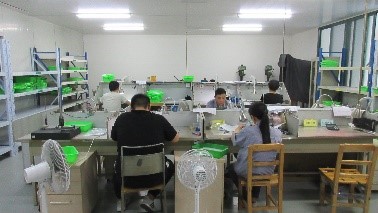
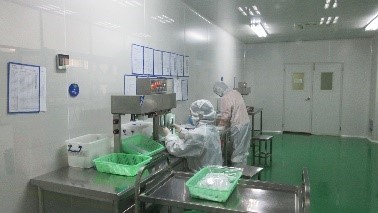
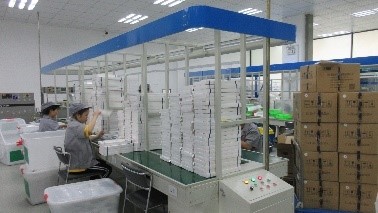
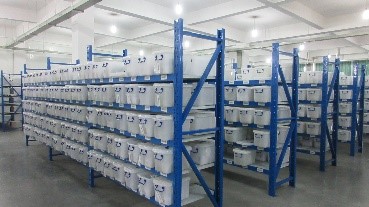
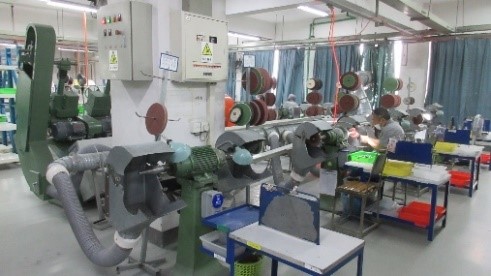
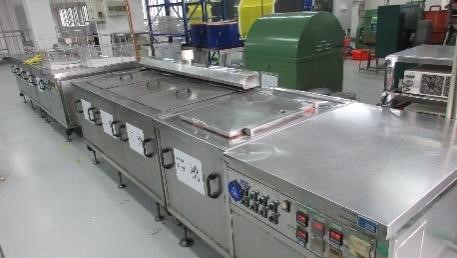
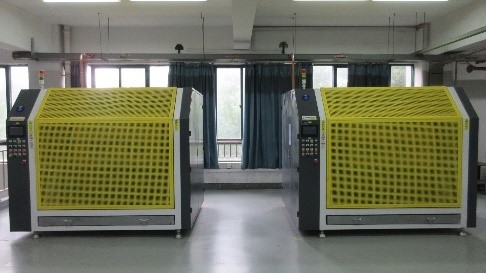
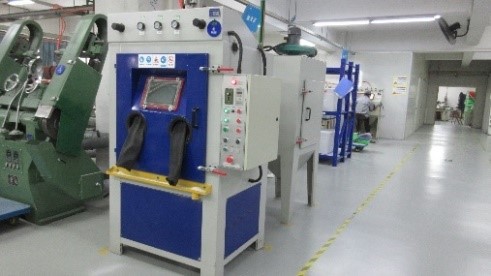
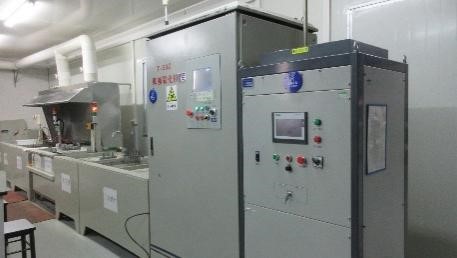
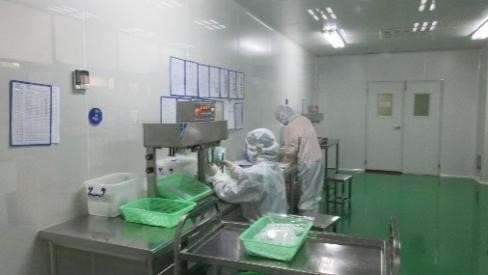
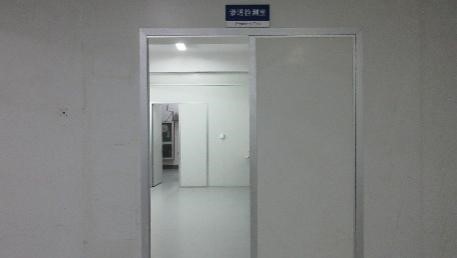
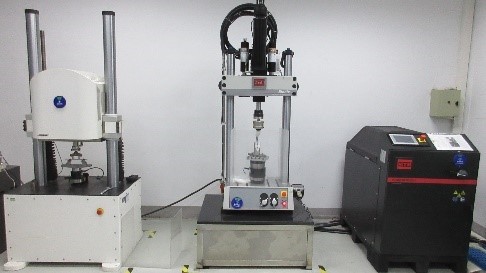
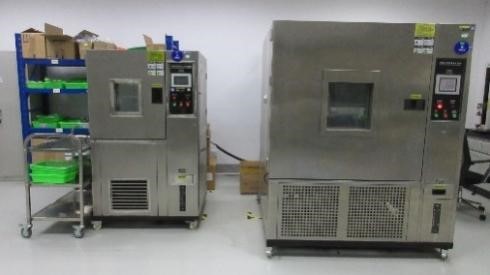
Our manufacturing facility spans over 29,523 square meters, housing a robust QA/QC department with 69 inspectors dedicated to 100% product inspection.
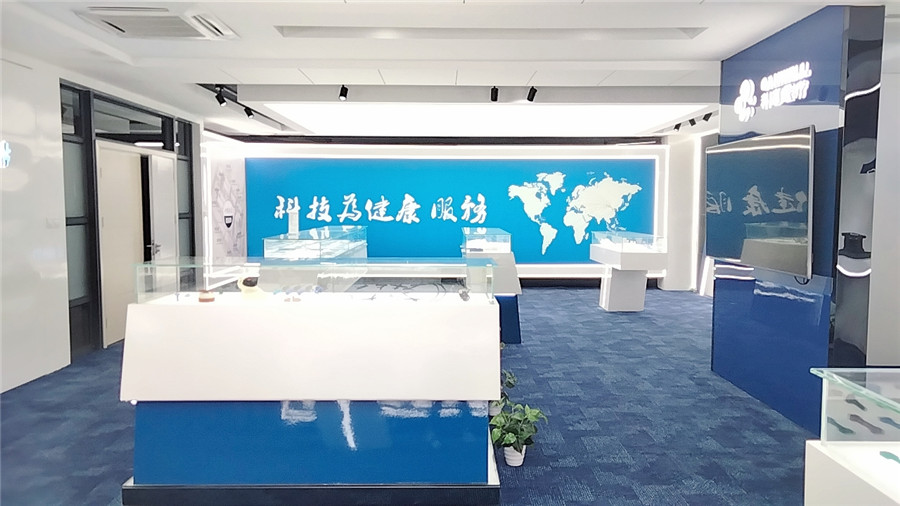
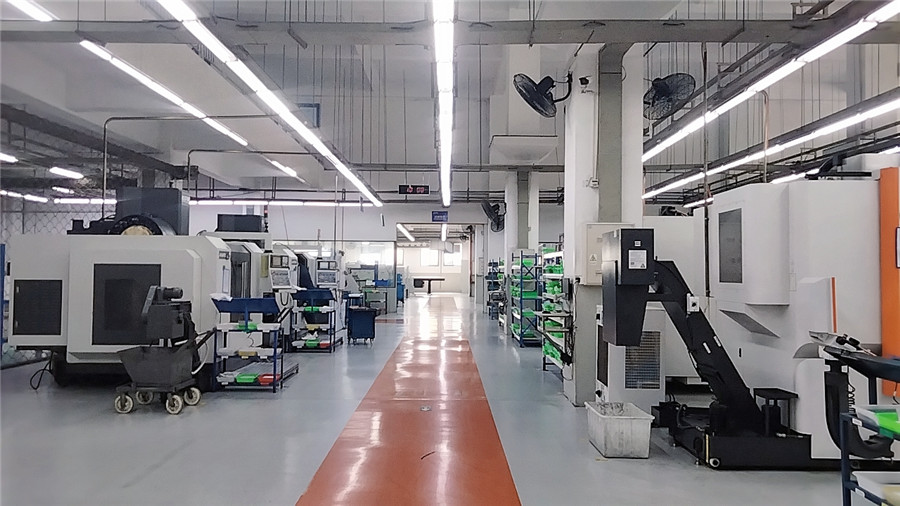
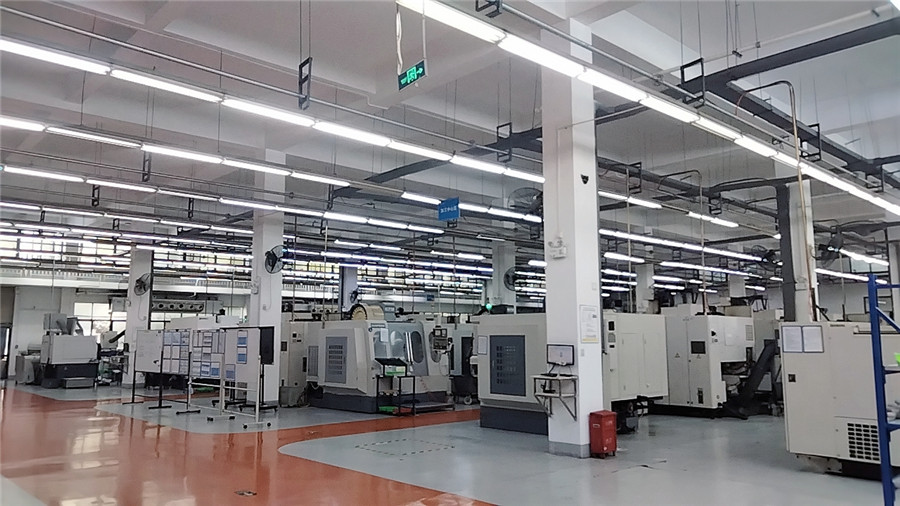
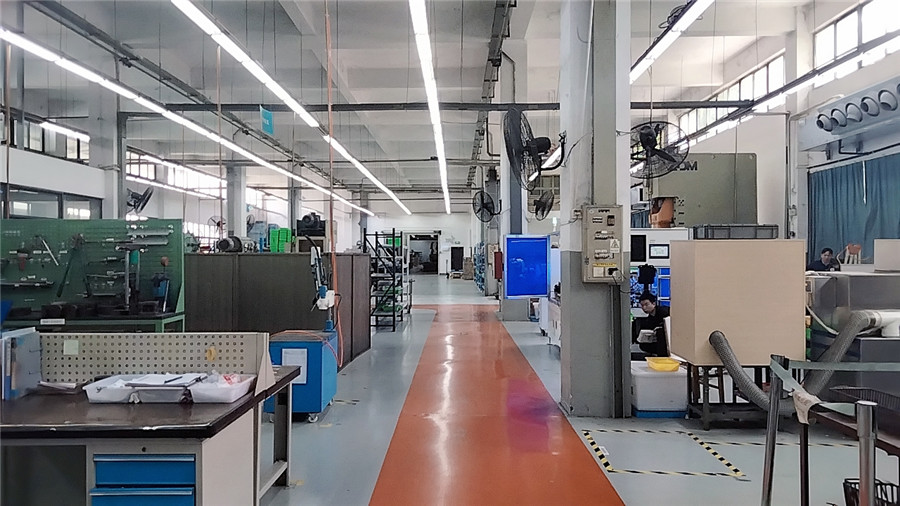
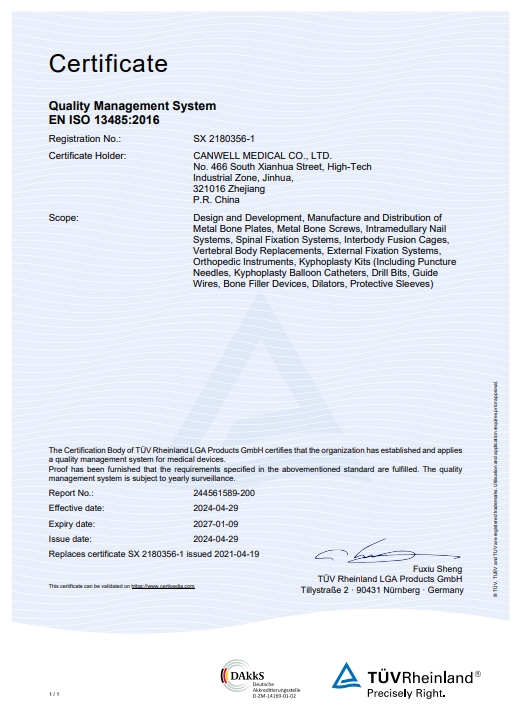
KaiSo Quality Assurance: Established a complete system fulfilling ISO9001, 13485, and CE requirements, covering everything from raw material procurement to automated production and design development.

 KaiSo Medical