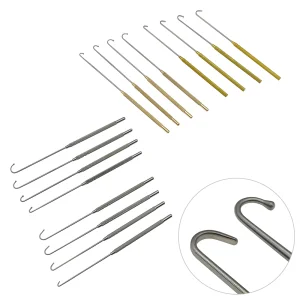
China Best Pediatric Orthopedic Implants Manufacturers & Suppliers

A Comprehensive Industry Whitepaper on High-Precision Pediatric Solutions: Engineering, Compliance, and Global Supply Chain Excellence.

🏗️ The China Advantage in Pediatric Orthopedic Manufacturing

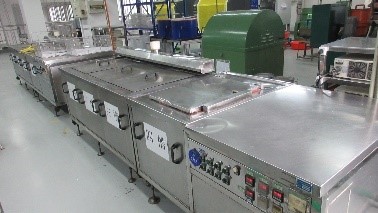
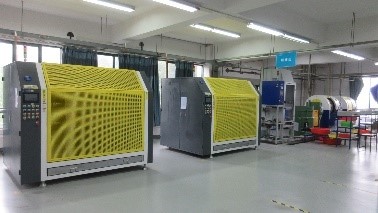
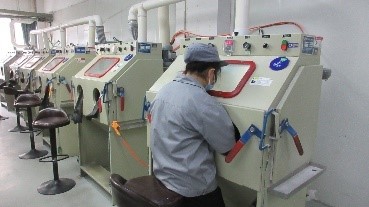
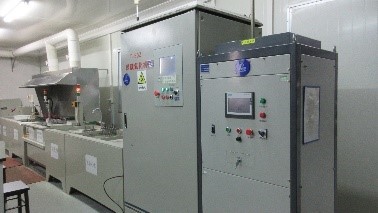
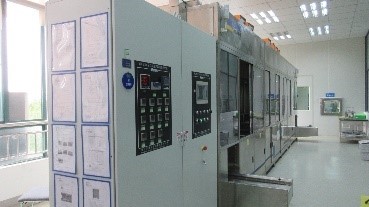
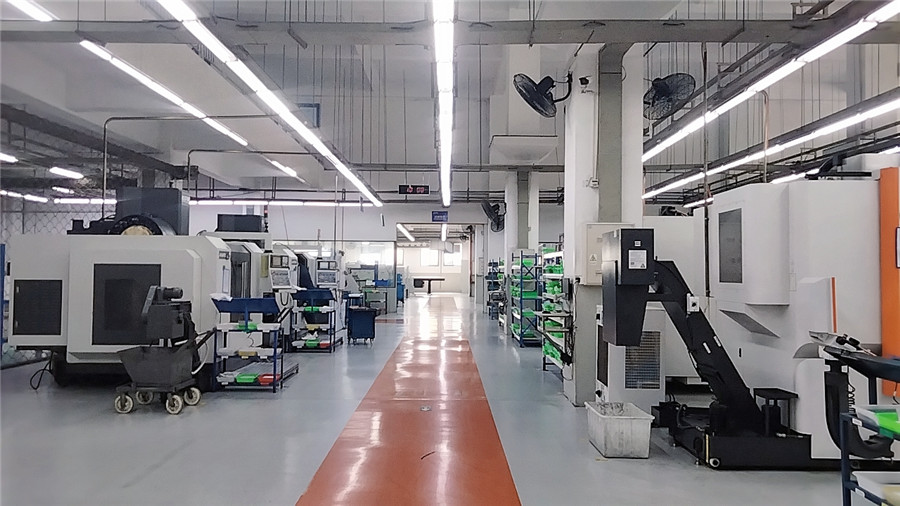
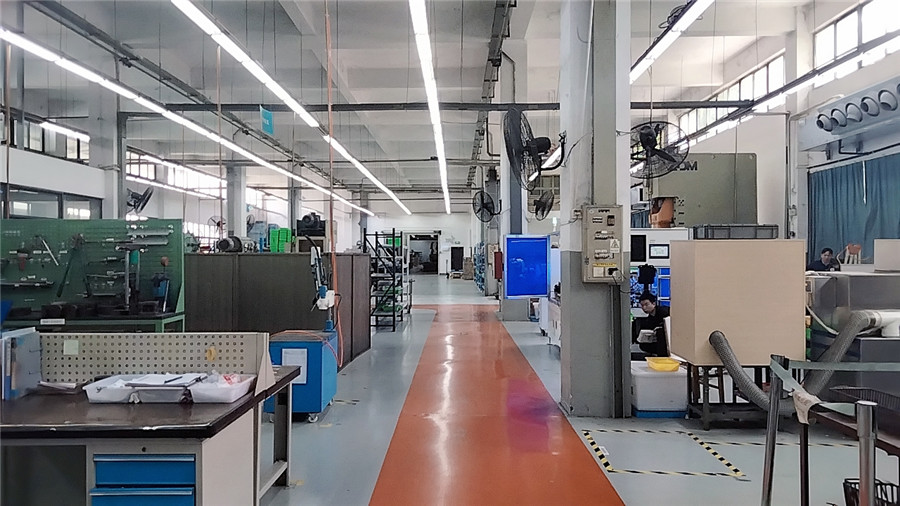
The global pediatric orthopedic market requires specialized attention due to the unique physiological characteristics of children, specifically the presence of open growth plates (epiphyses) and the rapid rate of bone remodeling. China has emerged as a global hub for these specialized implants, combining 22 years of industrial experience with a vertically integrated supply chain.

Advanced Material Science

Utilizing Medical Grade Titanium Alloy (Ti6Al4V) and Cobalt-Chrome, ensuring bio-compatibility and high fatigue strength for active pediatric patients.

Precision Engineering

Specialized designs for "Growth-Friendly" implants that allow for skeletal development without restrictive tethering, a critical factor in pediatric spinal and trauma care.

Cost-Efficiency

Leveraging massive economies of scale to provide CE and MDR certified products at a competitive price point for global healthcare systems.

22+ Years Industry Experience
59 Professional R&D Engineers
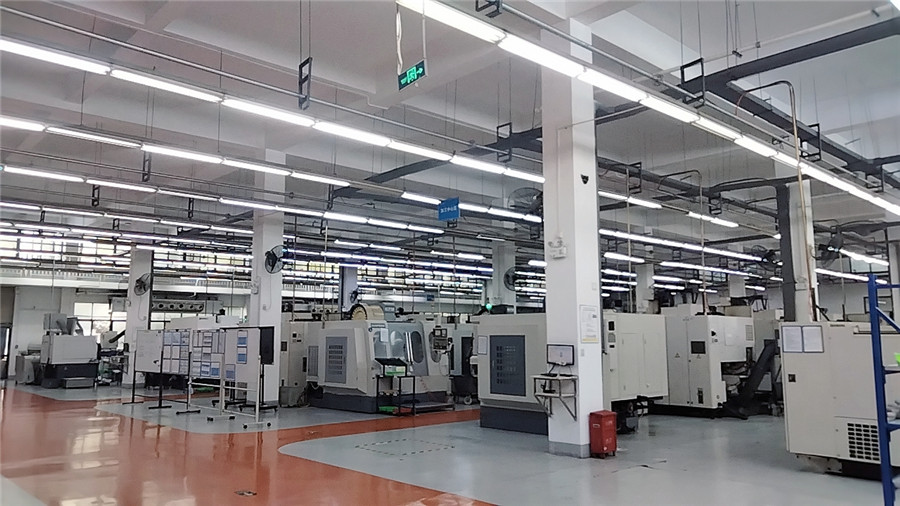
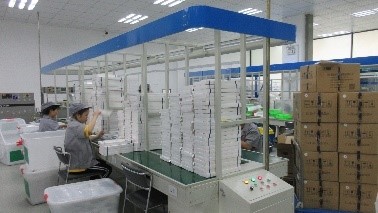
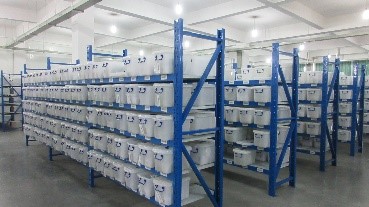
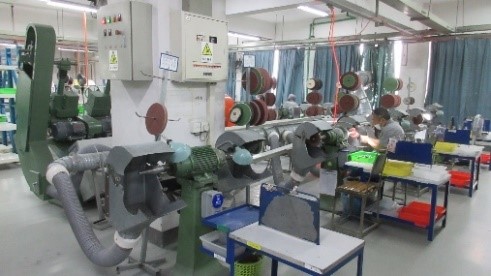
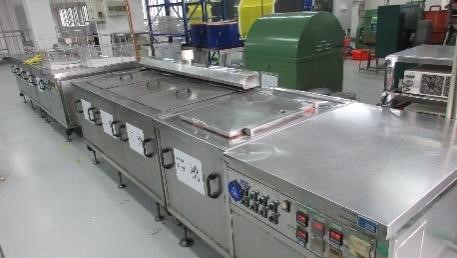
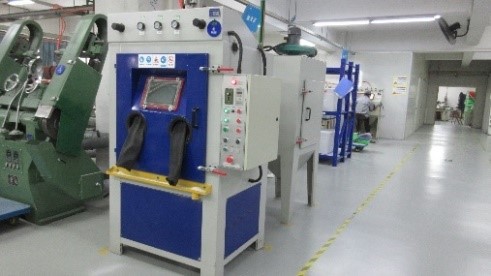
29,523 Production Space (㎡)
100% Quality Traceability

🛡️ Localization, Compliance, and Quality Assurance

Establishment: Registered on 2004-11-03
Total Engineers: 59 Graduate Level R&D Specialists
Export Markets: South America (30%), SE Asia (20%), Western Europe (20%)
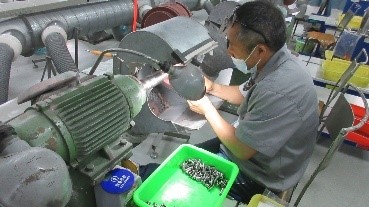
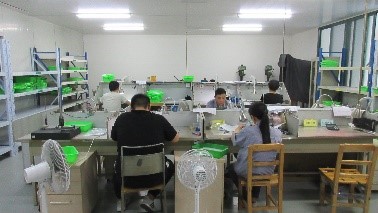
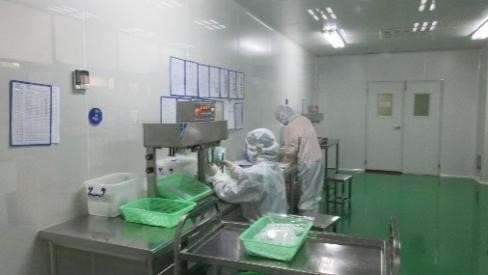
Inspection: 100% Production Line Quality Control with 69 QA/QC Inspectors
Customization: Light customization, Sample processing, Graphic processing, OEM/ODM
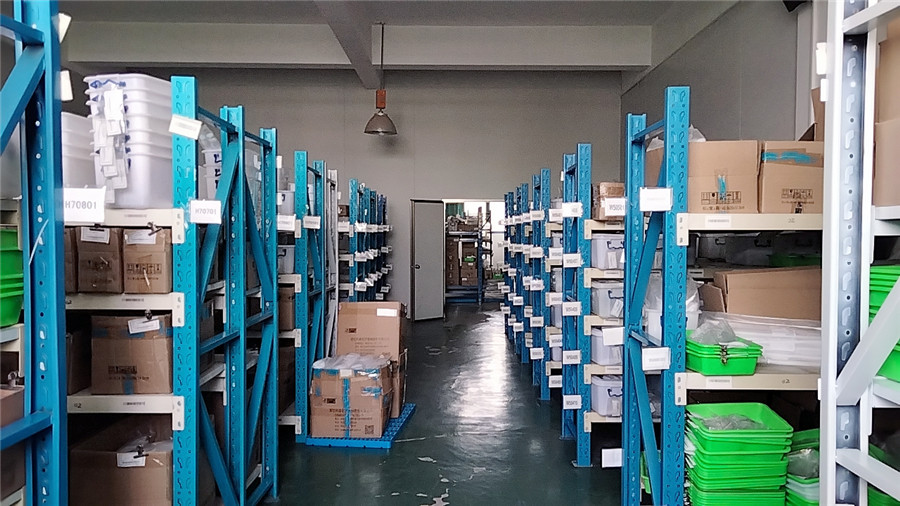
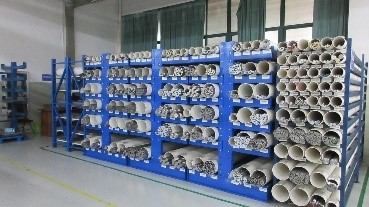
Traceability: Full Raw Material Support & Traceability

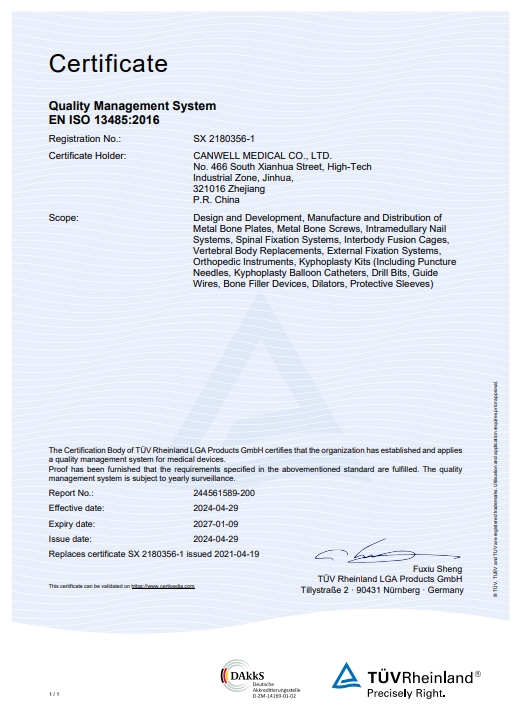
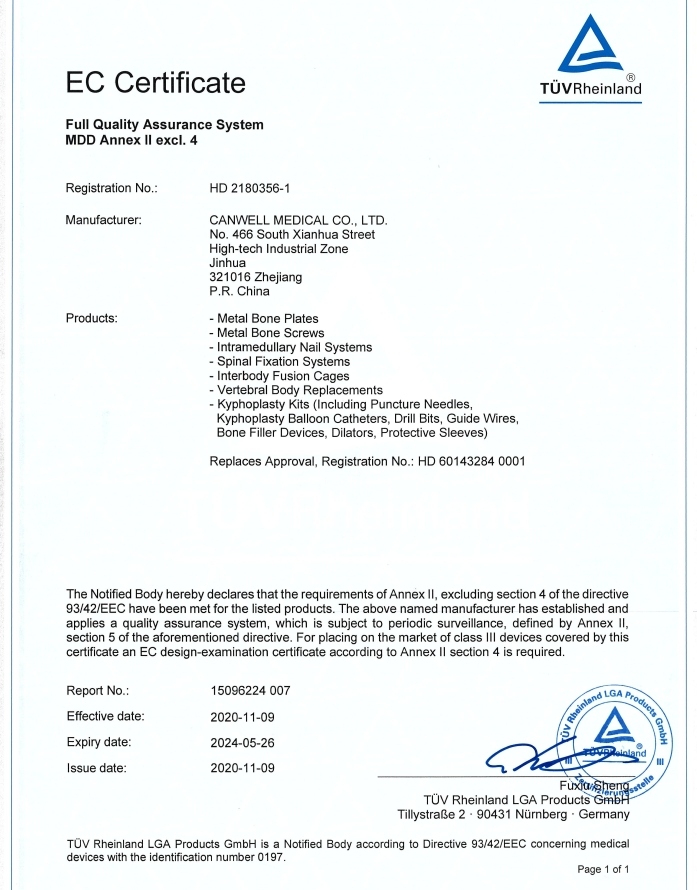
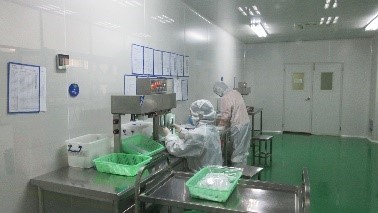
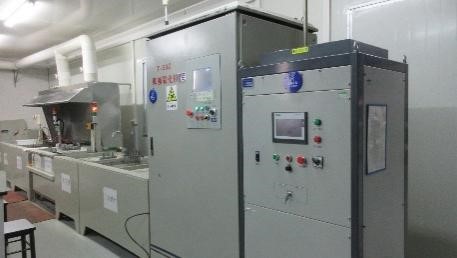
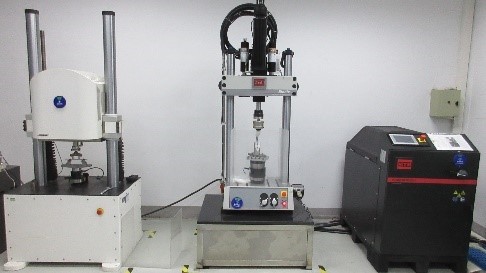
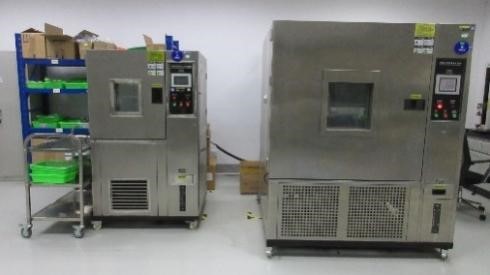
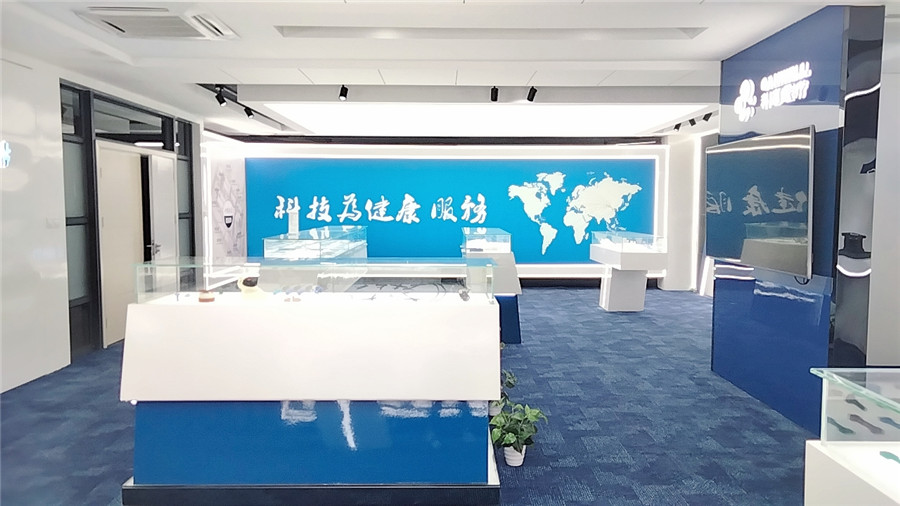
KaiSo has established a complete Quality Assurance System to continuously fulfil the requirements according to ISO9001, 13485, and CE. Our commitment extends from raw material procurement to automated production and final clinical validation.
📈 Future Trends in Pediatric Orthopedic Implants

Biodegradable Implants

Reducing the need for secondary surgeries in children by utilizing magnesium alloys or polymers that naturally absorb after bone healing.

3D-Printed Customization

Using CT data to create patient-specific implants for complex deformities such as congenital scoliosis or limb length discrepancies.

Mini-Invasive Systems

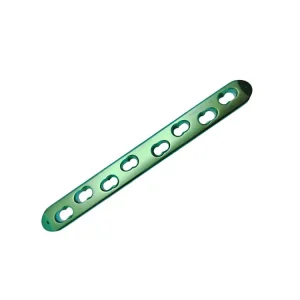
Developing smaller-profile plates and screws (Mini-Fragment Systems) that minimize soft tissue damage in pediatric patients.

Smart Implants

Sensory implants capable of monitoring healing progress and load-bearing data in real-time, although still in the R&D phase.

🌍 Localization & Global Procurement Scenarios

Meeting the needs of global enterprises requires more than just high-quality products; it requires localized regulatory expertise. We provide:
  • MDR Compliance: Full documentation for EU market access under the new Medical Device Regulation.
  • Regional Customization: Anatomically specific designs tailored for different ethnic populations (Asia vs. Western markets).
  • Logistics Excellence: Established supply routes to South America and Southeast Asia with temperature-controlled shipping where required.

Frequently Asked Questions (FAQ)

Why are pediatric implants different from adult ones? +
Pediatric implants must account for the child's growth. They are often smaller, more flexible, and designed to be easily removed or to allow the bone to grow around them without causing growth plate fusion.
What certifications do your China-manufactured implants hold? +
Our facility is ISO 13485, CE, and MDR certified. We follow strict 93/42/EEC guidelines to ensure global compliance for surgical safety.
Do you offer OEM/ODM services for global brands? +
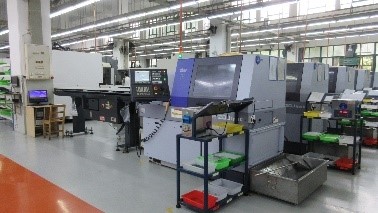
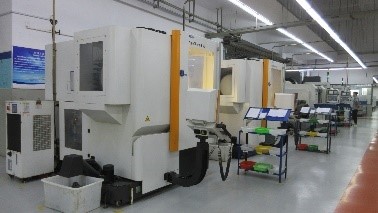
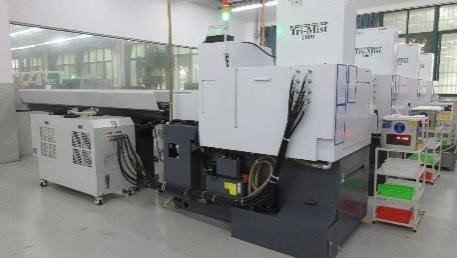
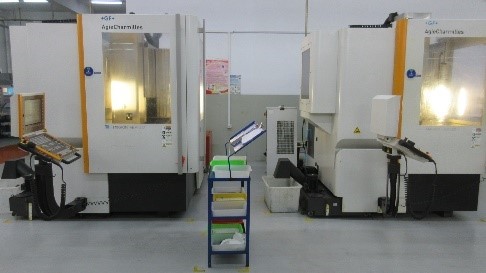
Yes, with 59 R&D engineers and advanced CNC capabilities, we offer full sample processing, graphic processing, and customized development for private label brands.
What is the lead time for large-scale pediatric implant orders? +
Depending on the customization level, standard orders usually ship within 2-4 weeks, while custom OEM designs may take 8-12 weeks for prototyping and validation.