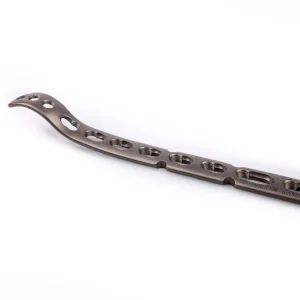
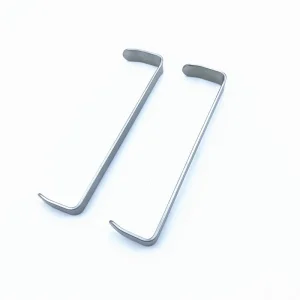
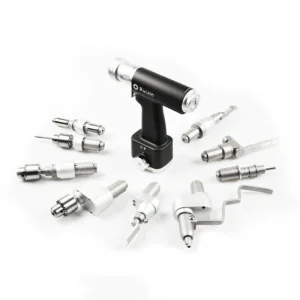
Minimally Invasive Spine Surgery (MISS) has revolutionized the treatment of spinal disorders, emphasizing smaller incisions, reduced muscle trauma, and faster postoperative recovery. As a global manufacturing powerhouse, China has transitioned from a volume-based supplier to a high-tech innovator in the spinal implant industry. This white paper explores the current industrial landscape, technical roadmaps, and the specialized solutions provided by leading manufacturers like KaiSo Medical.
The global MISS market is projected to reach billions by 2030, driven by an aging population and advancements in endoscopic technology. Chinese manufacturers now hold significant market shares in South America, Southeast Asia, and Western Europe, matching Tier-1 international standards in biocompatibility and fatigue resistance.
The shift is moving from traditional titanium alloys toward PEEK (Polyetheretherketone) and bio-composite absorbable materials. Current R&D focuses on surface modifications—such as hydroxyapatite coatings—to enhance osseointegration and reduce the risk of implant rejection.
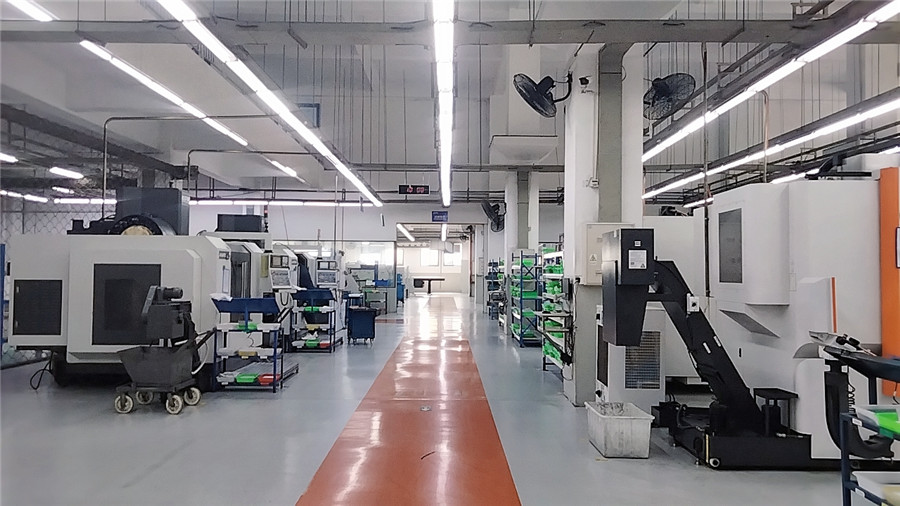
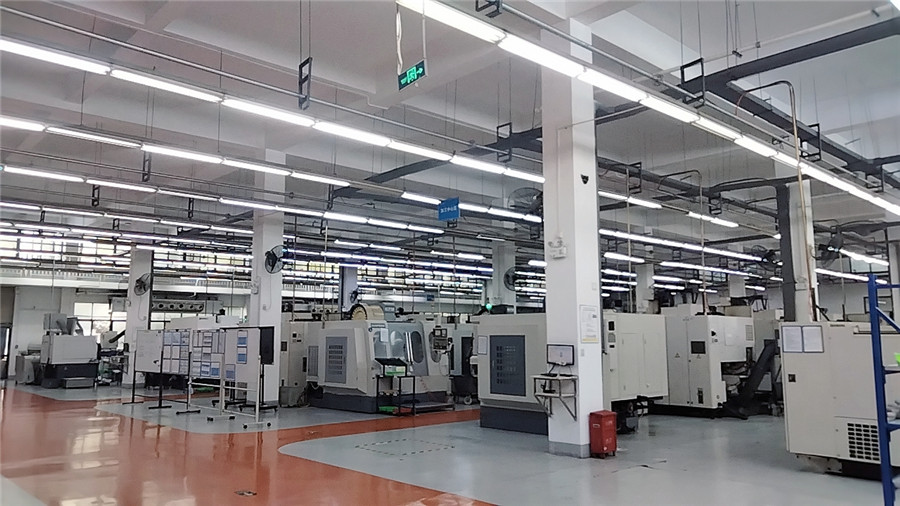
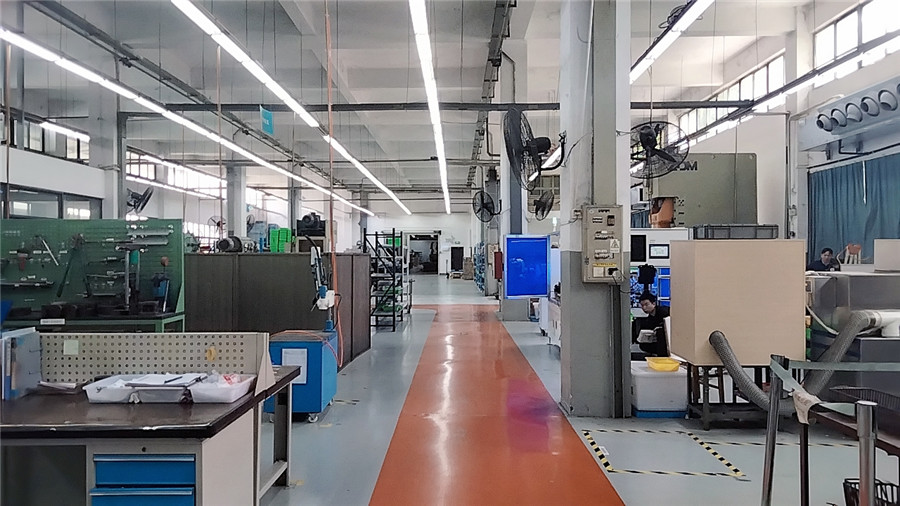
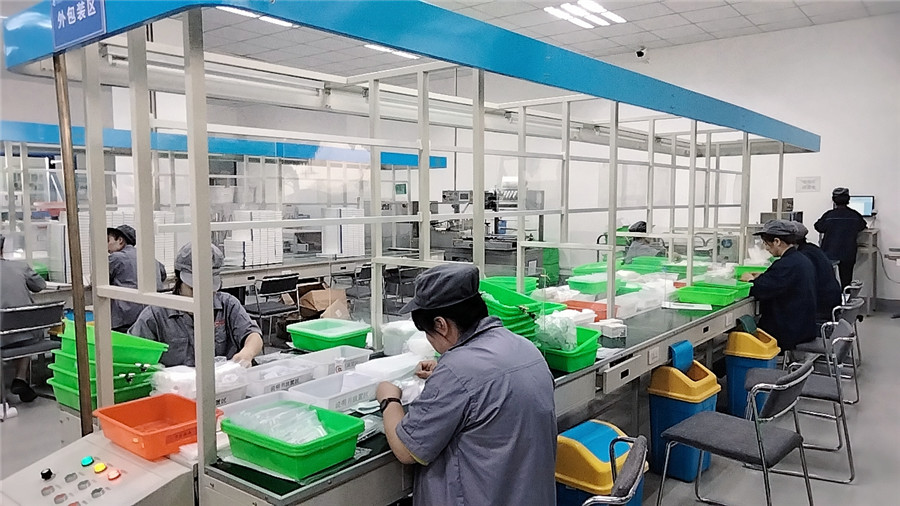
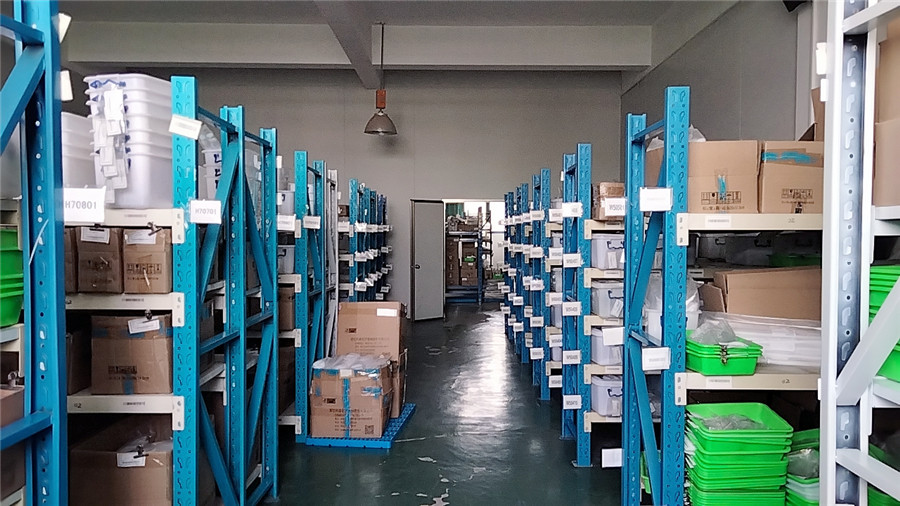
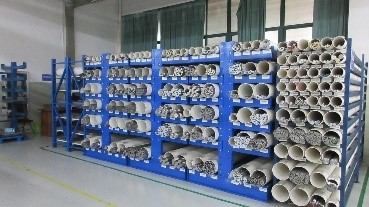
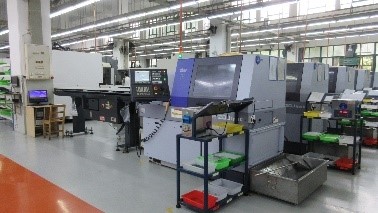
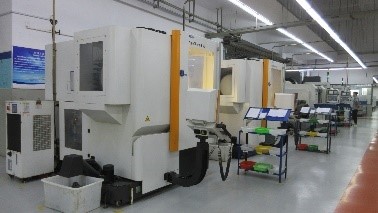
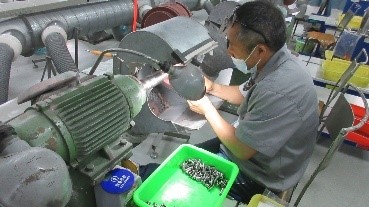
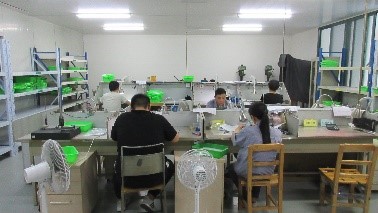
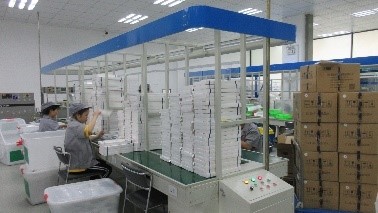
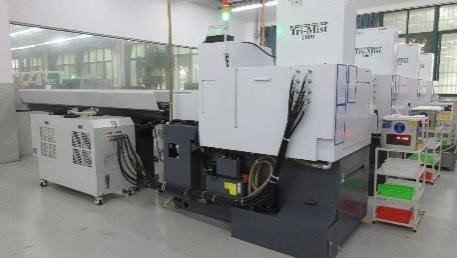
Utilizing high-precision CNC machining and automated production lines, leading factories ensure sub-micron tolerances. Quality Assurance Systems (ISO 13485, CE, MDR) are strictly implemented from material procurement to sterile packaging.
KaiSo has established a complete Quality Assurance System to continuously fulfil the requirements according to ISO9001, 13485, CE, ranging from material procurement to design development and automated production processes. With a registration date dating back to 2004, the company has spent over two decades perfecting the art of spinal fixation and neurosurgery power tools.
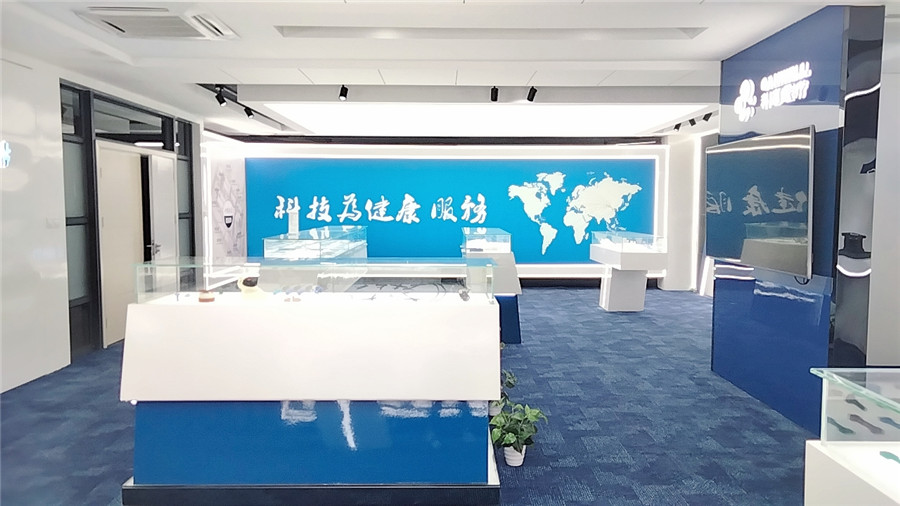
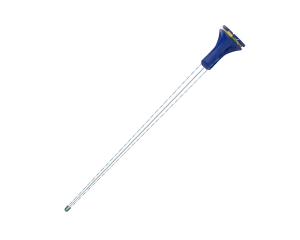
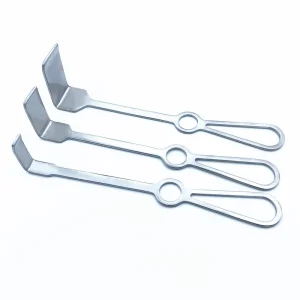
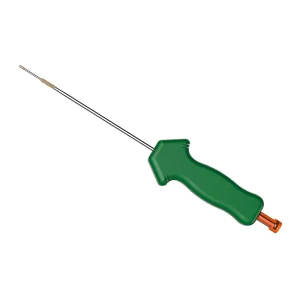
Our solutions span the entire spectrum of spinal care, from traumatic fracture fixation to degenerative disc disease management. By integrating power tools with high-precision implants, we provide surgeons with a seamless intraoperative experience.
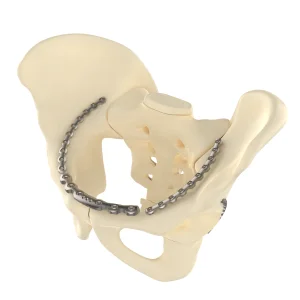
Including percutaneous pedicle screws and rods designed for MISS-TLIF procedures. These systems minimize the "dead space" and surgical footprint, allowing for faster healing.
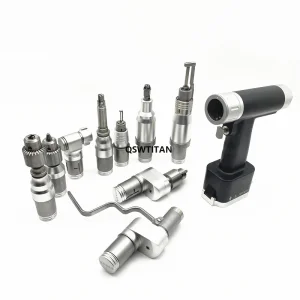
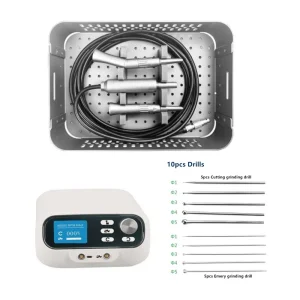
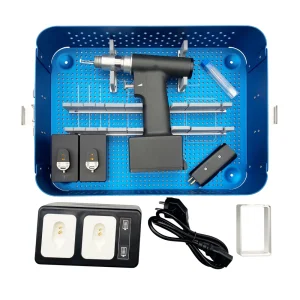
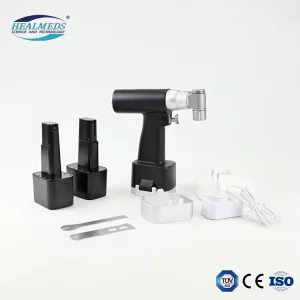
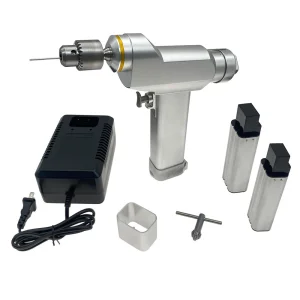
High-speed surgical burrs and micro-electric spine drills provide the torque and precision required for delicate laminectomies and cranial procedures.
Innovations like the "All-suture Anchor" and "Biocomposite Suture Anchor" represent the cutting edge of soft tissue repair in sports medicine.
1. Robotics Integration: Future MISS implants will be designed specifically for robotic-assisted navigation, ensuring 99.9% screw placement accuracy.
2. 3D-Printed Titanium Cages: Custom implants tailored to a patient's specific spinal anatomy are moving from concept to clinical reality, offering superior osteoconduction.
3. Smart Implants: Research into sensors embedded within spinal rods to monitor bone fusion and detect early-stage infection is underway.
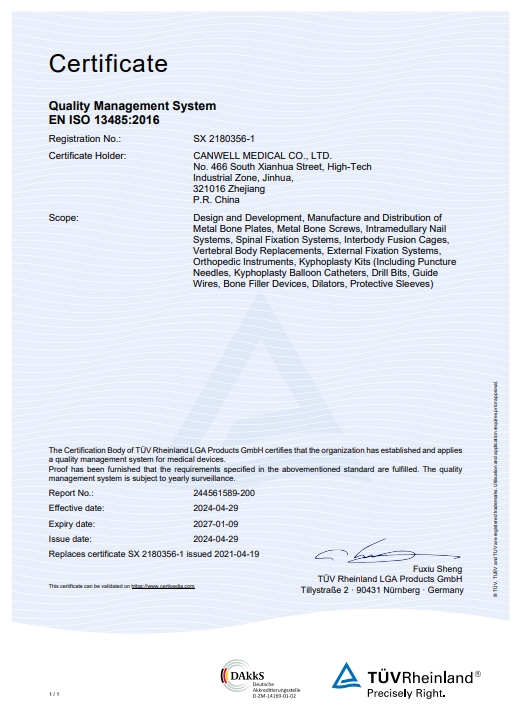
ISO13485
SX 2180356-1
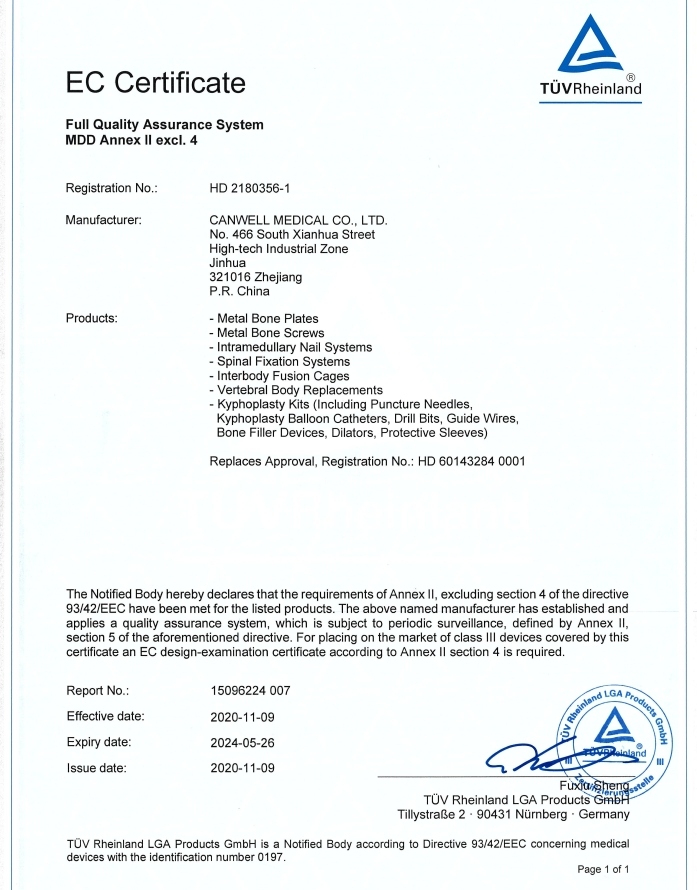
93/42/EEC
HD 2180356-1

CE 0123
6050582CE01

MDR Certified
6142788CE02
 KaiSo Medical