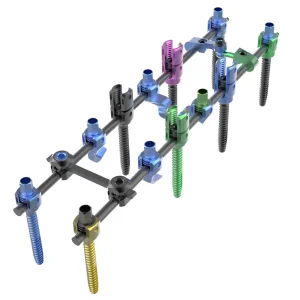
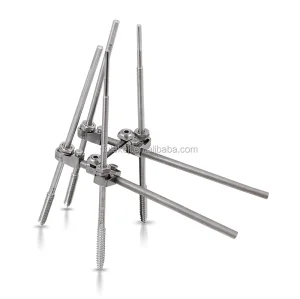
The global spinal surgery landscape is undergoing a paradigm shift, driven by an aging population, rising incidences of degenerative disc diseases, and technological advancements in surgical instrumentation. As a premier CE Certified Titanium Spinal Rods Manufacturer, we recognize that spinal stabilization is no longer just about rigid fixation; it is about "smart stabilization" that respects the biomechanical nuances of the human spine.
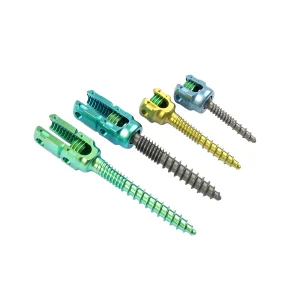
Titanium alloys, specifically Ti-6Al-4V ELI (Extra Low Interstitial), have emerged as the gold standard for spinal rods due to their exceptional strength-to-weight ratio, superior biocompatibility, and MRI compatibility. In the current industrial climate, global demand is shifting toward minimally invasive surgery (MIS) kits, where rods must interface seamlessly with polyaxial pedicle screws to reduce operative time and trauma.
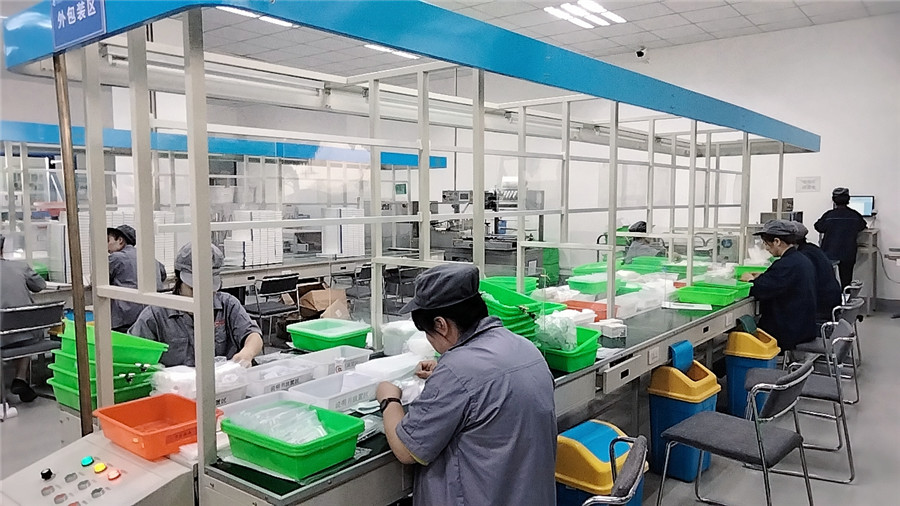
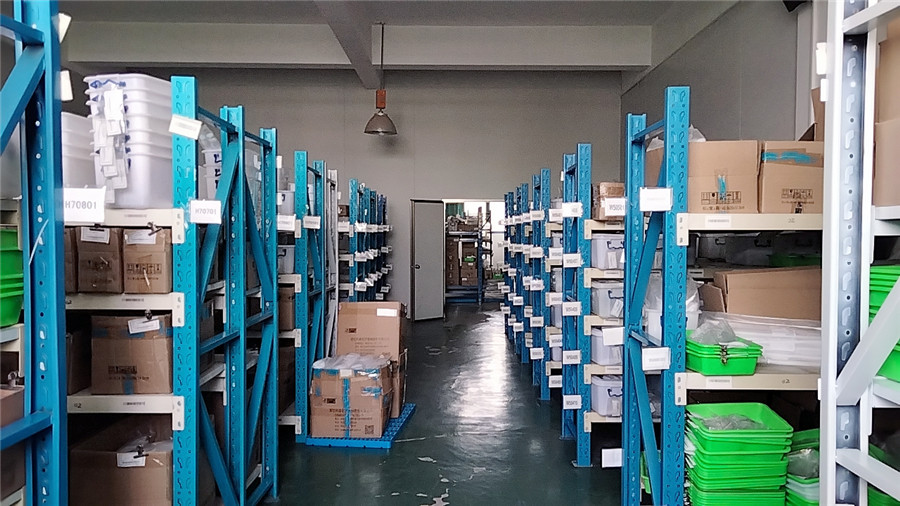
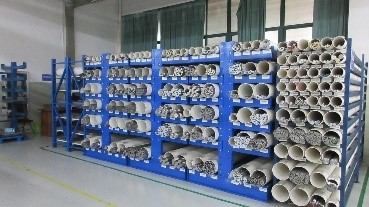
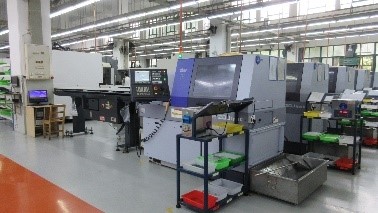
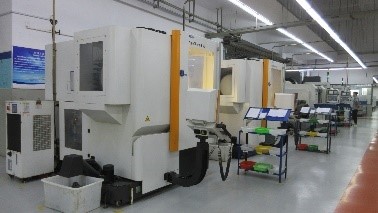
KaiSo has established a complete Quality Assurance System to continuously fulfill the requirements according to ISO9001, 13485, and CE. Our process spans from raw material procurement—utilizing only medical-grade titanium with full traceability—to automated production lines that ensure micron-level precision for every spinal rod and screw.
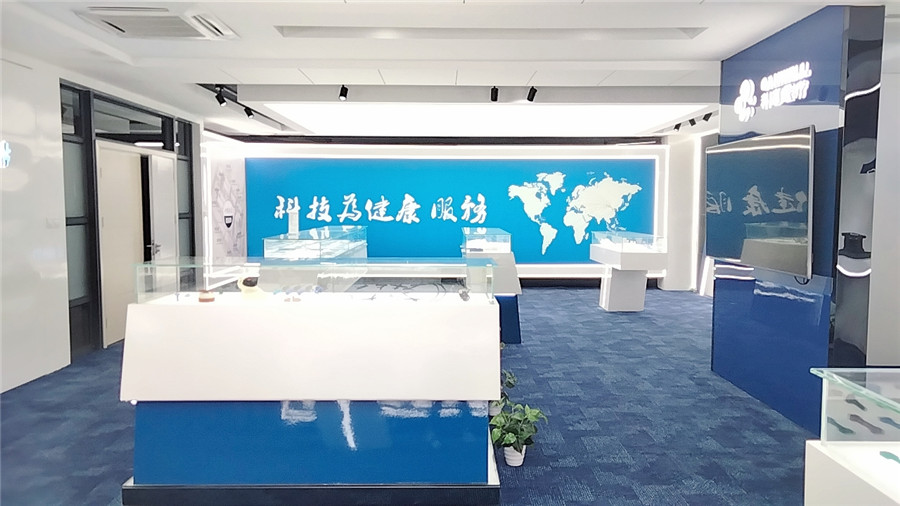
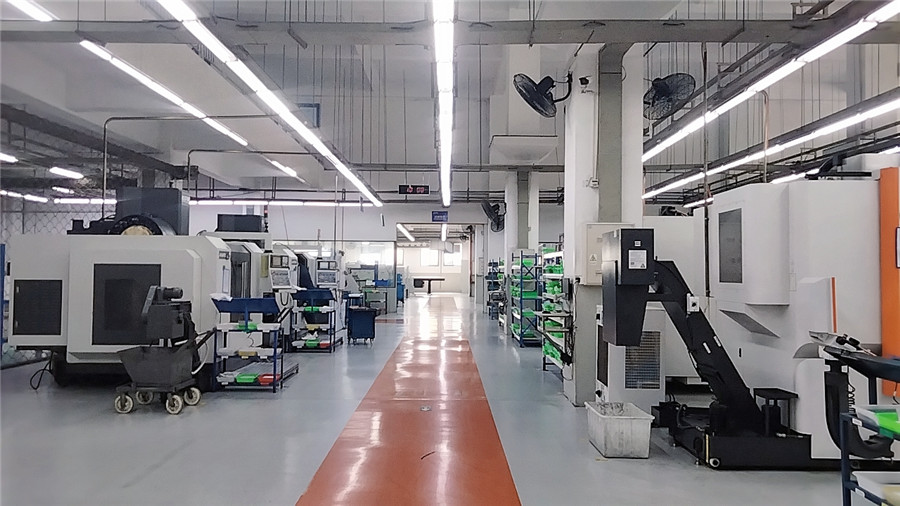
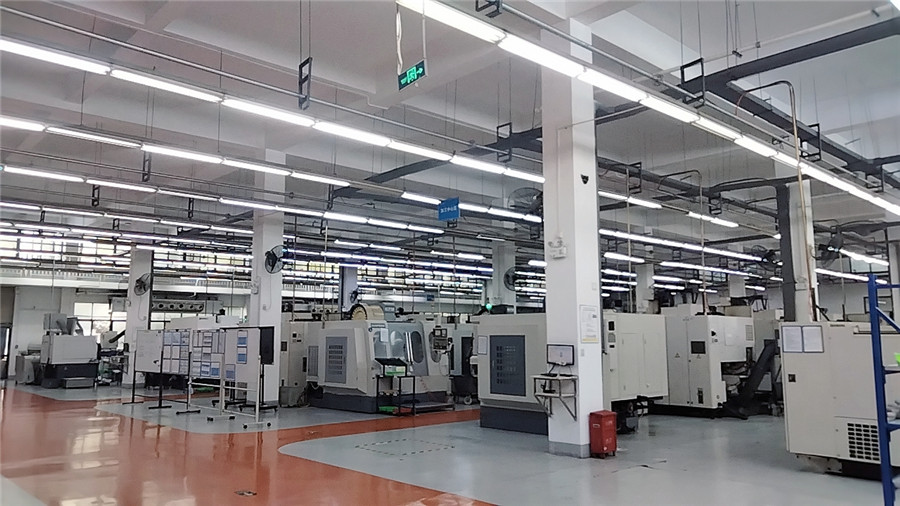
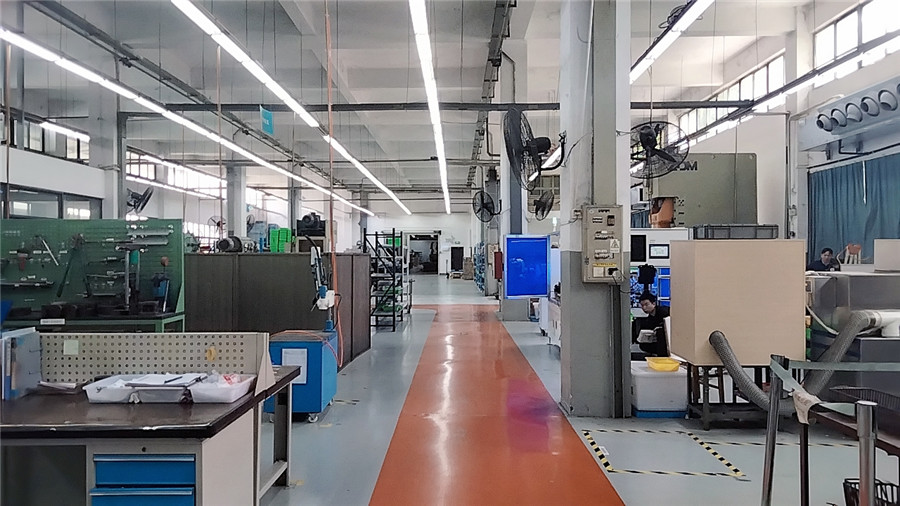
Our facility houses 69 dedicated QA/QC inspectors, conducting 100% inspection on critical production lines. This rigorous oversight ensures that every implant used in a hospital—whether in South America (30%), Southeast Asia (20%), or Western Europe (20%)—meets the same uncompromising standards of reliability.
We utilize Grade 23 Titanium (Ti-6Al-4V ELI), which offers higher ductility and toughness than standard Grade 5, essential for rods that require contouring during surgery without compromising fatigue strength.
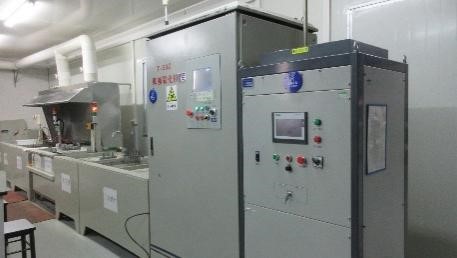
Advanced anodization processes create a protective oxide layer that enhances corrosion resistance and minimizes ion release, ensuring long-term bio-stability within the harsh environment of the human body.
Our 5.5mm and 6.0mm rod systems are engineered with a specific modulus of elasticity that balances the need for rigid stabilization with the requirement to prevent "stress shielding" of the adjacent bone.
Navigating the complex regulatory landscape is a core competency of KaiSo. With the transition from the Medical Device Directive (MDD) to the Medical Device Regulation (MDR) in the EU, we have proactively aligned our technical documentation and clinical evaluation reports (CER) to ensure uninterrupted supply to our European partners.
MDR (6142788CE02), ISO13485 (SX 2180356-1), and 93/42/EEC compliance ensures our products are ready for immediate clinical use in major global markets.
With 22 years of exporting experience, we offer "light customization" and "customized on-demand" services, adapting to local surgical preferences in different regions.
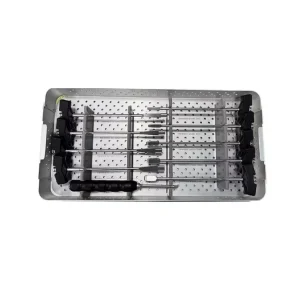
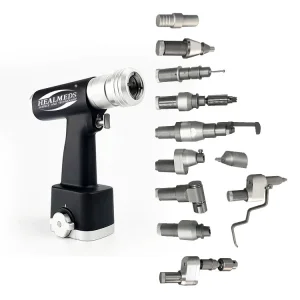
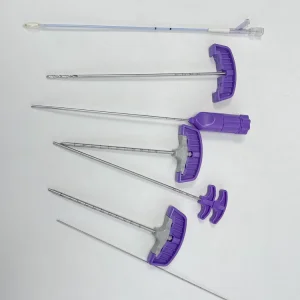
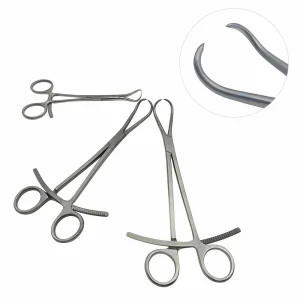
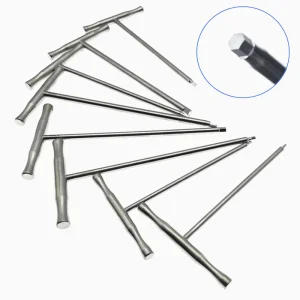
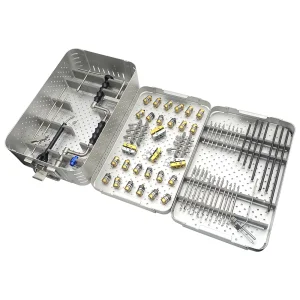
Beyond the implant, we provide comprehensive instrument sets and technical support for surgeons to master the application of our MIS and posterior fixation systems.
The future of spinal rod technology lies in the integration of sensor technology and advanced manufacturing techniques. KaiSo is currently exploring 3D-printed porous titanium structures that promote faster osseointegration, potentially reducing the reliance on long-rod fixation in specific lumbar cases. Our R&D roadmap includes the development of antimicrobial coatings to further lower the incidence of surgical site infections (SSI).
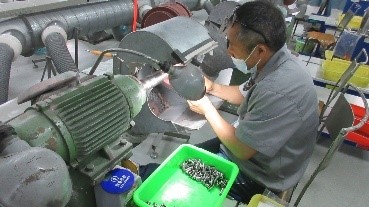
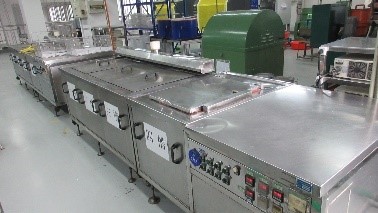
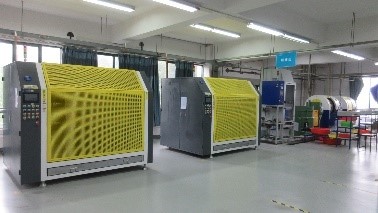
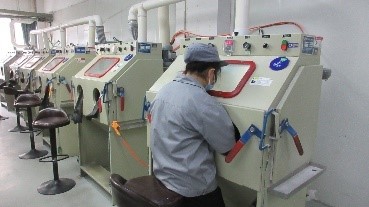
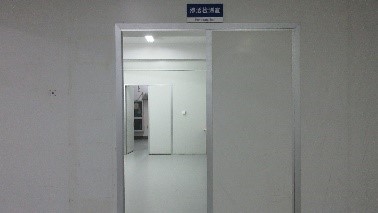
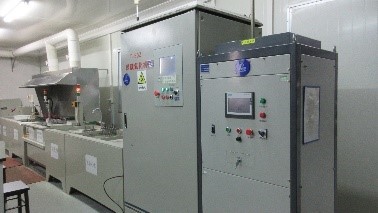
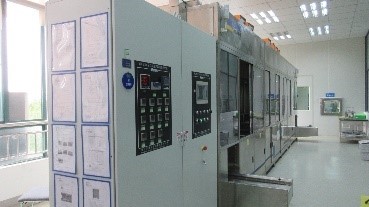
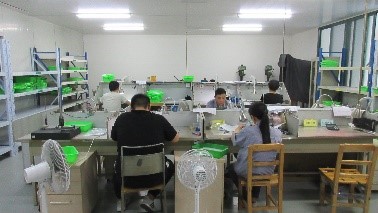
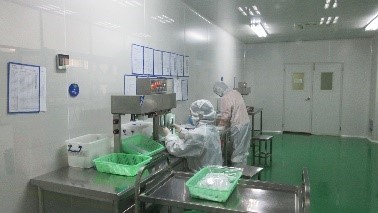
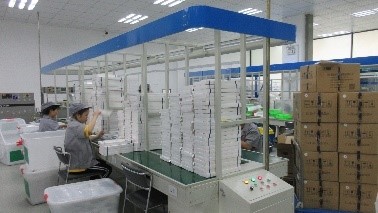
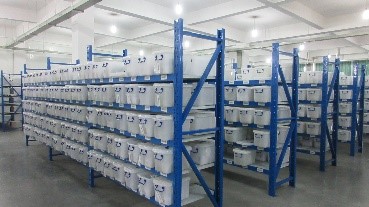
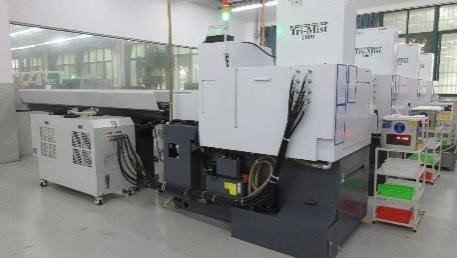
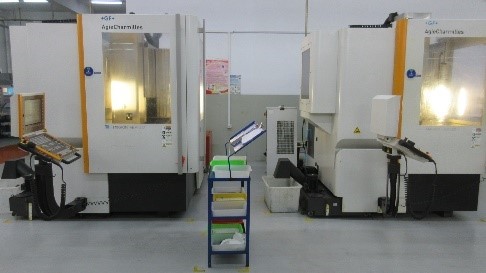
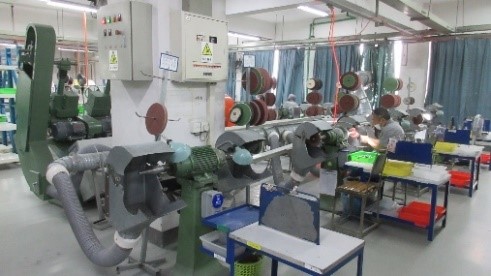
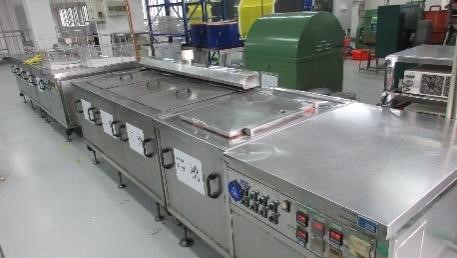
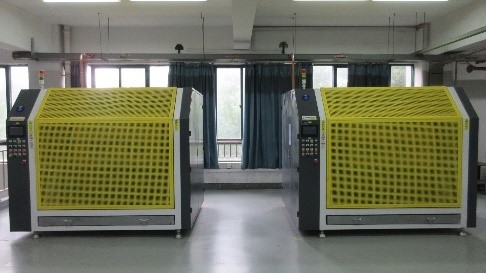
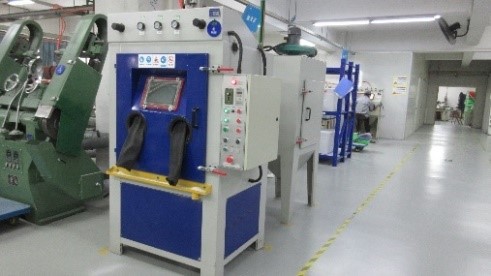
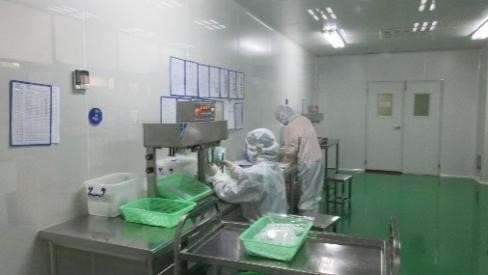
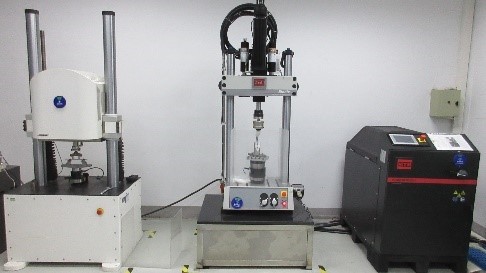
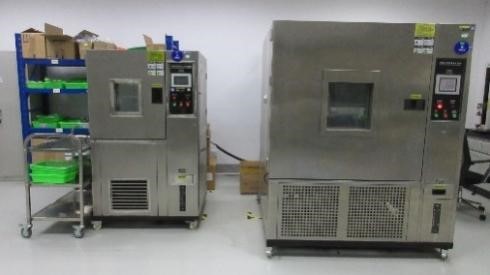
Our commitment to Information Gain in the orthopedic sector is evidenced by our investment in automated precision. The following images showcase our manufacturing environment, where 22 years of industry wisdom meet modern robotics.
 KaiSo Medical