The integration of hydroxyapatite (HA) and antimicrobial silver coatings on PFNA nails is revolutionizing osseointegration, specifically reducing implant-related infections in geriatric patients.
Next-gen PFNA systems are now compatible with electromagnetic navigation and robotic surgery, ensuring 99.9% accuracy in distal locking and helical blade placement.
Shift from traditional Stainless Steel to Ultra-High-Strength Titanium alloys (Ti6Al4V ELI) providing a balance between high fatigue strength and lower modulus for better stress distribution.
Modern PFNA designs prioritize smaller entry points and anatomical curvature (e.g., 1.5m radius) to preserve soft tissue and expedite postoperative recovery.
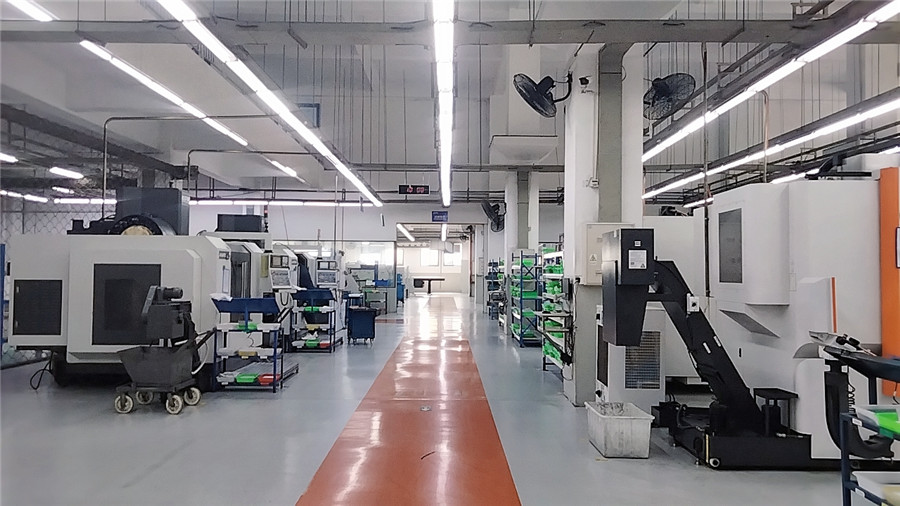
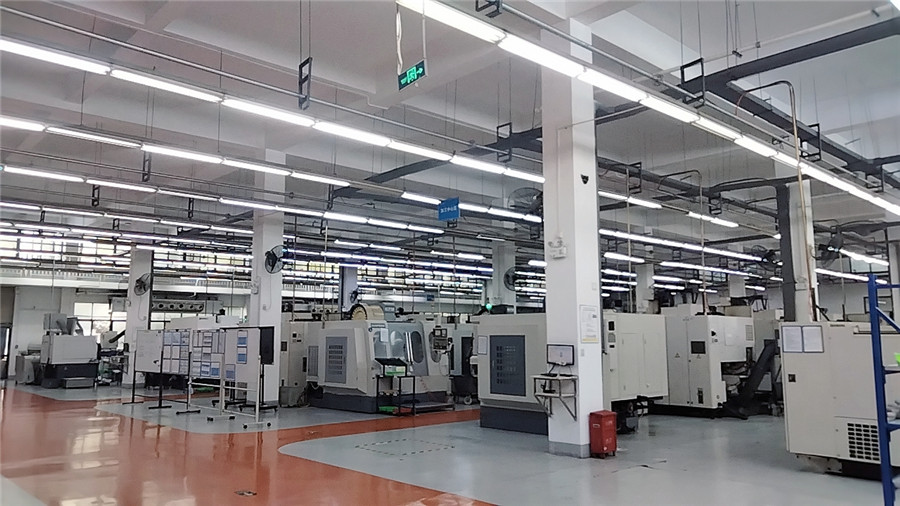
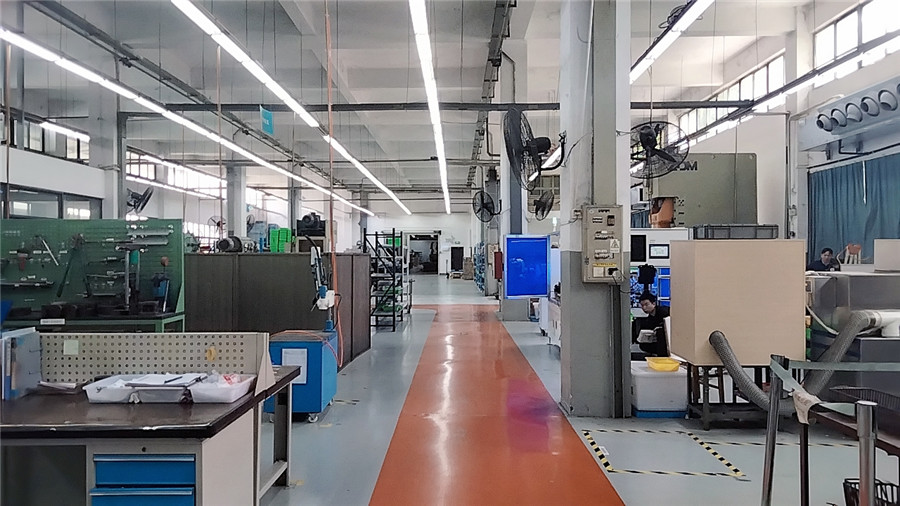
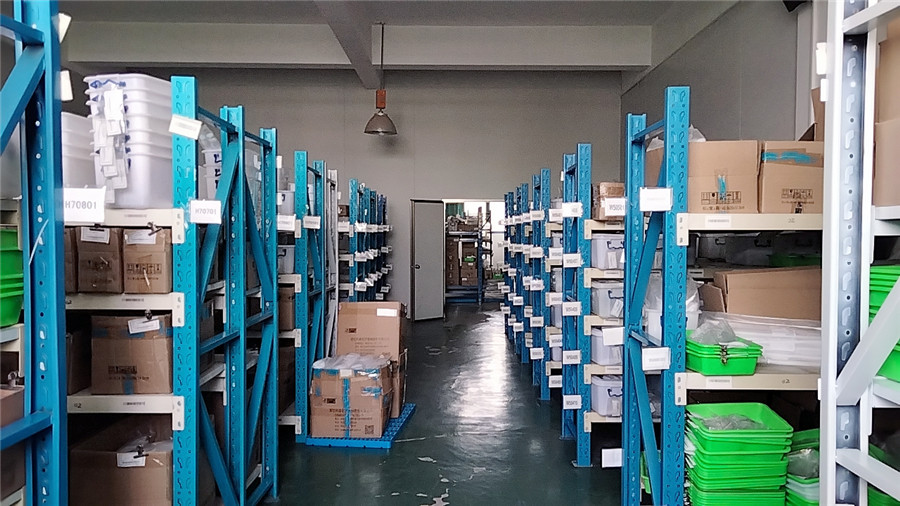
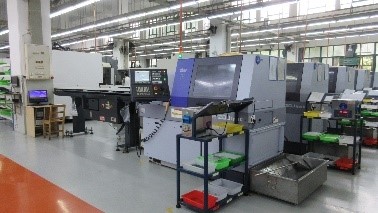
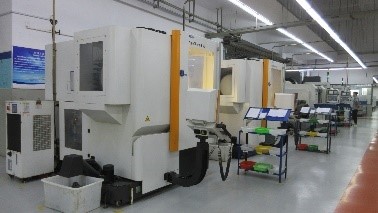
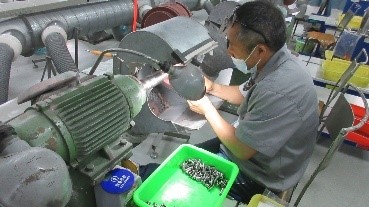
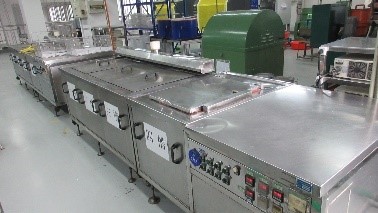
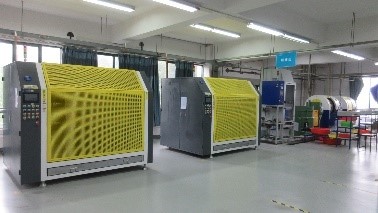
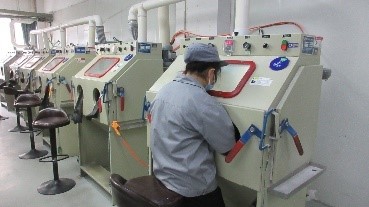
As a premier PFNA Intramedullary Nails manufacturer, our facility embodies the principles of "Smart Manufacturing." We bridge the gap between high-volume production and surgical precision.
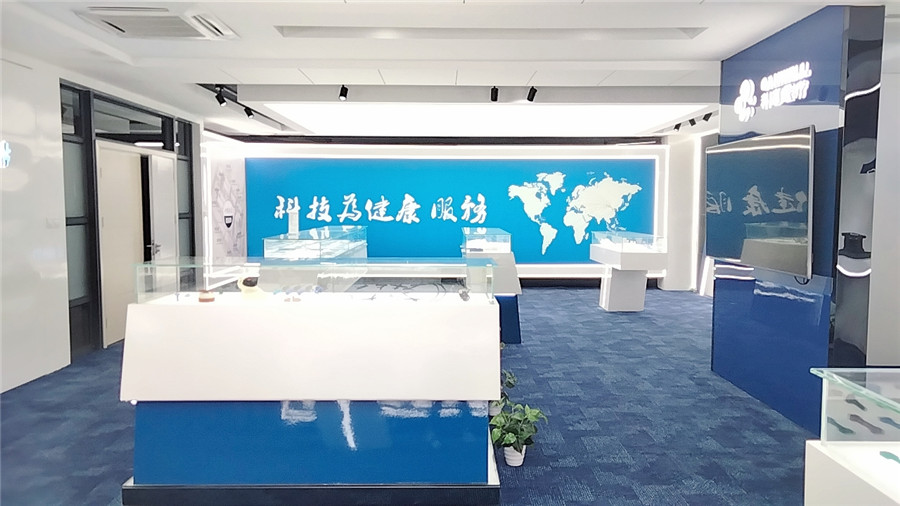
The demand for Proximal Femoral Nail Antirotation (PFNA) systems is skyrocketing globally due to the "silver tsunami"—an aging population prone to trochanteric fractures. Hospitals and distributors in South America (30% market share), Southeast Asia (20%), and Western Europe (20%) are increasingly looking for suppliers who offer more than just a product; they need Information Gain and clinical evidence.
Strategic procurement today focuses on total cost of ownership. While the initial price is a factor, the reliability of the helical blade—which prevents "cut-out" in osteoporotic bone—significantly reduces secondary surgery costs, making high-quality Chinese manufacturing the preferred choice for value-based healthcare systems.
In urban trauma centers, PFNA is the gold standard. Its unique biomechanical design allows for immediate weight-bearing, crucial for preventing pneumonia and DVT in elderly patients.
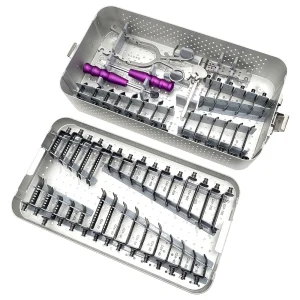
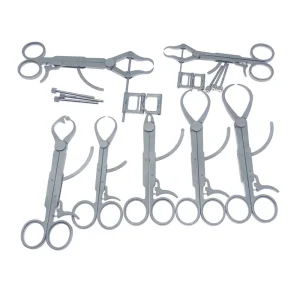
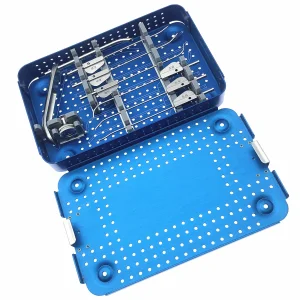
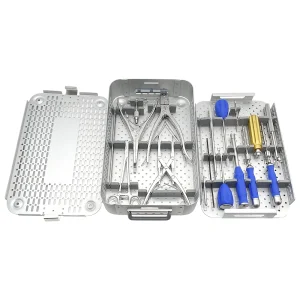
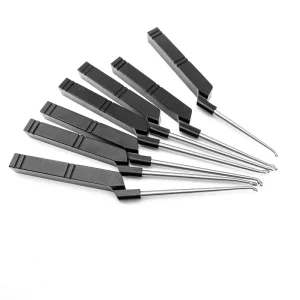
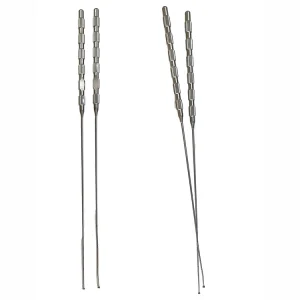
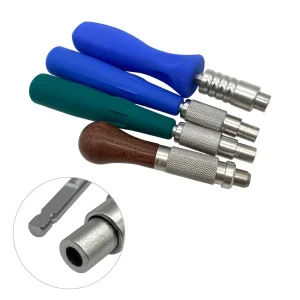
The streamlined instrument sets associated with our PFNA systems are optimized for rapid deployment in field hospitals, where efficiency and simplicity are paramount.
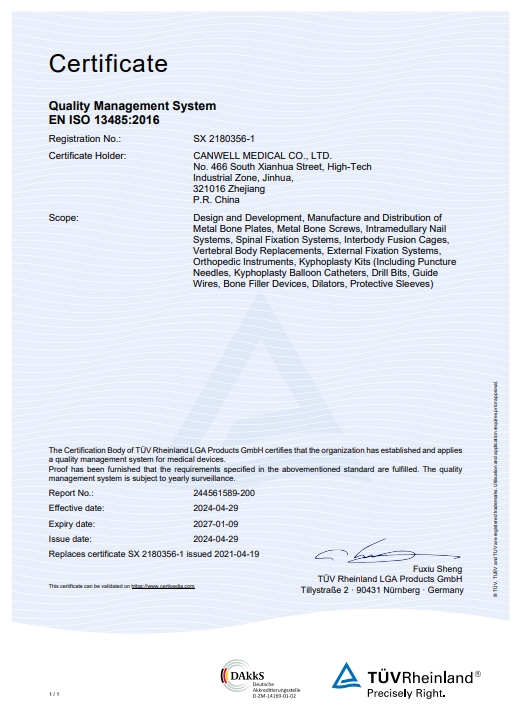
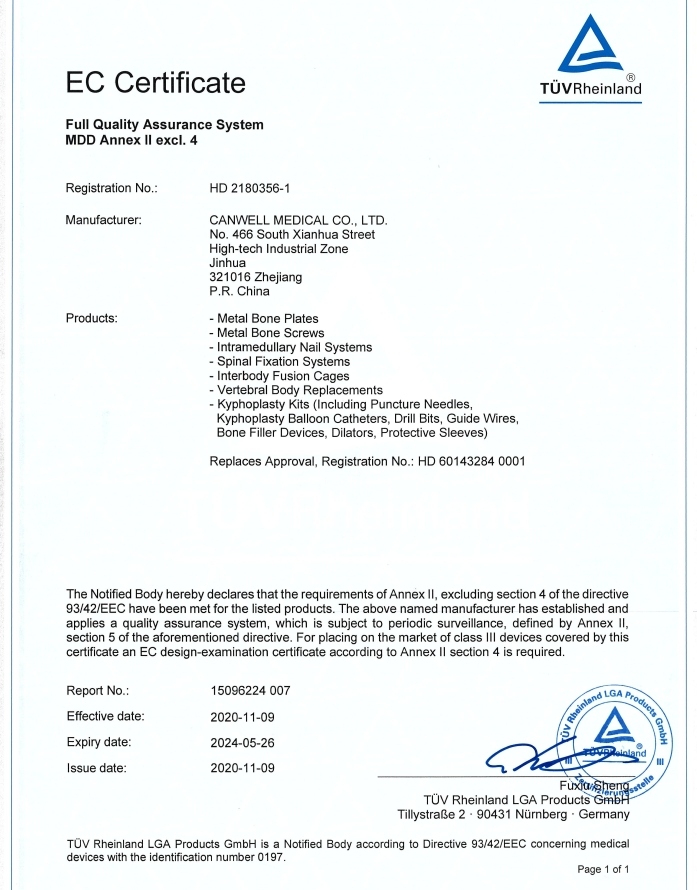
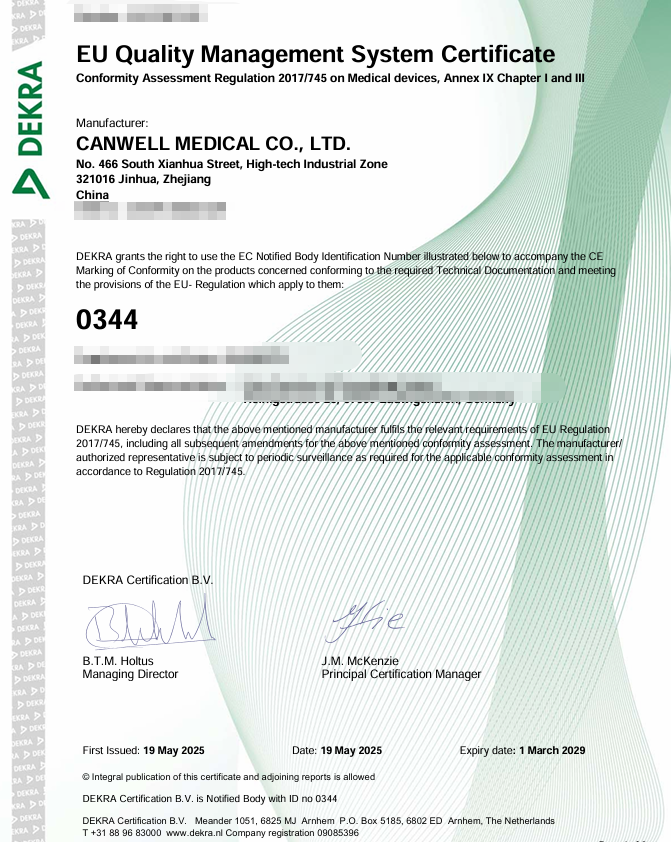
KaiSo has established a complete Quality Assurance System to continuously fulfil the requirements according to ISO9001, 13485, CE, ranging from material procurement to design development and automated production processes.
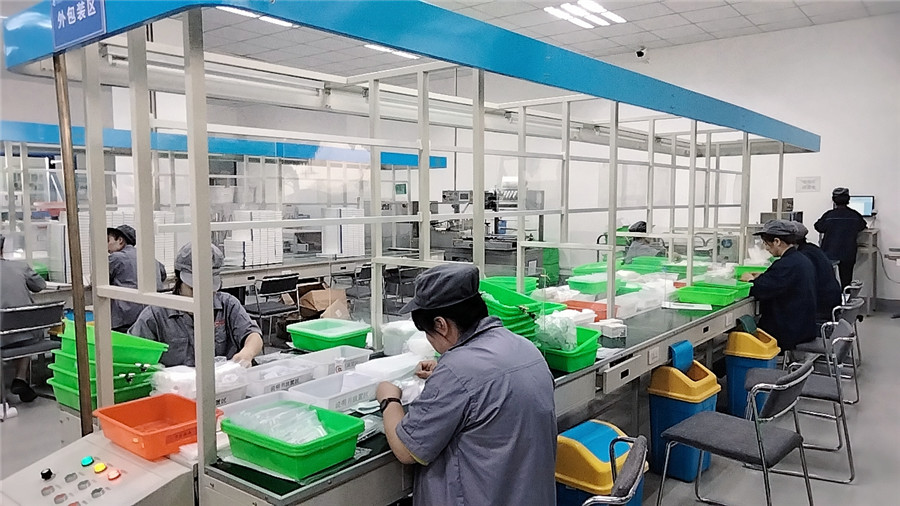
| Company Established | 2004-11-03 (20+ Years Excellence) |
|---|---|
| Floor Space | 29,523 ㎡ State-of-the-Art Manufacturing |
| Annual Export Experience | 22 Years Global Trade Footprint |
| Certifications | ISO13485, CE (93/42/EEC), MDR Certified |
| QC Method | 100% Inspection of all products + Random Sampling |
| R&D Education | 59 Graduate-level Biomedical Engineers |
| Main Markets | South America (30%), Europe (20%), SE Asia (20%) |
The PFNA (Proximal Femoral Nail Antirotation) utilizes a helical blade rather than a lag screw. This blade compacts the bone rather than removing it, providing significantly better grip and rotational stability in osteoporotic bone, reducing the risk of "cut-out."
We adhere to ISO 13485 and MDR standards. Each batch undergoes rigorous fatigue testing and metallurgical analysis. Our "Factory 4.0" automation ensures that every nail has perfect anatomical curvature and smooth surface finishing to minimize soft tissue irritation.
Yes, with our 59 R&D engineers, we offer "graphic processing" and "customized on demand" services. Whether you need specific lengths, diameters, or specialized instrument kits, our China-based facility is equipped for agile production.
Thanks to our integrated supply chain and massive 29,523㎡ floor space, standard orders are typically fulfilled within 2-4 weeks. We also maintain safety stock for common sizes to support emergency procurement.
Our PFNA nails are designed with standard targeting geometry compatible with most electromagnetic and optical surgical navigation systems used in modern trauma centers.
In the realm of proximal femoral fractures, the "Cut-out" phenomenon is the most feared complication. Our PFNA helical blade is engineered to achieve optimal bone compaction. When the blade is inserted, it doesn't drill through the cancellous bone; it compresses it. This increases the bone-to-implant surface area, which is vital for patients with low bone mineral density.
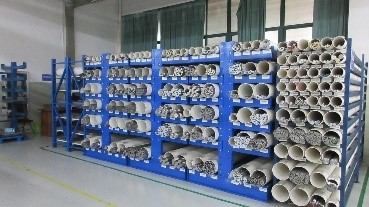
Post-pandemic, the medical device industry has shifted from "Just-in-Time" to "Just-in-Case" procurement. As a leading manufacturer, we provide a buffer against global logistics volatility. By controlling the entire manufacturing process—from raw Titanium ingots to the final sterile-ready package—we ensure our partners never face stock-outs. Our 22 years of export experience means we understand the complex regulatory hurdles of COFEPRIS, ANVISA, and EUMDR.
 KaiSo Medical