Engineered for clinical precision, biomechanical load bearing, and long-term biocompatibility in spinal reconstructive surgeries.
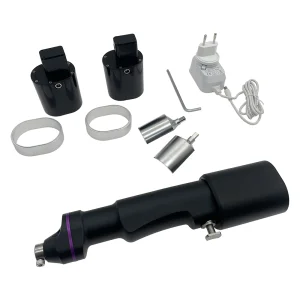
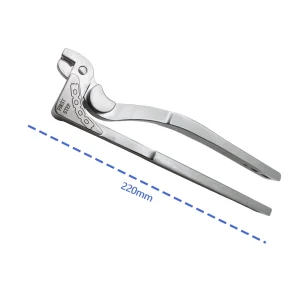
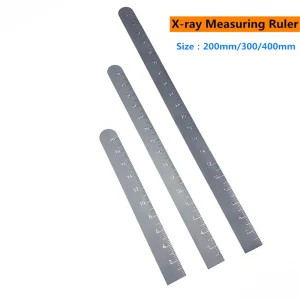
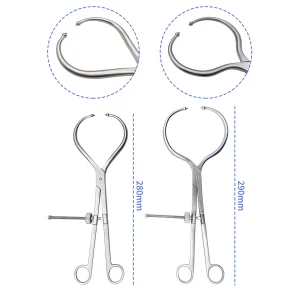
An in-depth analysis of technological dynamics, demographic shifts, and advanced clinical requirements driving the spinal implant sector.
The global orthopedics sector is witnessing a rapid structural transition from traditional open posterior arthrodesis to Minimally Invasive Spine Surgery (MISS). This clinical evolution is designed to reduce intraoperative blood loss, limit paraspinal muscle denervation, and dramatically decrease patient recovery times.
Consequently, the demand for cannulated pedicle screws, percutaneous rod insertion systems, and advanced retractors has surged. Leading global hospitals look for thoracolumbar systems that integrate seamlessly with intraoperative navigation and robotic guidance systems, ensuring sub-millimeter trajectory accuracy.
Material science is a key determinant of clinical longevity in spinal fusion. While Grade 5 Titanium Alloys (Ti-6Al-4V ELI) remain the benchmark for primary load-bearing spinal implants due to high tensile strength and fatigue resistance, PEEK (Polyetheretherketone) remains crucial for interbody fusion cages due to its bone-like elastic modulus, which mitigates stress-shielding effects.
The current industry trend highlights the adoption of surface-modified implants. Technologies such as plasma-sprayed hydroxyapatite (HA) coatings and acid-etched micro-textures on titanium are utilized to promote direct osseointegration and accelerate spinal fusion.
How modern Chinese medical manufacturing combines high technology, strict compliance, and cost efficiency to support global healthcare brands.
Our production floor employs multi-axis Swiss-type CNC lathe machines capable of machining complex pedicle screw thread profiles with tolerances down to ±0.005mm. This high precision is vital for the mechanical integrity of polyaxial screw joints, ensuring stable locking mechanisms and preventing thread galling during operation.
Surgical implants require strict control over bioburden and particulate contamination. KaiSo operates ISO Class 7 (Class 10,000) and Class 8 (Class 100,000) cleanrooms for the final washing, inspection, and packaging of orthopedic implants, ensuring compliance with strict European MDR requirements.
From raw Grade 5 Titanium bar stock to the sterilized blister pack on the hospital shelf, every implant is marked with a unique UDI (Unique Device Identification) code. We offer complete raw material heat traceability, chemical composition testing reports, and mechanical validation sheets.
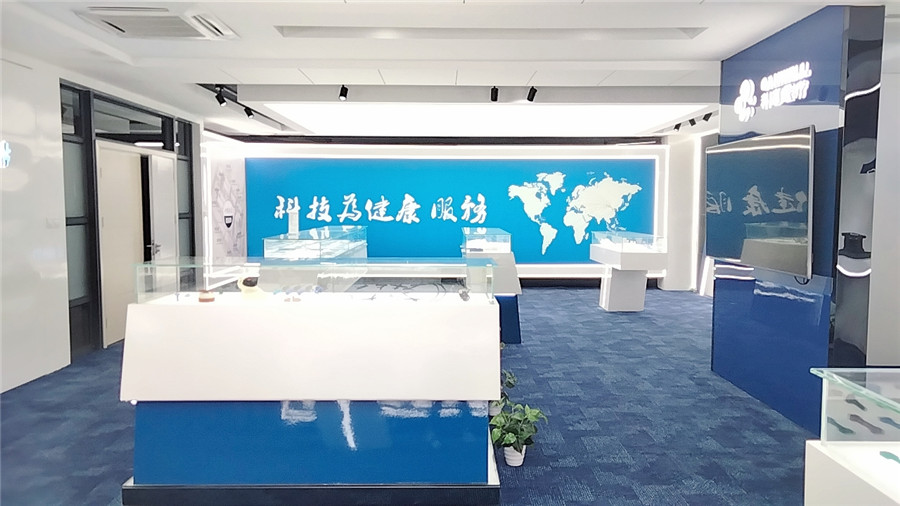
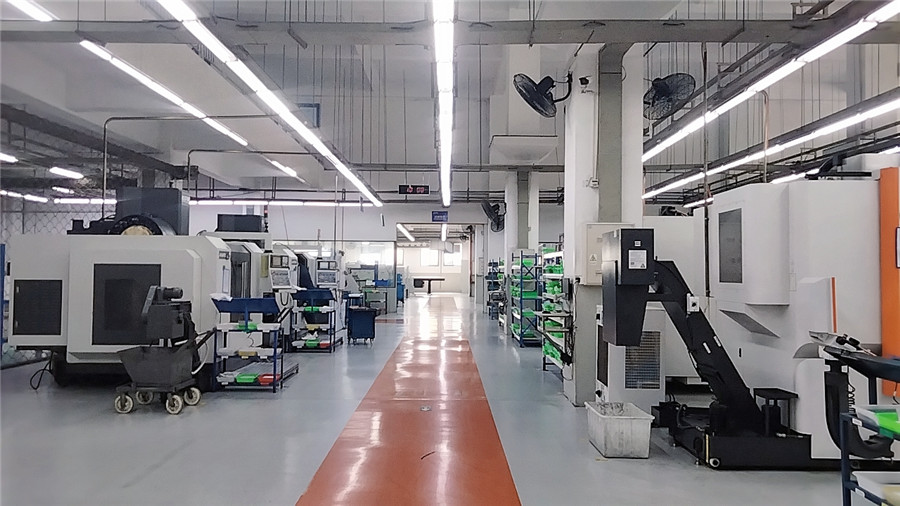
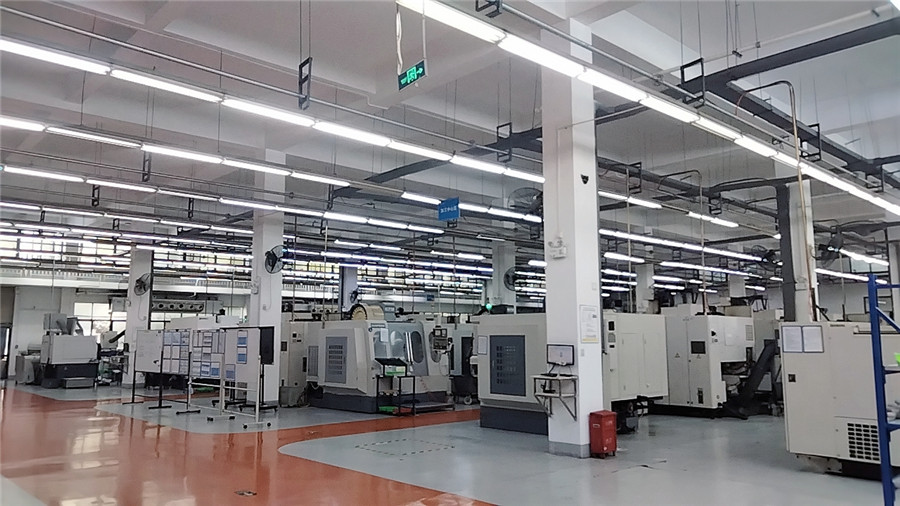
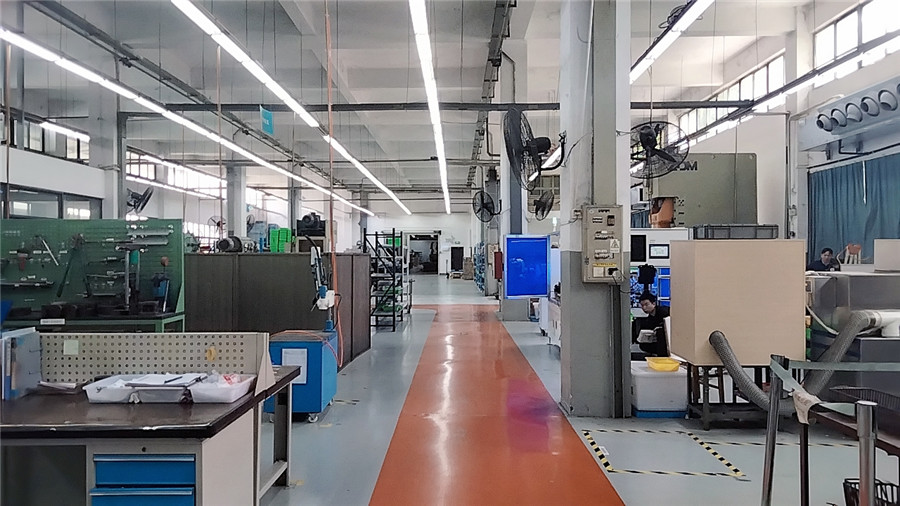
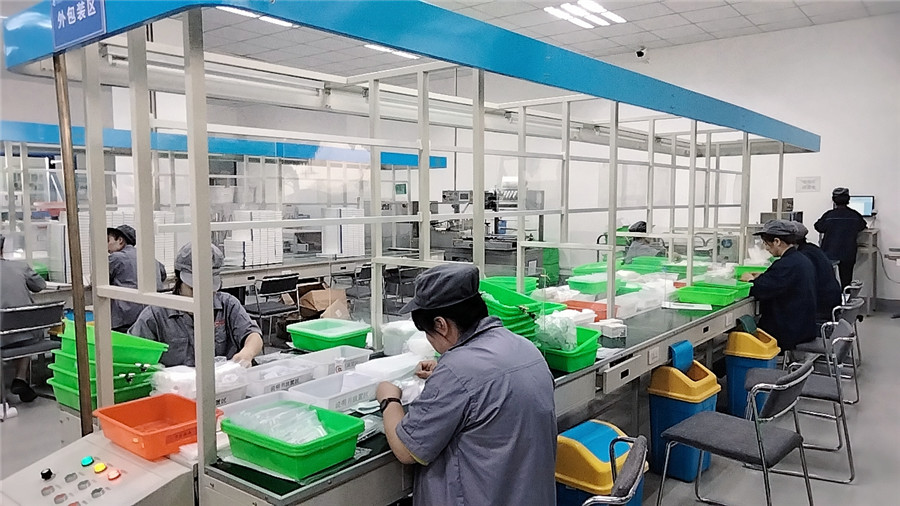
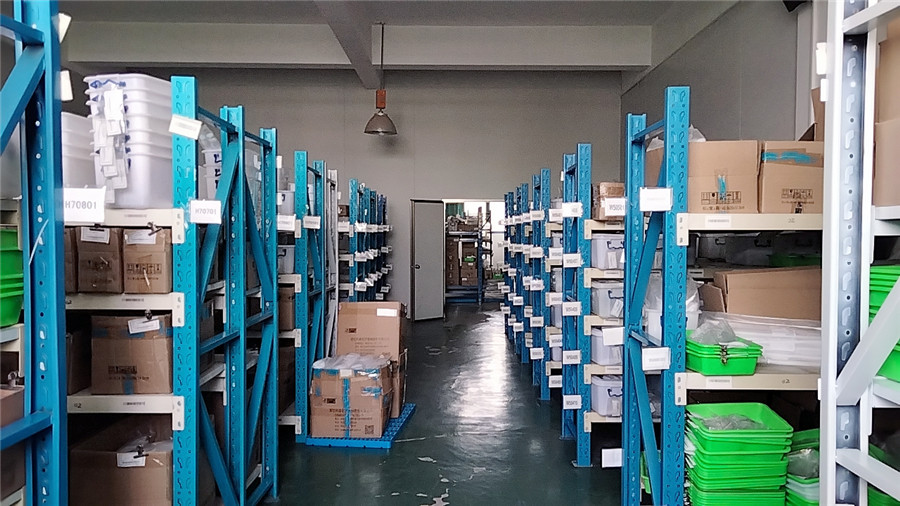
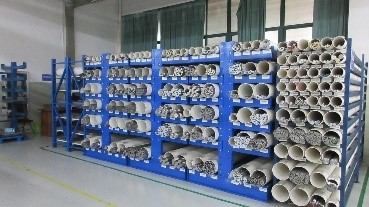
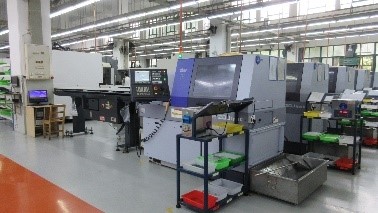
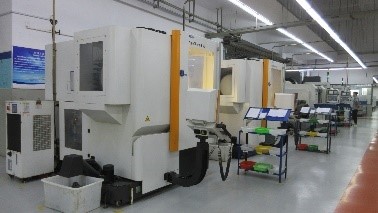
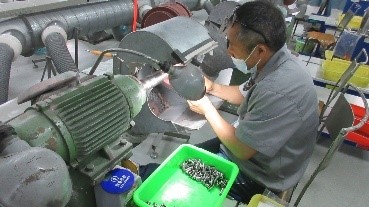
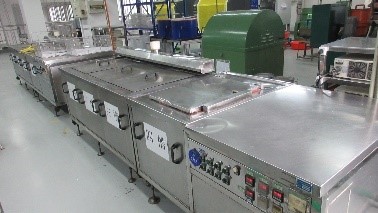
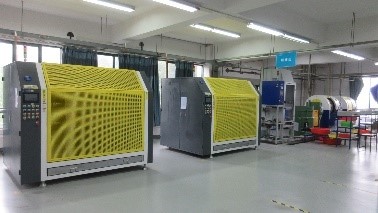
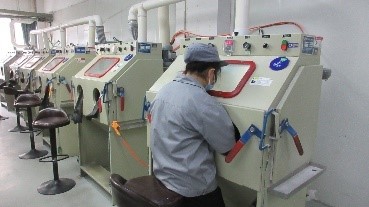
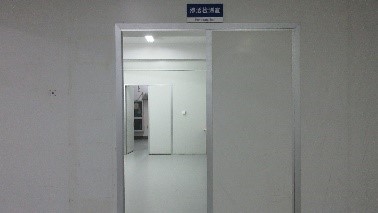
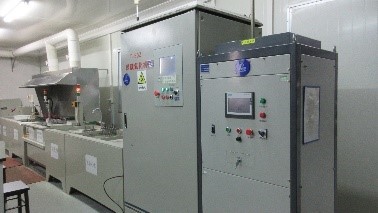
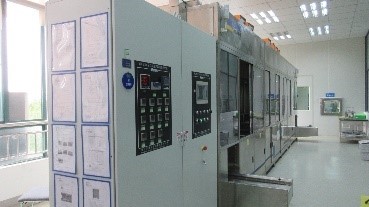
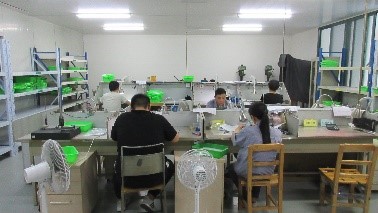
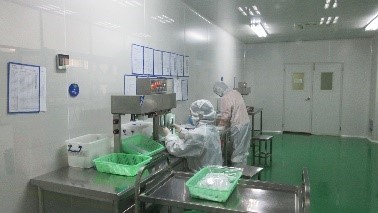
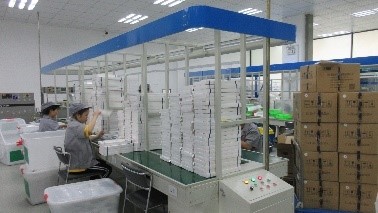
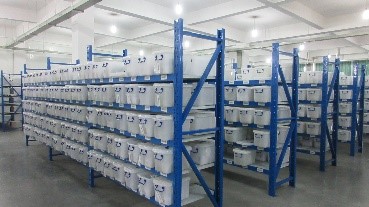
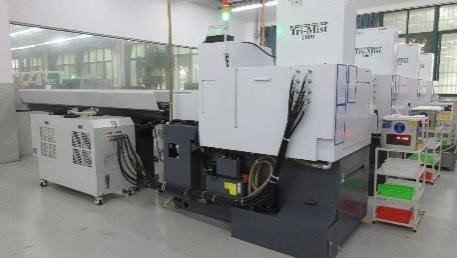
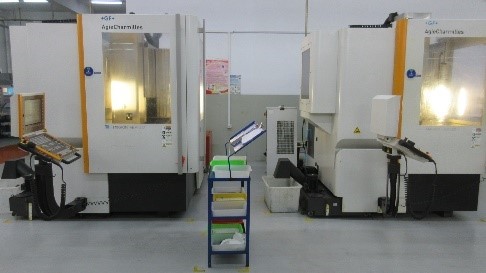
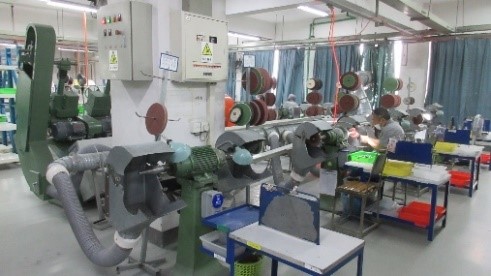
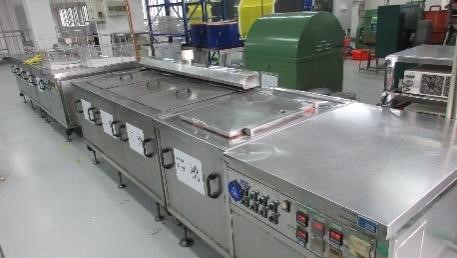
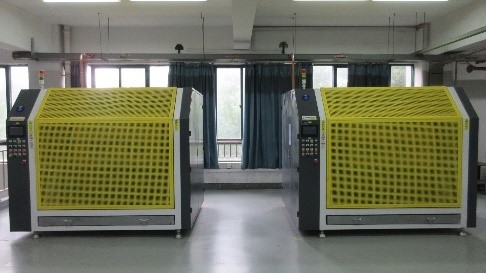
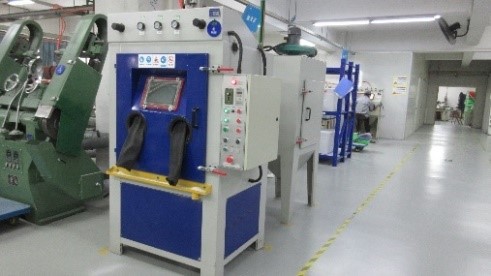
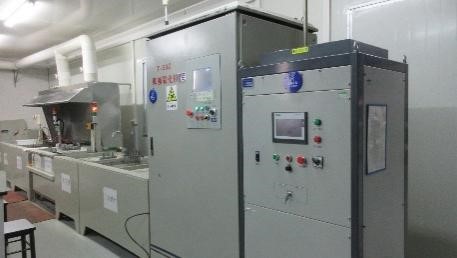
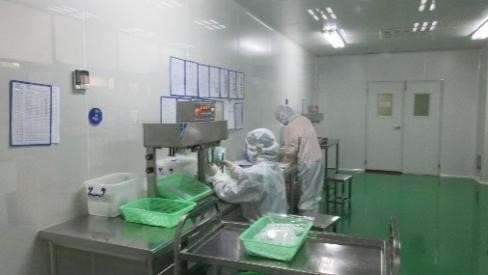
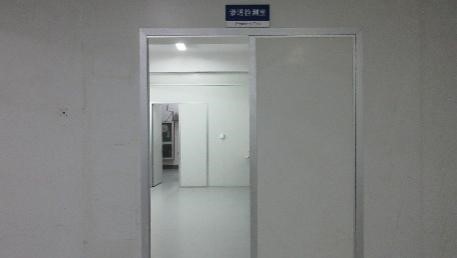
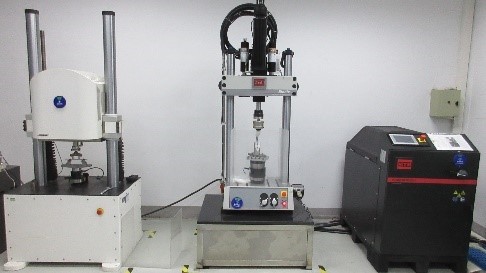
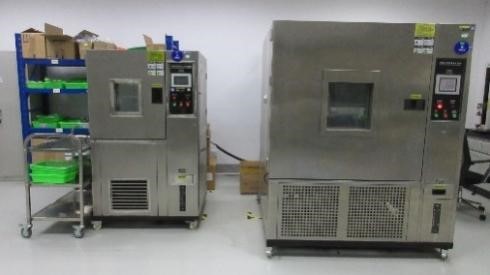
KaiSo maintains a comprehensive Quality Assurance System to continuously fulfill requirements from procurement to design, development, and automated manufacturing.
Established in 2004, KaiSo has dedicated over two decades to the manufacturing and export of high-caliber orthopedic solutions. Serving primary medical brands, hospital procurement teams, engineering partners, and international distributors, our systems meet the mechanical and biological standards required by critical surgical units globally.
Our spinal and orthopedic hardware is verified by international auditing agencies, ensuring access to key regulated healthcare markets.
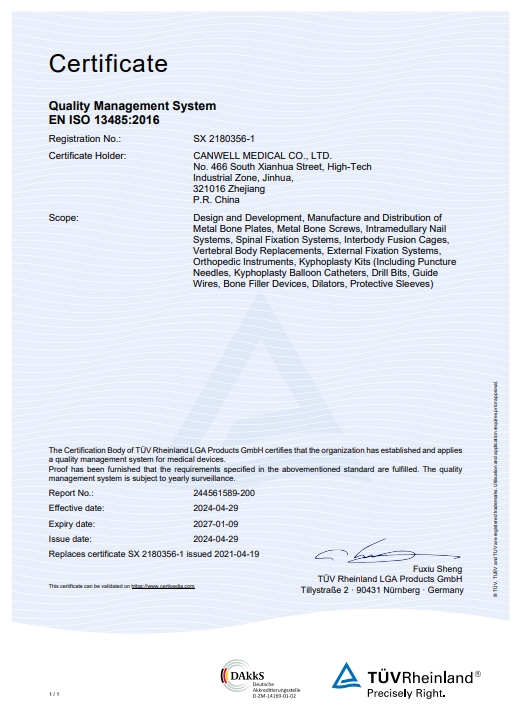
 ISO13485
SX 2180356-1
ISO13485
SX 2180356-1
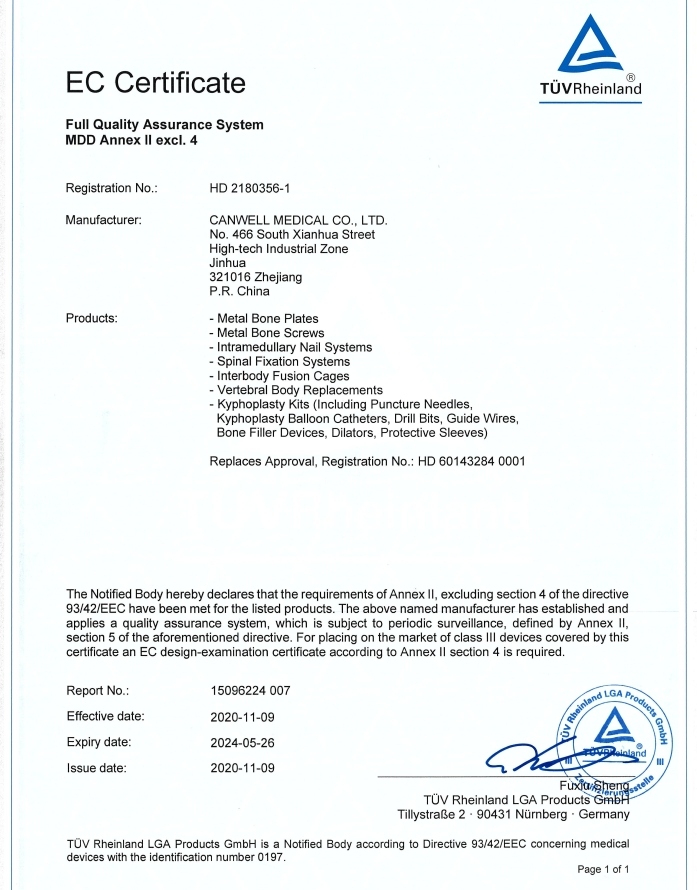
 93/42/EEC
HD 2180356-1
93/42/EEC
HD 2180356-1
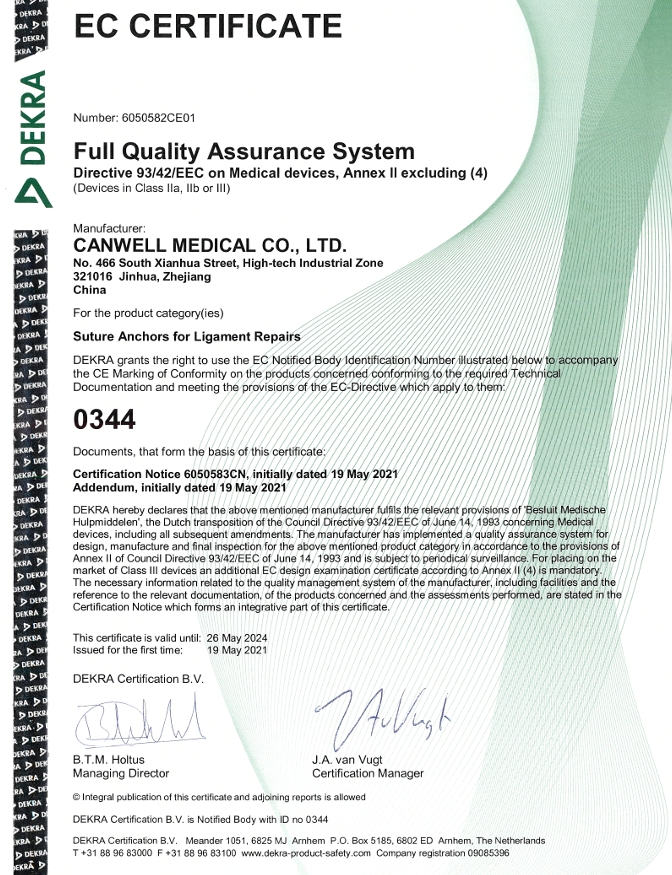 93/42/EEC
6050582CE01
93/42/EEC
6050582CE01
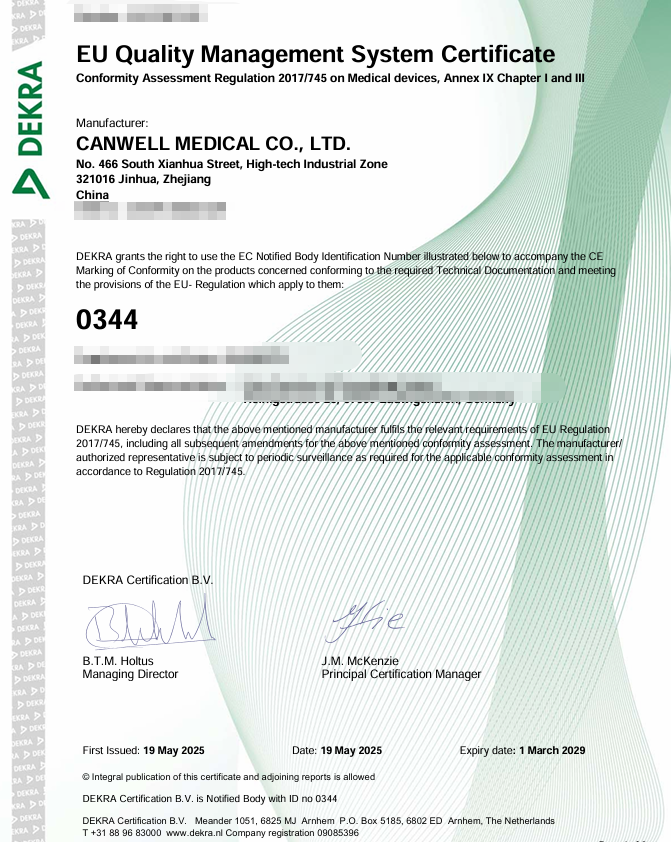
 MDR Compliant
6142788CE02
MDR Compliant
6142788CE02
A technical overview of the engineering protocols followed by our spinal implants to ensure structural integrity and mechanical safety.
Our thoracolumbar systems undergo static and dynamic testing in accordance with ASTM F1717 standards. These tests simulate high-load conditions using coralline or polymer test blocks to verify the system's fatigue limit, compression bending strength, and torsion resistance, ensuring the constructs can withstand physiological loads prior to complete bony fusion.
Our premium polyaxial pedicle screws feature a top-loading design that allows for up to 60 degrees of angulation. This flexibility accommodates anatomical variations and facilitates rod insertion in complex scoliosis or spondylolisthesis corrections, without requiring excessive rod contouring.
To optimize screw insertion and maximize pull-out strength, our pedicle screws feature a dual-core thread profile. The proximal dual-lead thread engages cortical bone efficiently, while the distal single-lead thread provides strong anchorage in cancellous bone, reducing the risk of screw loosening under cyclic load conditions.
Our spinal fusion cages are manufactured using implant-grade PEEK. The material's elasticity profile reduces the risk of stress shielding compared to traditional titanium blocks, while maintaining high mechanical strength and allowing clear radiographic visualization of bone fusion progress.
A B2B framework for international distributors, brand managers, and hospital purchasing groups evaluating Chinese spinal implant factories.
A professional manufacturer must maintain an active ISO 13485 Quality Management System. The manufacturer should provide full raw material certification (such as mill certificates for titanium alloy bars), batch-specific heat numbers, and comprehensive validation records for cleanroom packaging and ethylene oxide (EO) or gamma sterilization cycles.
With the transition from MDD to EU MDR (Regulation EU 2017/745), certification requirements have become significantly more stringent. Importers should confirm that the manufacturer provides a complete Technical Documentation File, including Clinical Evaluation Reports (CER), Risk Management Files (according to ISO 14971), and Post-Market Clinical Follow-up (PMCF) plans.
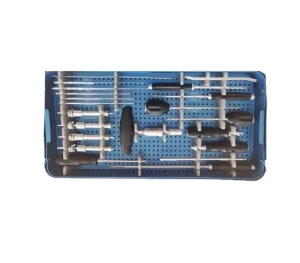
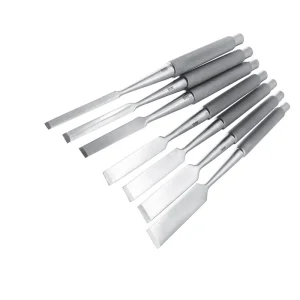
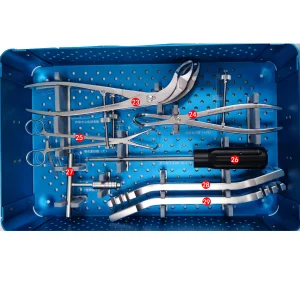
A spinal fusion construct relies heavily on its instrumentation. Surgical instrument kits must be made from high-grade stainless steel (such as 17-4 PH or 420 series) to withstand repeated autoclave cycles (commonly 134°C for 18 minutes under vacuum) without showing signs of corrosion or material degradation.
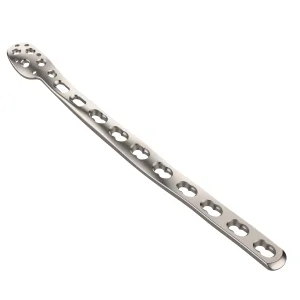
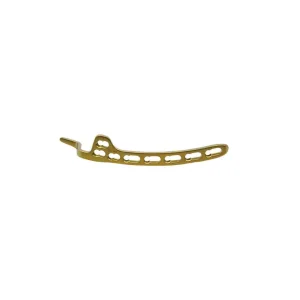
Explore our selection of locking plates, specialized instruments, fusion cages, and complete spinal instrumentation sets.
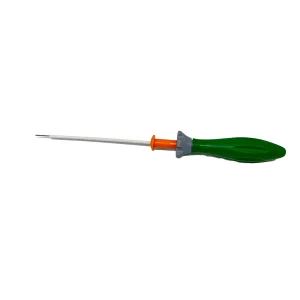
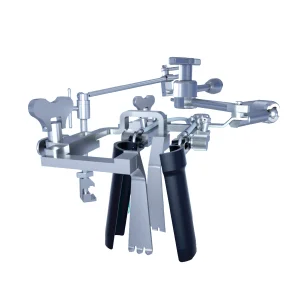
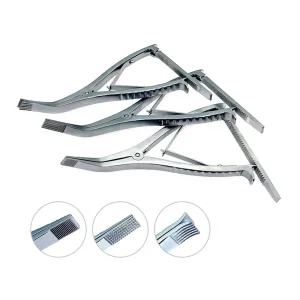
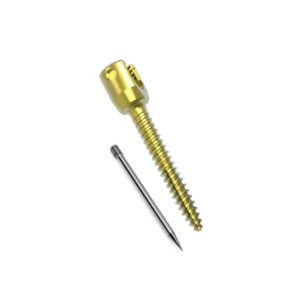
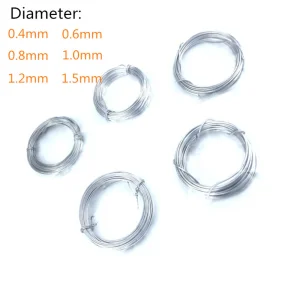
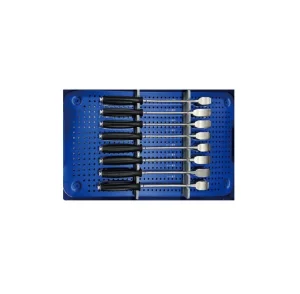
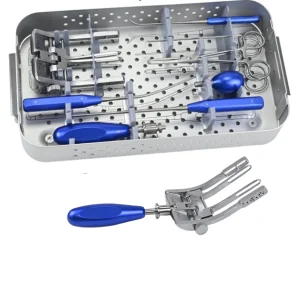
Key information regarding materials, standards, custom orders, and regulatory compliance for medical sourcing professionals.
We use medical-grade Ti-6Al-4V ELI (Extra Low Interstitials) alloy, which conforms to the ASTM F136 standard. This grade offers improved biocompatibility, fracture toughness, and fatigue resistance compared to standard Grade 5 titanium, making it suitable for long-term load-bearing applications in the spine.
Our spinal fusion systems undergo mechanical testing based on ASTM F1717 guidelines. This includes static compression, static torsion, and dynamic fatigue testing up to 5 million load cycles. This helps ensure the implant maintains structural integrity under physiological loads prior to complete bony fusion.
Yes. KaiSo maintains an ISO 13485:2016 Certified Quality Management System. Our primary product lines are CE marked under the Medical Devices Directive 93/42/EEC and are transition-ready/compliant with the European Medical Device Regulation (EU MDR 2017/745).
Yes, we offer OEM and ODM services. Our graduate-level engineering team can assist with light customization, design optimization, and full custom manufacturing according to customer specifications, including custom thread profiles, screw designs, and custom instrumentation kits.
Lead times vary based on design complexity. Standard orders for existing designs are typically fulfilled within 30 to 45 days. For custom OEM/ODM designs requiring prototype development, mechanical testing, and regulatory documentation, lead times generally range from 60 to 90 days.
Consistency is maintained through Swiss-type multi-axis CNC machines and automated inspection processes. Quality control checks are performed during production using optical comparators, coordinate measuring machines (CMM), and digital micrometer units, overseen by our quality assurance team.
We offer both sterile and non-sterile options. Non-sterile implants are packaged in protective double-peel pouches and must be autoclaved at the clinical facility prior to use. Sterile implants are packaged in cleanroom conditions and undergo validated ethylene oxide (EO) or gamma radiation sterilization.
Yes, every product batch includes a Certificate of Analysis (CoA) and a material traceability report. These documents confirm the raw material heat number, chemical composition, tensile properties, and compliance with ASTM/ISO standards.
We offer color anodization (Type II and Type III) for color-coding diameters and lengths. We also offer advanced surface treatments such as acid-etching and sandblasting to create micro-roughness, which helps facilitate direct bone integration.
Our primary export markets are South America (30%), Southeast Asia (20%), and Western Europe (20%). We work with regional distributors, medical device brand owners, and hospital purchasing groups to supply products that meet regional regulatory requirements.
 KaiSo Medical