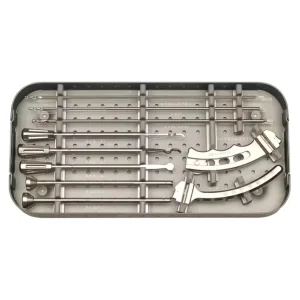
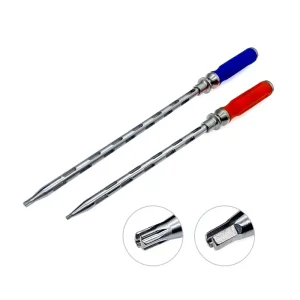
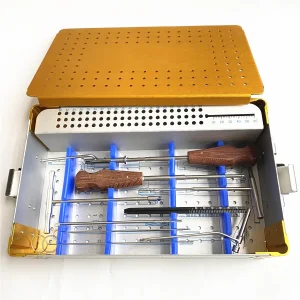
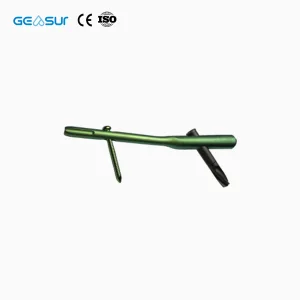
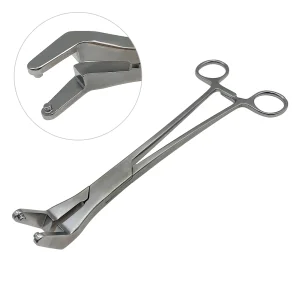
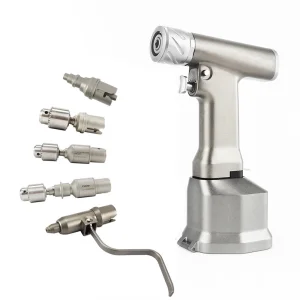
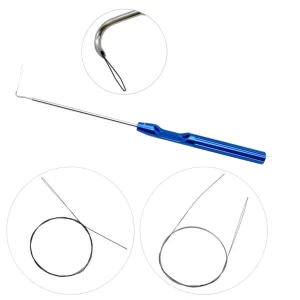
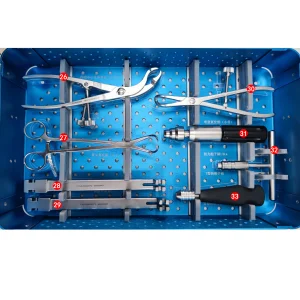
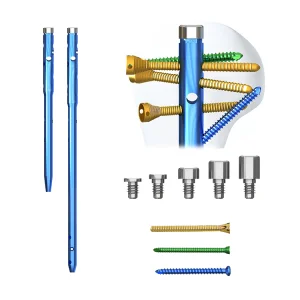
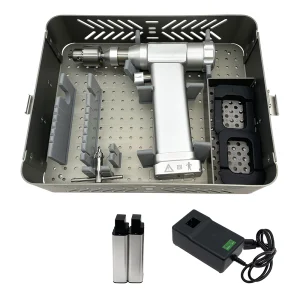
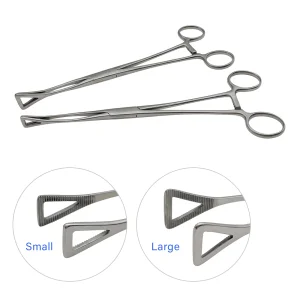
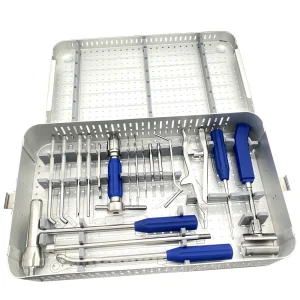
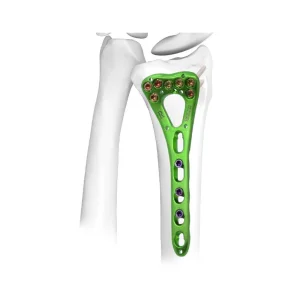
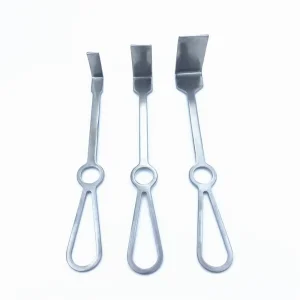
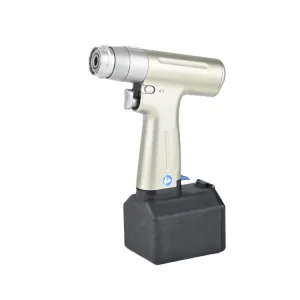
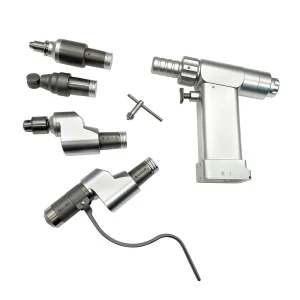
Precision-engineered instruments and implants for complex trauma management.
Strategic integration of biomechanics and material science in retrograde nailing.
Modern retrograde femoral nails are designed to optimize the "load-sharing" mechanism, specifically for supracondylar fractures where antegrade entry is contraindicated. Manufacturers are focusing on anatomical curvature (Radius of Curvature) to reduce anterior cortex impingement.
Leading factories now offer integration with surgical navigation systems. This includes radiolucent targeting handles and 3D-planned distal locking systems, significantly reducing fluoroscopy time and enhancing surgical precision.
Transitioning from 316L Stainless Steel to high-strength Titanium alloys (Ti6Al4V ELI) and Carbon-PEEK composites. These materials offer superior biocompatibility, lower elastic modulus, and artifact-free imaging for post-operative monitoring.
Criteria based on E-E-A-T principles: Experience, Expertise, Authoritativeness, and Trustworthiness.
Top-tier manufacturers invest over 15% of annual revenue into R&D, focusing on multi-planar locking options and compression features for non-union cases.
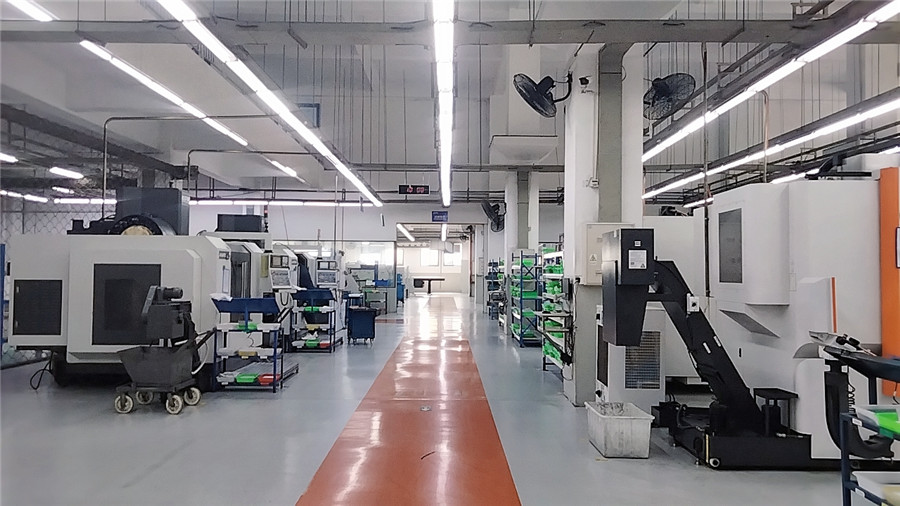
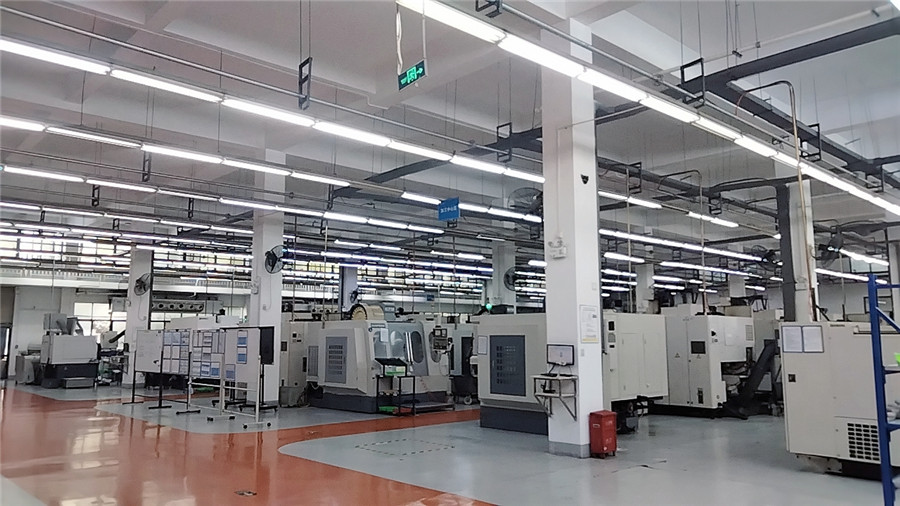
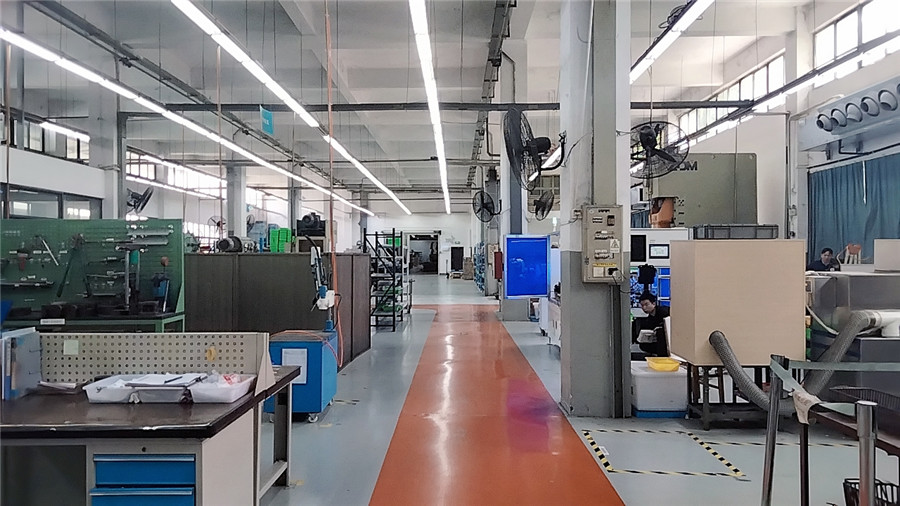
Utilizing Swiss-type CNC lathes and 5-axis machining centers ensures tolerances within microns, critical for the interlocking fit between nail and screw.
Compliance with EU MDR 2017/745 and US FDA 510(k) is the gold standard for global market entry, ensuring patient safety and product reliability.
Beyond the product, top factories provide comprehensive surgical technique guides (STG) and on-site clinical support for complex cases.
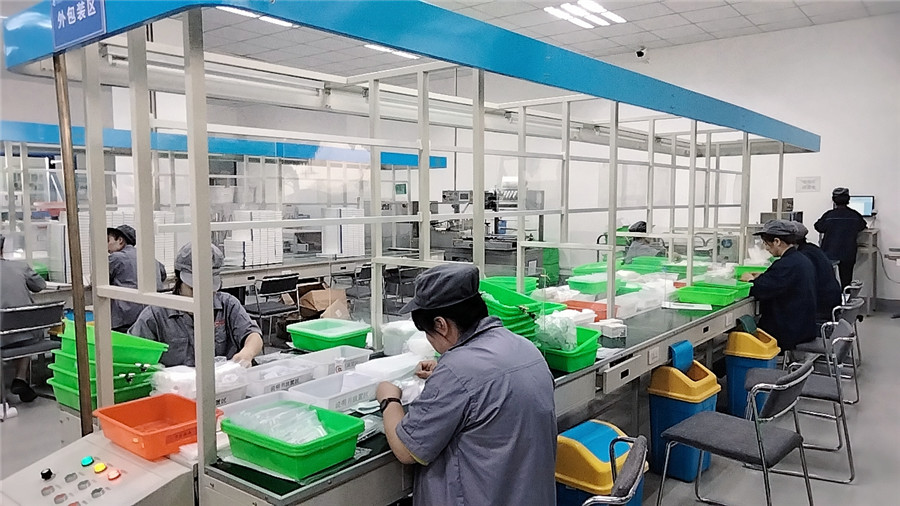
Scaling production with KaiSo's industry-leading Quality Assurance System.
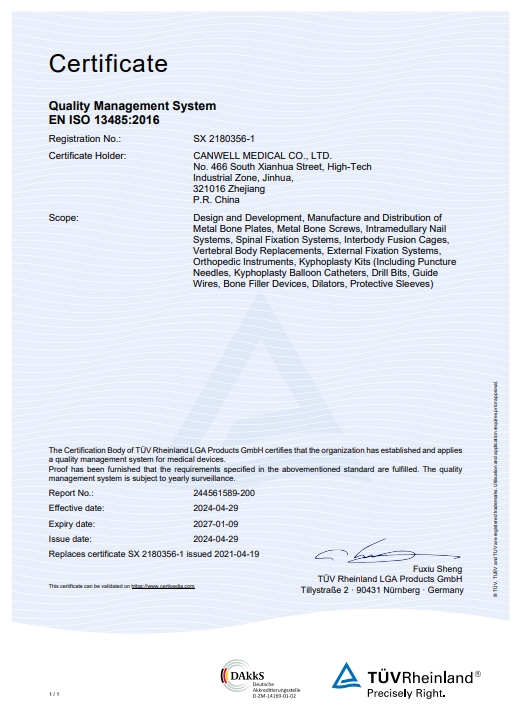
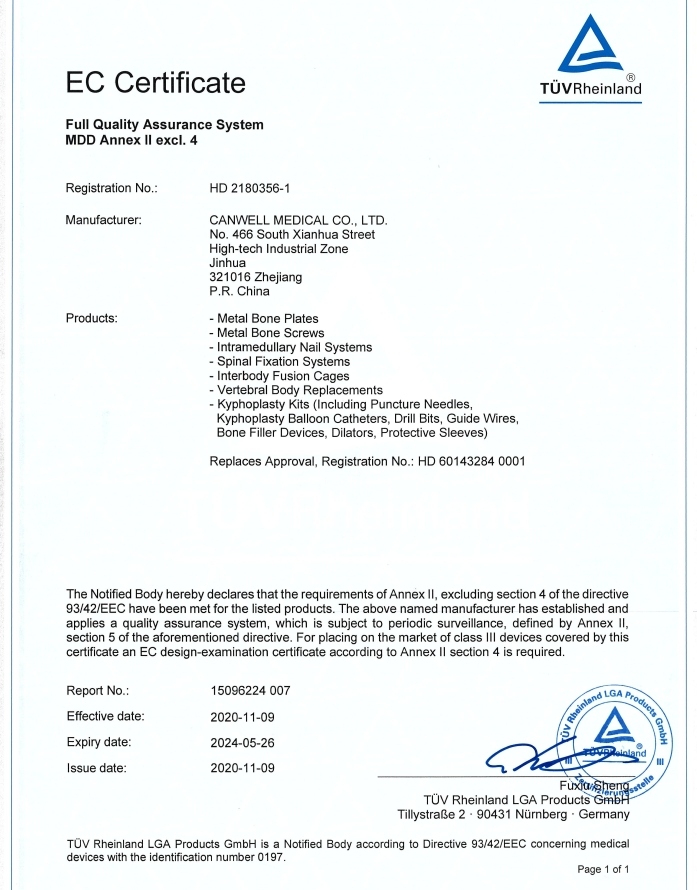
KaiSo has established a complete Quality Assurance System to continuously fulfil the requirements according to ISO9001, 13485, CE, ranging from material procurement to design development and automated production processes. Our commitment to traceability ensures every retrograde nail can be tracked back to its raw material batch.
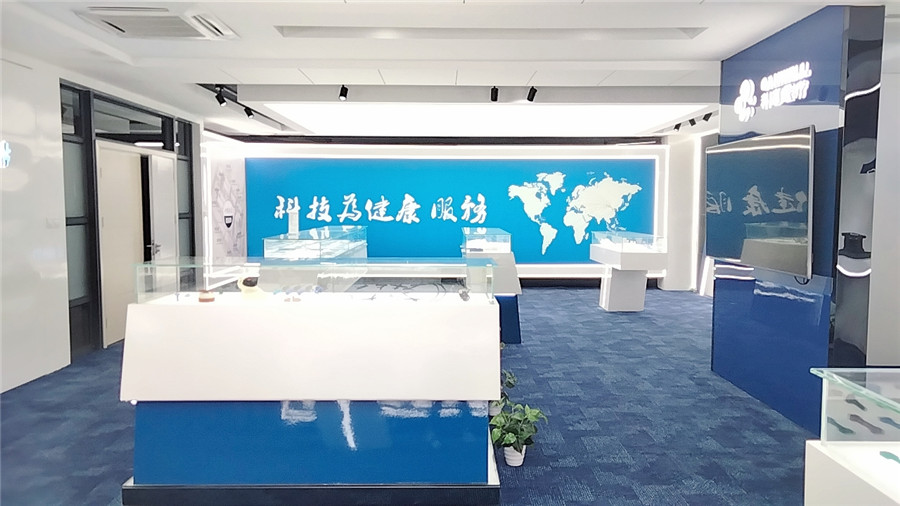
Verifiable excellence through international certifications.


The next decade of orthopedic innovation.
Development of Hydroxyapatite (HA) and antimicrobial silver coatings to accelerate osseointegration and reduce Surgical Site Infections (SSI).
Utilizing CT-based 3D printing to create custom retrograde nails for patients with severe femoral deformities or metabolic bone diseases.
Incorporation of micro-sensors within the intramedullary nail to monitor strain and bone healing progress in real-time via smartphone apps.
Expert answers to the most common questions in the industry.
Extending our expertise across trauma, spinal, and sports medicine categories.
Partner with a manufacturer that understands the nuances of orthopedic trauma. Our 22 years of expertise ensure that every nail, screw, and instrument meets the highest clinical standards.
 KaiSo Medical