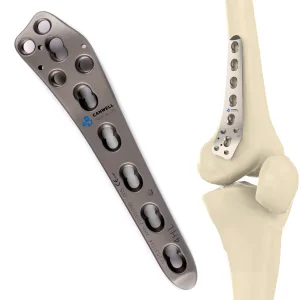
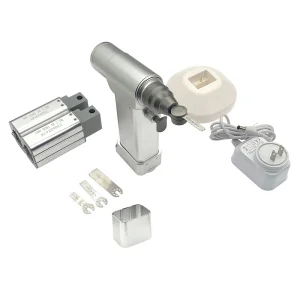
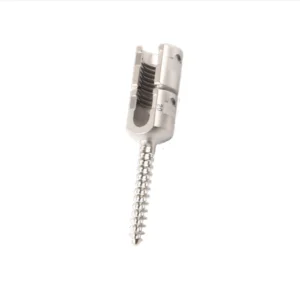
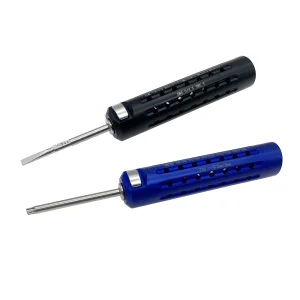
In the high-stakes realm of Craniomaxillofacial (CMF) surgery, the selection of a Mandibular Reconstruction Plate Exporter is no longer just about logistics; it is about finding a partner capable of delivering biocompatible precision and regulatory certainty.
Modern hospital procurement departments and medical distributors are shifting from "standardized" inventory to "patient-centric" solutions. The primary search intent for Mandibular Reconstruction Plates involves keywords such as "Anatomically Pre-contoured," "Load-bearing Titanium," and "Low-profile Maxillofacial Implants."
We provide more than hardware; we offer an ecosystem. From virtual surgical planning (VSP) to 3D-printed titanium models, our export solutions integrate with the digital workflow of modern operating theaters, reducing operative time by up to 30% through pre-shaped plate designs.
With major markets in South America (30%) and Western Europe (20%), our logistics framework ensures Class III medical device compliance through every border. We address the "Value-Based Healthcare" model by offering cost-effective, high-durability plates that minimize secondary revision surgeries.
Information Gain: The future of mandibular reconstruction lies in Bio-Active Surface Treatments and Bioresorbable Alloys. Current industry leaders are transitioning from Grade 5 Titanium (Ti-6Al-4V) to micro-porous structures that promote osseointegration at the bone-implant interface.
Mandibular reconstruction plates have evolved from simple compression plates to complex locking systems. The locking mechanism ensures that the plate does not need to be pressed against the bone, preserving the periosteal blood supply—a critical factor in successful bone grafting (fibula/iliac crest) and healing in oncology-related reconstructions.
Our roadmap includes the integration of AI-driven plate contouring, where surgical software predicts the ideal stress distribution across the mandible, ensuring long-term structural integrity even under heavy masticatory loads.
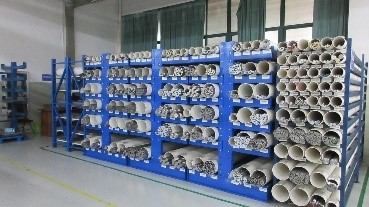
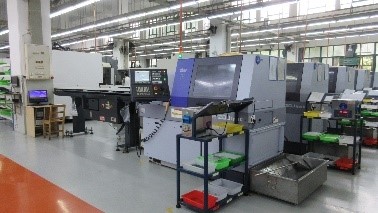
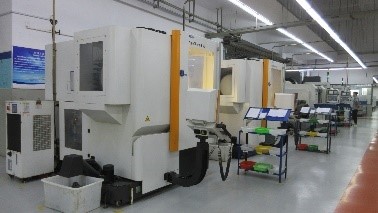
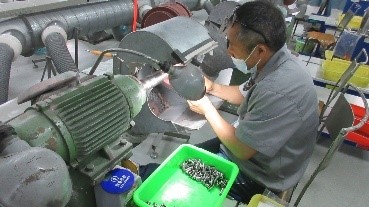
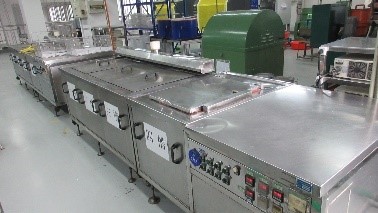
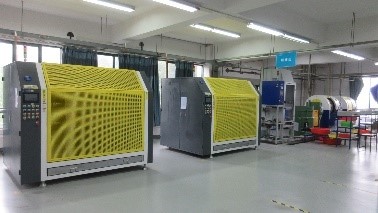
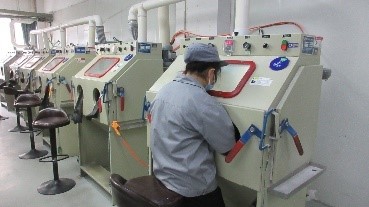
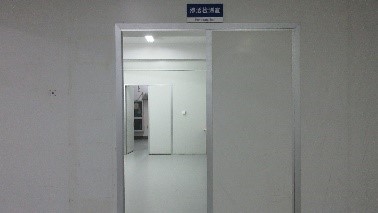
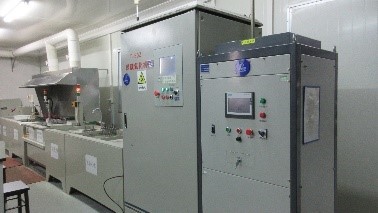
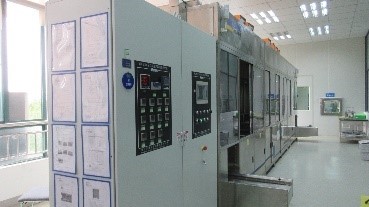
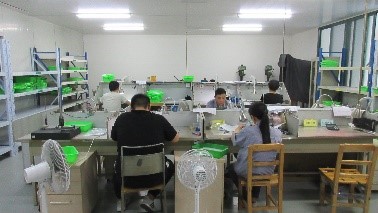
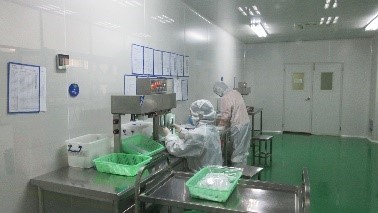
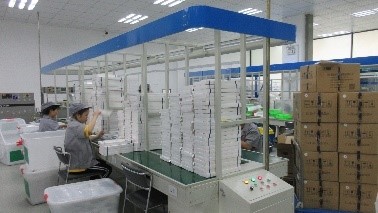
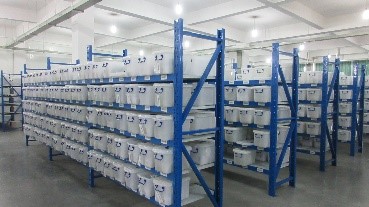
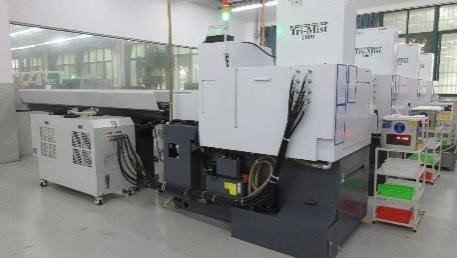
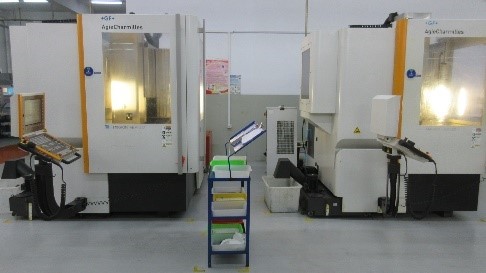
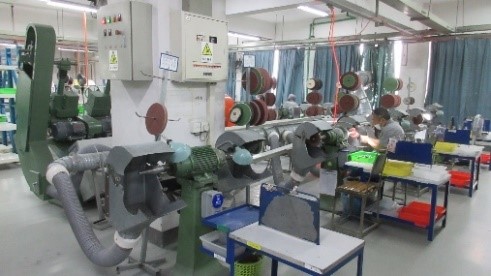
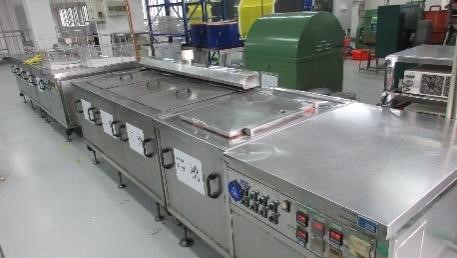
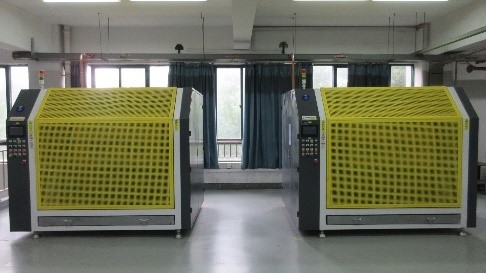
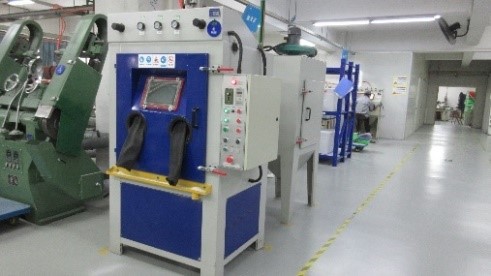
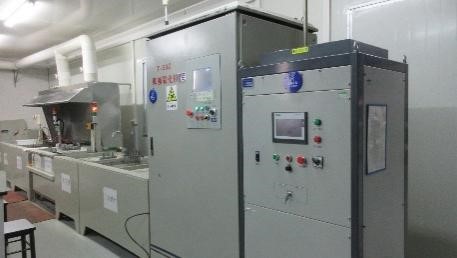
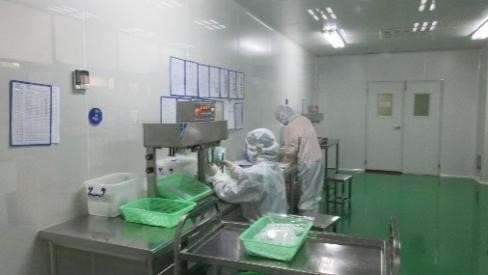
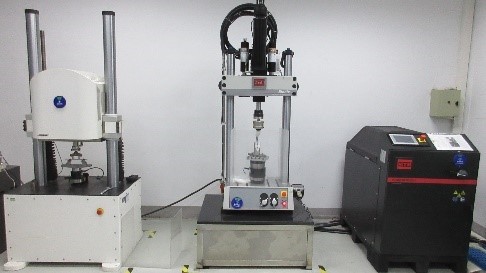
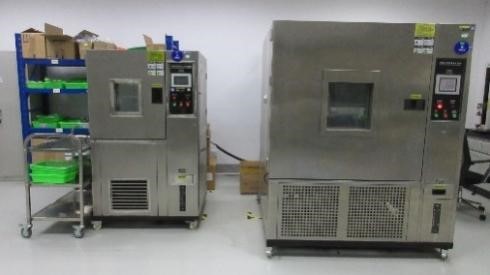
Established in 2004, KaiSo has dedicated over two decades to the mastery of orthopedic and maxillofacial implants. Our 29,523㎡ facility is a testament to automated production and rigorous quality assurance.
 ISO13485:2016 Certified
 CE 93/42/EEC Compliance
 MDR (Medical Device Regulation)
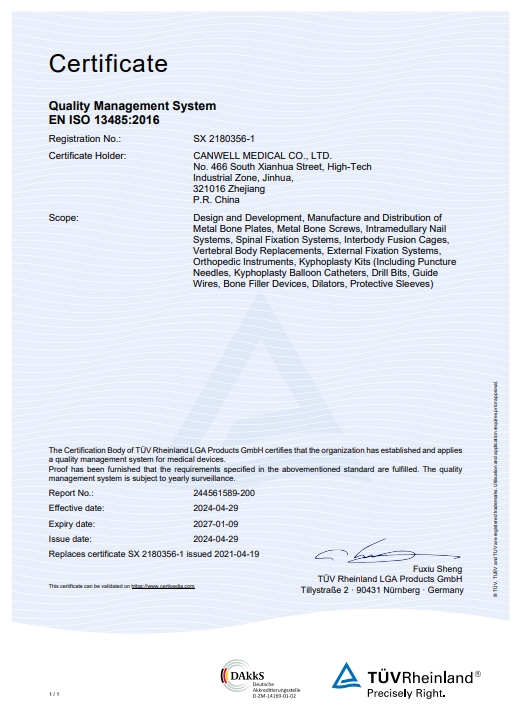 Global Export License
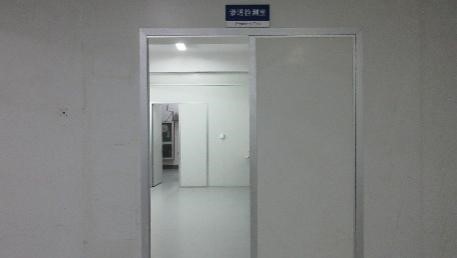
Production Facility Gallery
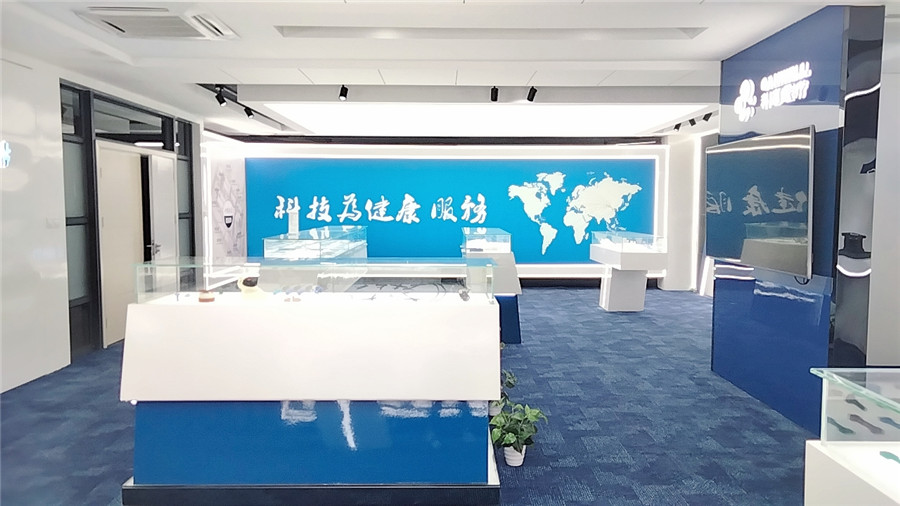
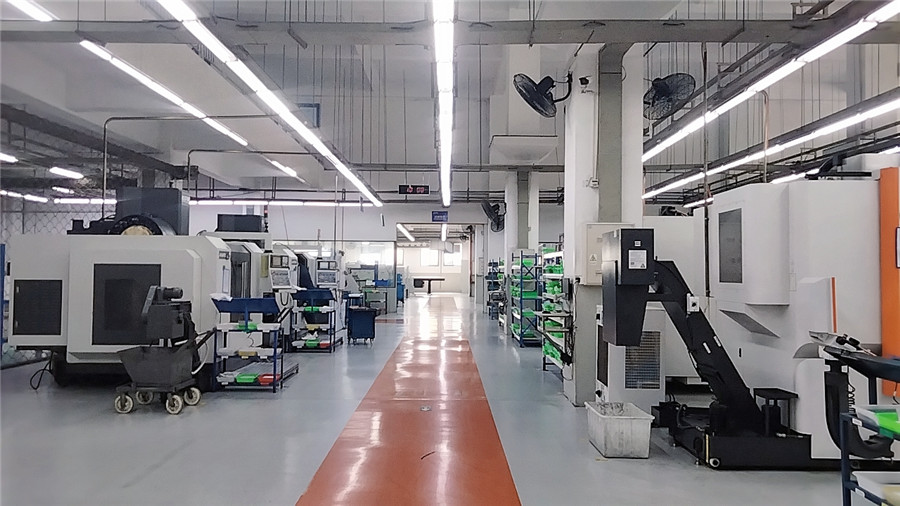
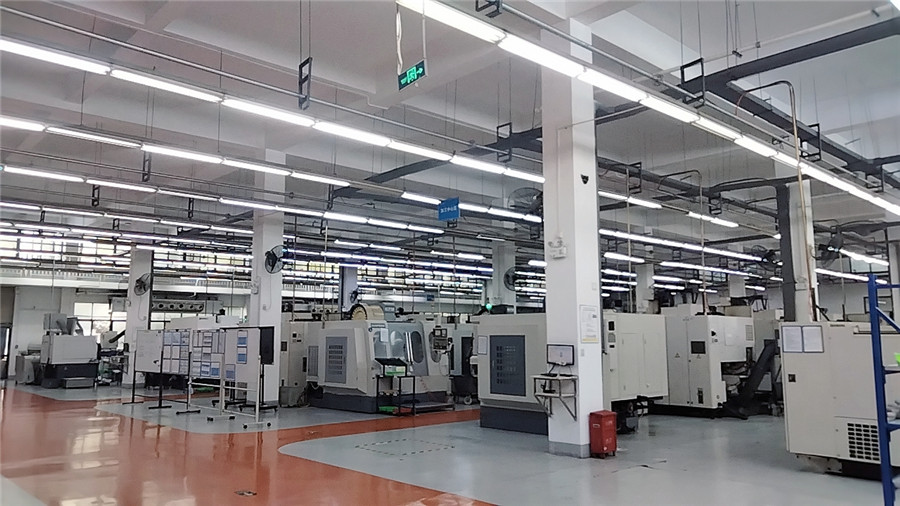
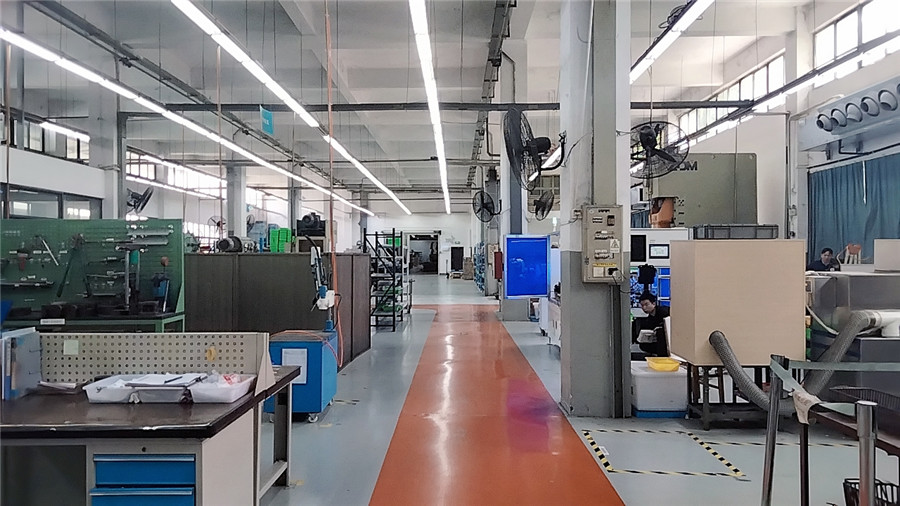
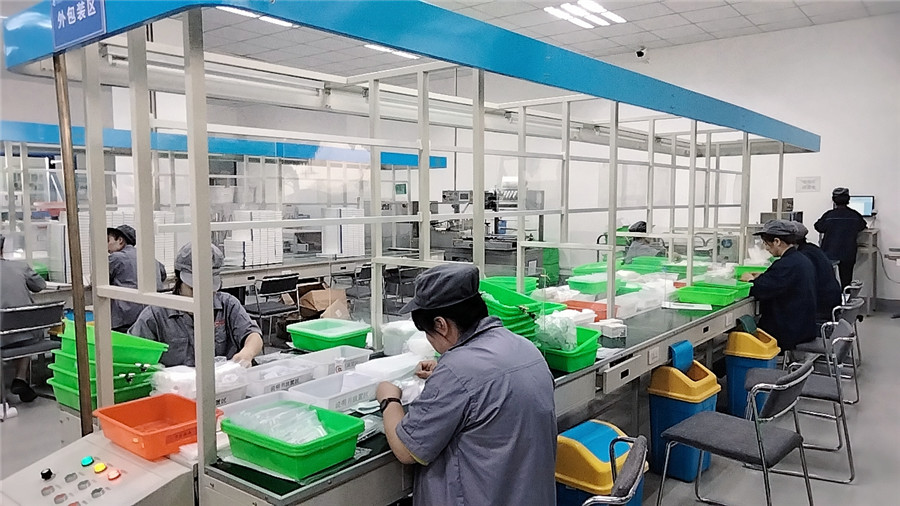
Recognizing that 30% of our exports serve South America, we provide specialized documentation for ANVISA (Brazil) and COFEPRIS (Mexico) registrations, ensuring seamless hospital entry.
We have proactively updated our technical files to meet the rigorous EU MDR requirements. This ensures that our European partners can continue distributing our mandibular reconstruction plates without regulatory interruption.
For large-scale hospital tenders, we provide surgical technique guides, CAD/CAM design support for PSIs (Patient-Specific Implants), and multi-lingual technical assistance to surgeons.
Pure Titanium (Grade 2/4) or Titanium Alloy (Grade 5 Ti-6Al-4V ELI) is the gold standard. They offer excellent biocompatibility, corrosion resistance, and the strength-to-weight ratio required for mandibular load-bearing.
Locking plates provide internal fixation by creating a single-unit construct where the screw heads lock into the plate. This reduces bone-to-plate compression and is superior for poor-quality bone or complex trauma.
Leading exporters use Gamma radiation or ETO sterilization processes. Every plate is individually packaged in medical-grade Tyvek and fully traceable via UDI (Unique Device Identification) codes.
Yes. Many exporters, including KaiSo, offer sample processing and customized on-demand manufacturing using CT scan data to create anatomical models and pre-bent plates.
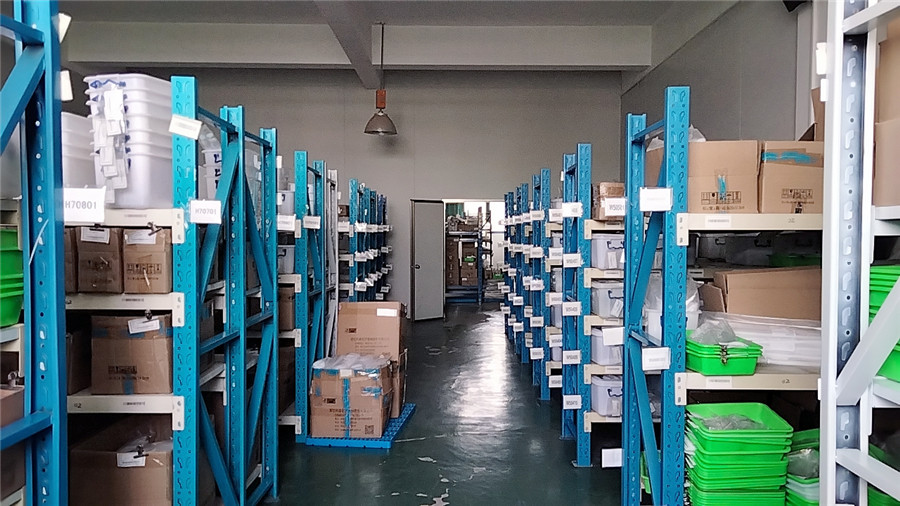
 KaiSo Medical