Executive Summary: As the global aging population accelerates and the demand for high-performance total hip arthroplasty (THA) rises, ceramic-on-polyethylene and ceramic-on-ceramic bearing surfaces have become the gold standard. This guide explores the strategic landscape of Ceramic Hip Heads, providing insights for procurement officers, medical distributors, and surgical institutions regarding the technical evolution, regulatory compliance, and market dynamics of 2024-2030.
The orthopedic industry is witnessing a definitive migration from pure alumina ceramics to Alumina-Matrix Composites (AMC). These fourth-generation ceramics, often fortified with zirconia (Y-TZP) and strontium oxide, offer unmatched toughness and crack resistance. As a leading exporter, we observe that the "Ceramic-on-Crosslinked Polyethylene" (CoXLPE) pairing currently dominates 70% of new procurement requests due to its balance of low wear and high impact resistance.
Integration of nano-structured grains to prevent hydrothermal degradation (Phase Transformation) in ceramic components.
Growing demand for 3D-printed titanium sleeves compatible with standard ceramic heads for complex revision surgeries.
Carbon-neutral manufacturing processes becoming a prerequisite for European tenders under the new MDR guidelines.
Purchasing ceramic hip heads is no longer just about the product; it’s about supply chain resilience. Global healthcare providers are prioritizing suppliers who can provide Real-time Traceability and Regulatory Transparency. Key markets in Southeast Asia and South America are expanding rapidly, driven by the localization of surgical training and the adoption of minimally invasive surgery (MIS).
Pro-Tip for Importers: Always verify the Burst Strength data and the Sphericity tolerances of ceramic heads. High-quality exporters should provide certifications that meet or exceed ISO 7206-2 standards.
A "Top 10" supplier must offer more than just hardware. At KaiSo, we provide a holistic ecosystem including:
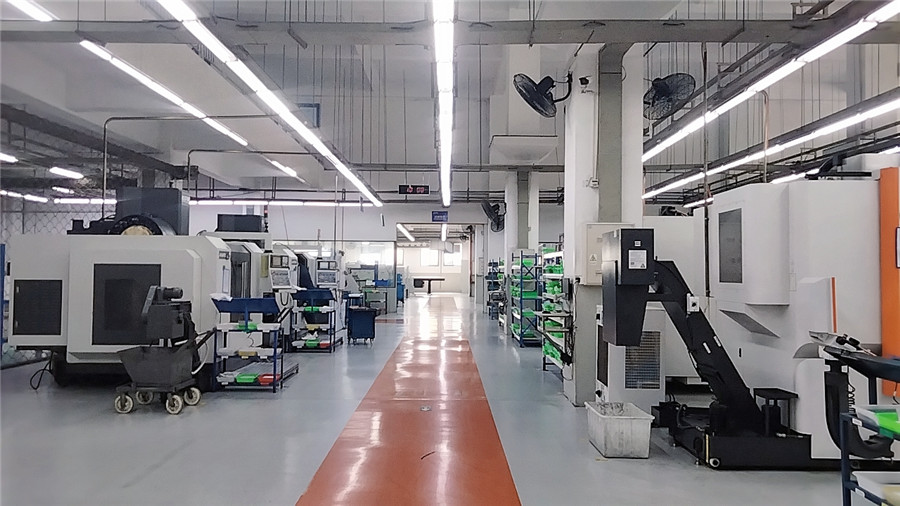
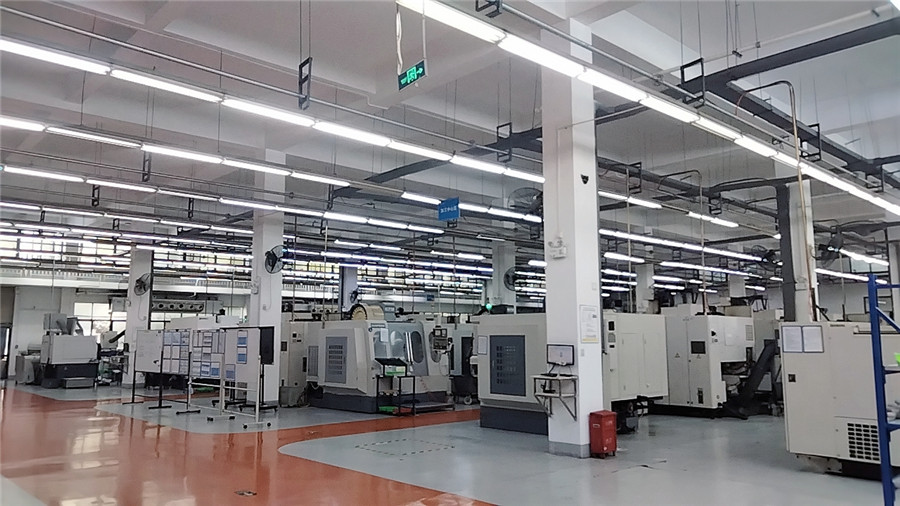
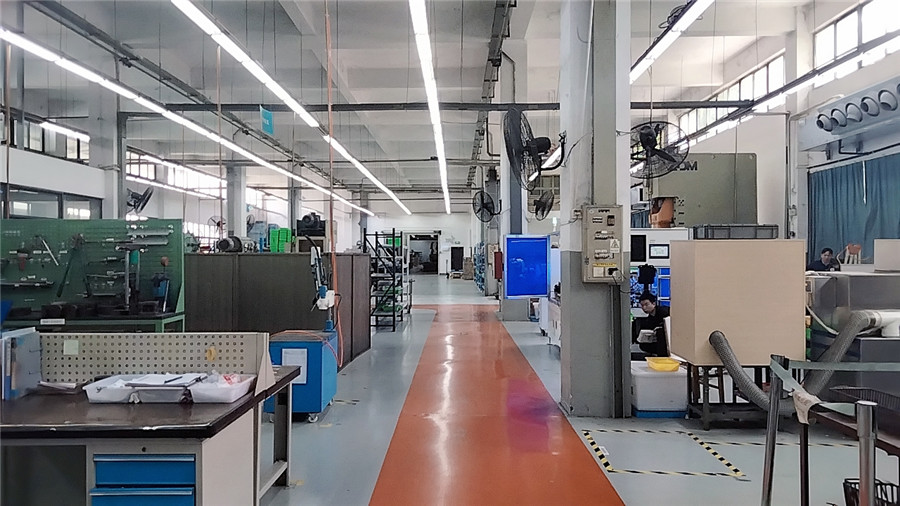
KaiSo has established a complete Quality Assurance System to continuously fulfil the requirements according to ISO9001, 13485, CE, ranging from material procurement to design development and automated production processes.
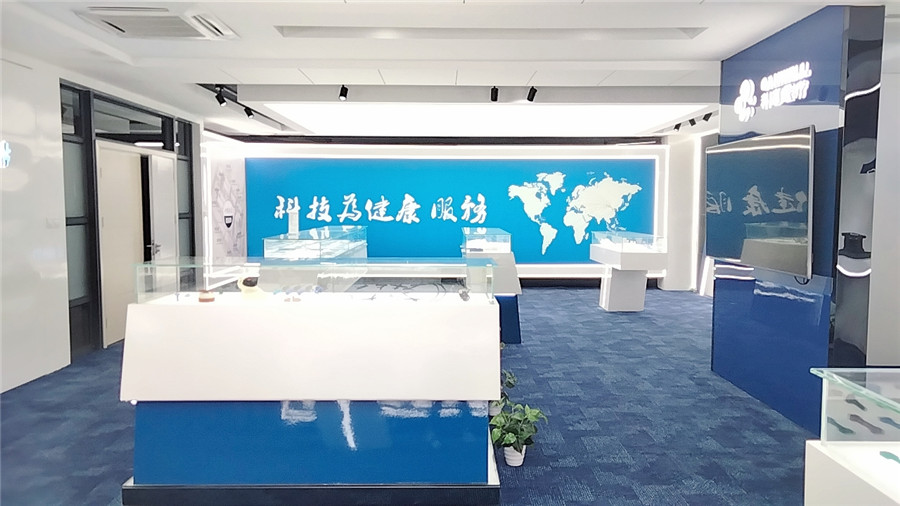
The transition from MDD to MDR (Medical Device Regulation) in Europe and similar rigorous standards in the US (FDA) and China (NMPA) has redefined the exporter landscape. A reliable supplier must demonstrate long-term clinical data (Post-Market Clinical Follow-up - PMCF). We provide localized regulatory dossiers to assist our partners in South America (30% of our market), Southeast Asia (20%), and Western Europe (20%).
| Certification | Standard/License | Scope |
|---|---|---|
| ISO 13485 | SX 2180356-1 | Quality Management Systems for Medical Devices |
| CE (93/42/EEC) | HD 2180356-1 | European Medical Device Directive Compliance |
| MDR | 6142788CE02 | Latest EU Regulation for High-Risk Implants |
Looking toward 2030, the "Smart Implant" era is approaching. Future ceramic hip heads may integrate thin-film sensors to monitor gait patterns and potential infection-related pH changes directly from the joint capsule. Furthermore, the development of "Pink Ceramic" (toughened alumina) will likely become the entry-level standard, replacing older white alumina entirely.
Ceramic hip heads offer significantly lower wear rates compared to cobalt-chrome. They are chemically inert, which eliminates the risk of metal ion release (metallosis), and they have better lubrication properties with synovial fluid.
With modern 4th-generation Alumina-Matrix Composites, the fracture rate is extremely low (less than 0.01%). Suppliers now use "Hot Isostatic Pressing" (HIP) to remove internal voids, making the material incredibly dense and strong.
Most orthopedic systems use standard tapers (e.g., 12/14 taper). However, we recommend using a titanium transition sleeve when using a ceramic head on a previously used or different brand titanium stem to prevent stress concentration.
Standard sizes are usually in stock. Custom or high-volume orders typically take 4-6 weeks for production, sterilization, and international shipping, depending on the destination and regulatory requirements.
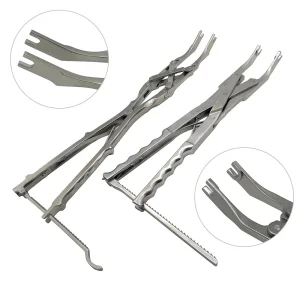
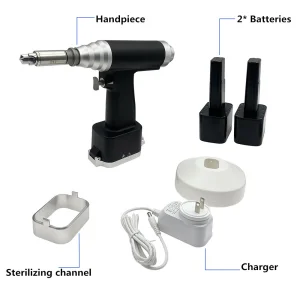
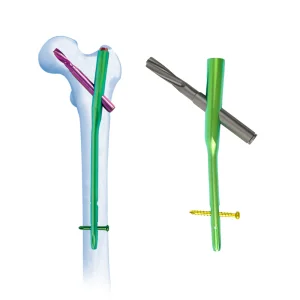
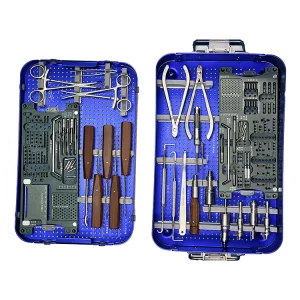
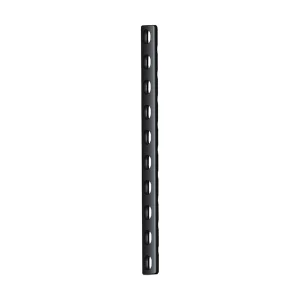
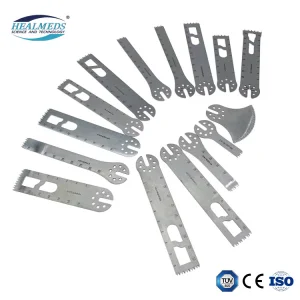
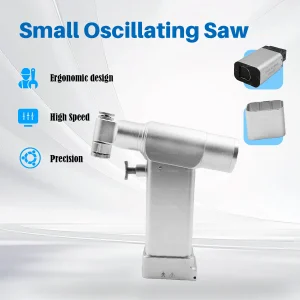
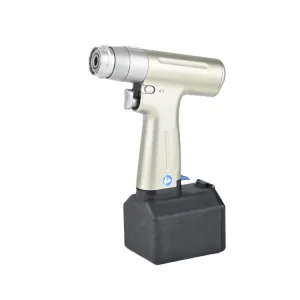
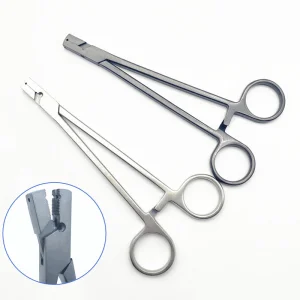
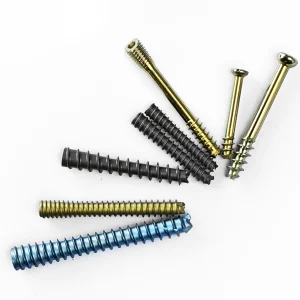
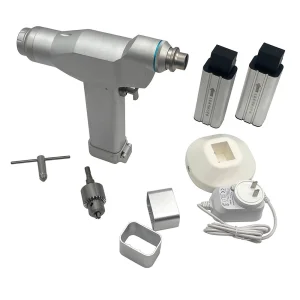
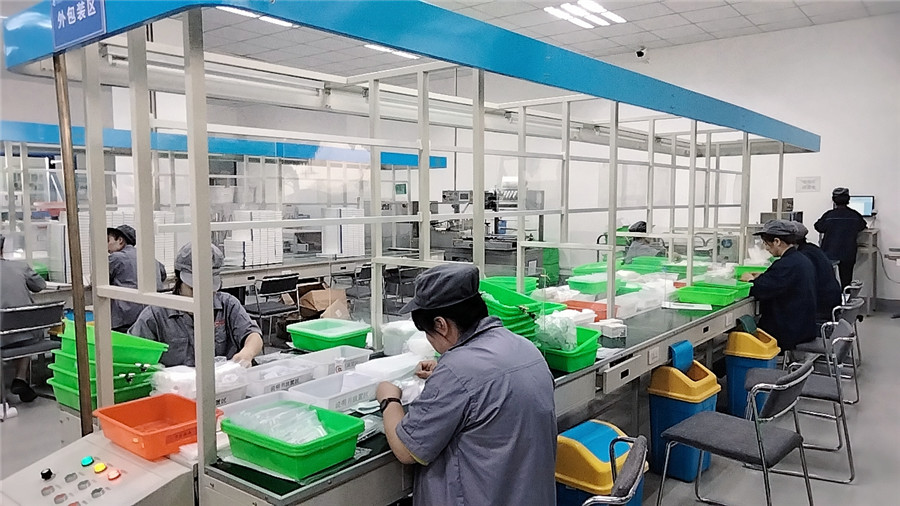
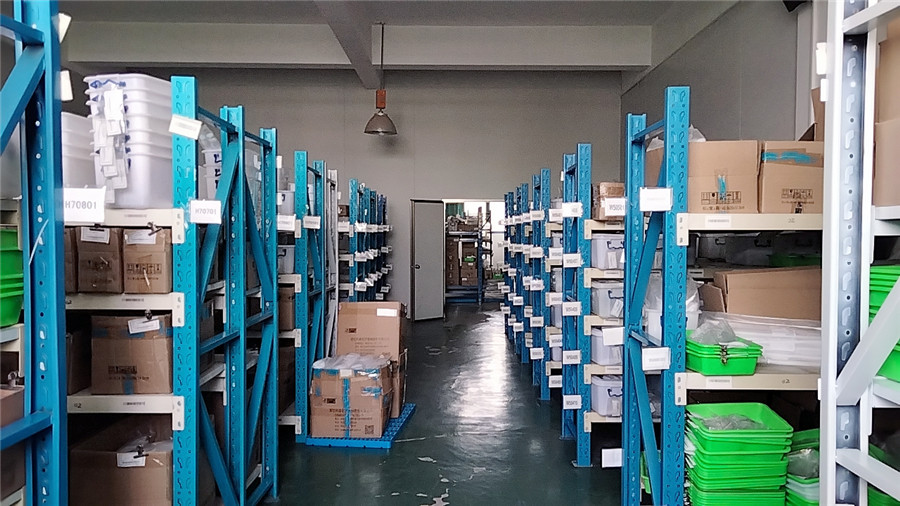
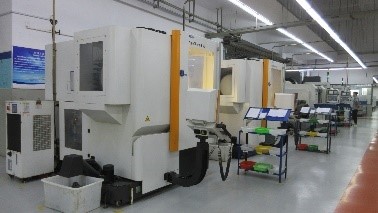
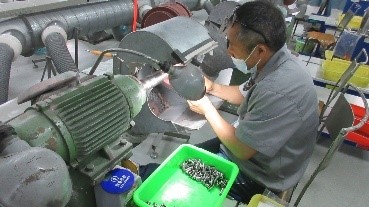
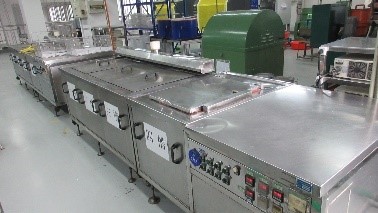
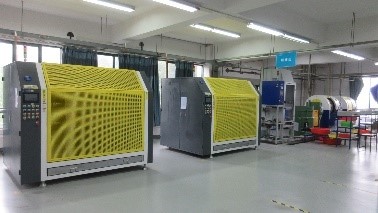
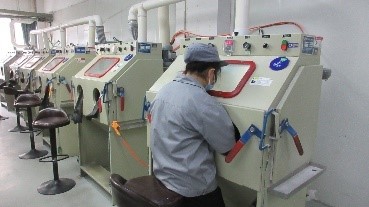
Factory Capabilities & Quality Assurance: Our facility spanning 29,523㎡ utilizes state-of-the-art automated production lines. We employ 59 R&D engineers, all of whom hold graduate degrees, ensuring that every product—from tibia nails to medical drills—meets the highest clinical standards. We support light customization, sample processing, and graphic processing for our global OEM/ODM partners.


 KaiSo Medical