State-of-the-art trauma and veterinary surgical solutions for global healthcare providers.
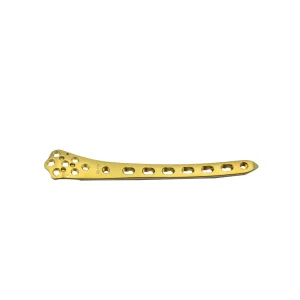
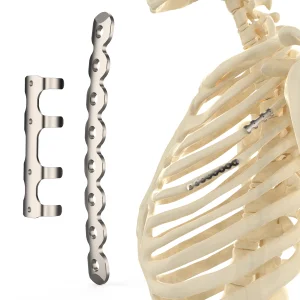
In the evolving landscape of medical technology, Bioresorbable Orthopedic Implants represent the pinnacle of biocompatible engineering. Unlike traditional titanium or stainless steel hardware, these advanced polymers—typically composed of PLLA (Poly-L-lactic acid) or PGA (Polyglycolic acid)—are designed to provide temporary mechanical stability while the bone heals, eventually being metabolized and excreted by the body.
The "Top 10" factory ecosystem, centered primarily in innovation hubs like China, is now merging material science with clinical precision to eliminate the need for secondary "implant removal" surgeries, significantly reducing patient trauma and healthcare costs.
Years of Industry Expertise
Production Space (㎡)
Senior QC Inspectors
Graduate R&D Engineers
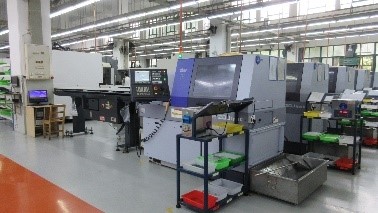
China has emerged as a global leader in bioresorbable implant manufacturing due to integrated supply chains and rapid prototyping capabilities. Factories like KaiSo leverage automated production processes and strict adherence to ISO 13485 standards, offering high-tier medical devices at a competitive TCO (Total Cost of Ownership).
Current industry trends focus on "Osteoconductive Bio-composites." We are moving beyond simple polymers to bioactive glass and hydroxyapatite-reinforced structures. This ensures the implant not only disappears but actively promotes natural bone regeneration.
From pediatric fracture fixation (where growing bones cannot be restricted by metal) to sports medicine (ACL/PCL reconstruction), bioresorbable interference screws and pins are becoming the gold standard in trauma and orthopaedic surgery.
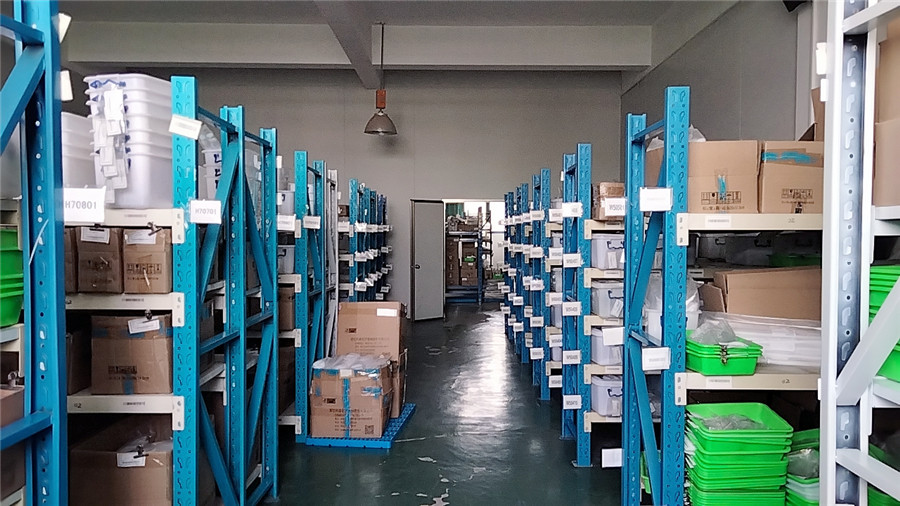
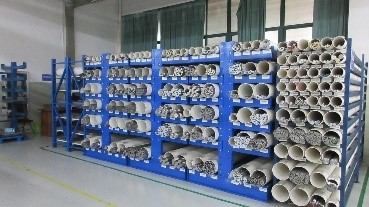
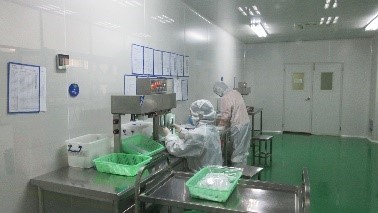
KaiSo has established a complete Quality Assurance System to continuously fulfil the requirements according to ISO9001, 13485, CE, ranging from material procurement to design development and automated production processes. Our facility operates with 22 years of export experience, serving brand businesses, wholesalers, and engineers across South America, Southeast Asia, and Western Europe.
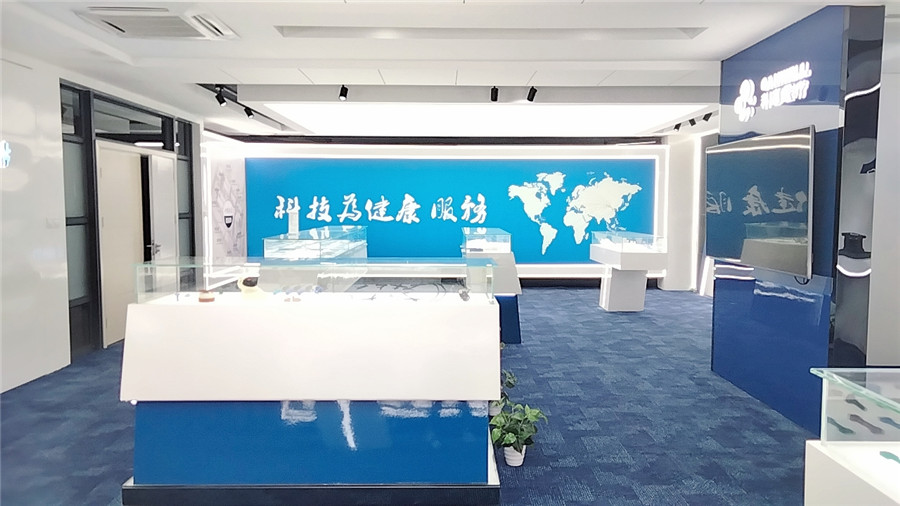
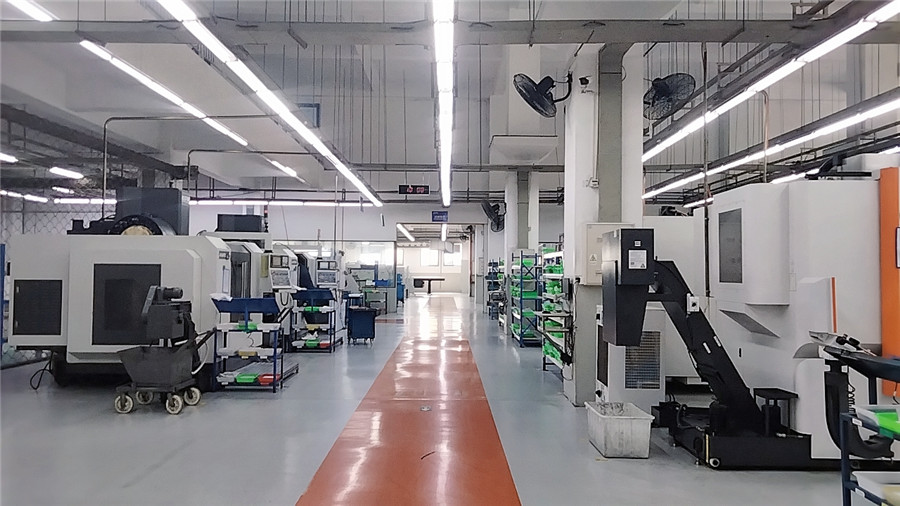
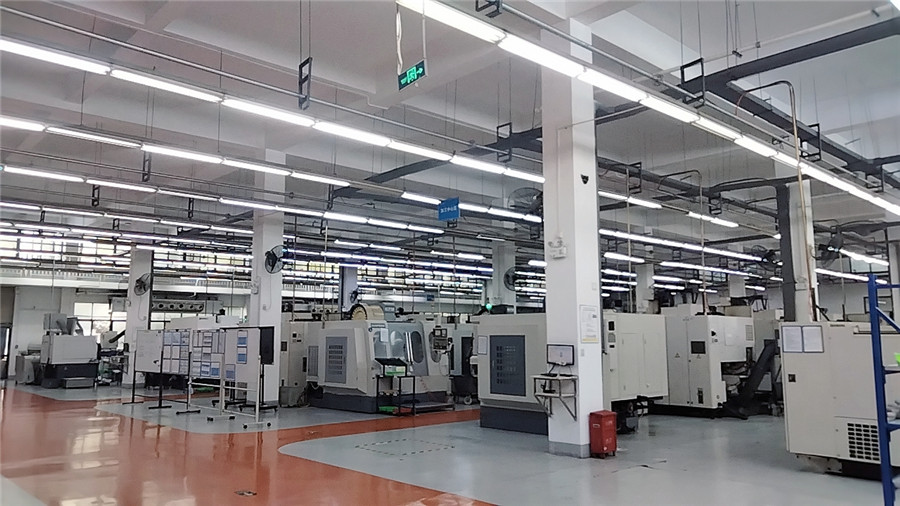
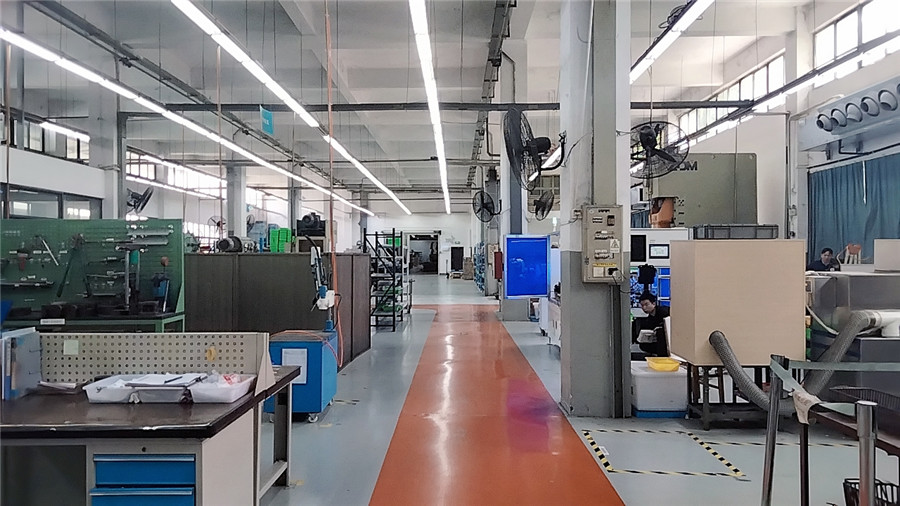
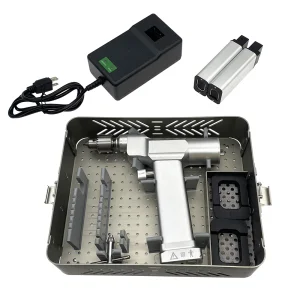
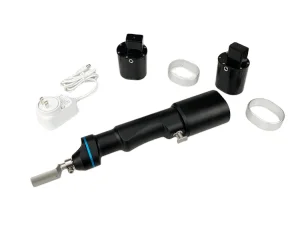
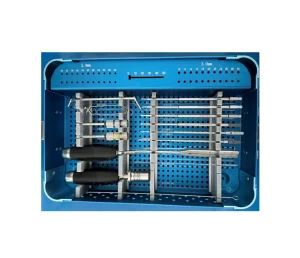
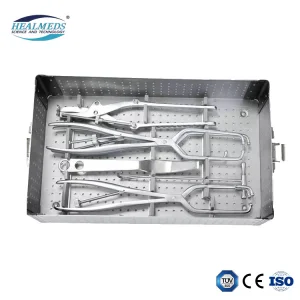
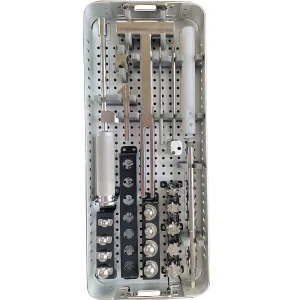
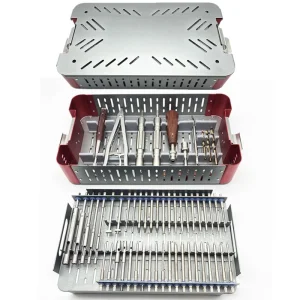
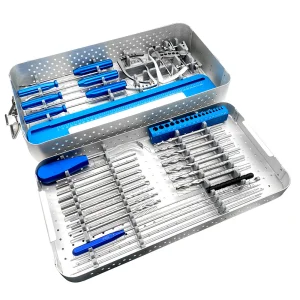
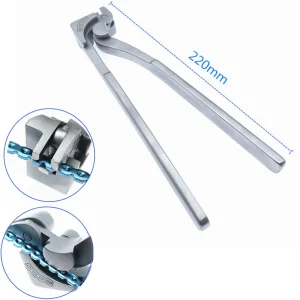
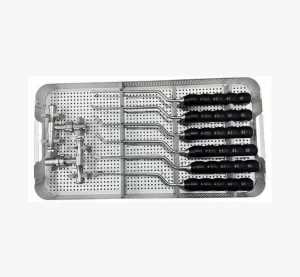
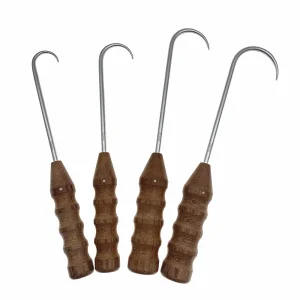
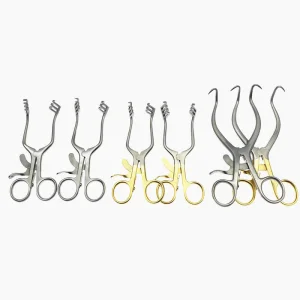
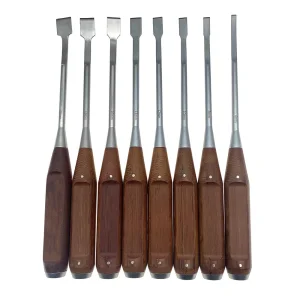
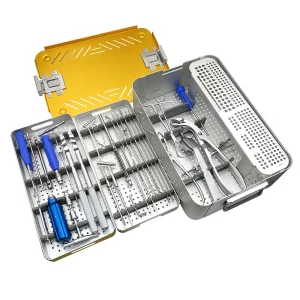
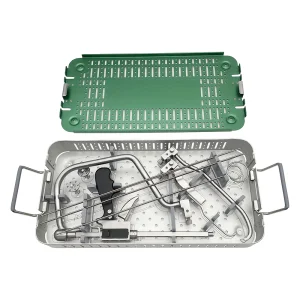
We provide more than just hardware. Our macro solutions include comprehensive surgical toolsets (Retractors, Extractors, Benders) that ensure the precise placement of bioresorbable materials. The integration of R&D capabilities with 59 specialized engineers allows for "customized on demand" processing.
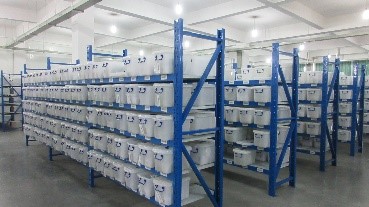
Reliability is non-negotiable in orthopedic implants. Our systems ensure traceability of raw materials. Certifications include ISO13485 (SX 2180356-1) and MDR (6142788CE02), meeting the stringent 93/42/EEC medical device directives required for the European market.
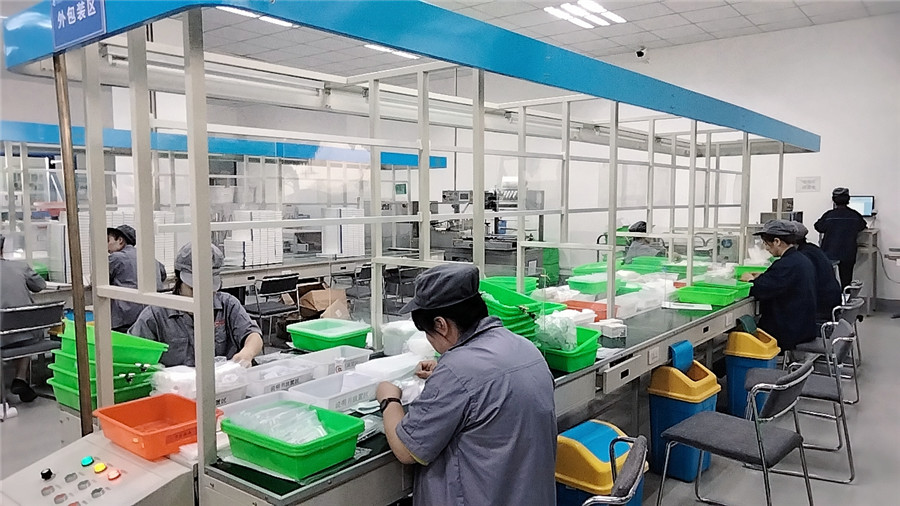
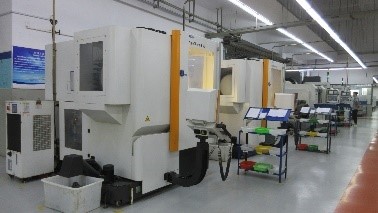
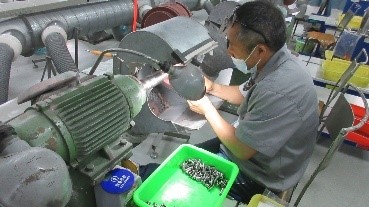
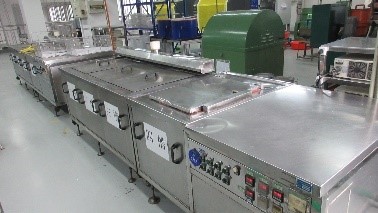
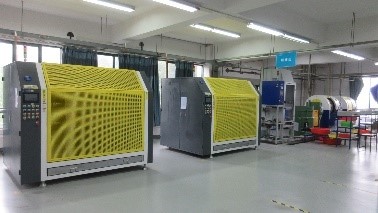
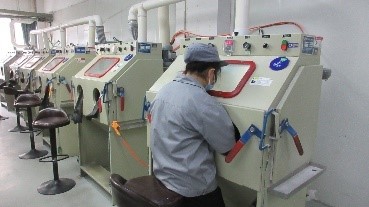
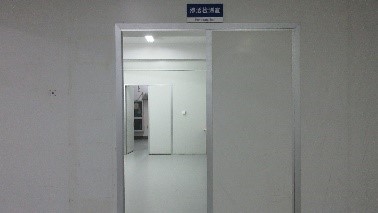
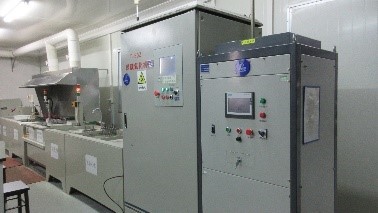
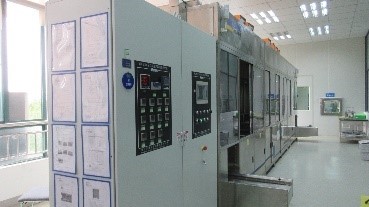
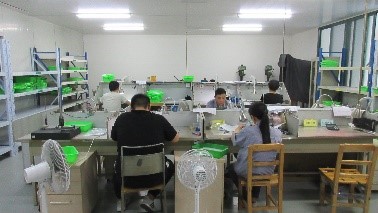
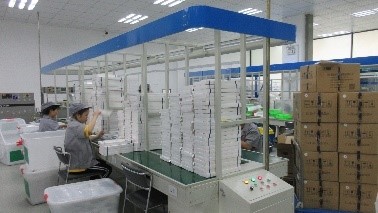
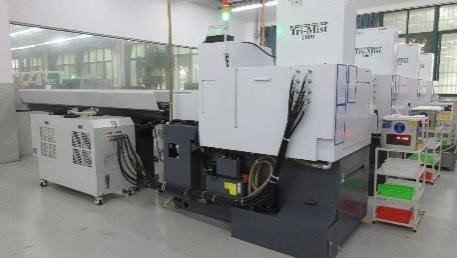
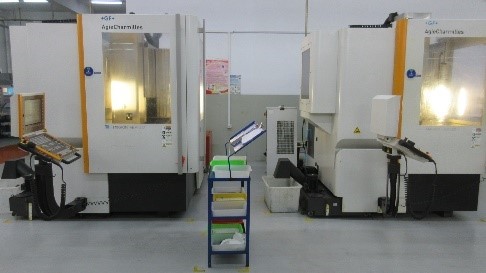
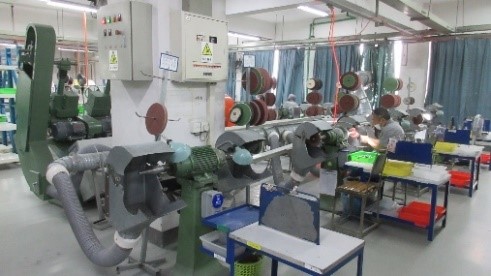
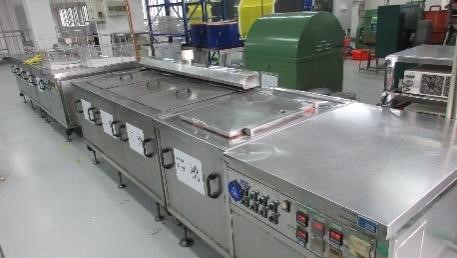
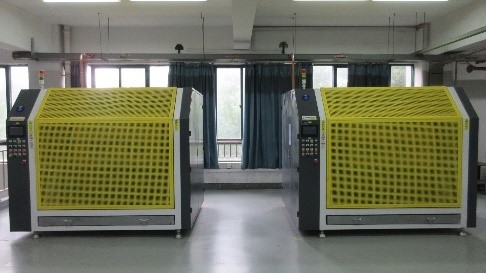
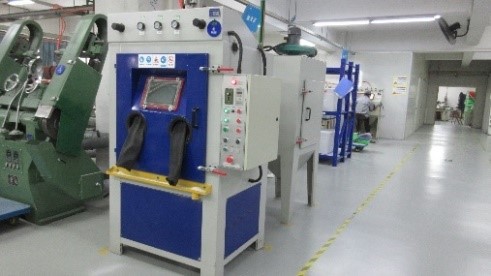
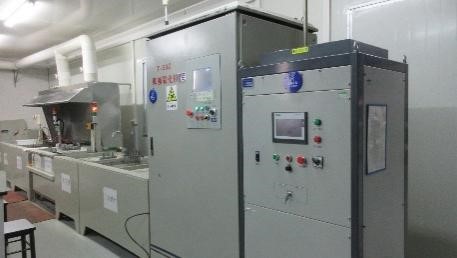
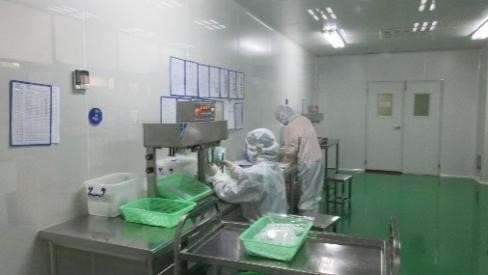
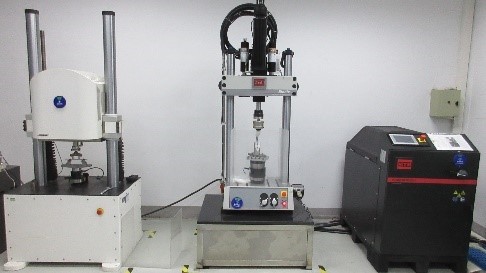
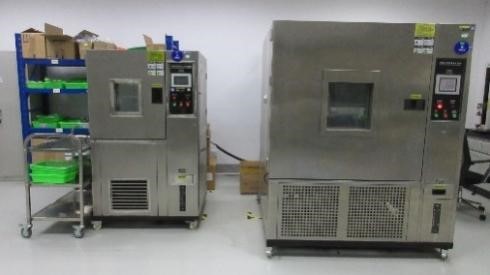
With a floor space of nearly 30,000㎡, we operate multiple production lines capable of handling sample processing and large-scale manufacturing. Our 69 QA/QC inspectors perform 100% inspection on all production lines to maintain a zero-defect policy.
Most PLLA-based implants maintain their mechanical integrity for 6-12 months and are fully resorbed within 18-36 months, depending on the patient's metabolic rate and the anatomical site.
Modern medical-grade polymers are designed to be extremely biocompatible. By using ultra-pure materials and controlling the breakdown rate, factories minimize any localized foreign body response.
Leading factories like KaiSo implement ISO 13485 quality systems, utilize 100% material traceability, and undergo rigorous third-party audits (CE/MDR) to ensure compliance with global medical standards.
Absolutely. Bioresorbable technology is widely used in pet surgery for fracture fixation and joint reconstruction, particularly in smaller animals where implant removal is high-risk.
Yes. Our R&D team supports light customization, sample processing, and graphic processing to meet specific surgical technique requirements.
 KaiSo Medical