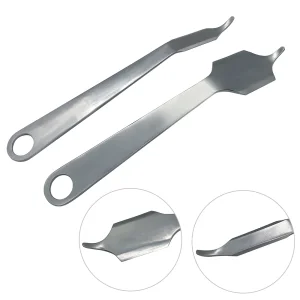
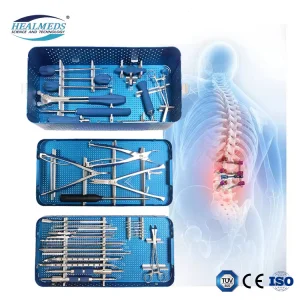
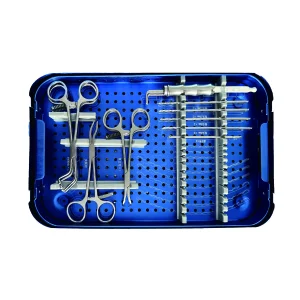
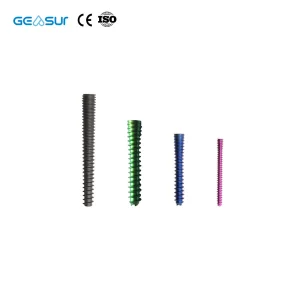
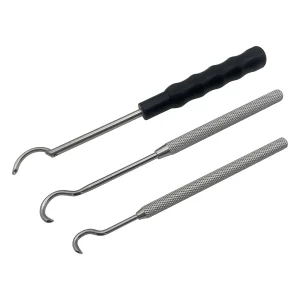
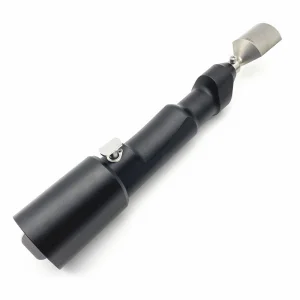
The global spinal stabilization market is pivoting rapidly toward MIS techniques. As an OEM manufacturer, we focus on developing percutaneous screw systems and specialized retractors that reduce soft tissue trauma and accelerate patient recovery times. Our R&D team prioritizes smaller incision compatibility without compromising biomechanical fixating strength.
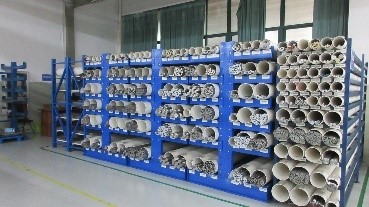
Titanium Grade 5 (Ti-6Al-4V ELI) remains the gold standard, but the industry is seeing a surge in PEEK (Polyetheretherketone) and carbon-fiber-reinforced composites for radiolucency. Our manufacturing facility is equipped to handle complex processing of both metallic and non-metallic implants, ensuring optimal osseointegration and modulus of elasticity.
The future of spinal surgery lies in the integration of surgical navigation and robotic assistance. Our instrument sets are designed to be "navigation-ready," featuring high-specification tolerances that integrate seamlessly with leading global optical and electromagnetic tracking systems used in modern operating rooms.
Professional purchasers, hospital groups, and medical device brand owners face increasing pressure to balance quality, regulatory compliance, and cost. We provide a solution that mitigates supply chain risks through transparency and technical excellence.
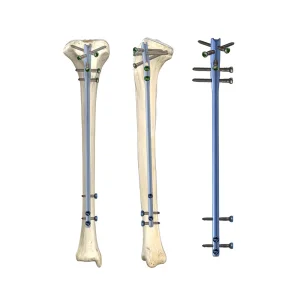
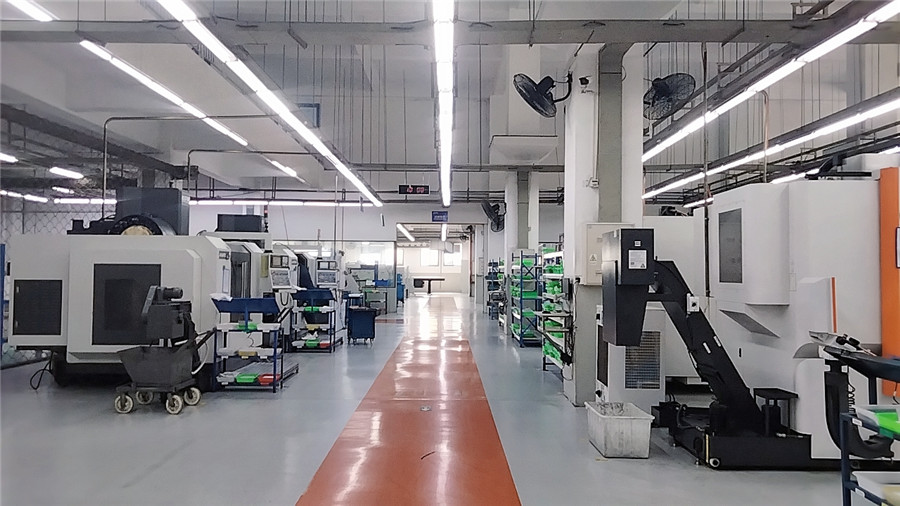
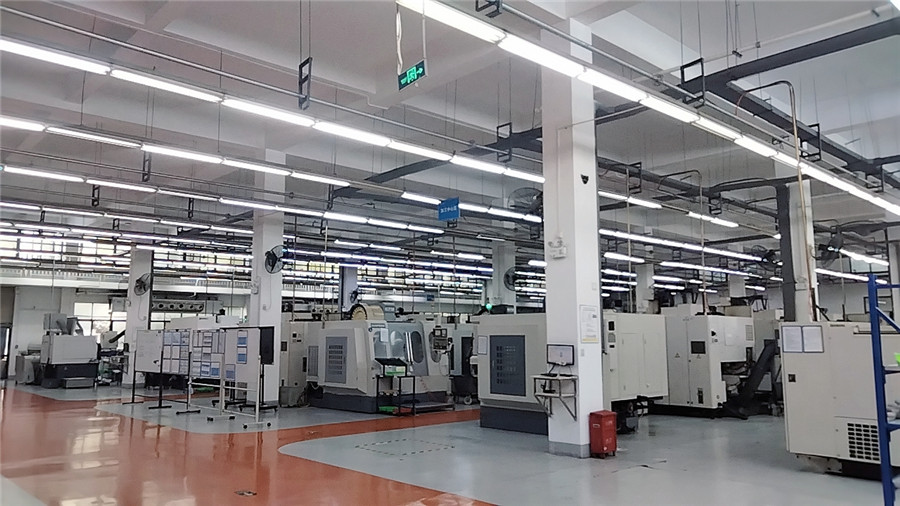
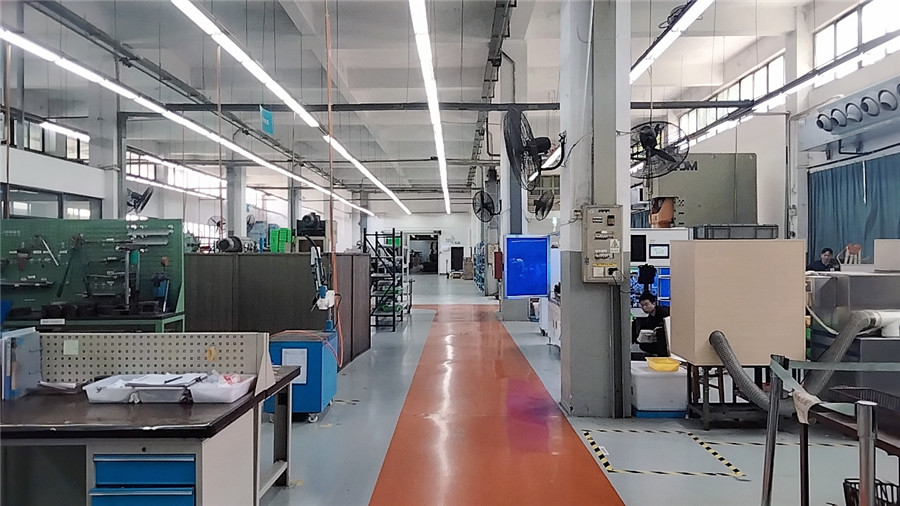
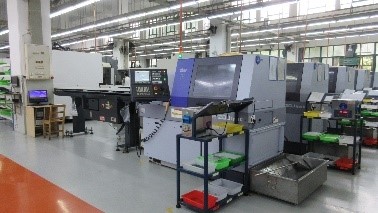
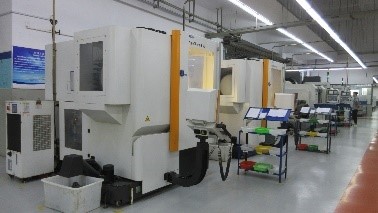
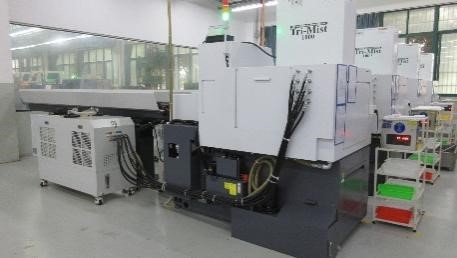
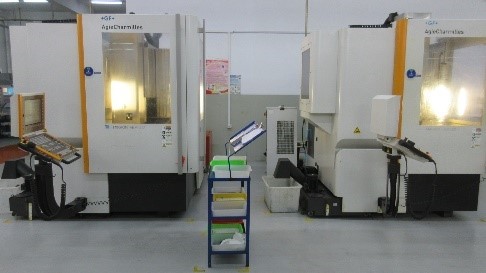
Whether you require "Light Customization" (logo branding) or "Full-Scale ODM" (from CAD design to sterile packaging), our 59 graduate R&D engineers ensure that your specifications translate into clinically viable products. We utilize high-precision CNC multi-axis machining to maintain tight tolerances for spinal pedicle screws and rods.
In the post-MDR era, compliance is the ultimate competitive advantage. Our facility operates under the strictest ISO 13485 quality systems, with full traceability from raw material batch to the final sterile unit. We provide comprehensive technical files to support your local registration processes across Latin America, Southeast Asia, and Europe.
By leveraging 22 years of export experience, we optimize the logistics and manufacturing workflow. Our annual output is scaled to reduce unit costs while maintaining the "Quality First" ethos required for Class III orthopedic implants.
Implementing nano-textured surfaces and hydroxyapatite coatings to accelerate bone-to-implant contact, specifically for osteoporotic patients in aging demographics.
Exploration of smart screws embedded with micro-sensors to monitor post-operative strain and healing progress, transmitting data via wireless protocols.
Expanding our 3D-printed titanium cage production to allow for patient-specific anatomical matching and highly porous lattice structures.
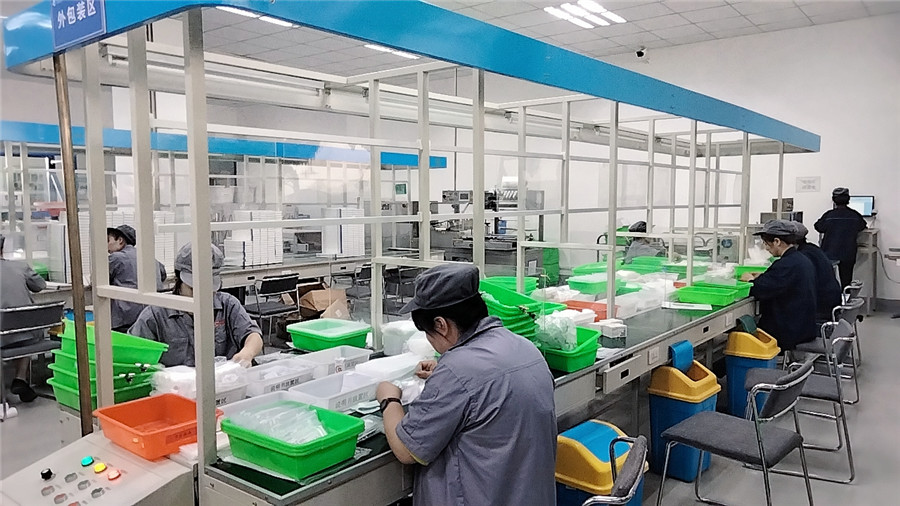
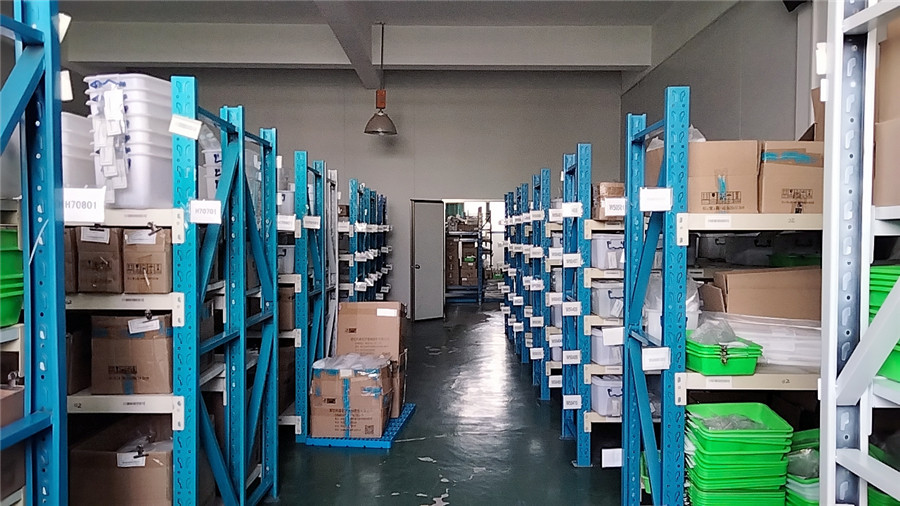
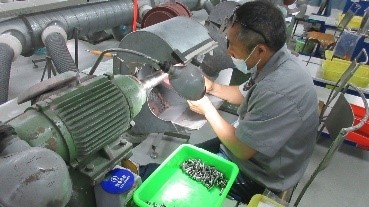
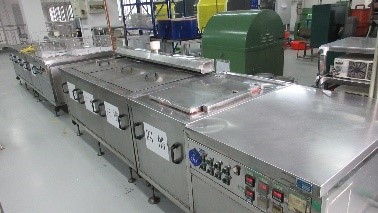
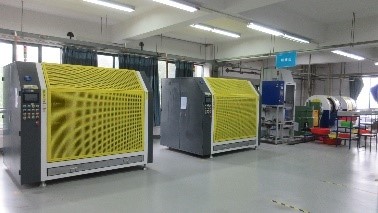
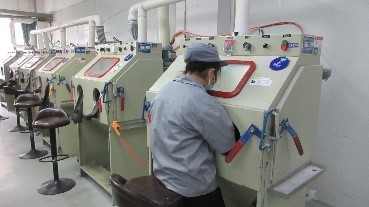
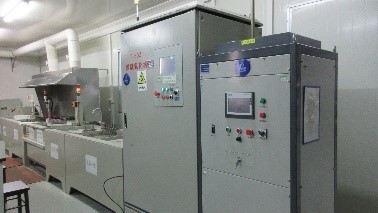
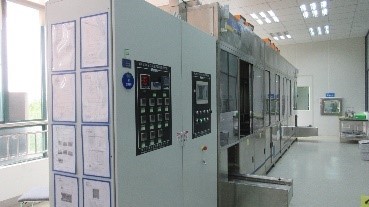
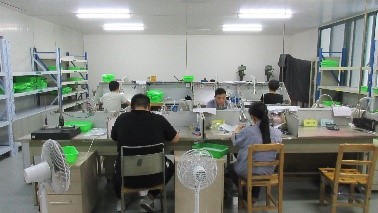
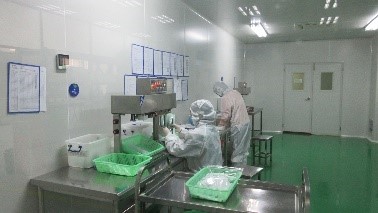
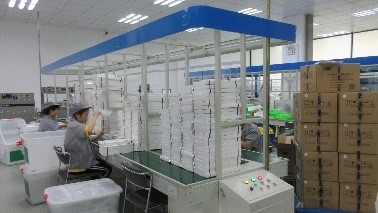
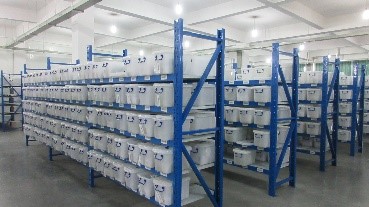
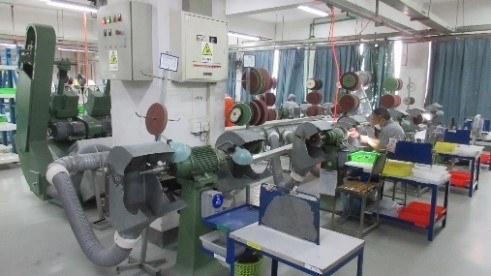
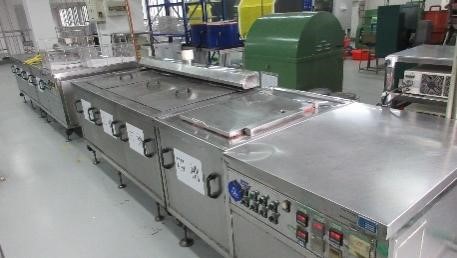
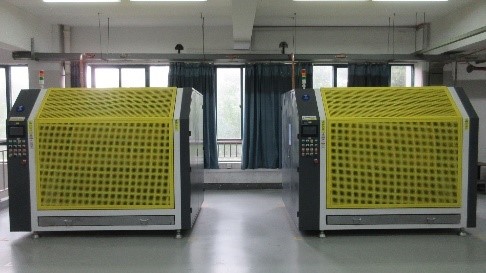
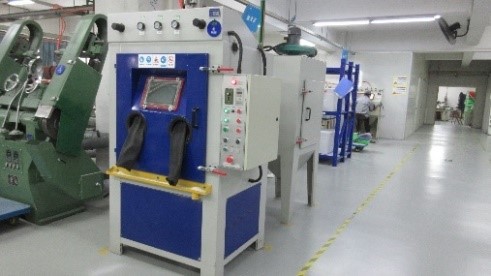
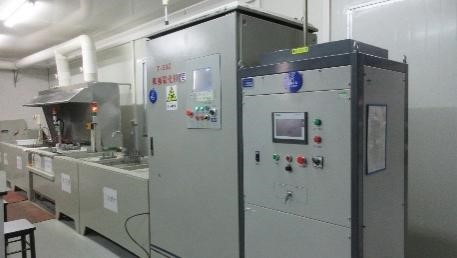
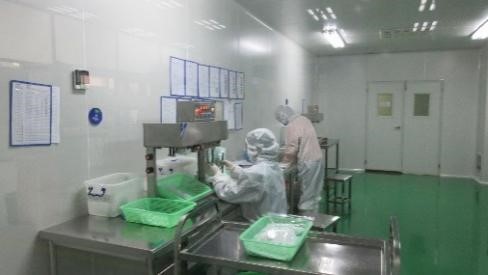
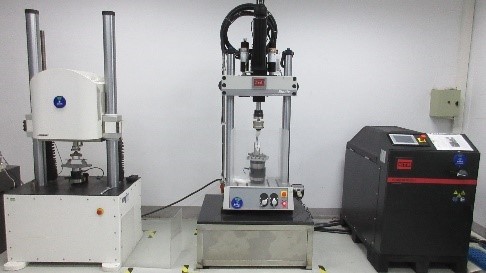
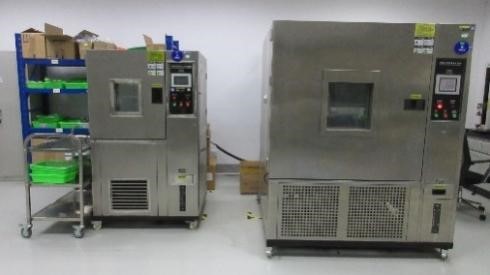
KaiSo has established a complete Quality Assurance System to continuously fulfil the requirements according to ISO9001, 13485, CE, ranging from material procurement to design development and automated production processes.
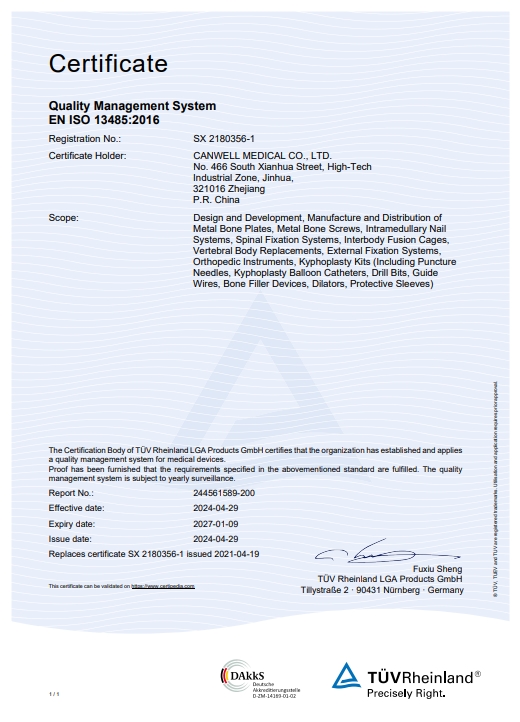 ISO13485
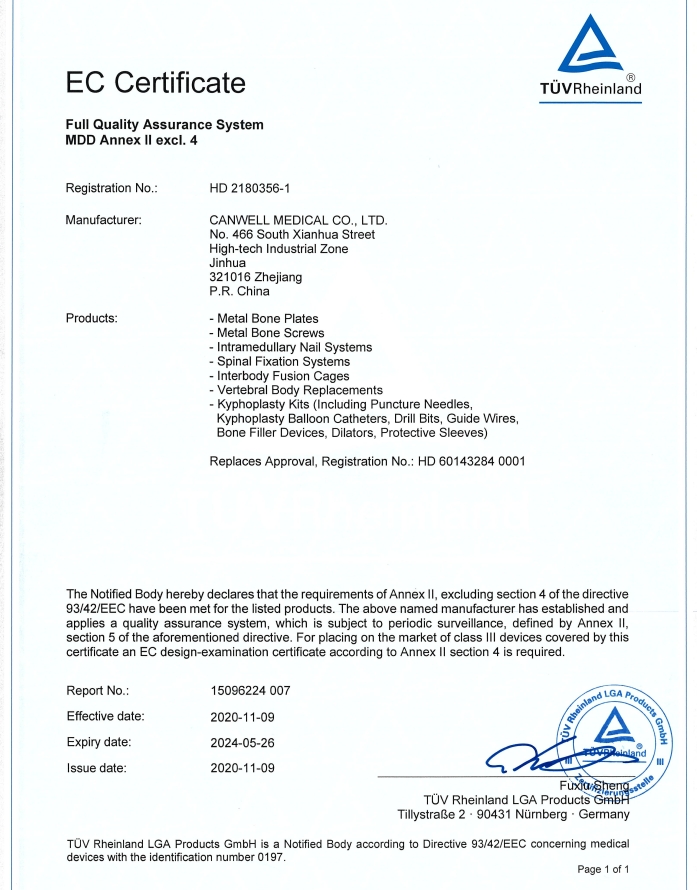 93/42/EEC
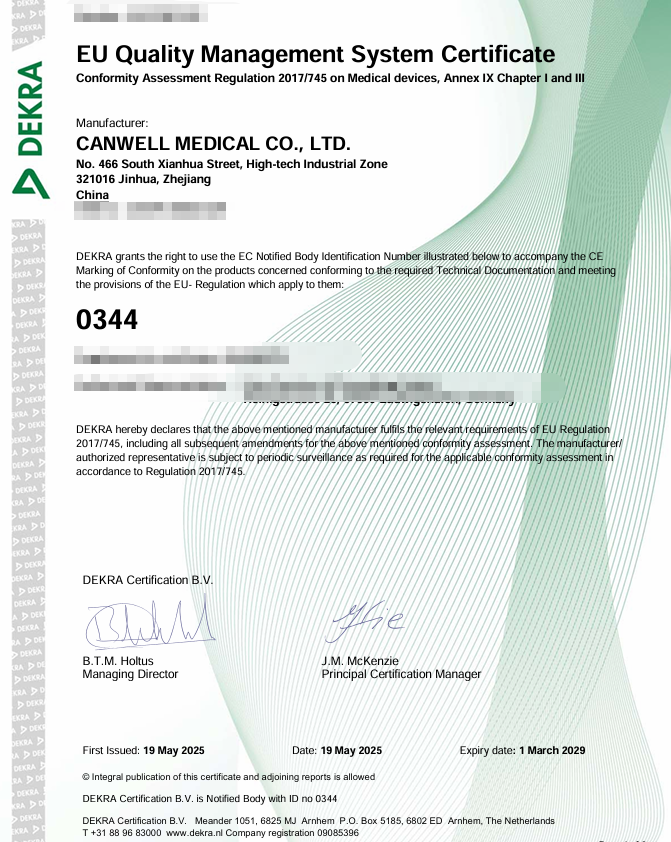 MDR 2017/745
 KaiSo Medical