Explore our leading product portfolio, designed for ultimate surgical performance and long-term bio-stability.
An Industry Whitepaper on Material Metallurgy, Design Customization, and Regulatory Sourcing Standards.
Total Hip Arthroplasty (THA) remains one of the most successful surgical innovations in history. However, its success relies entirely on the mechanical performance, biological safety, and design adaptability of the underlying hip joint components. As global demographics shift and younger, more active patients undergo hip replacements, the demands on orthopedic manufacturers have grown exponentially. Today's implant components must withstand millions of gait cycles, minimize tribological wear, avoid stress shielding, and guarantee zero biocompatibility issues.
At KaiSo, we have spent 22 years mastering the design, engineering, and manufacturing of high-performance orthopedic components. By integrating advanced metallurgy, precise CAD/CAM manufacturing, and strict international compliance standards, we provide robust OEM and ODM solutions to medical device brands, healthcare networks, and scientific researchers worldwide.
“The quality of an orthopedic implant directly determines a patient's post-operative mobility and quality of life. There is no margin for error in metallurgy, sterilization, or dimensional tolerance.”
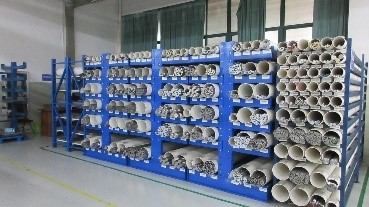
The selection of raw materials is the first and most critical gate in orthopaedic implant safety. Modern hip joint components rely on three primary materials categories, each engineered for distinct biomechanical functions:
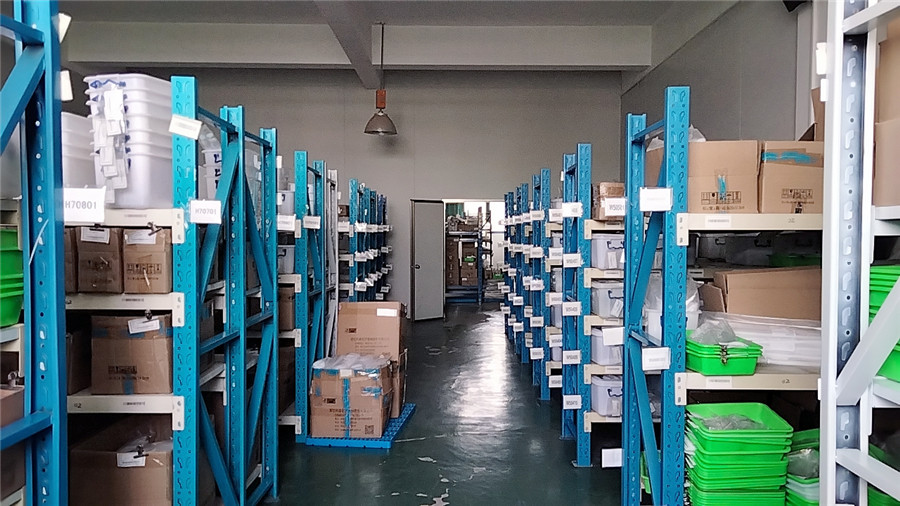
KaiSo guarantees 100% traceability of all raw materials. Every batch of medical-grade metal or polymer is tracked back to its original heat code, accompanied by Mill Test Certificates (MTC) showing exact chemical compositions and physical properties.
No two orthopaedic systems are exactly alike. Different healthcare markets require unique geometry variations to accommodate regional skeletal anatomy. For instance, the femoral neck-shaft angle and medullary canal profiles of East Asian patients often require smaller, more tapered femoral stems than European populations.
Our R&D team consisting of 59 graduate engineers specializes in translating clinical specifications into high-volume manufacturing realities. We support a range of custom services:
• Light Customization: Modifying existing designs (e.g., modifying thread pitches, altering neck lengths, or adding custom instrument interfaces).
• Sample & Graphic Processing: Utilizing client-provided radiographs, 3D anatomical models, or mechanical drawings to reverse-engineer components.
• Custom-on-Demand Engineering: Co-developing next-generation implants using proprietary finite element analysis (FEA) to pre-test stress distributions before CNC prototype tooling begins.
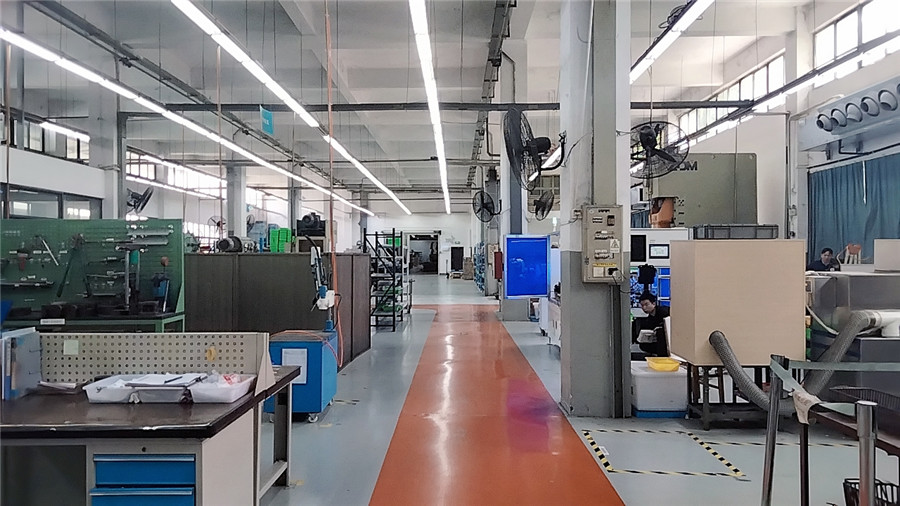
Sourcing orthopedic implants from China offers significant strategic advantages. Over the past two decades, China has built an unparalleled raw material and manufacturing infrastructure. KaiSo’s facility features 29,523 square meters of state-of-the-art floor space, positioning us at the center of this efficient medical ecosystem.
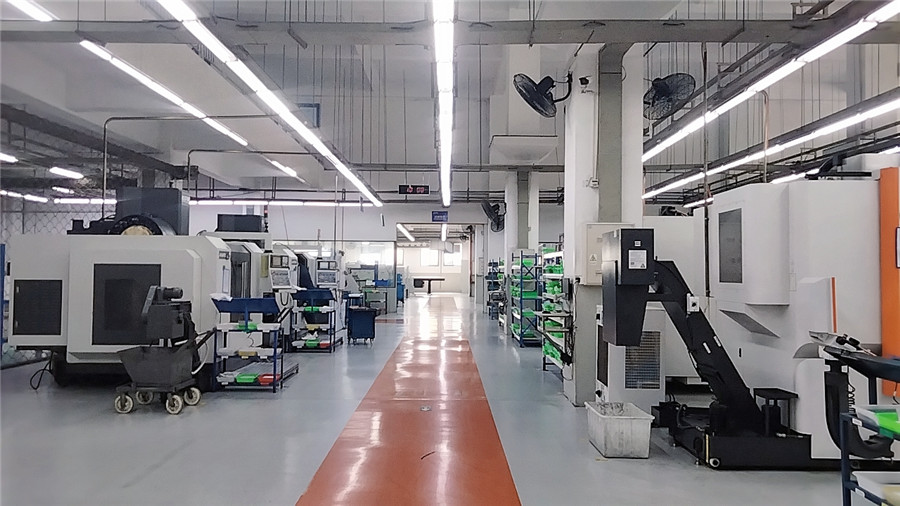
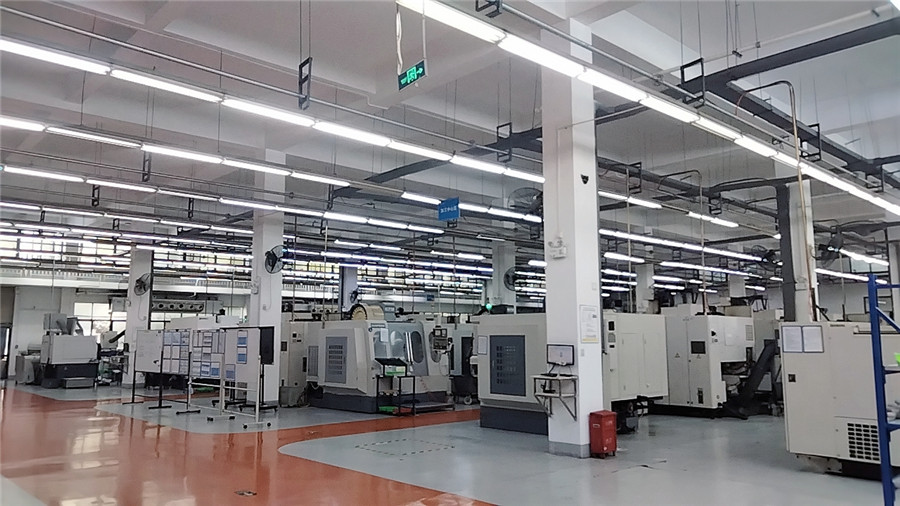
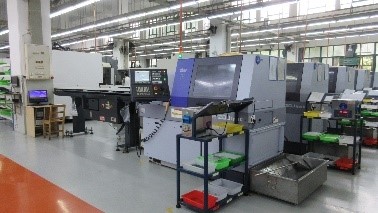
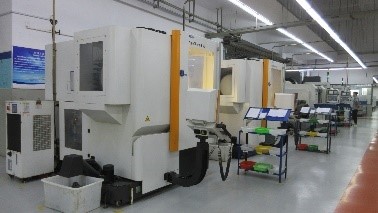
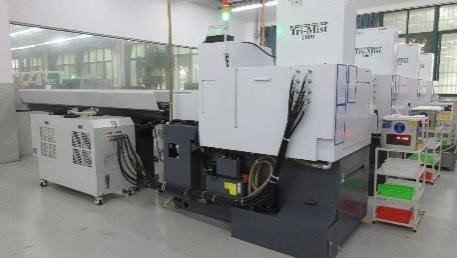
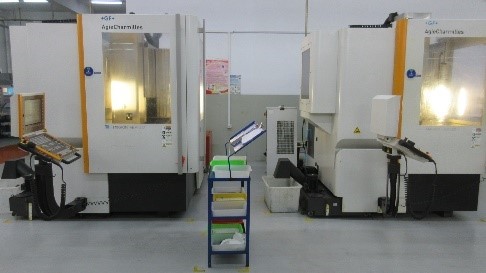
We leverage advanced high-speed CNC milling machines, automated sliding-head lathes, and precision wire EDM cutters to maintain sub-micron dimensional tolerances. These capabilities, coupled with low material-sourcing overheads and efficient logistics, enable us to offer premium orthopedic implants at highly competitive prices. This cost-efficiency allows global medical brands to maintain healthy operating margins while offering cost-effective solutions to hospital systems.
Compliance is the single largest barrier to entry in the orthopaedic device market. Global regulatory frameworks, particularly the transition from the old Medical Device Directive (MDD 93/42/EEC) to the stringent European Medical Device Regulation (EU MDR 2017/745), have forced manufacturers to supply exhaustive clinical data, trace materials down to the grain structure, and build extensive risk management files.
KaiSo operates under a fully integrated, audited Quality Assurance System certified by international notified bodies:
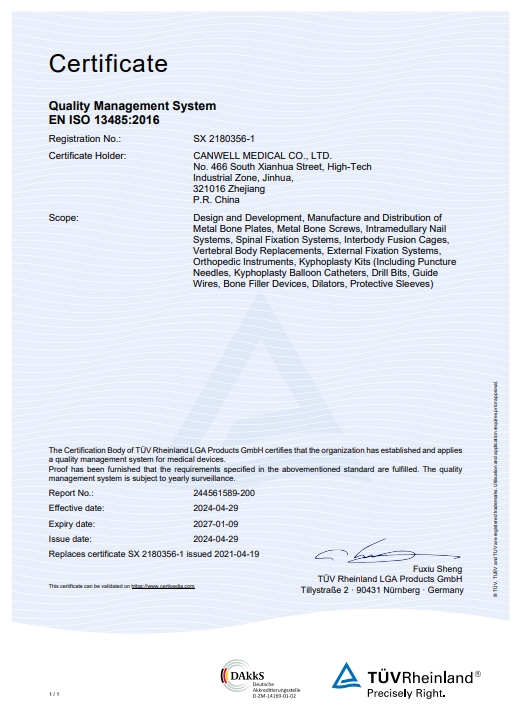
 ISO 13485 Certification
Certificate No: SX 2180356-1
ISO 13485 Certification
Certificate No: SX 2180356-1
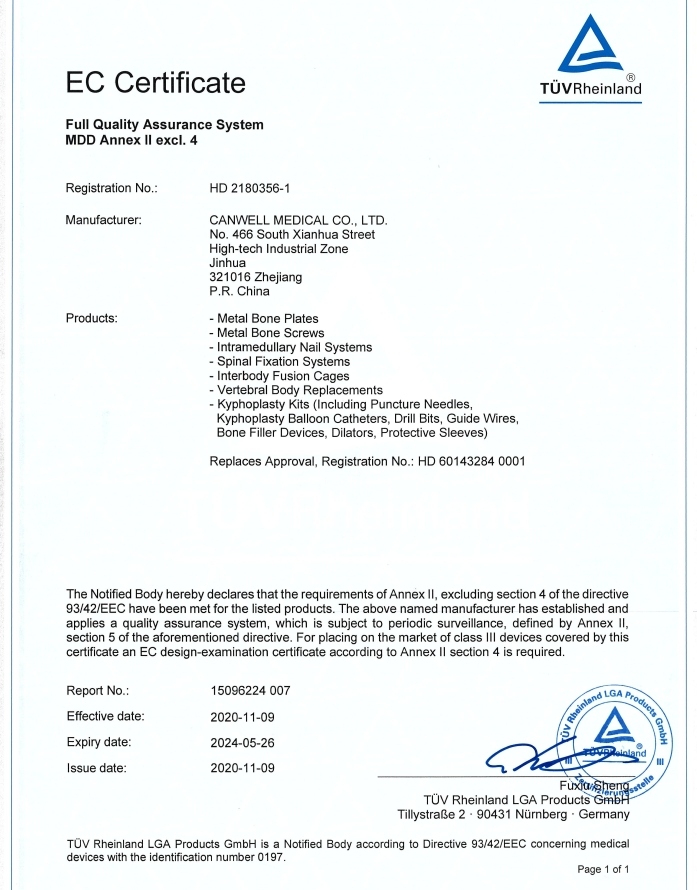
 MDD 93/42/EEC Compliance
Certificate No: HD 2180356-1
MDD 93/42/EEC Compliance
Certificate No: HD 2180356-1
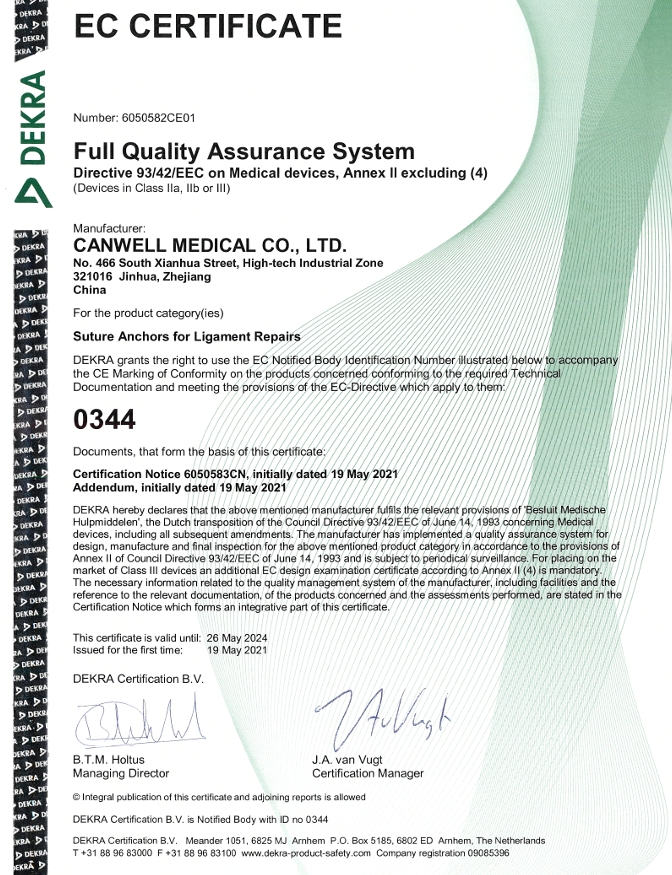 CE Mark Certification
Certificate No: 6050582CE01
CE Mark Certification
Certificate No: 6050582CE01
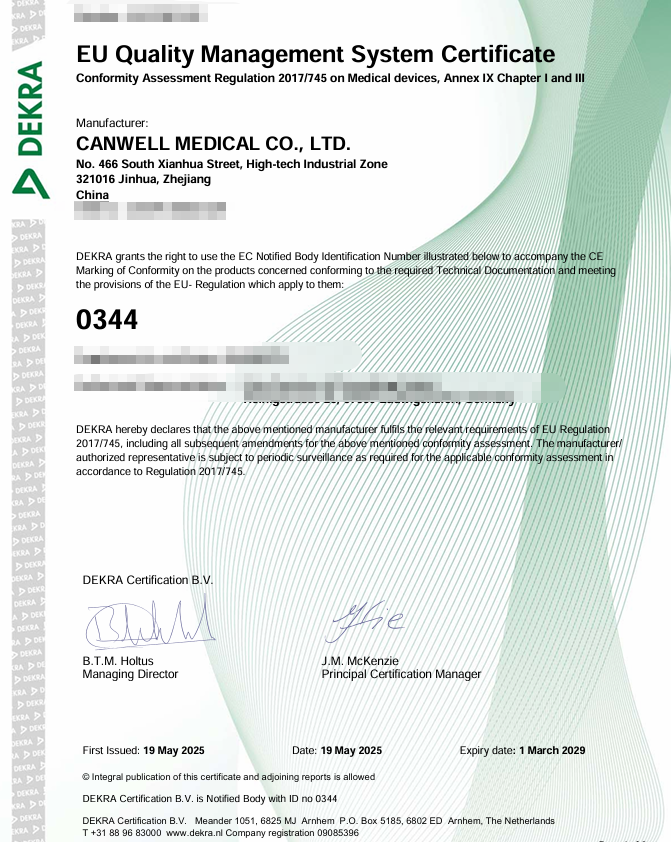
 EU MDR Certification
Certificate No: 6142788CE02
EU MDR Certification
Certificate No: 6142788CE02
Our localized support services extend beyond mere shipping. We help our global partners build technical documentation files (TCF), assist with local regulatory registrations (FDA 510k, ANVISA, NMPA), and ensure our products meet local packaging, sterile-barrier, and labeling requirements.
The applications for modern hip joint components are no longer limited to human medicine. Advanced veterinary medicine is adopting THA techniques for large canine breeds suffering from severe hip dysplasia or osteoarthritis. Sizing presents the primary challenge in veterinary orthopedics; a hip stem designed for a German Shepherd is vastly different from one meant for a human adult.
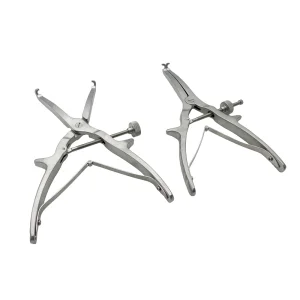
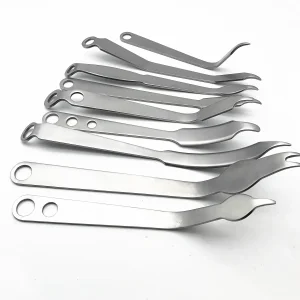
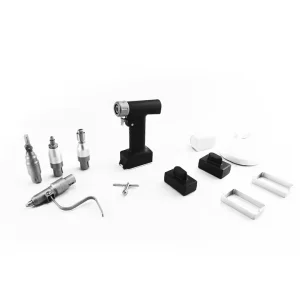
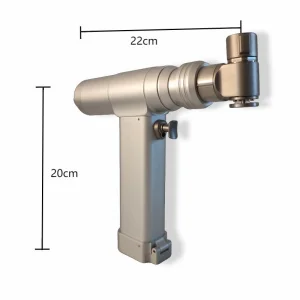
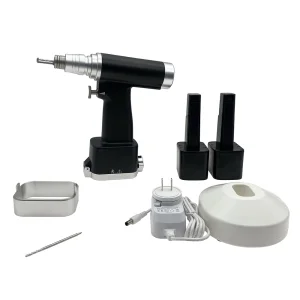
By leveraging our flexible manufacturing setups and specialized products—such as the *BlueSAO Professional Veterinary Orthopedic Implants*, the *BP Mini Drill*, and specialized *Veterinary Hip Joint Retractors*—we enable veterinary device brands to offer highly tailored sizing systems, allowing animals to recover quickly with minimal implant failure rates.
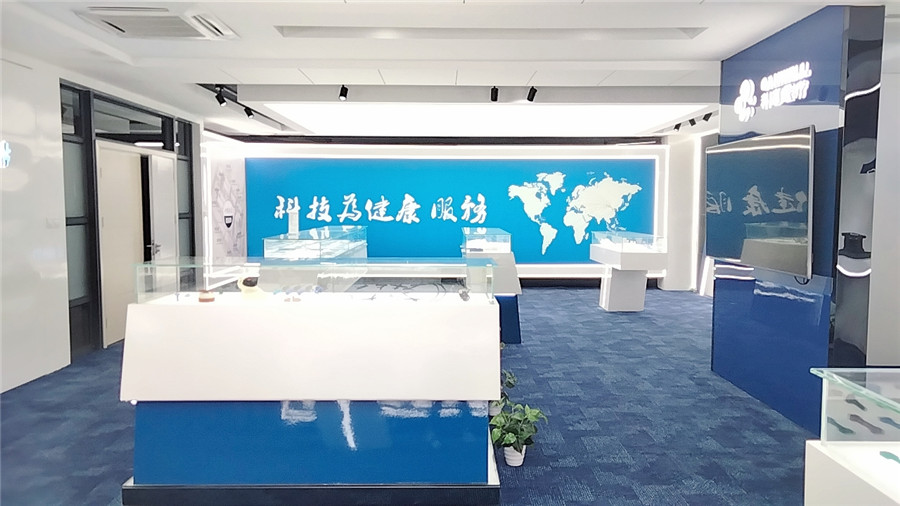
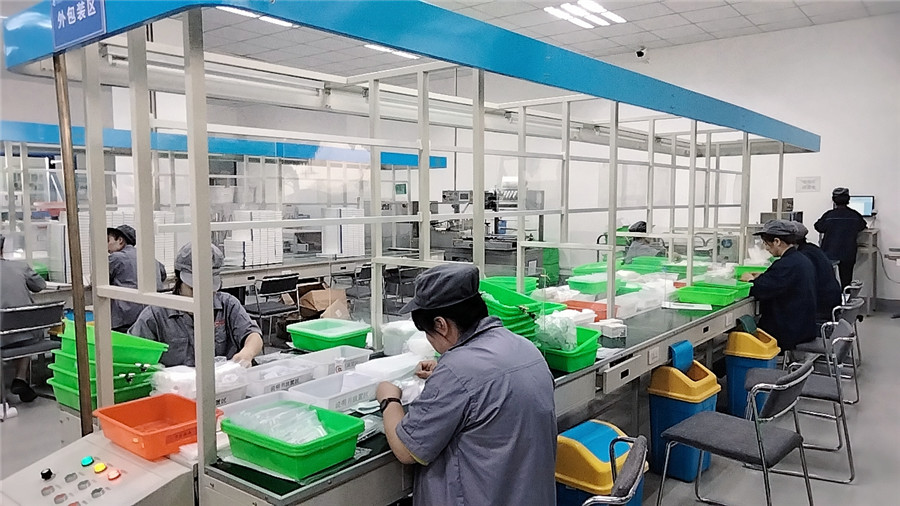
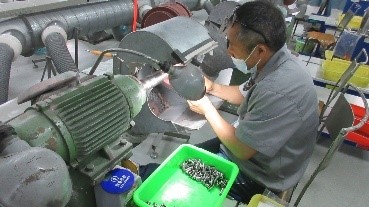
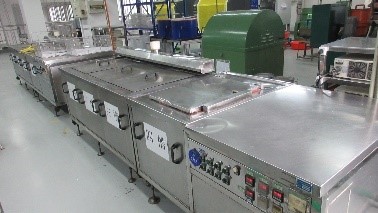
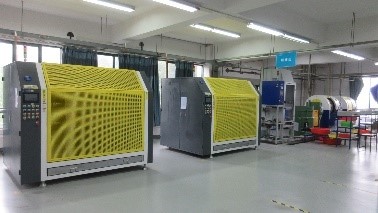
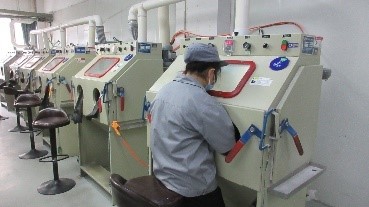
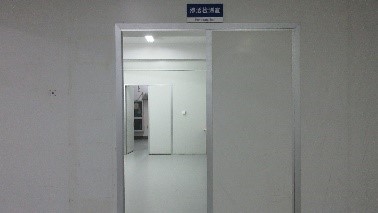
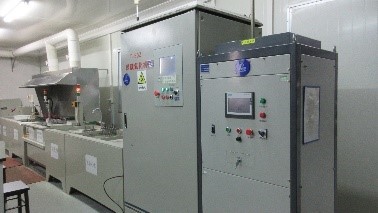
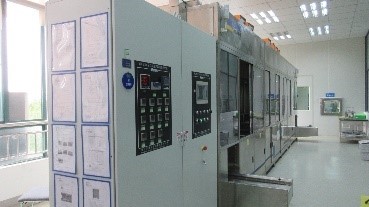
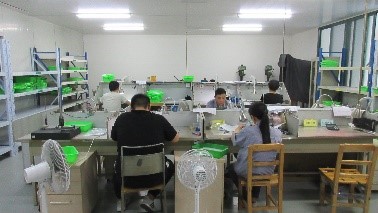
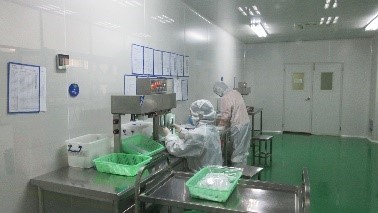
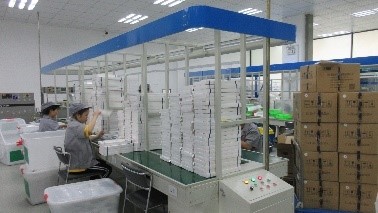
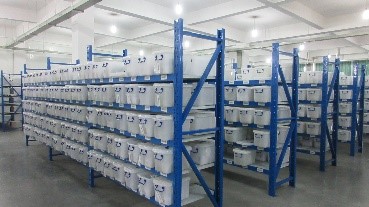
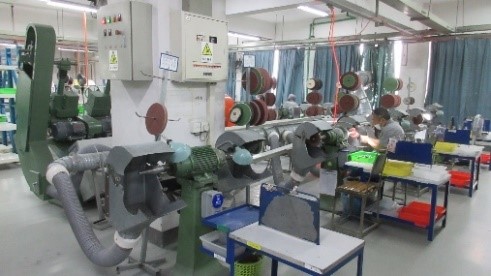
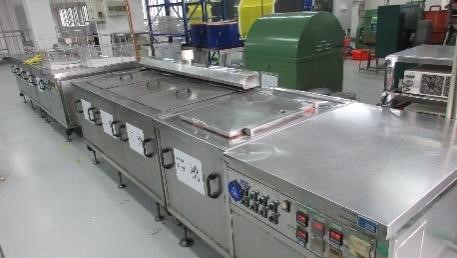
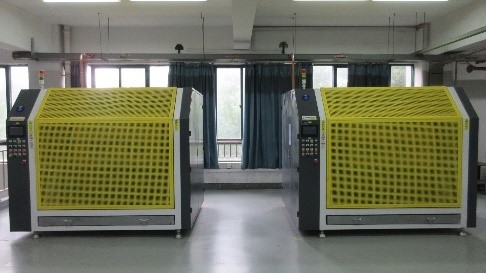
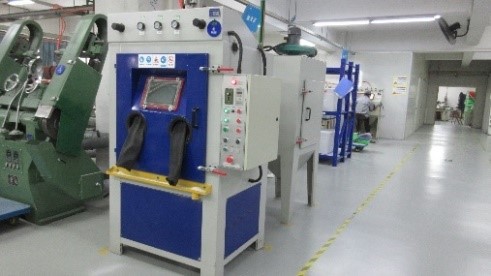
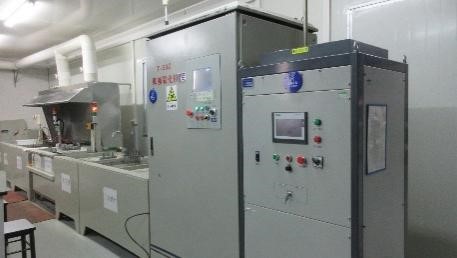
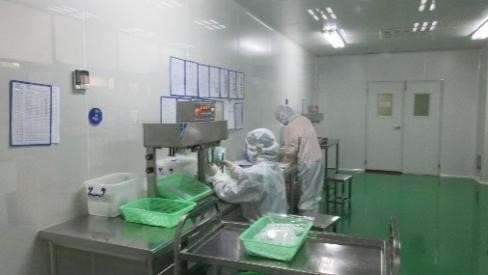
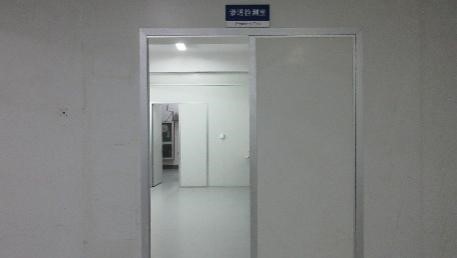
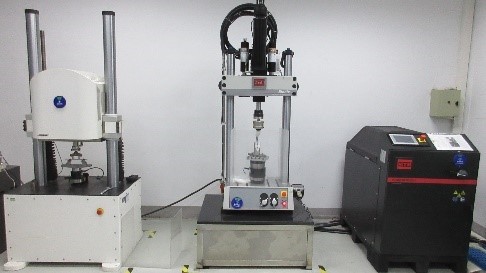
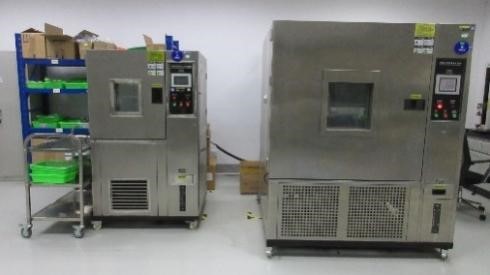
Witness the precision engineering, CNC multi-axis milling, cleanrooms, and testing processes inside our 29,523㎡ facility.
Crucial industrial, regulatory, and engineering questions answered by KaiSo’s senior R&D and QA directors.
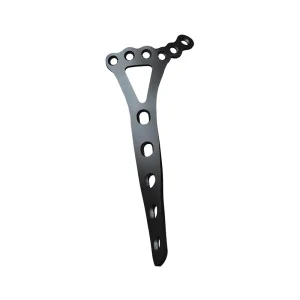
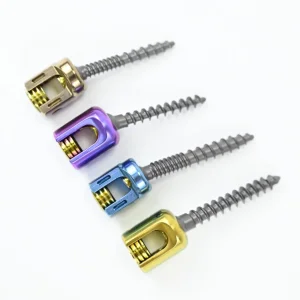
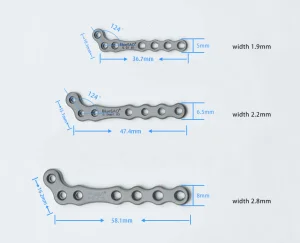
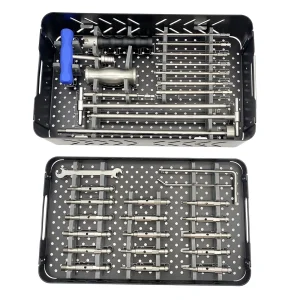
Explore our global portfolio of trauma plate systems, power tools, and specialty instruments.
 KaiSo Medical