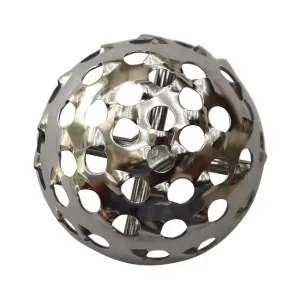
While unipolar implants were the tradition, the global market is shifting toward bipolar hemiarthroplasty to reduce acetabular wear and improve post-operative mobility. Our ODM services focus on dual-axis movement designs that mimic natural joint kinematics.
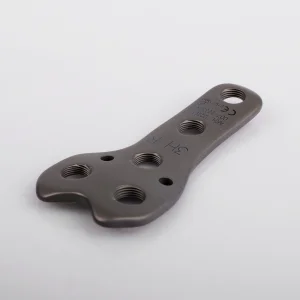
We utilize medical-grade Titanium (Ti6Al4V) and Cobalt-Chrome (CoCrMo) alloys, ensuring that every implant meets the rigid fatigue-strength requirements for geriatric trauma management.
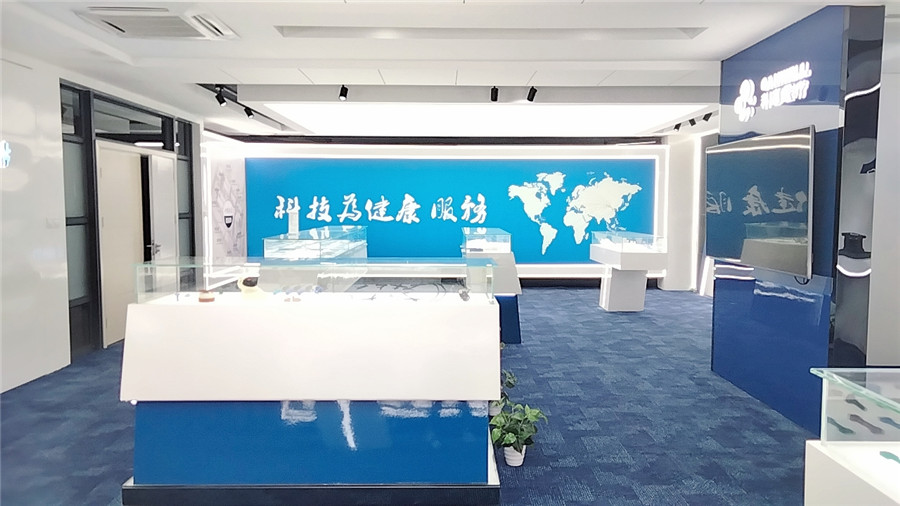
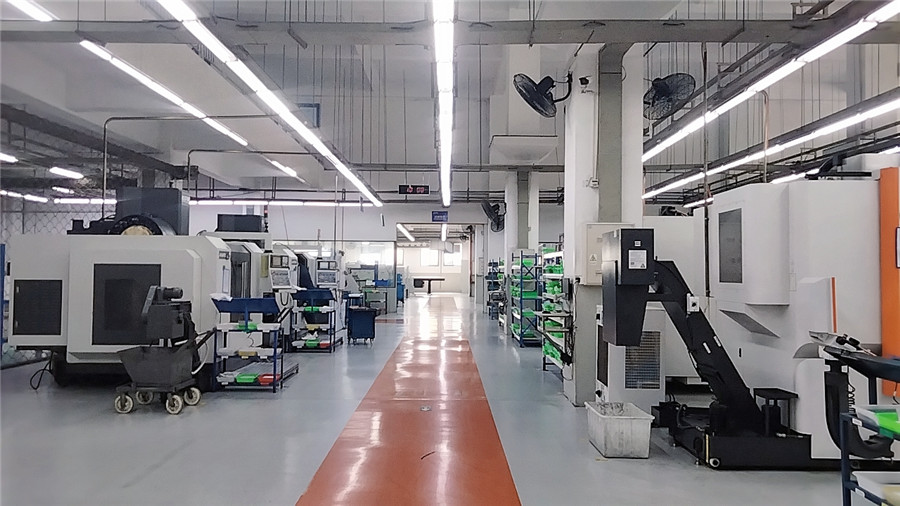
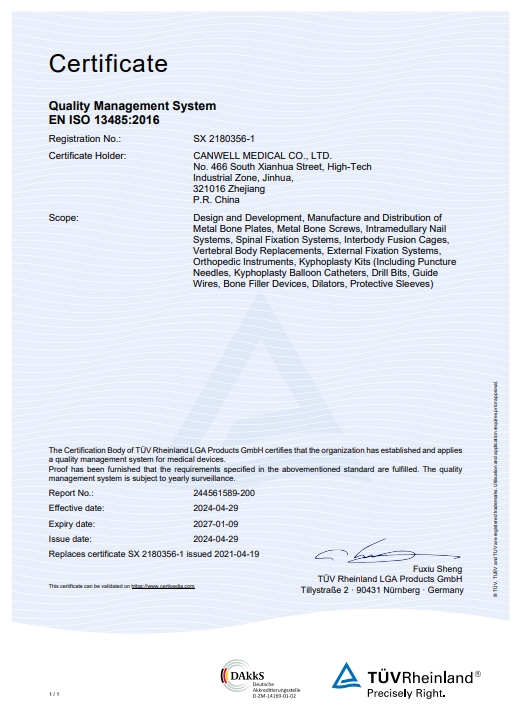
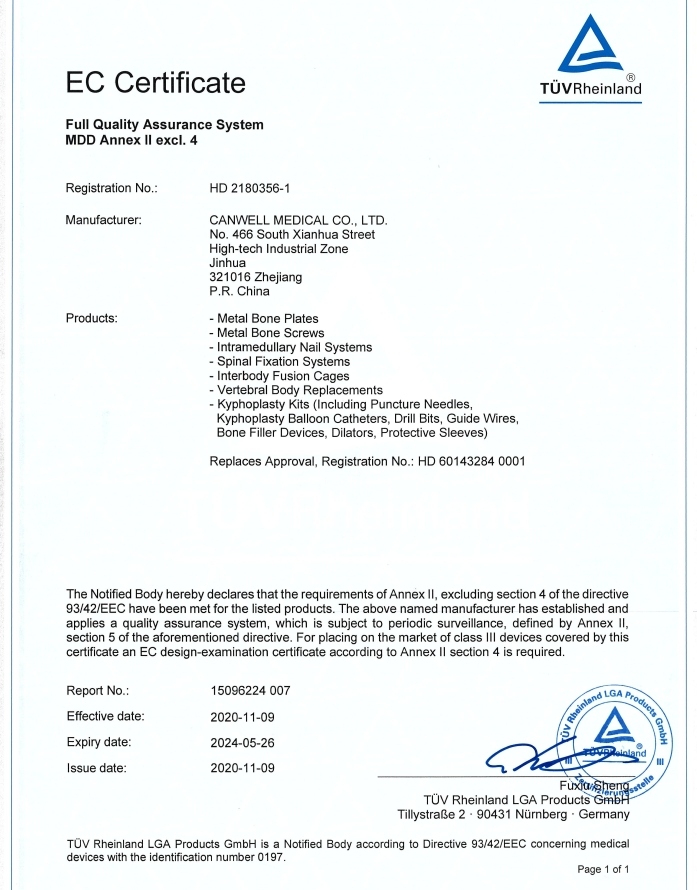
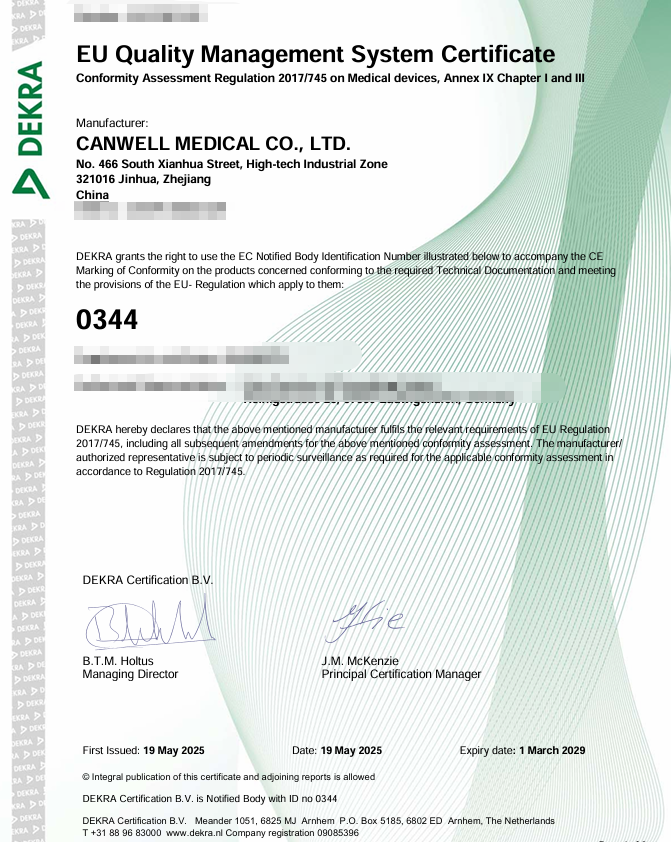
By optimizing the global supply chain, our manufacturing facility reduces the financial burden on healthcare systems while maintaining the CE and MDR certifications necessary for top-tier hospital deployment.
Integrating sensor technologies for post-operative monitoring of implant stability and infection markers. Our R&D team is currently prototyping Bluetooth-enabled femoral stems.
Moving beyond plasma spraying, we are adopting Electron Beam Melting (EBM) to create trabecular-like surfaces that enhance osseointegration and reduce the risk of aseptic loosening.
Implementing a zero-waste production cycle by 2026, focusing on sustainable titanium recycling and energy-efficient CNC machining centers.
Under the new Medical Device Regulation (MDR) in the EU, we provide complete technical documentation (TD) and clinical evaluation reports (CER) for all OEM partners.
We support local distributors in South America (30%), Southeast Asia (20%), and Western Europe (20%) with tailored packaging, language-specific IFUs, and regional regulatory registration.
Our raw material traceability ensures that every titanium batch can be traced back to its source, mitigating risks in the highly regulated orthopedic market.
Fast-track fracture management requiring high-volume, standardized hemiarthroplasty kits. Our "Ready-to-Use" sterile OEM packaging streamlines ER workflows.
Custom ODM solutions for complex anatomy, including short-stem designs for younger patients or bone-conserving techniques.
Extending human-grade implant technology to the veterinary sector, supporting feline and canine hip replacement surgeries with downscaled precision instruments.
Typically, the R&D phase takes 4-8 weeks from initial CAD design to prototype, followed by a rigorous testing phase depending on clinical requirements.
We use exclusively Ti6Al4V ELI (Extra Low Interstitials) grade materials and conduct ISO 10993 cytotoxicity and sensitization testing for every new product line.
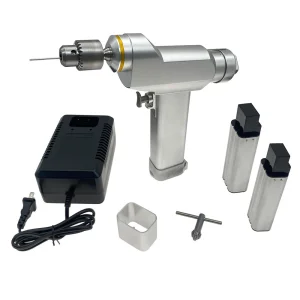
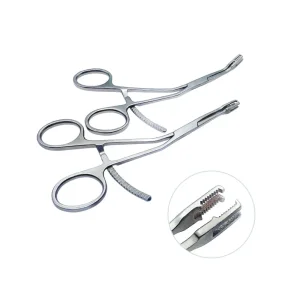
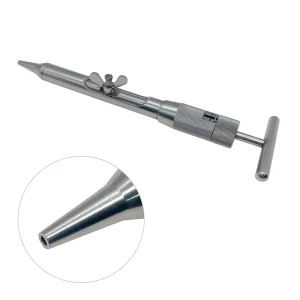
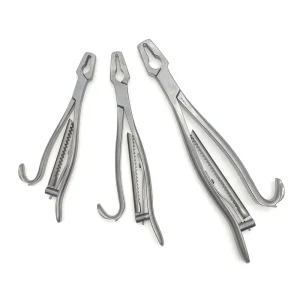
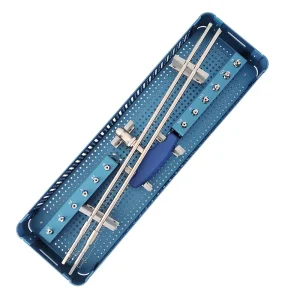
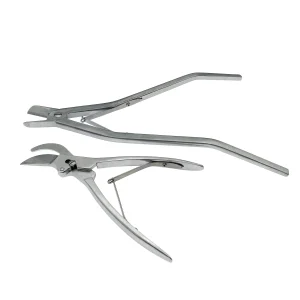
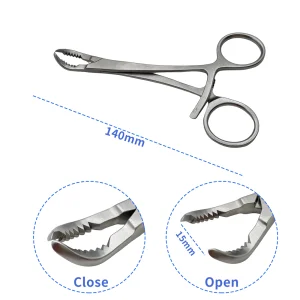
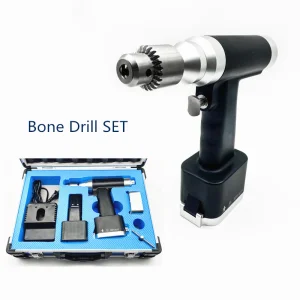
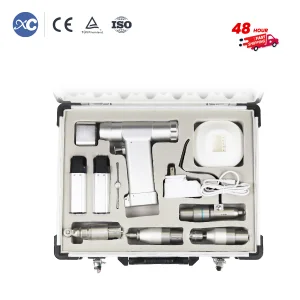
Yes, we manufacture full surgical sets, including reamers, impactors, and trial heads, to ensure perfect compatibility between the implant and the tool.
We offer flexible MOQ for established brand businesses and wholesalers to allow for market testing and inventory management.
Absolutely. Our regulatory affairs team provides all necessary dossiers, including ISO 13485 certificates and technical files for FDA or local MOH submissions.
Every single implant is laser-marked with a unique UDI (Unique Device Identification) code, allowing full traceability from raw material melt to the specific patient surgical record.
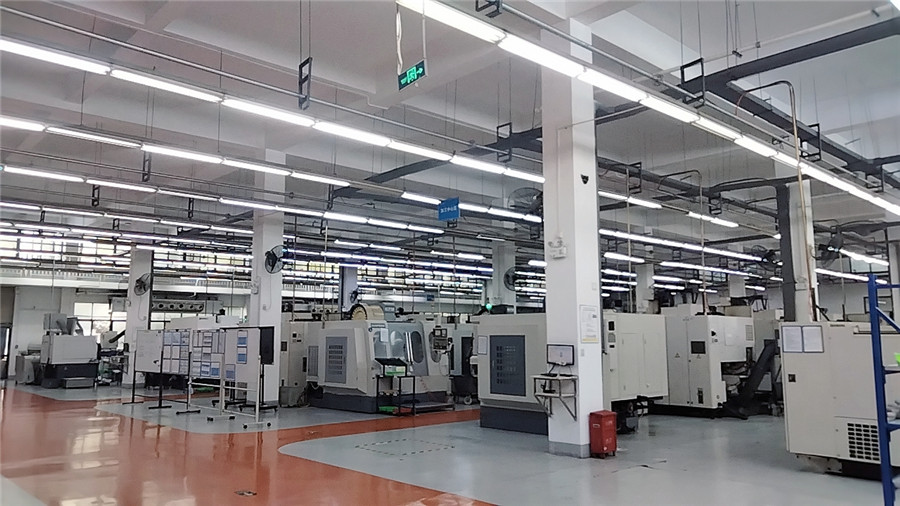
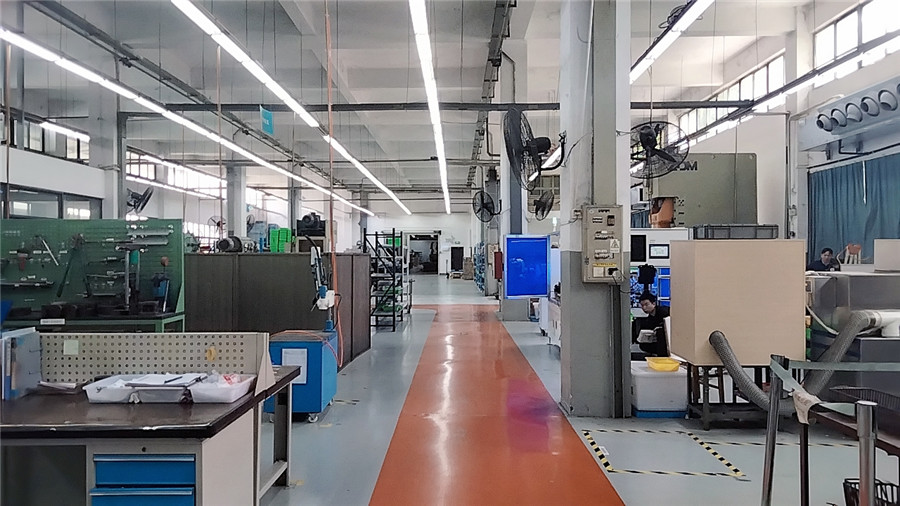
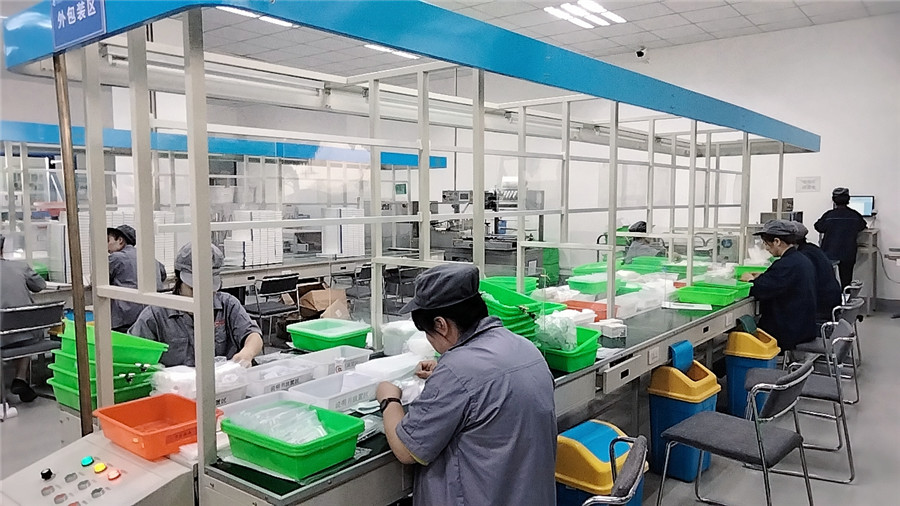
 KaiSo Medical