Premium reconstructive bone screws, cages, and surgical systems manufactured for maximum biocompatibility and structural integrity.
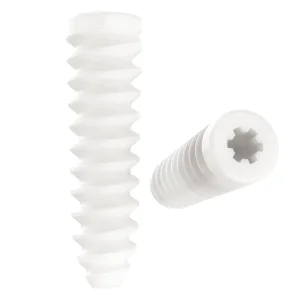
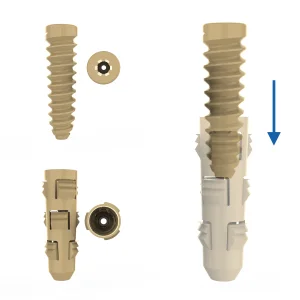
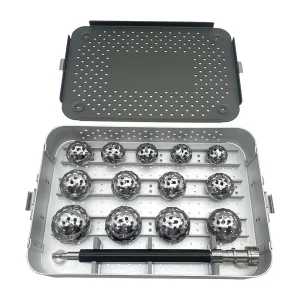
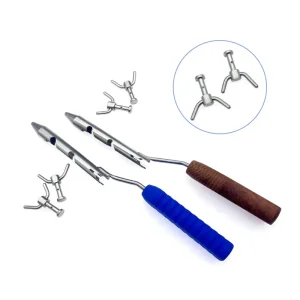
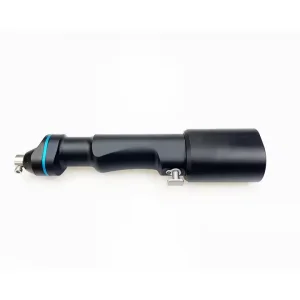
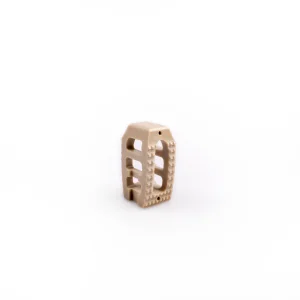
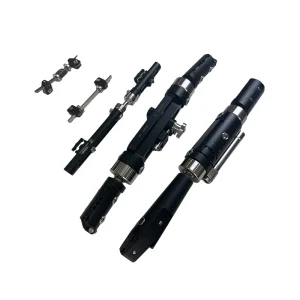
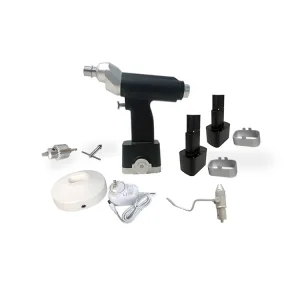
Demanding clinical realities dictate that orthopedic plate systems must be manufactured to zero-tolerance specifications. Medical implant distributors and hospital chains require uncompromising biocompatibility, fatigue strength, and geometric alignment.
In the realm of orthopedic traumatology, osteosynthesis plate systems act as primary mechanical supports that facilitate bone healing under constant dynamic loads. For global procurement officers, evaluation of an OEM factory extends far beyond the price-per-unit. A qualified manufacturing partner must demonstrate strict mastery over metallurgical parameters, surface modification techniques, and cleanroom handling. Crucial sourcing metrics include:
Information Gain Insight: Advanced mechanical characterization—such as dynamic fatigue testing according to ASTM F382 (Standard Test Method for Metallic Bone Plates)—is crucial to ensure implant longevity and prevent premature hardware failure in patients.
Combining decades of medical device manufacturing experience with precision engineering and automated quality control.
From rapid prototyping to mass manufacturing, we offer light customization, sample processing, and custom-on-demand design options leveraging our 59 graduate-level R&D engineers.
With 69 dedicated QA/QC inspectors, we ensure 100% traceability of raw materials and implement continuous inspection lines to maintain zero-defect standards.
Our operations are fully certified in accordance with ISO 13485, CE (93/42/EEC), and the new European Medical Device Regulation (MDR 2017/745).
Navigating regional registration schemes is the single highest barrier to entry for orthopedic exporters. Our dedicated regulatory affairs department provides turnkey documentation package services to streamline entry into highly regulated medical corridors.
Medical devices classified as Class IIb or Class III (implants, bone plates, fusion cages) require rigorous validation data before they can be sold in sovereign healthcare markets. At KaiSo, we maintain a complete Quality Assurance System to continuously fulfill the requirements of ISO 9001, ISO 13485, and CE certificates. This compliance umbrella ensures our OEM clients receive complete Technical Documentation Files (TDFs), including:



Our facility leverages China’s highly integrated manufacturing ecosystems to deliver unrivaled cost-efficiencies, specialized metallurgical talent, and rapid scaling capabilities.
In the highly competitive medical implant industry, finding a balance between extreme precision and unit cost is paramount. China has developed a comprehensive industrial cluster specializing in advanced metallurgy, precision toolmaking, and medical-grade surface finishing. This localization of secondary and tertiary supplier networks allows KaiSo to source premium raw titanium rods, PEEK polymers, and specialized custom machining tools at localized cost margins. Key supply chain indicators include:
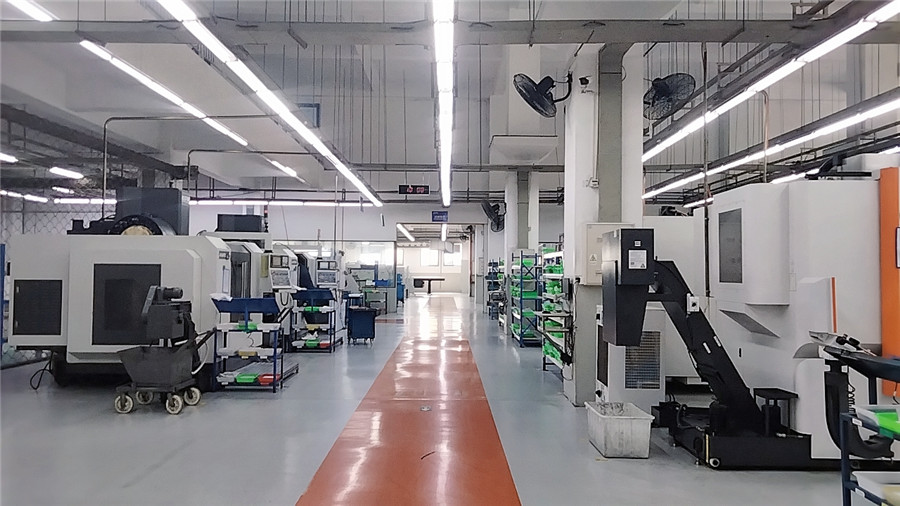
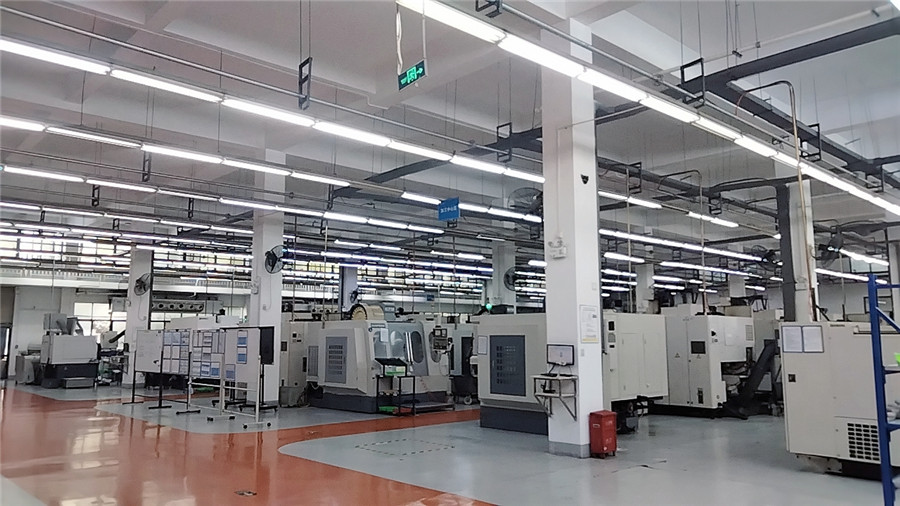
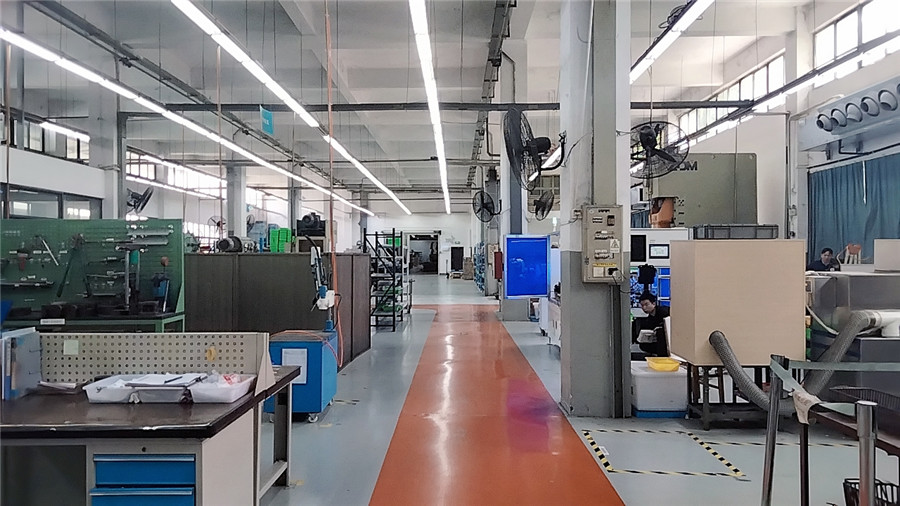
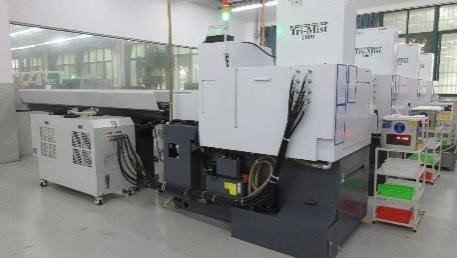
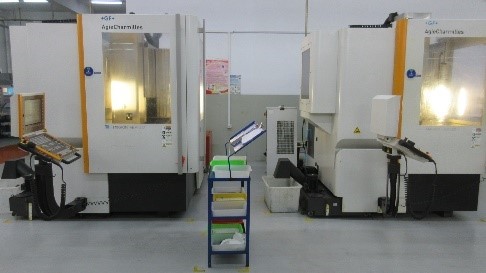
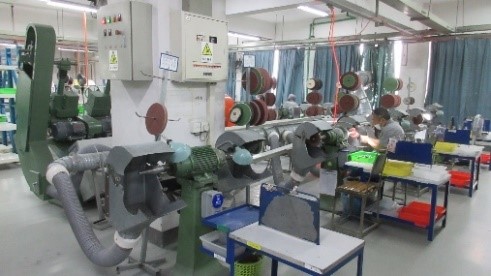
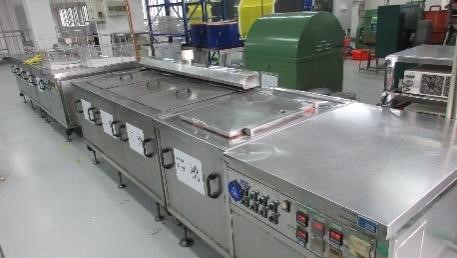
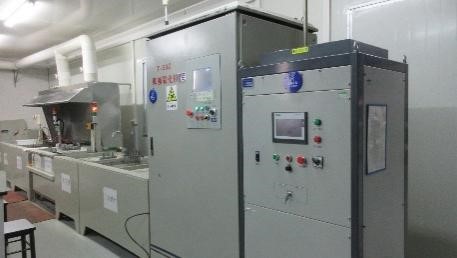
From billet cutting and hot forging to final electrochemical polishing and automated visual sorting, all primary production stages are executed within our 29,523㎡ facility. This eliminates logistical transit delays and reduces cross-contamination risks.
Our production lines run continuous shifts, meaning tooling setups can scale instantly to accommodate large clinical bulk orders. This flexibility is backed by 59 R&D graduates ready to modify designs to meet dynamic market trends.
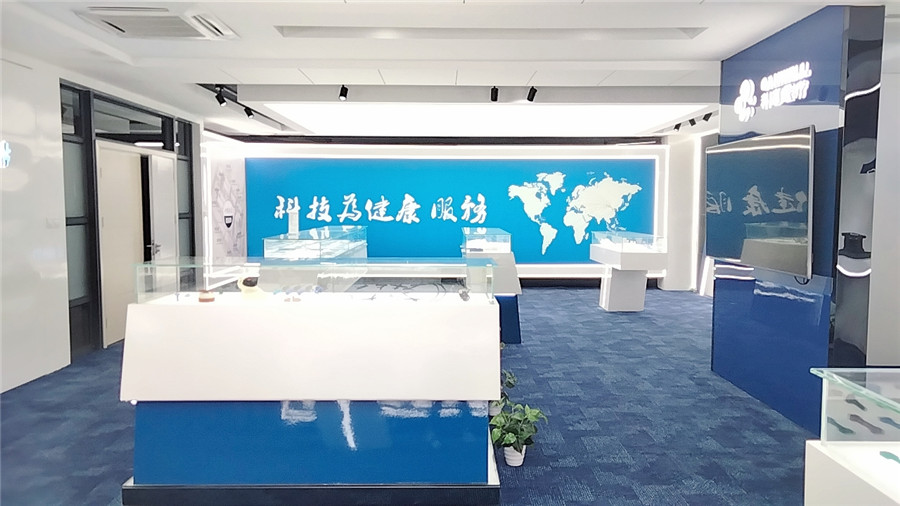
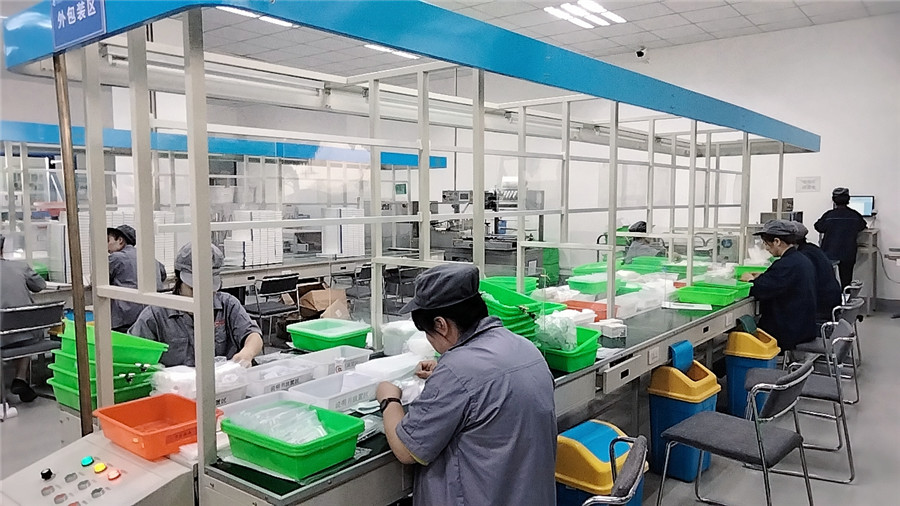
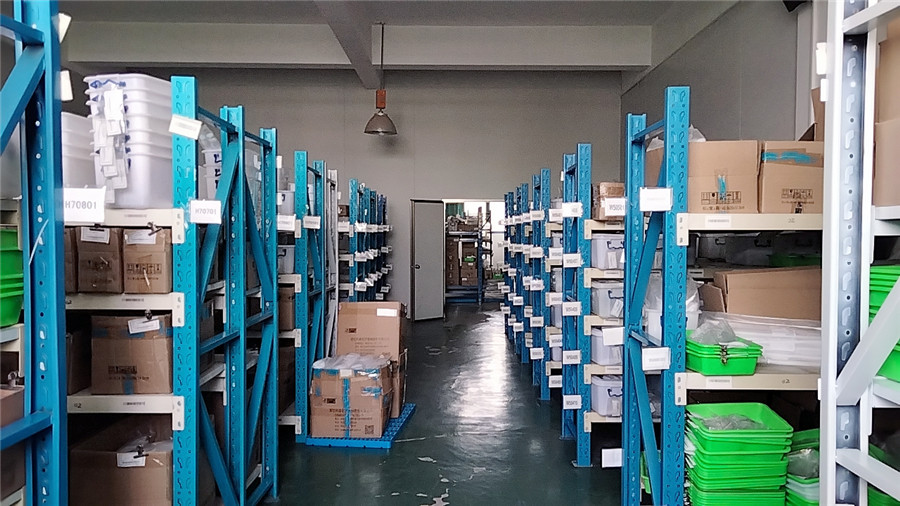
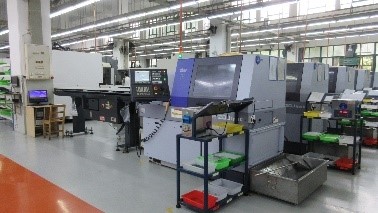
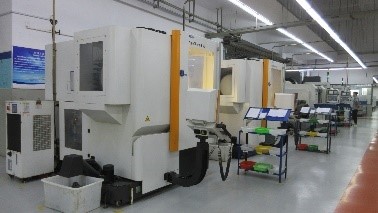
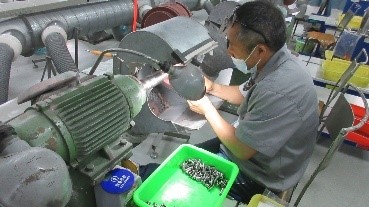
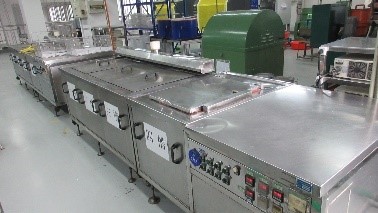
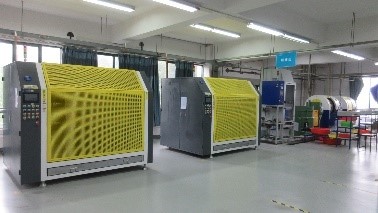
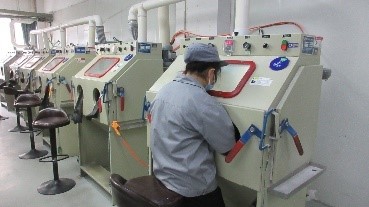
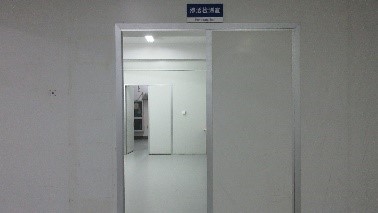
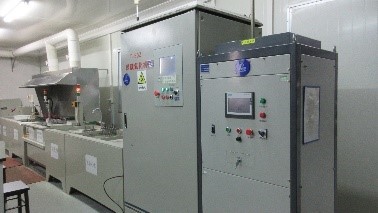
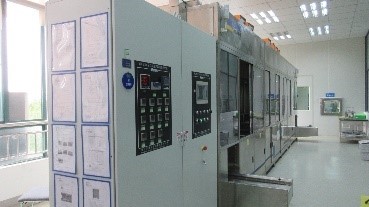
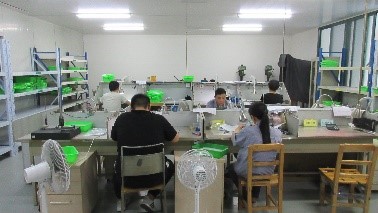
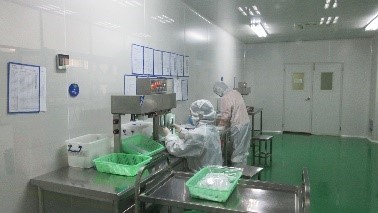
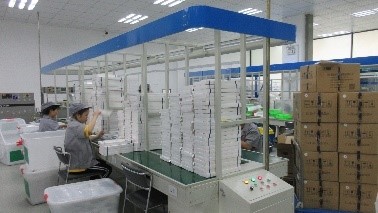
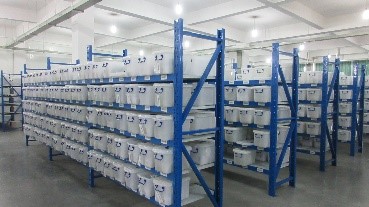
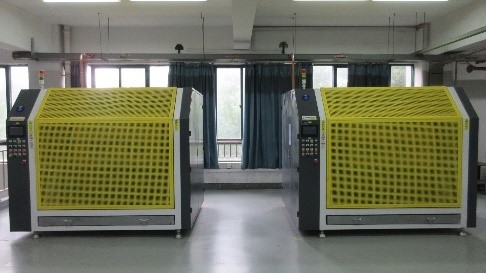
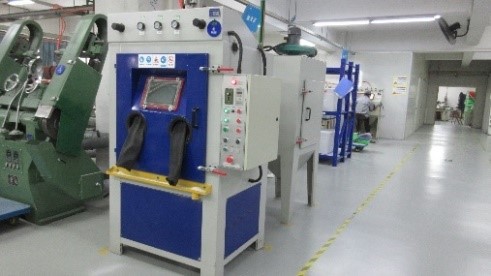
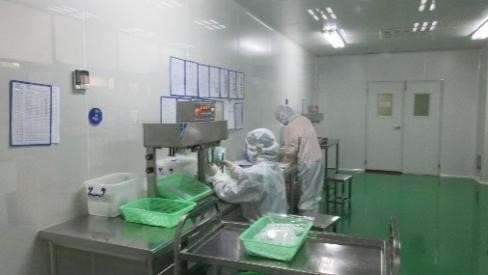
Original photographic records documenting our manufacturing machines, testing laboratories, cleanrooms, and automated testing rigs.
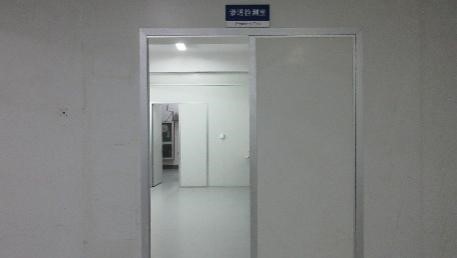
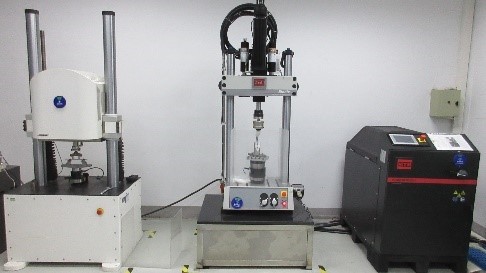
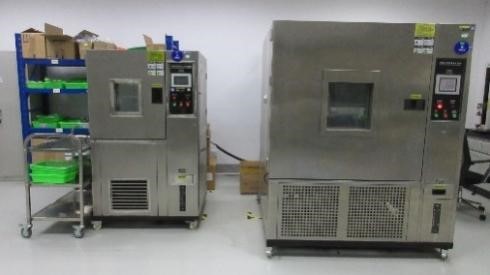
Clinical focus is rapidly shifting from inert, passive structural supports to smart, bioactive, and patient-specific implant designs.
Over the last decade, advancements in material science and computerized modeling have transformed reconstructive orthopedics. Modern clinics prefer locking plate geometries that respect blood supply to the periosteum while providing angular stability. Additionally, new developments in surface textures promote faster osseointegration. Global buyers must monitor several key trends:
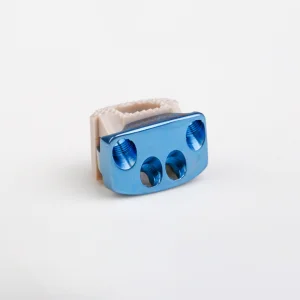
Polyetheretherketone (PEEK) is replacing metal in spinal fusion applications due to its elastic modulus, which closely matches human cortical bone. This reduces stress shielding and helps prevent implant migration.
Made of biodegradable polymers (PLDLA, PLLA), these screws support the tissue during the critical healing phase, then gradually degrade safely. This eliminates the need for secondary implant retrieval surgeries.
By using anatomical data libraries, manufacturer tooling can shape contoured locking plate geometries that fit targeted patient populations without requiring pre-operative manual bending.
Our implant portfolios are carefully optimized to deliver outstanding biomechanical performance across diverse clinical contexts.
Orthopedic trauma, spine correction, sports medicine, and veterinary surgery present distinct challenges that require custom hardware design solutions:
Verifiable operational parameters documenting our industrial footprint and market position.
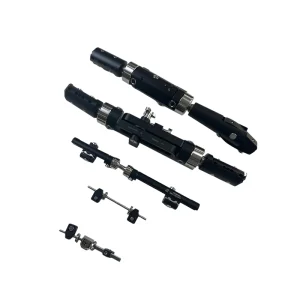
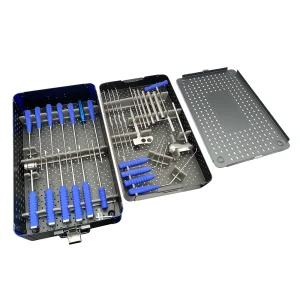
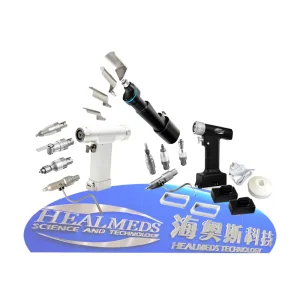
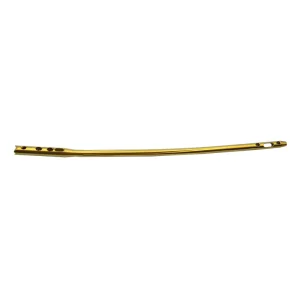
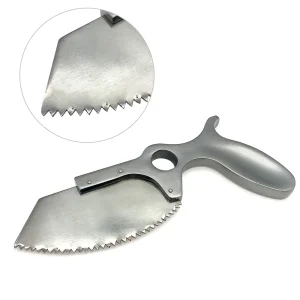
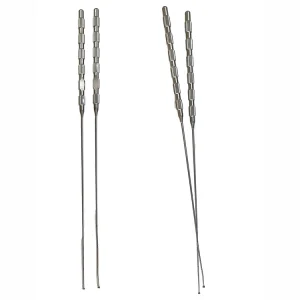
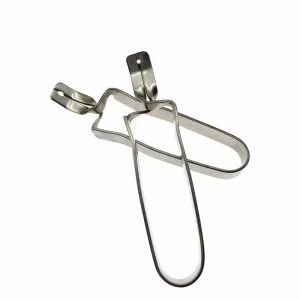
High-precision orthopedic power tools, external fixators, and hand instruments engineered to support precise clinical execution.
Answers to common technical, manufacturing, and compliance questions from our global orthopedic partners.
We operate a strict raw material entry protocol. Every batch of Titanium (Ti-6Al-4V ELI) or implant-grade PEEK from approved mills arrives with raw mill test reports detailing chemical composition and physical properties. We issue internal tracking numbers mapped to production runs, providing end-to-end traceability from raw billet to finished, sterilized implant.
For custom designs, our 59 R&D engineers review drawings or target anatomical shapes within 7 to 10 working days. Pre-production sample runs are usually completed within 30 to 45 days, depending on tooling requirements. Once samples are approved, mass production timelines vary from 45 to 60 days.
Yes, our facilities have updated their compliance frameworks to meet the requirements of the new European Medical Device Regulation (MDR 2017/745). Our certification (MDR 6142788CE02) covers high-risk orthopedic implants and spinal cage families, facilitating smooth import clearance within the EU and aligned global markets.
We use online precision measurement systems, coordinate measuring machines (CMMs), and profile projectors. Our 69 QA/QC inspectors run first-article checks, in-process inspections every 30 minutes, and 100% visual inspection of crucial dimensions before parts move to polishing, passivation, and ultrasonic cleaning stages.
Yes, we offer sterile single-unit packaging and bulk non-sterile configurations based on customer preferences. Our medical-grade Tyvek pouch heat-sealing processes are validated to maintain sterile integrity under long-term storage conditions, conforming to ISO 11607 standards.
We support multiple surface treatments, including electrochemical anodization (which helps surgeons visually identify different implant sizes), acid etching, sandblasting to enhance bone contact surface roughness, and HA (hydroxyapatite) coatings to accelerate bone growth into titanium surfaces.
 KaiSo Medical