An In-depth Analysis of Global Markets, Manufacturing Excellence, and Clinical Breakthroughs
The global spinal fixation market is undergoing a seismic shift. Occipito-Cervical (OC) fixation remains one of the most complex procedures in neurosurgery and orthopedics, addressing instability at the craniovertebral junction caused by trauma, rheumatoid arthritis, or tumors. Current trends show a move toward low-profile titanium alloy constructs that offer superior biocompatibility and MRI compatibility.
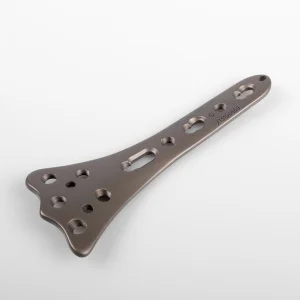
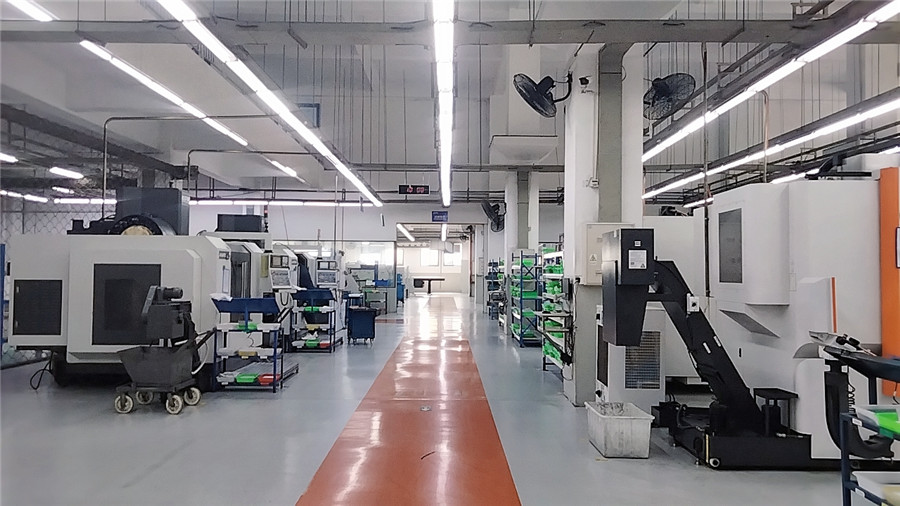
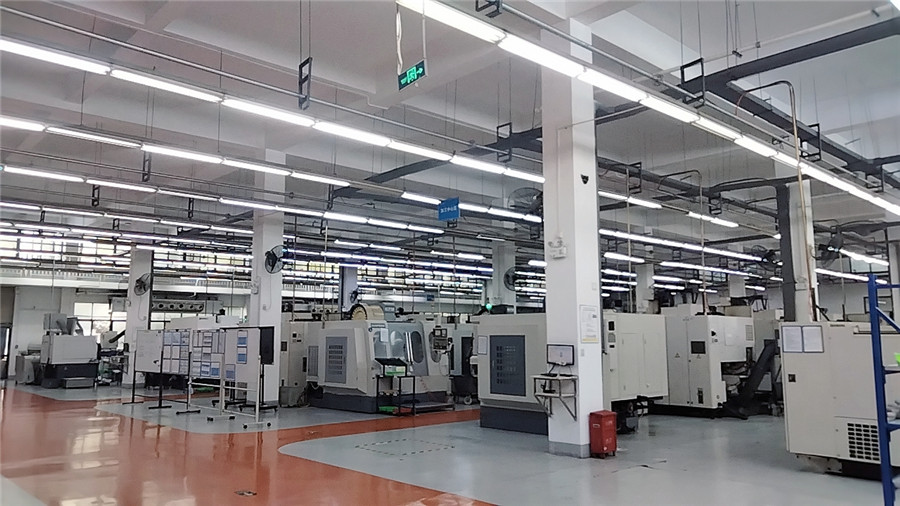
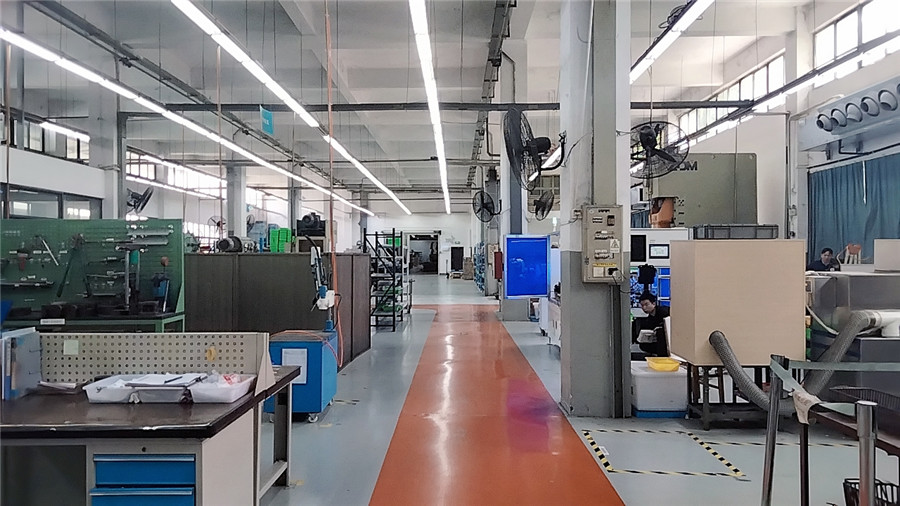
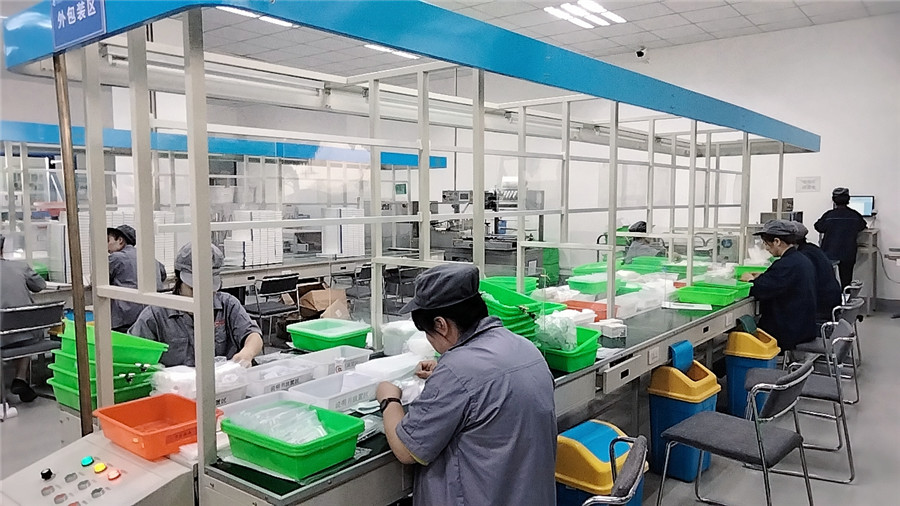
China has evolved from a high-volume producer to a high-precision innovator. Leading manufacturers now leverage 5-axis CNC machining and automated quality control to meet stringent international standards. The efficiency of the Chinese supply chain allows for significant cost reduction without compromising the structural integrity of complex occipital plates and polyaxial screws.
Utilizing Medical Grade 5 Titanium (Ti-6Al-4V), manufacturers are now producing rough-surfaced implants that promote better osseointegration. Advanced anodization techniques provide color-coding for easy intraoperative identification, while fatigue testing ensures the constructs can withstand the high mechanical stresses of the head-neck transition zone.
Years Industry Experience
Graduate R&D Engineers
QA/QC Inspectors
13485 & CE Certified
In developing markets, the demand is for "robust versatility"—implants that can handle a wide range of traumatic injuries with simplified instrumentation. In contrast, Western markets demand MDR-compliant, high-end customized solutions. China-based suppliers like KaiSo are bridging this gap by offering modular system designs that are adaptable to both high-trauma centers and specialized spinal clinics.
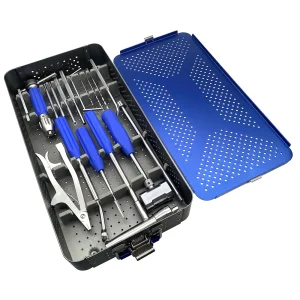
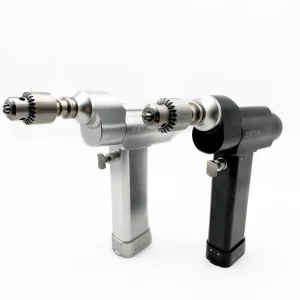
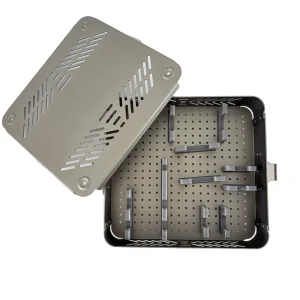
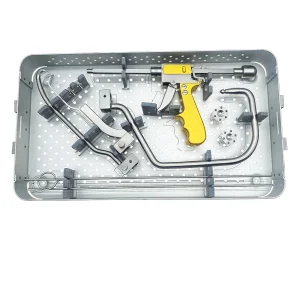
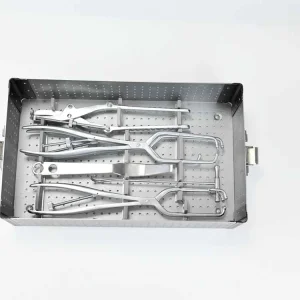
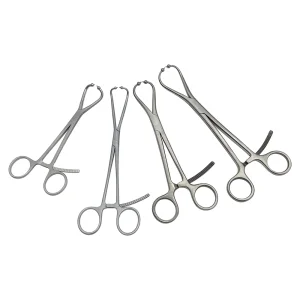
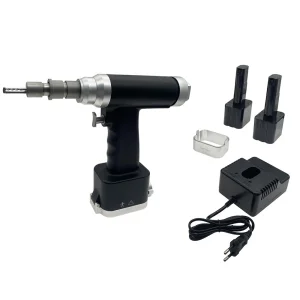
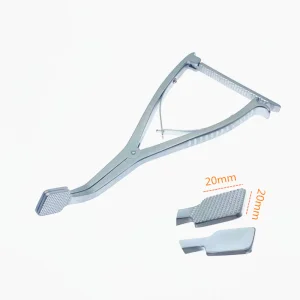
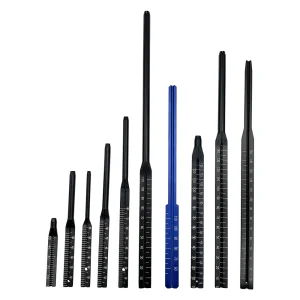
B2B buyers, including hospital groups and medical device distributors, are increasingly looking for "One-Stop" manufacturers. This includes not just the implants (occipital plates, rods, screws) but the entire instrument set. The requirement for traceability of raw materials and post-market surveillance data has become a non-negotiable standard for global procurement contracts.
The integration of 3D-printed patient-specific implants (PSI) is the next frontier. While standard wholesale focuses on mass-produced high-quality components, the ability to integrate with navigation systems and robotic-assisted surgery platforms is defining the competitive landscape for the next decade.
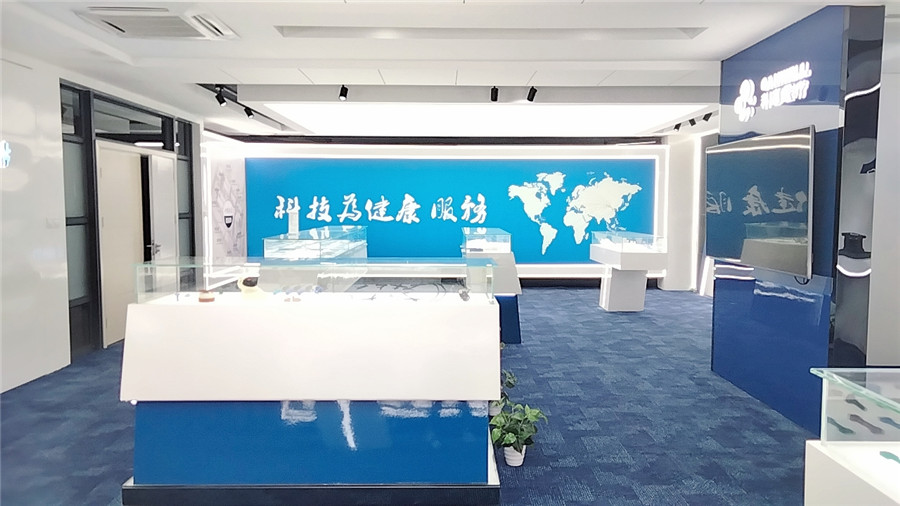
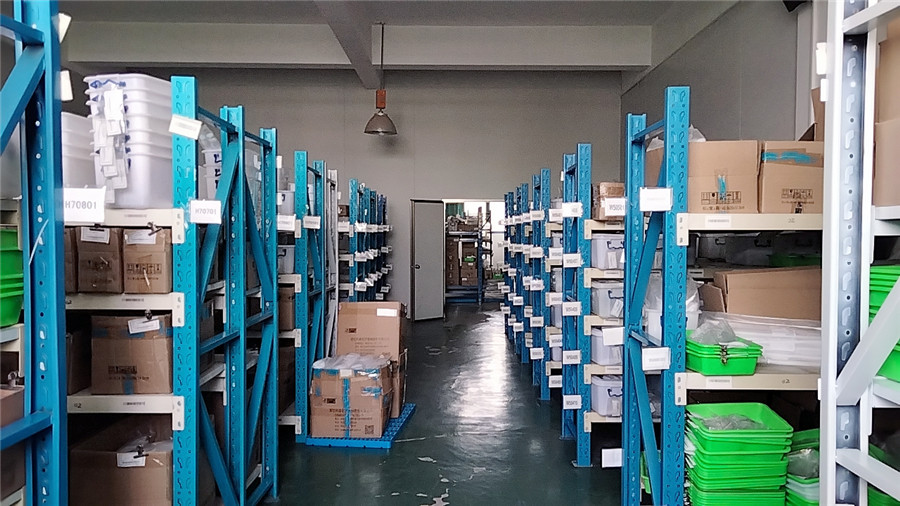
KaiSo has established a complete Quality Assurance System to continuously fulfil the requirements according to ISO9001, 13485, CE, ranging from material procurement to design development and automated production processes.

ISO13485

93/42/EEC (CE)

MDR Compliant
 KaiSo Medical