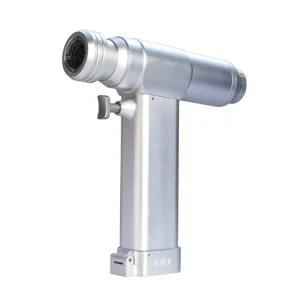
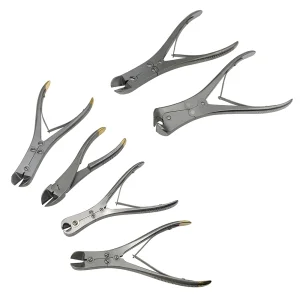
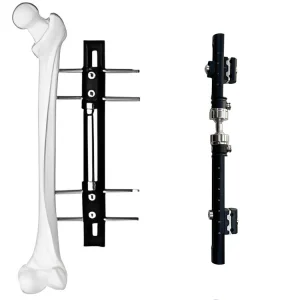
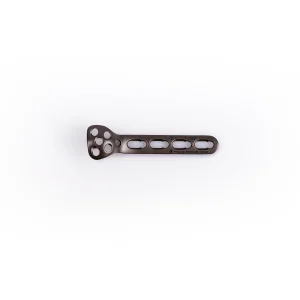
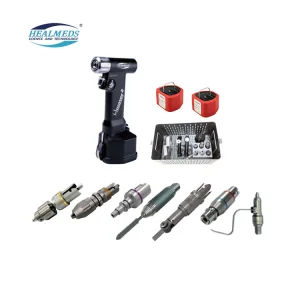
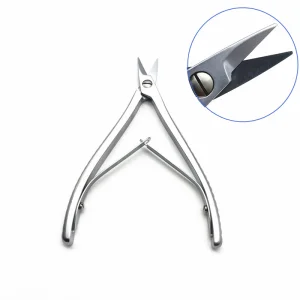
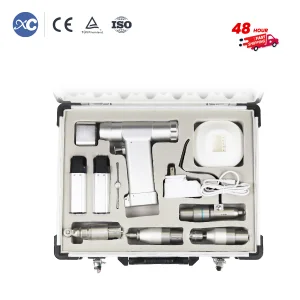
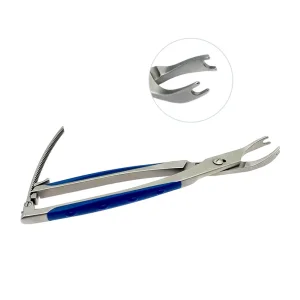
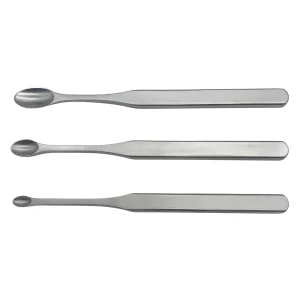
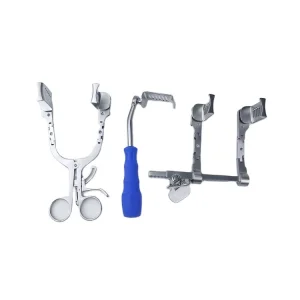
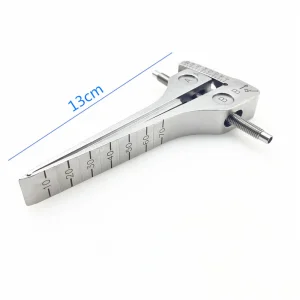
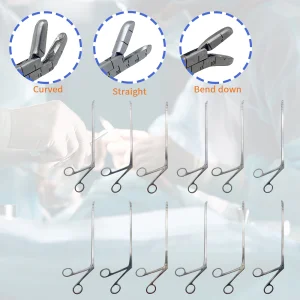
High-precision external fixation systems and power tools for wrist trauma.
The global market for Wrist External Fixators has witnessed exponential growth over the last decade. As aging populations and the prevalence of distal radius fractures increase, the demand for minimally invasive stabilization methods has surged. External fixation remains a gold standard for unstable, open, or highly comminuted wrist fractures where internal plating may be contraindicated.
Currently, the market is shifting towards Dynamic External Fixation, allowing early joint mobilization while maintaining anatomical alignment. Leading Chinese manufacturers are now at the forefront of this evolution, offering modular designs that provide unmatched flexibility for surgeons in both emergency trauma and elective reconstructive surgeries.
Projected CAGR of 6.2% in the orthopedic trauma sector through 2030, driven by innovations in carbon-fiber and titanium alloys.
China's centralized manufacturing hubs in Jiangsu and Zhejiang provide a robust logistics backbone for global supply chains.
Transitioning from MDD to MDR (EU 2017/745) has elevated the quality threshold for exporters to Western Europe.
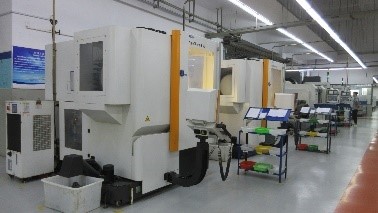
China's dominance as a top exporter of wrist external fixators is not merely based on cost, but on supply chain depth. Facilities like KaiSo Medical operate within ecosystems where raw titanium procurement, CNC precision machining, heat treatment, and sterile packaging coexist within a 50km radius. This "Clustered Manufacturing" ensures that even during global logistics disruptions, production timelines remain predictable.
Furthermore, Chinese factories have transitioned from "Simple OEM" to "Advanced ODM," integrating AI-driven quality inspection and automated milling to achieve tolerances within microns. This efficiency allows for a pricing structure that is 40-60% more competitive than traditional European brands, without compromising on clinical outcomes.
Wrist External Fixators are utilized in diverse clinical environments:
The roadmap for wrist fixation technology is moving towards Smart Fixators. We are seeing the integration of sensor technology to monitor "Micro-motion" at the fracture site, providing real-time data to surgeons on healing progress. Additionally, the shift towards Radiolucent Carbon Fiber Components ensures that post-operative X-rays are not obscured by bulky metal frames, allowing for clearer assessment of bone union.
A legacy of 22 years in orthopedic excellence and global exports.
KaiSo has established a complete Quality Assurance System to continuously fulfil the requirements according to ISO9001, 13485, CE, ranging from material procurement to design development and automated production processes. Our commitment to clinical safety is backed by 69 dedicated inspectors conducting 100% inspection on critical production lines.
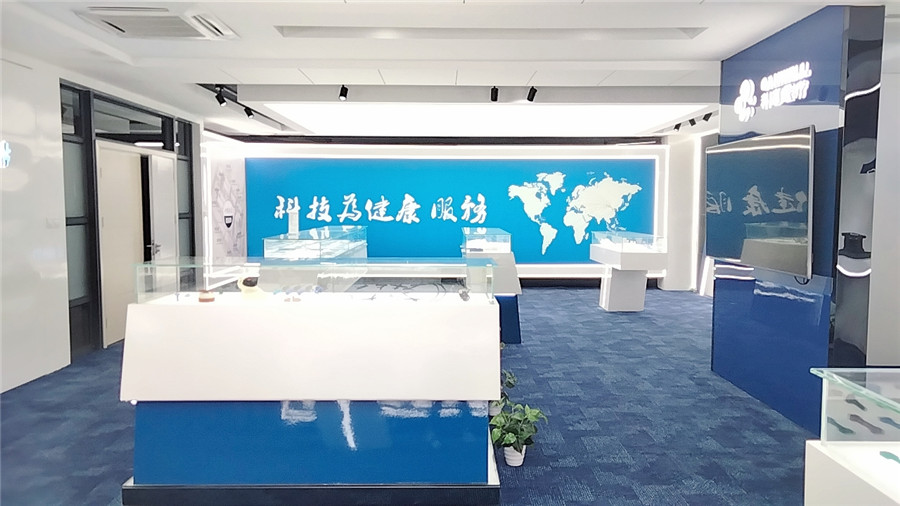
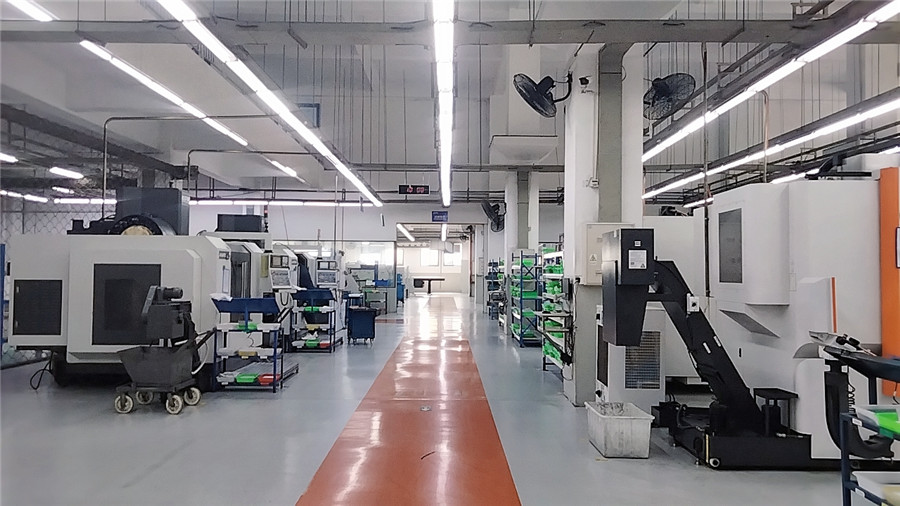
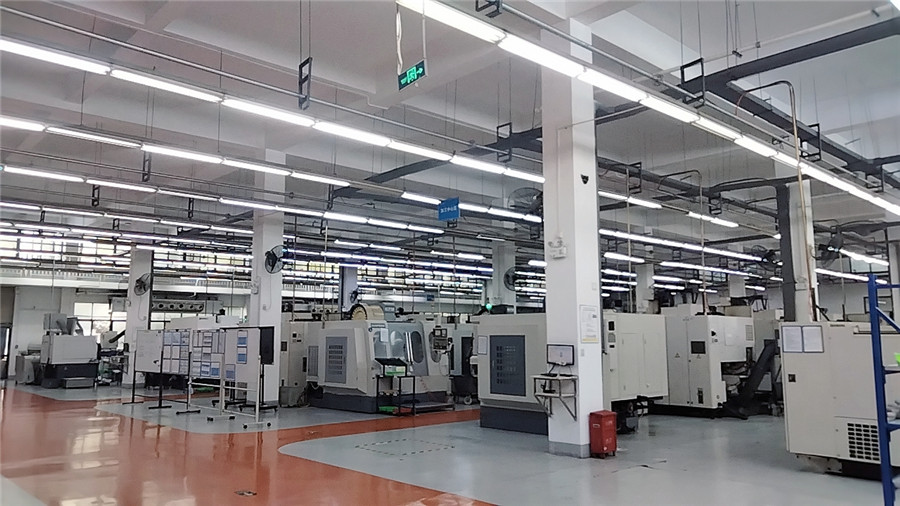
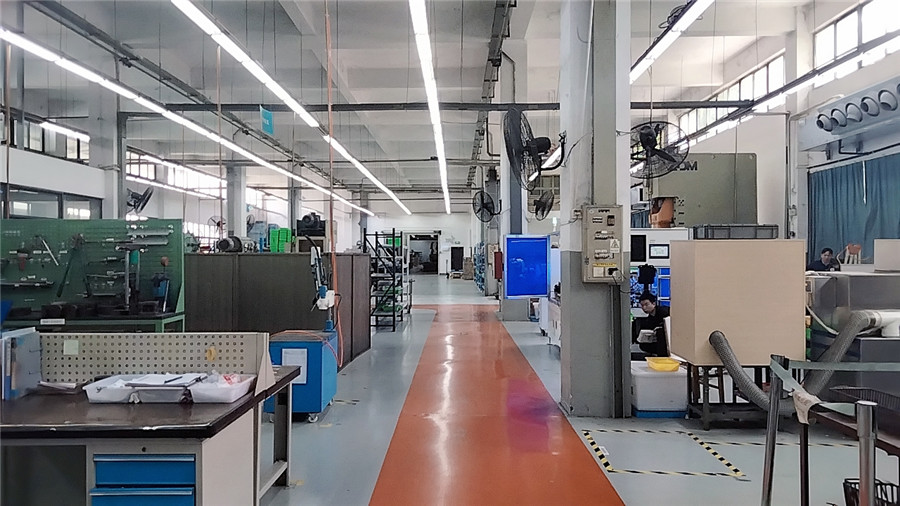
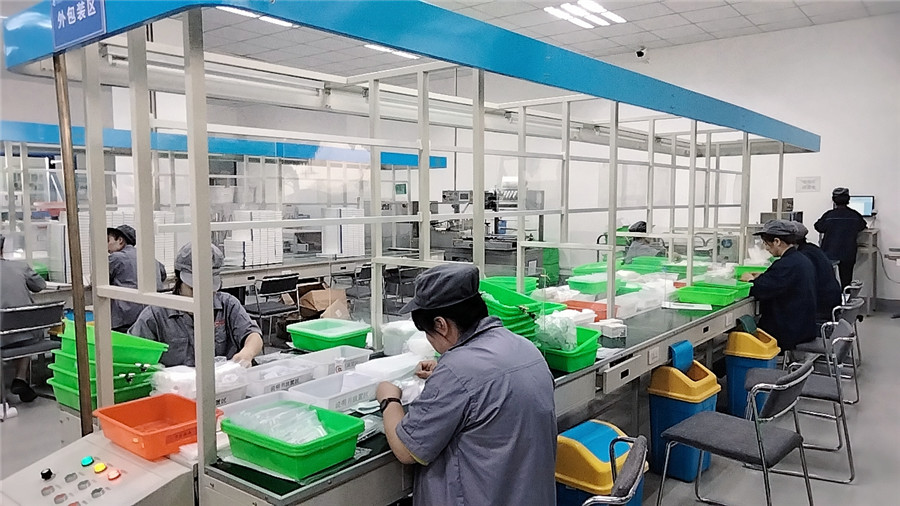
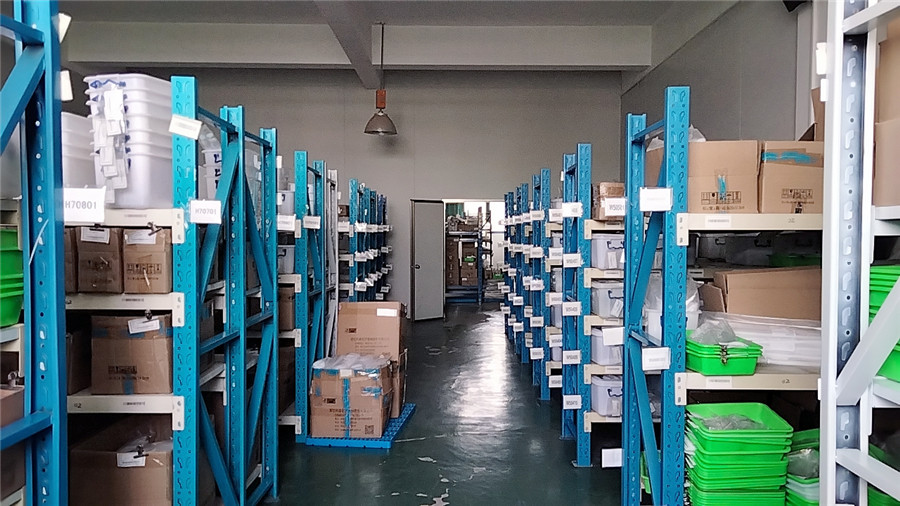
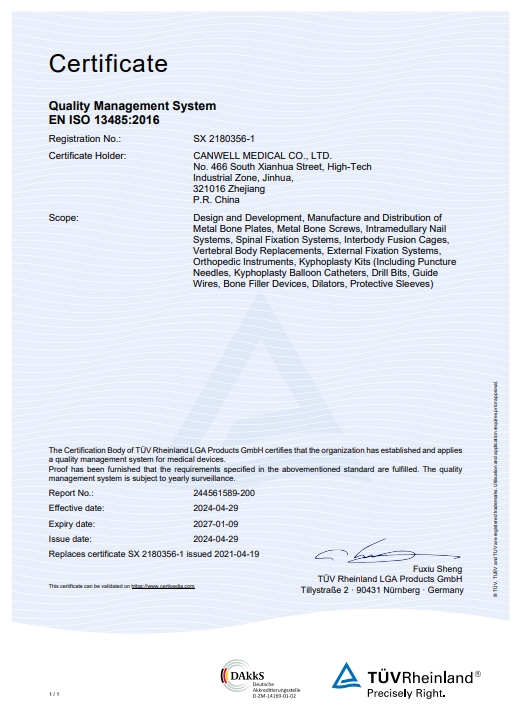
Verified Quality Management System specifically for medical device manufacturing and regulatory compliance.
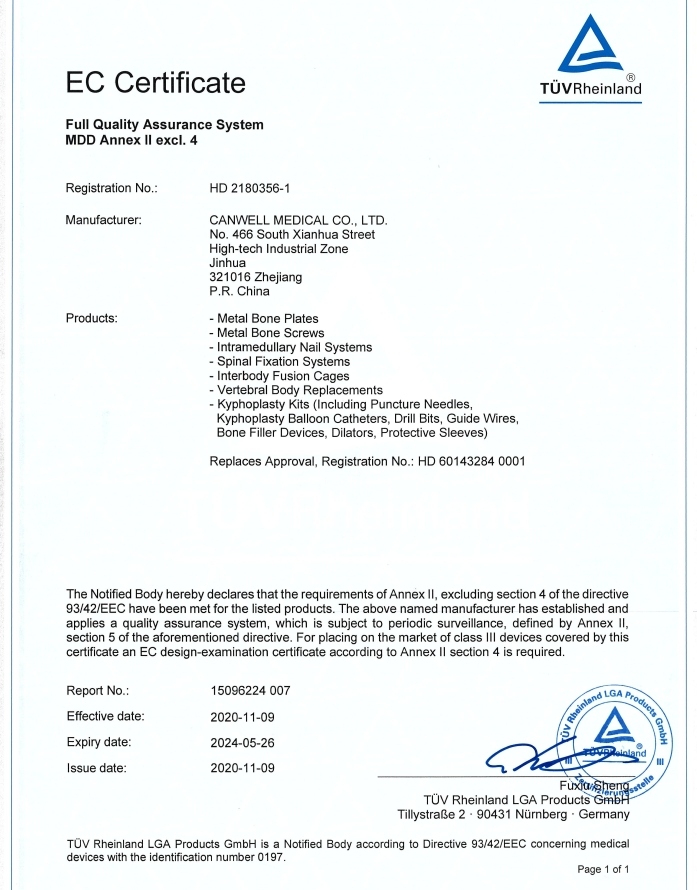
All products meet 93/42/EEC and current MDR (Medical Device Regulation) standards for the European market.
Main markets: South America (30%), Southeast Asia (20%), Western Europe (20%). Full customs and localized document support.
Titanium offers superior biocompatibility, lower weight (improving patient comfort), and less interference with MRI/CT imaging. Our Titanium alloy fixators utilize Grade 5 Ti-6Al-4V for maximum strength-to-weight ratio.
Yes, we provide full product support traceability. Every batch of material comes with a mill certificate, and each individual fixator component is etched with a laser tracking code linked to its production heat number.
Absolutely. We offer light customization, sample processing, and full customized-on-demand services. Our 59 R&D engineers are capable of translating clinical requirements into production-ready CAD/CAM designs.
Bridging fixators span the radiocarpal joint, ideal for highly unstable fractures. Non-bridging fixators allow for carpal motion during healing, which we recommend for specific distal radius fractures to prevent joint stiffness.
Precision tools for comprehensive bone surgery fixation.
 KaiSo Medical