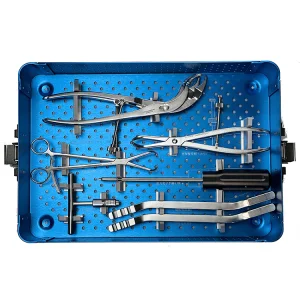
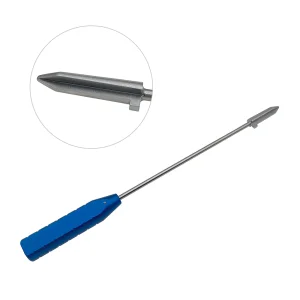
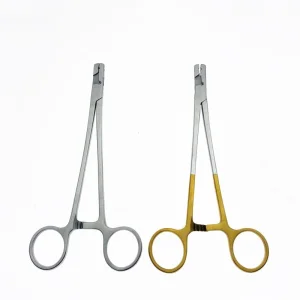
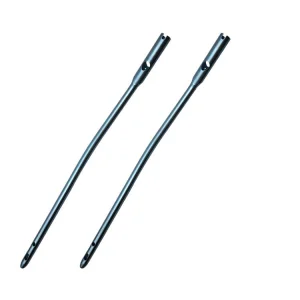
As a leader in the medical device manufacturing landscape, our commitment to Locking Plating Systems transcends simple production. In an era where surgical precision and patient outcomes are paramount, locking plates represent a significant shift from traditional compression plating. By creating a fixed-angle construct, these systems offer superior stability, especially in osteoporotic bone where traditional screws might fail.
The biomechanical advantage of locking plating systems lies in the screw-plate interface. Unlike non-locking plates that rely on friction against the bone surface to achieve stability, locking plates function as an "internal fixator." This minimizes the need for anatomical contouring, thereby preserving the periosteal blood supply and accelerating fracture healing. For global distributors, understanding this shift is essential for catering to surgeons who demand advanced trauma fixation tools.
The transition to "China Factory 4.0" has redefined the quality standards for orthopedic implants. Our manufacturing facilities integrate IoT, automated CNC machining, and rigorous digital traceability systems to ensure that every locking plate meets international benchmarks like ISO 13485 and MDR requirements.
Global procurement is shifting from purely cost-based models to value-based partnerships. Hospitals and clinics now require suppliers who can offer:
1. Customization & Versatility: Our R&D team (59 engineers strong) provides customized solutions, from specific anatomical plating for trauma surgery to specialized veterinary applications.
2. Regulatory Documentation Support: Navigating global markets requires more than just the product; it requires the data. We provide full technical files, CE certification, and clinical evaluation documentation to facilitate rapid registration in your local market.
3. Localized Application: Whether for complex humeral fracture fixations or pediatric reconstructive surgery, our systems are designed with the surgeon's workflow in mind, incorporating low-profile designs that reduce soft-tissue irritation.
Q: What makes your locking plating systems unique compared to traditional plates?
A: Our systems utilize fixed-angle technology. This provides stability independent of bone quality, significantly reducing the risk of screw loosening or loss of reduction, which is vital for elderly patients with osteoporotic bone.
Q: How do you handle quality control for international exports?
A: We employ a multi-stage QC process: raw material traceability, in-process automated checks, and a final pre-shipment inspection. All processes are conducted under ISO 13485 guidelines to ensure full compliance with destination market standards.
Q: Can you handle custom R&D projects?
A: Yes. With 59 graduate-level R&D engineers, we specialize in light customization, sample processing, and full-scale OEM/ODM projects tailored to specific orthopedic niches.
 KaiSo Medical