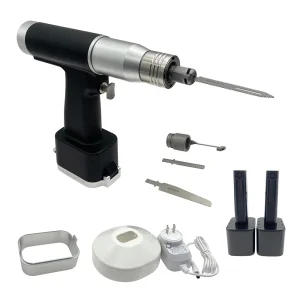
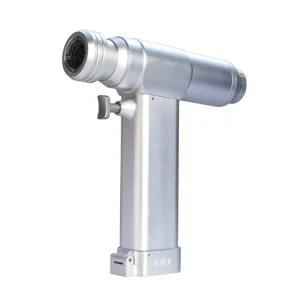
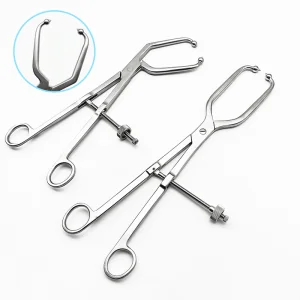
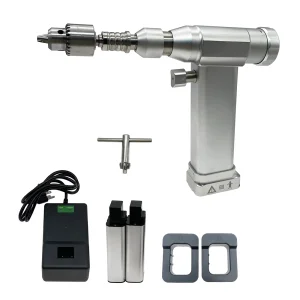
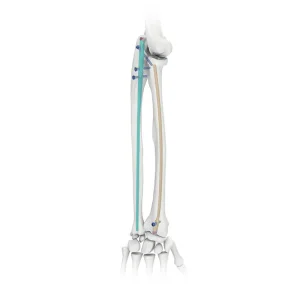
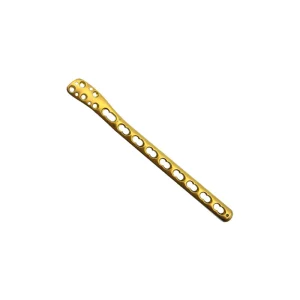
In the contemporary landscape of orthopedic trauma surgery, Femoral Locking Plates (LCP) represent a quantum leap from traditional compression plating. As a leading hub for medical device manufacturing, China’s top factories are now at the forefront of this biomechanical revolution. The integration of locking screw technology with conventional plating allows for a fixed-angle construct, which is critical for treating comminuted fractures, osteoporotic bone, and distal femoral non-unions.
The "Information Gain" for global procurement officers lies in understanding the maturity of the Chinese orthopedic cluster. Beyond cost-efficiency, the competitive advantage is built on:
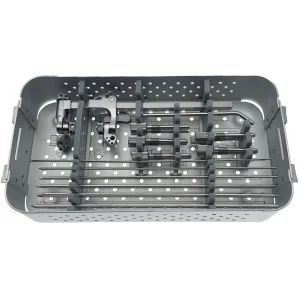
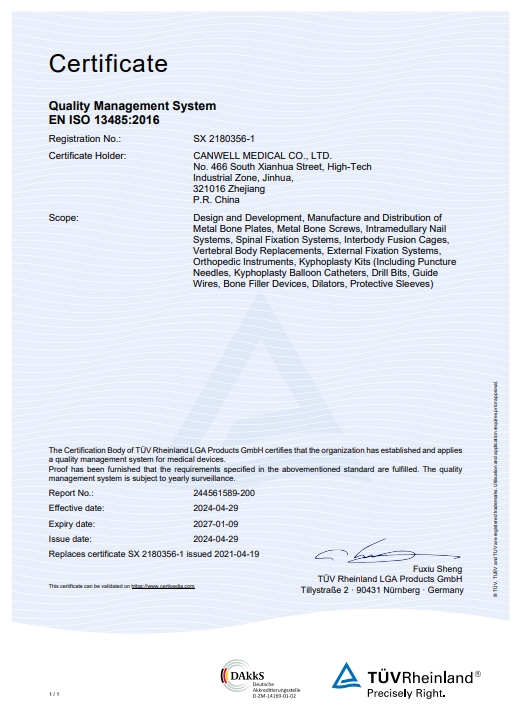
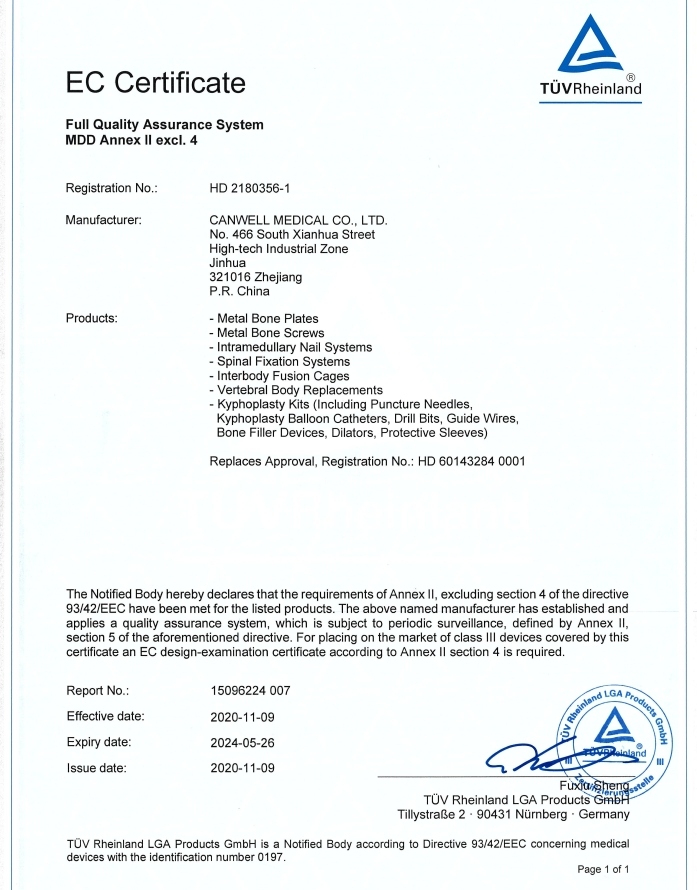
Navigating the transition from MDD to MDR (EU 2017/745) is the biggest challenge for global suppliers. Top Chinese factories have secured ISO 13485 and CE MDR certifications, ensuring that products are ready for the European market without regulatory bottlenecks. Localization also extends to Surgical Instrument Sets—providing customized trays that align with specific hospital protocols in Southeast Asia or Latin America.
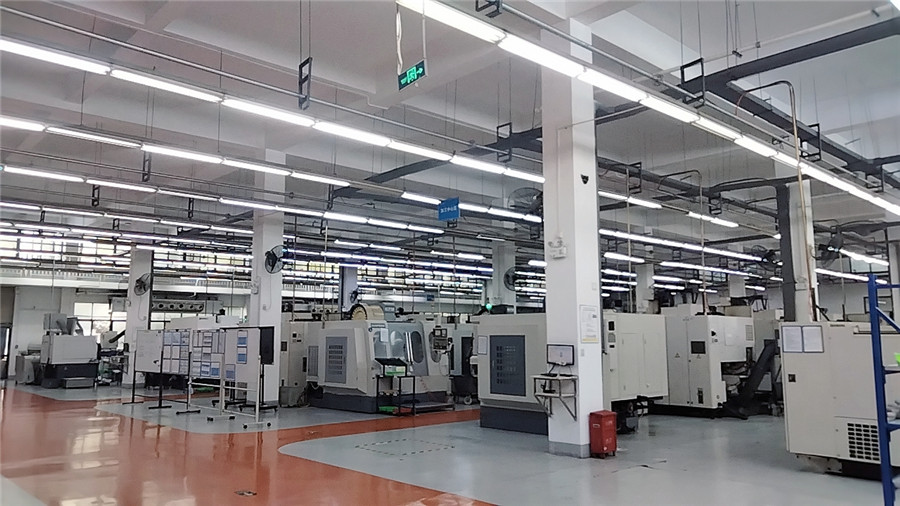
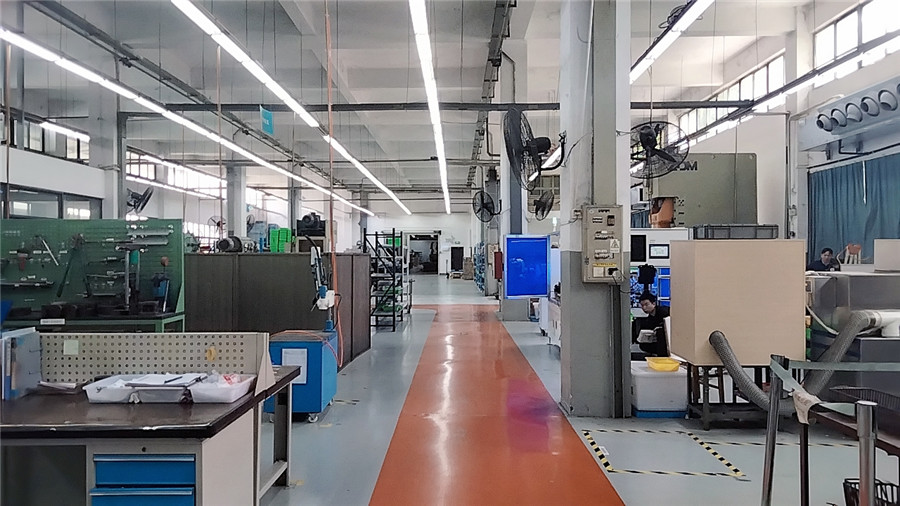
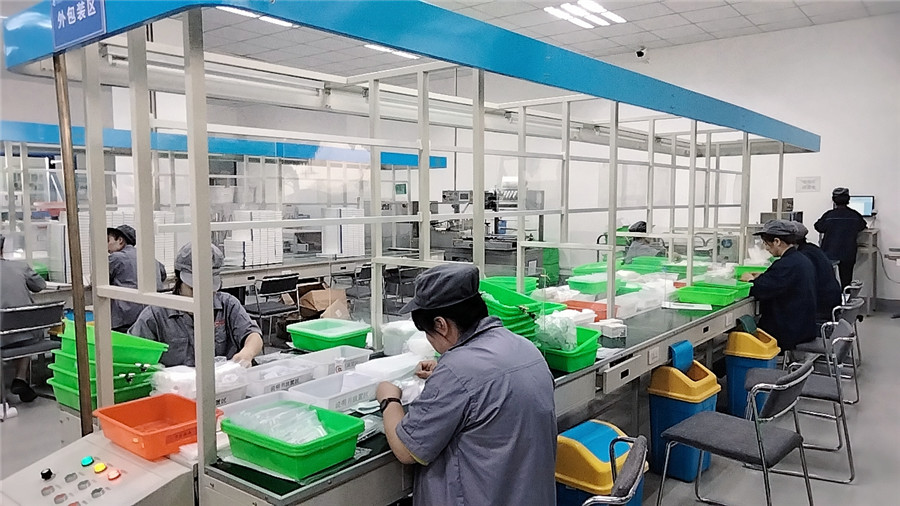
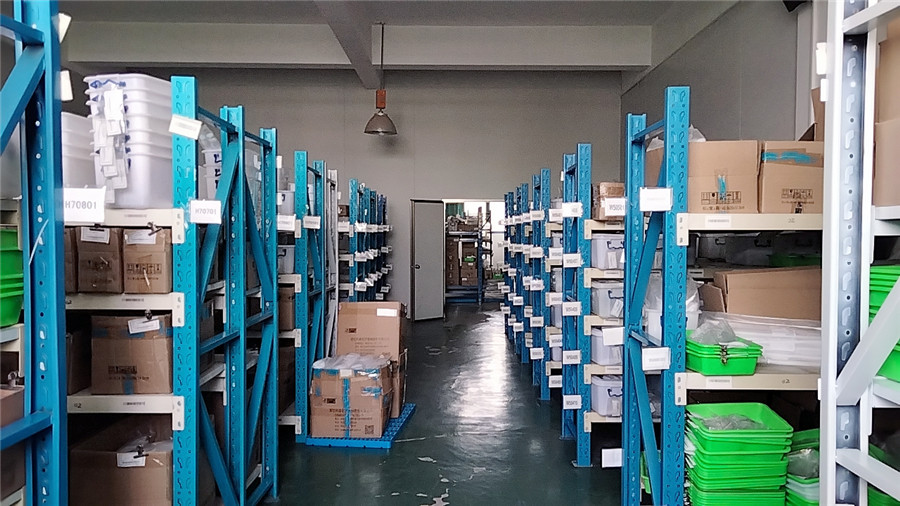
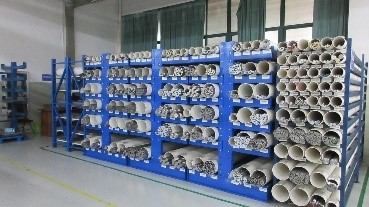
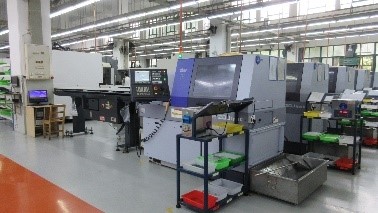
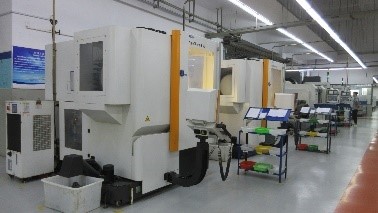
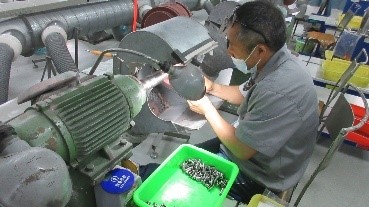
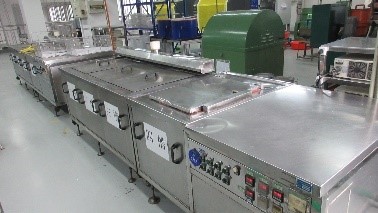
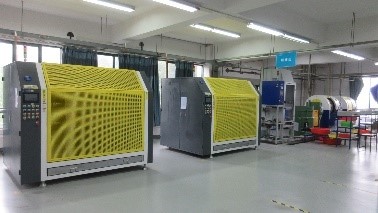
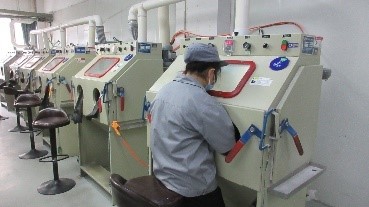
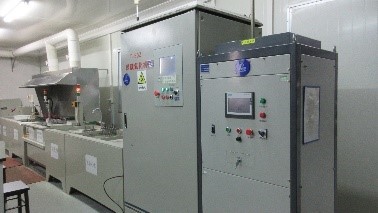
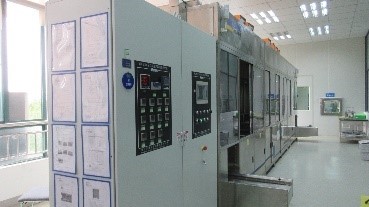
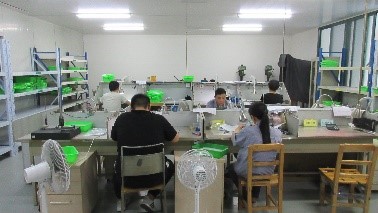
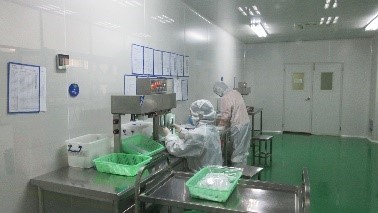
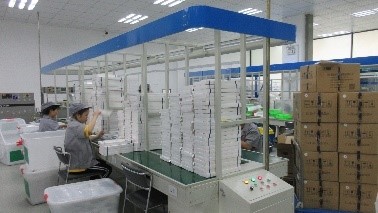
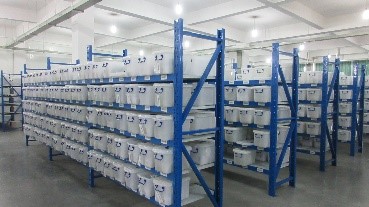
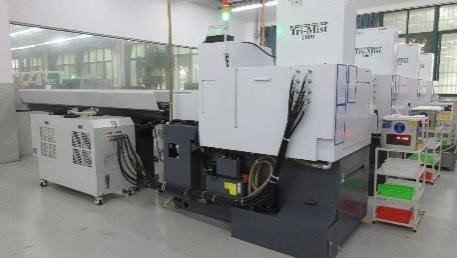
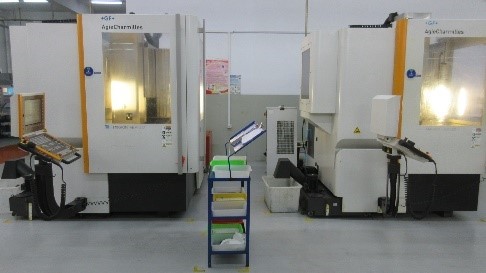
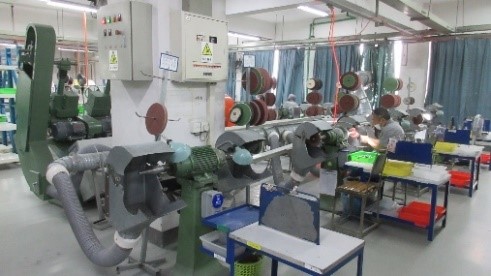
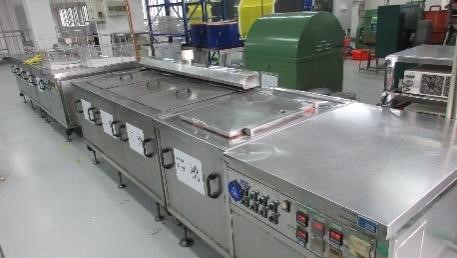
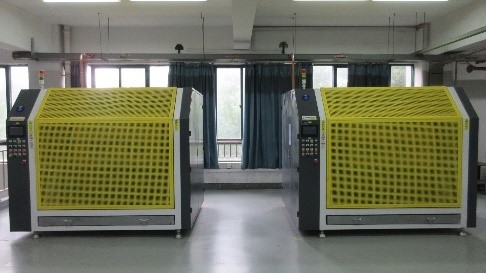
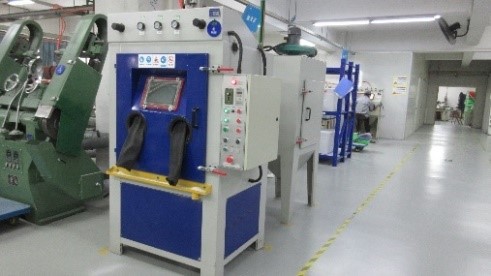
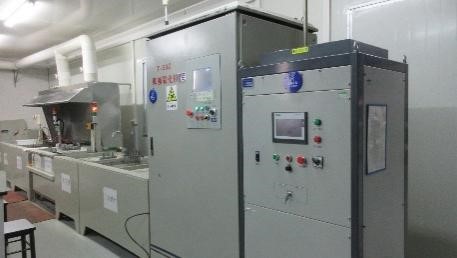
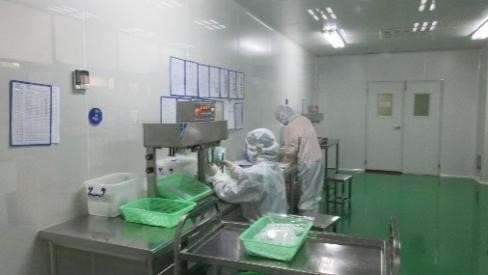
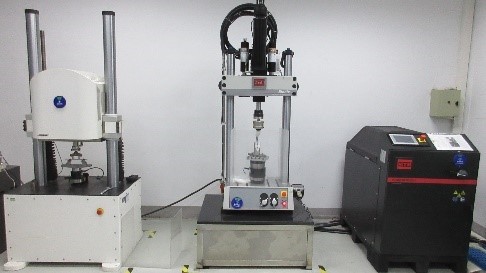
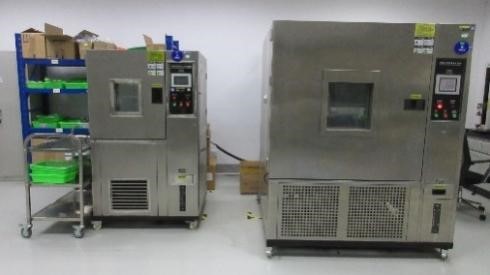
KaiSo has established a complete Quality Assurance System to continuously fulfil the requirements according to ISO9001, 13485, CE, ranging from material procurement to design development and automated production processes. With over 22 years in the industry, our expertise is backed by rigorous data and clinical feedback.
Registration: 2004-11-03
Floor Space: 29,523 ㎡
Export History: 22 Years
Inspectors: 69 Experts
Traceability: Full Raw Material Support
Method: 100% Line Inspection
Engineers: 59 Graduates
Customization: OEM/ODM/Graphic Processing
Innovation: Annual New Product Cycles
Major Markets: South America (30%), SE Asia (20%), W. Europe (20%)
Languages: English Professional Support


The industry is moving toward 3D-printed titanium scaffolds that mimic the trabecular structure of the bone. This enhances osseointegration and reduces the "stress shielding" effect commonly seen with rigid plates.
While still in the clinical trial phase for femoral applications, magnesium-based locking plates promise a future where secondary surgeries for implant removal are obsolete, as the plate safely dissolves after the bone heals.
Integration with navigation systems and robotic arms allows for minimally invasive plate osteosynthesis (MIPO), reducing blood loss and accelerating recovery. Chinese suppliers are now bundling plates with navigation-compatible markers.
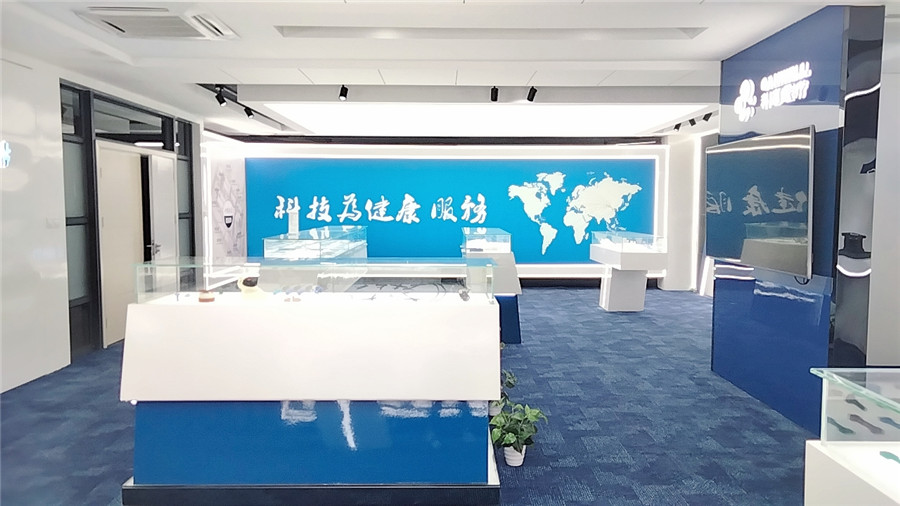
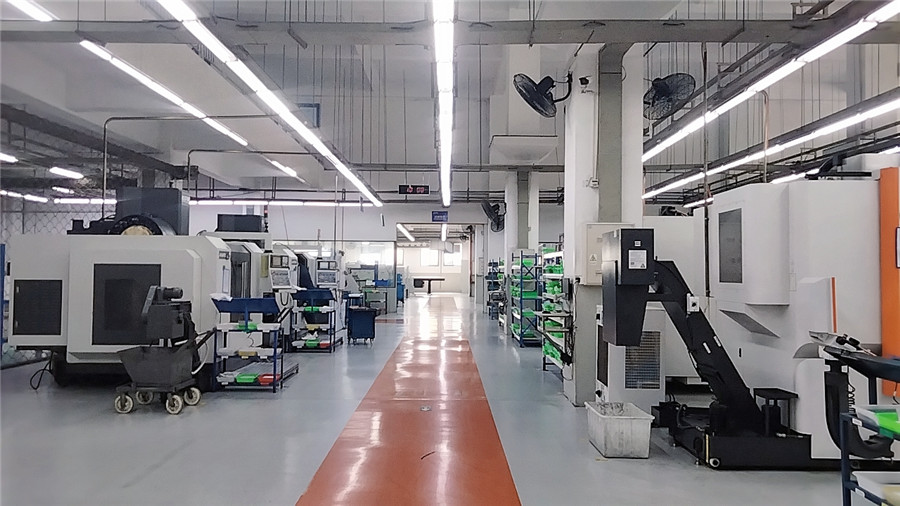
 KaiSo Medical