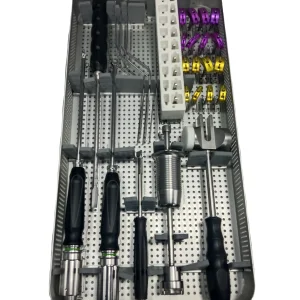
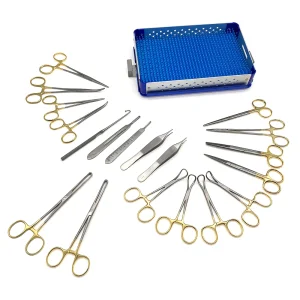
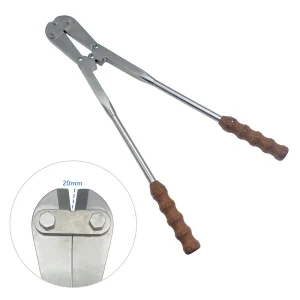
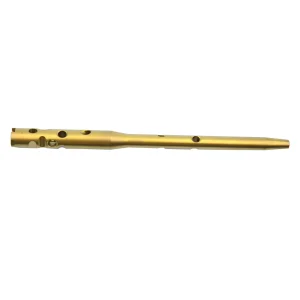
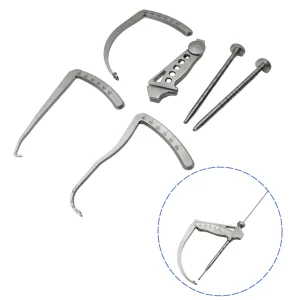
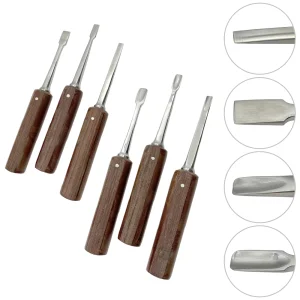
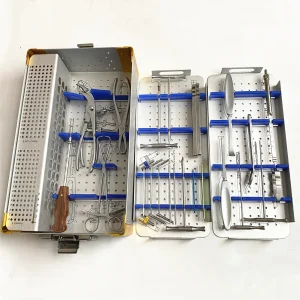
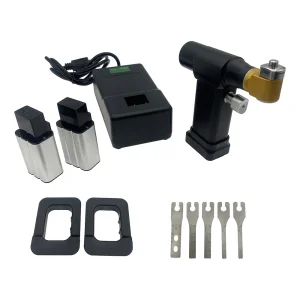
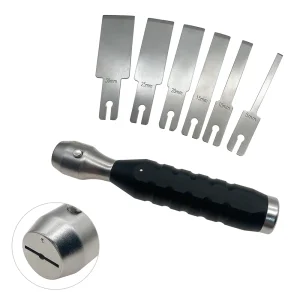
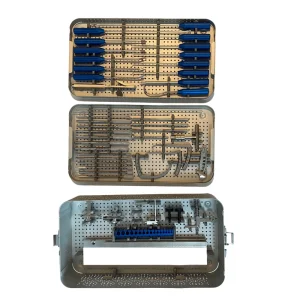
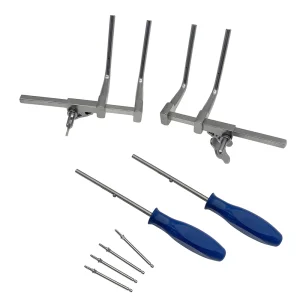
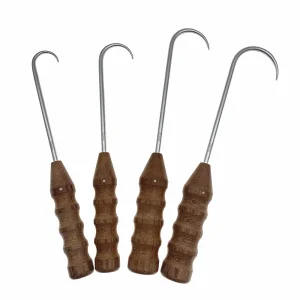
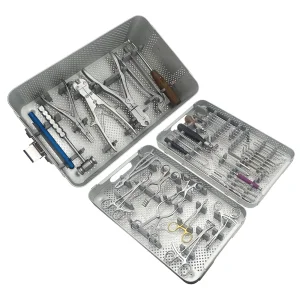
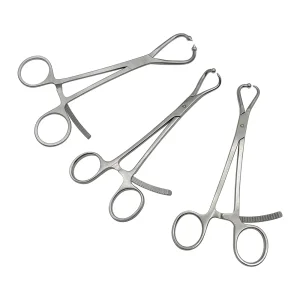
Explore our flagship regulatory-compliant implants and specialized instrument kits designed to optimize clinical outcomes across major bone fixations, joint reconstructions, and spinal stabilization operations.
The international orthopedic traumatology landscape is experiencing an unprecedented structural shift. Demand for highly precise, biomechanically compatible, and rapidly osseointegrating devices has compelled elite orthopedic manufacturers to transition from traditional subtractive machining processes to advanced medical implant solutions. Modern clinical setups no longer merely require plates and screws; they demand anatomical reconstruction structures with micro-motion tolerances capable of mitigating stress shielding.
1. Customization at Scale: The clinical efficacy of customized Patient-Specific Implants (PSIs) has driven manufacturers to invest heavily in multi-axis CNC mills and medical-grade titanium 3D printing.
2. Regulatory Rigor (MDR Dominance): With the EU Medical Device Regulation (MDR) setting a strict bar for quality verification, sourcing from suppliers holding active MDR registrations has transitioned from a preference to an absolute procurement mandate.
3. Advancements in Biomaterials: Clinicians are opting for bio-compatible titanium alloys (such as Ti-6Al-4V ELI) and Polyetheretherketone (PEEK) for spinal applications, optimizing patient recovery rates.
Providing empirical proof of authority. Our established presence, extensive manufacturing footprint, and dense network of domestic and international R&D partners ensure supply chain resilience for high-volume distributors worldwide.
At KaiSo, we maintain a complete Quality Assurance System to continuously fulfill the requirements according to ISO9001, ISO13485, and CE standards. Our quality inspections cover every process from raw material procurement (with full traceability markers) to finished packaging. We leverage inspection modes including total product batch analysis, randomized mechanical stress testing, and customized client-specified inspection plans.
Our manufacturing floor complies with rigorous global auditing procedures. Below are the verified registrations holding international clearance:


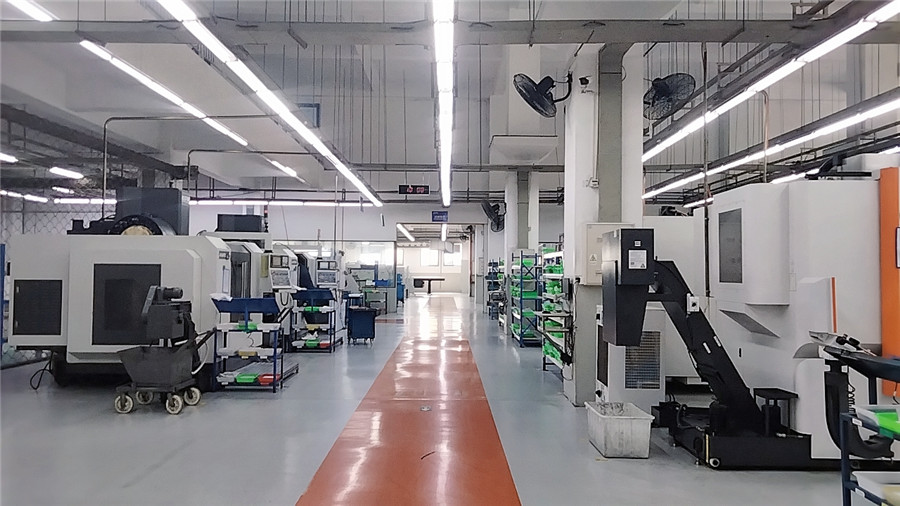
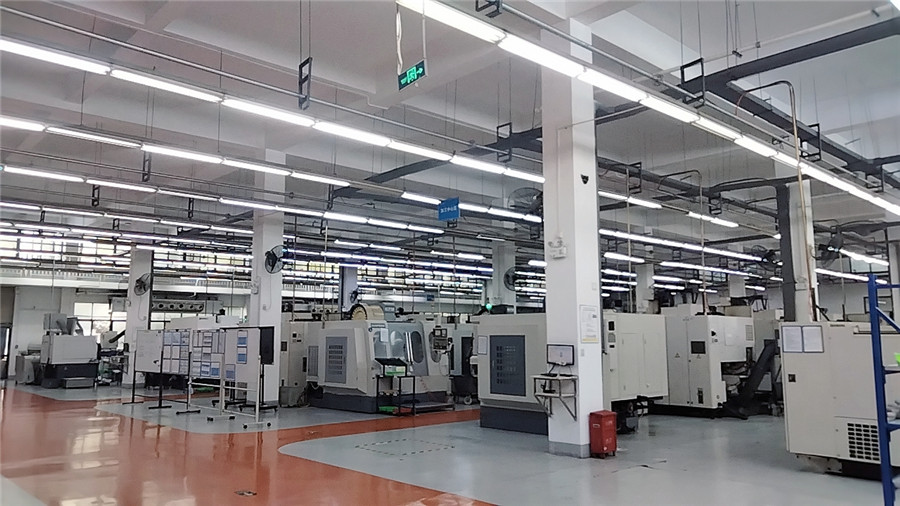
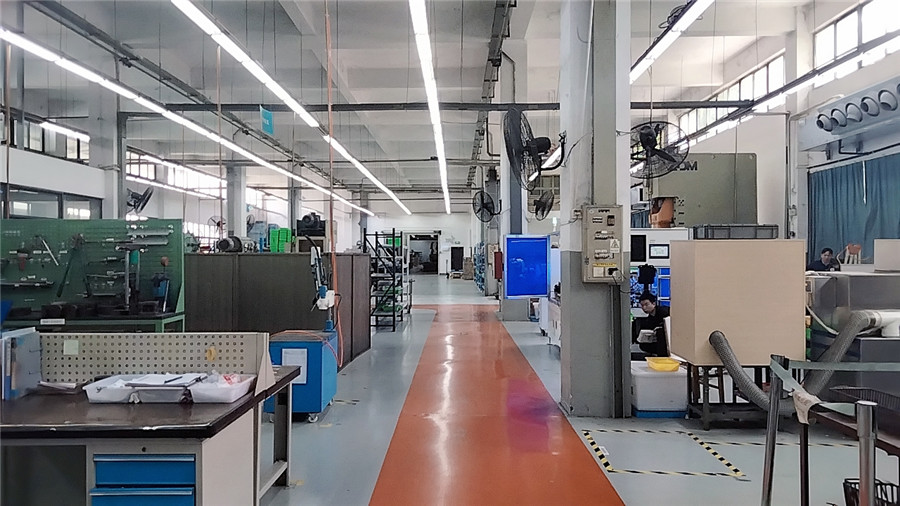
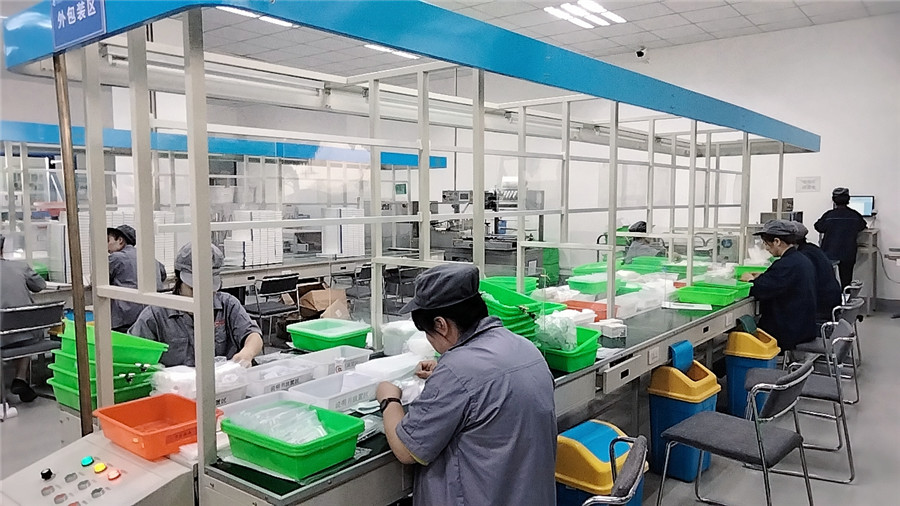
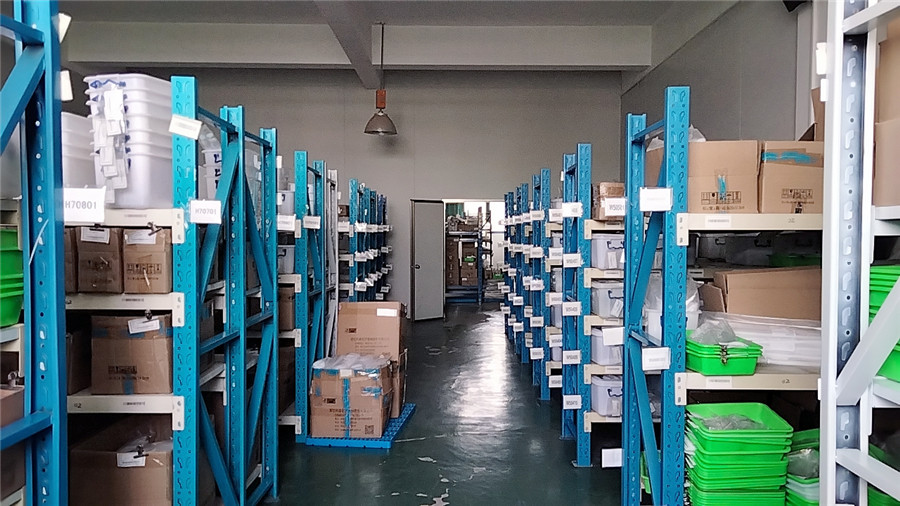
An inside look at our advanced manufacturing lines. We combine Swiss-type CNC automatic lathes, cleanroom packaging environments, and high-precision testing labs to produce orthopedic systems that match international standards.
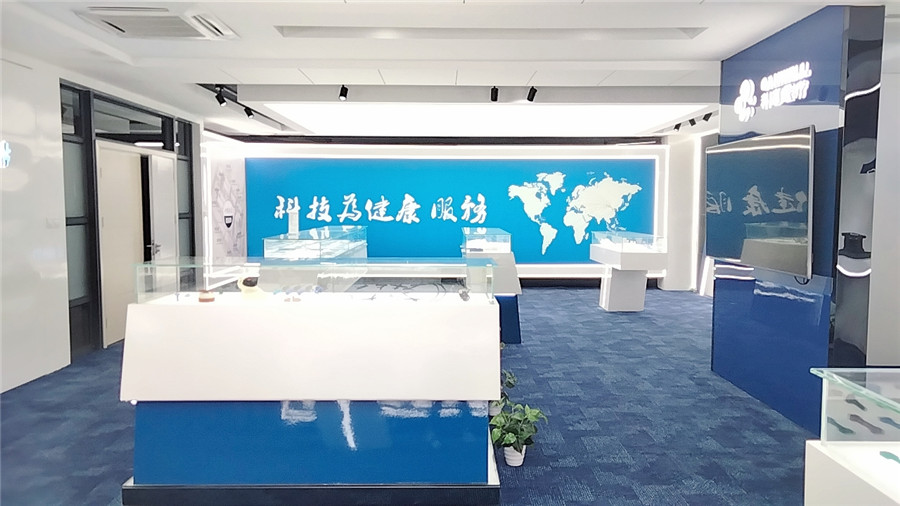
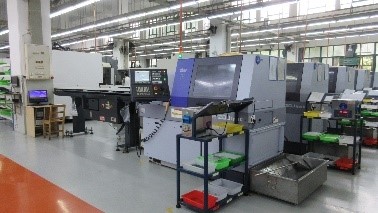
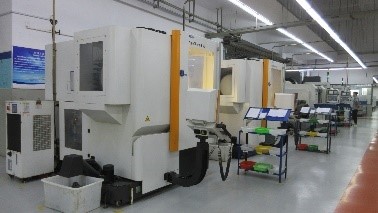
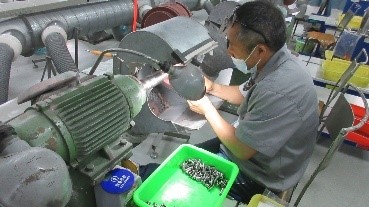
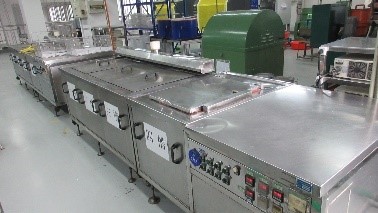
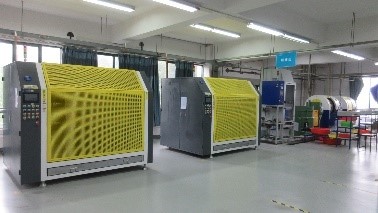
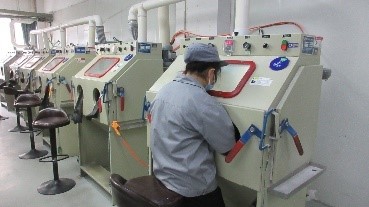
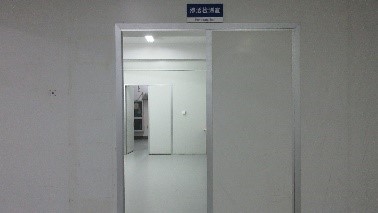
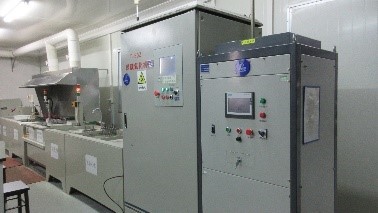
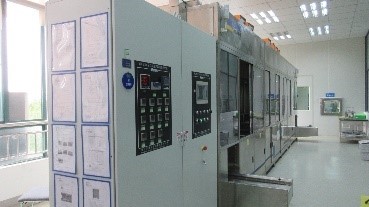
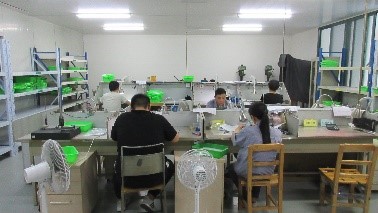
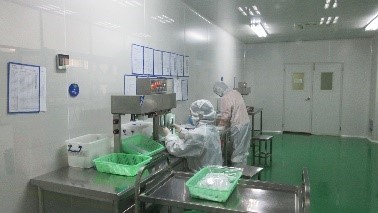
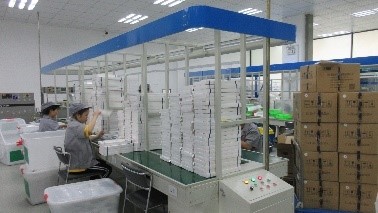
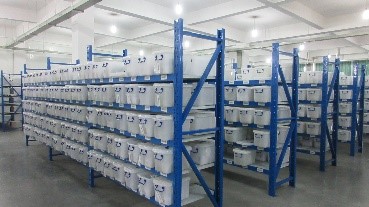
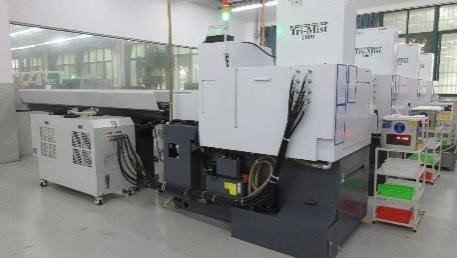
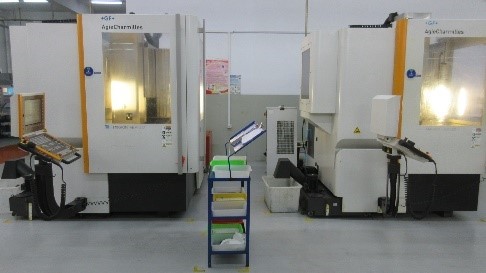
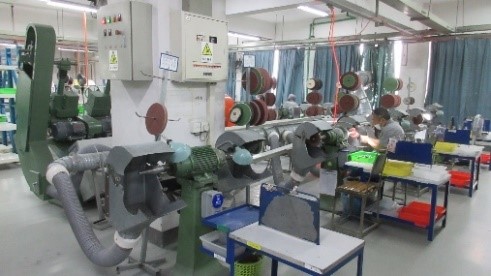
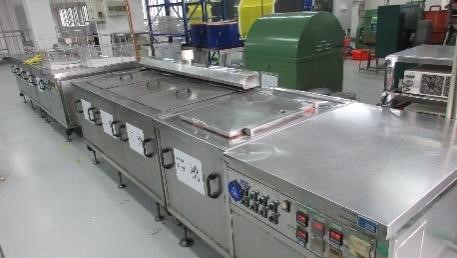
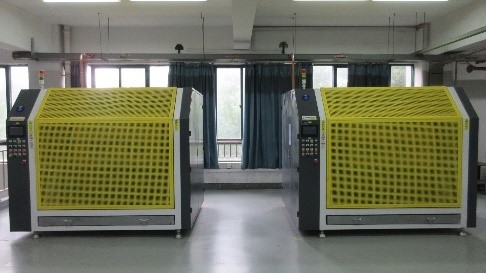
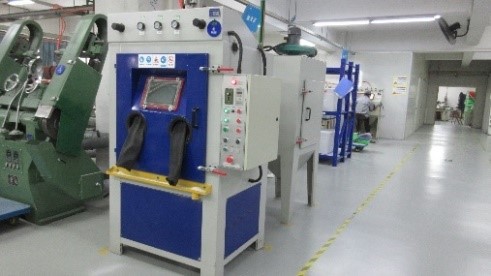
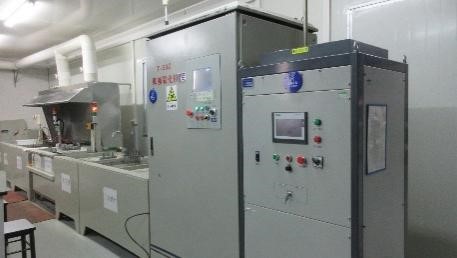
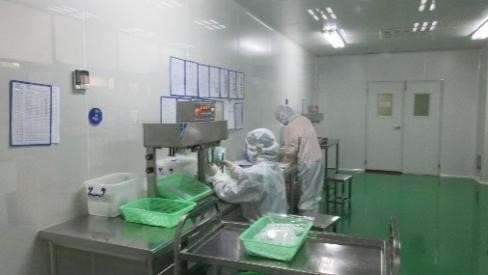
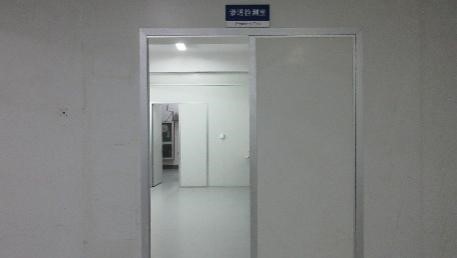
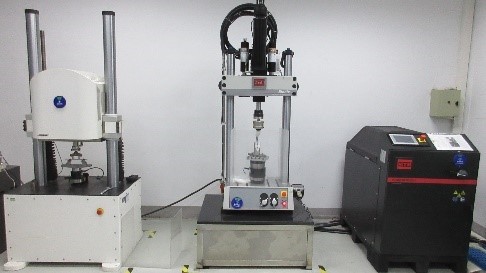
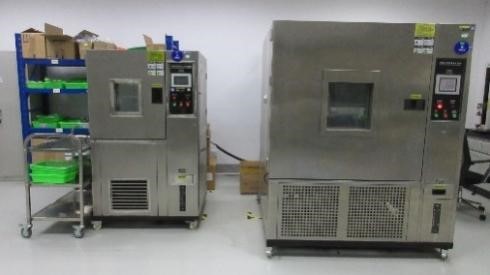
Medical device sourcing managers face volatile lead times and shifting regulatory requirements. Building a resilient strategy demands more than transactional partnerships. Sourcing from premium manufacturing hubs in China provides deep advantages, balancing clinical precision with cost optimization.
With over 59 R&D graduate engineers, KaiSo addresses complex orthopedic trauma cases. We accommodate light customization, sample replication, blueprinting, and complete customized product lines, ensuring that specific clinical requirements are translated into verified implants.
Regulatory audits require clear records. Our supply chain traces raw material lots back to the primary smelting facility. We utilize spectrometers and mechanical validation steps to verify alloy grade consistency, protecting clients from micro-contamination risk.
We distribute globally, with 30% of exports serving South America, 20% Southeast Asia, and 20% Western Europe. Leveraging 22 years of export logistics experience, we streamline custom clearances, verify paperwork alignment, and secure reliable transit channels.
The future of trauma implants lies in the optimization of the bone-implant interface. KaiSo is actively researching surface treatment methods, including micro-arc oxidation (MAO) and plasma-sprayed hydroxyapatite (HA) coatings, to enhance chemical bonds and speed up patient healing times.
Bioactive PEEK & Carbon Composites: Developing carbon-fiber-reinforced polyetheretherketone (CFR-PEEK) materials with elastic moduli close to human cortical bone, reducing stress-shielding risks and artifact distortion during CT/MRI imaging.
Additive 3D Lattice Systems: Generating trabecular structure patterns on implant surfaces to mimic natural bone morphology, encouraging direct cellular migration and osseous interlocking.
Providing answers to common engineering, compliance, and custom ordering questions to streamline your sourcing process.
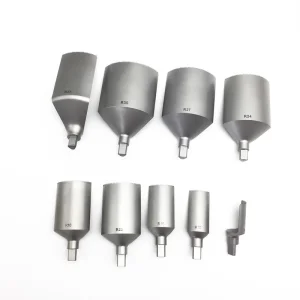
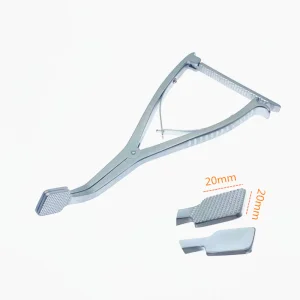
Browse our range of technical surgical tools designed to support traumatology, joint reconstruction, and osteotomy protocols.
 KaiSo Medical