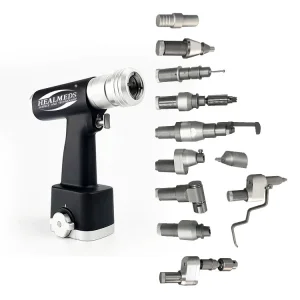
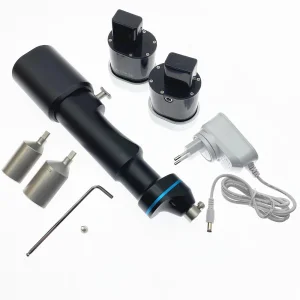
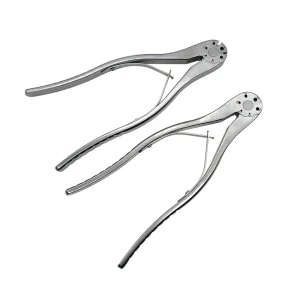
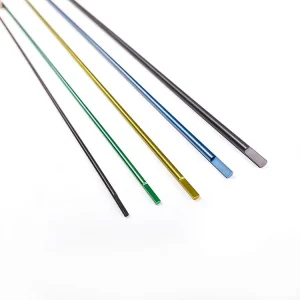
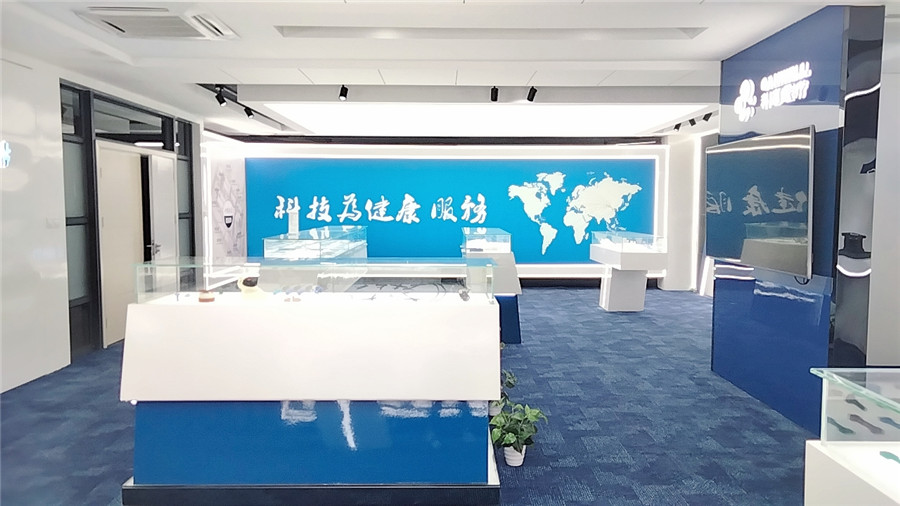
As a leading medical device exporter, KaiSo Medical leverages 22 years of surgical manufacturing expertise, operating from a modern 29,523 square meter facility. With a rigorous quality assurance framework certified by ISO 13485 and CE standards, we specialize in high-end orthopedic solutions, surgical drills, trauma plating systems, and advanced joint reconstruction components.
Explore our premium surgical tools, reconstruction kits, and joint fixation systems engineered for high clinical success rates and anatomical compliance.
Unlike simpler hinge joints (such as the knee or finger joints), the human elbow joint represents a highly complex link system composed of three separate articulations: the humeroulnar joint, the humeroradial joint, and the proximal radioulnar joint. Designing and manufacturing elbow joint implants requires an intricate understanding of multi-axial kinematics, dynamic loading vectors, and ligamentous constraint systems.
Historically, early constraint designs suffered from high rates of aseptic loosening due to the rigid transmission of torsional forces directly to the bone-implant interface. Modern elbow joint implants fabricated in leading Chinese facilities utilize a semi-constrained or linked design configuration. This permits a slight laxity (typically 7 to 10 degrees of varus-valgus and rotational play) which mimics normal anatomical movement and drastically reduces the shear stresses transferred to the methyl methacrylate (PMMA) cement mantle.
To withstand millions of flexural cycles, our elbow joint components utilize:
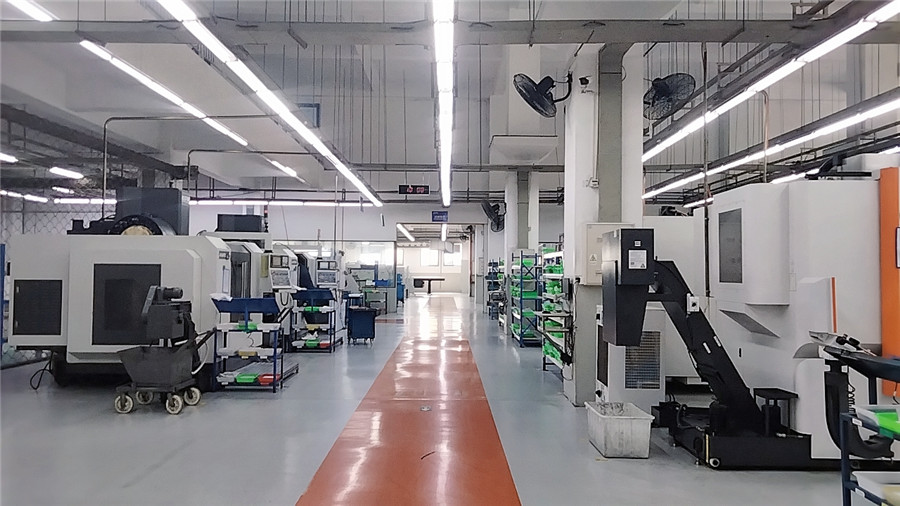
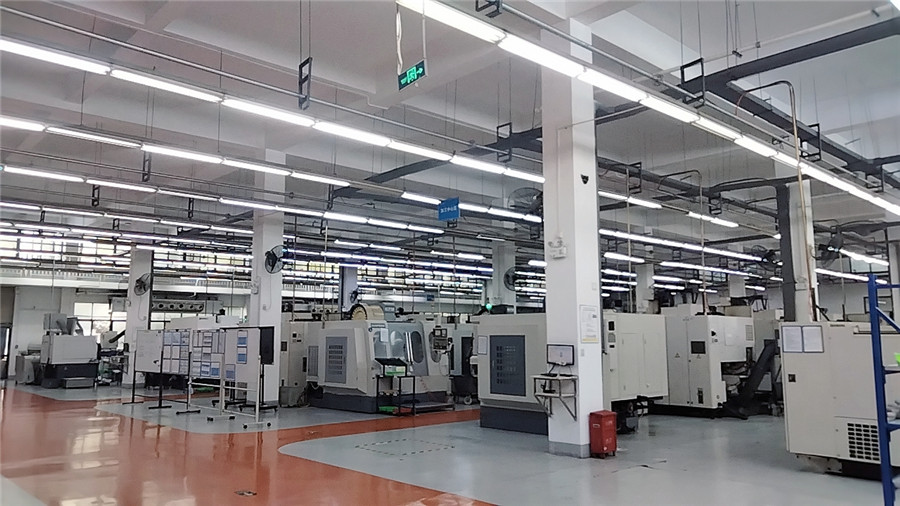
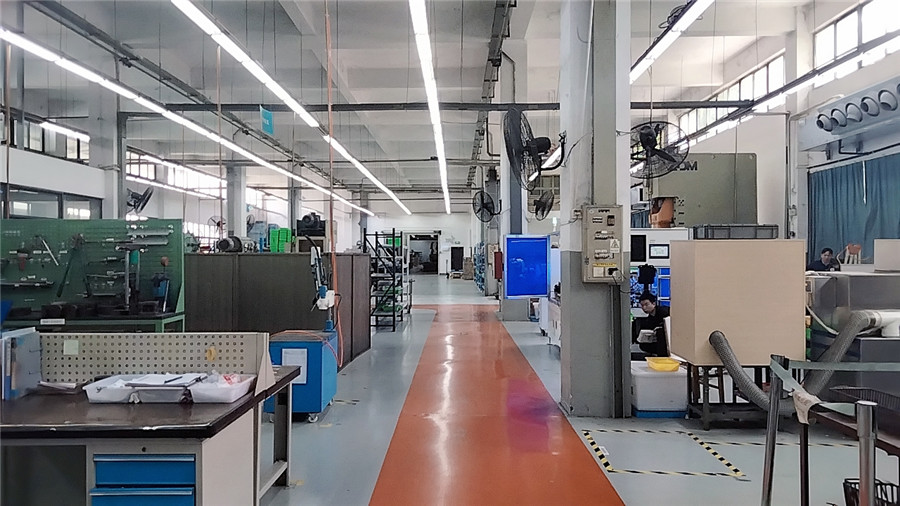
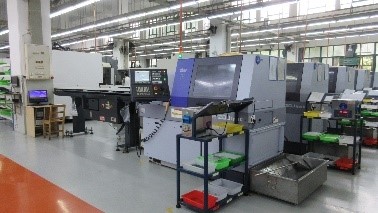
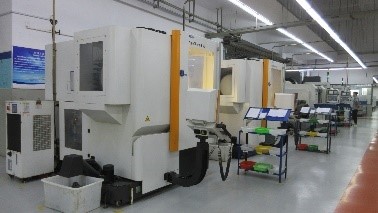
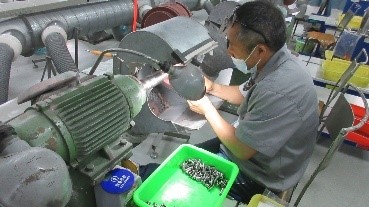
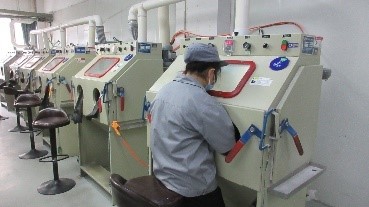
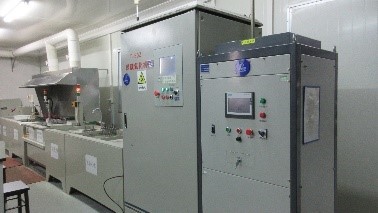
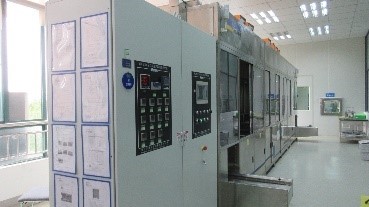
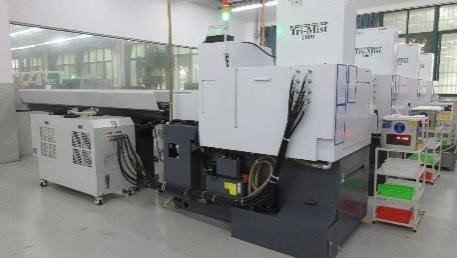
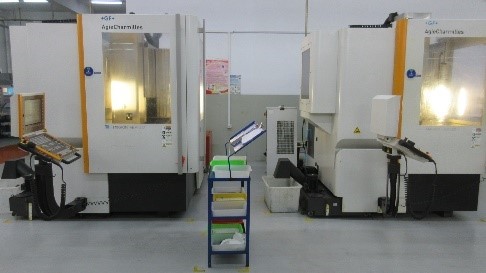
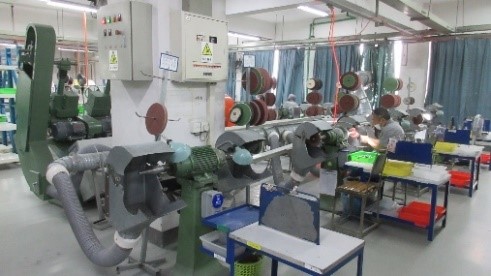
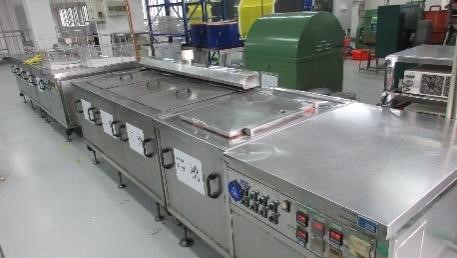
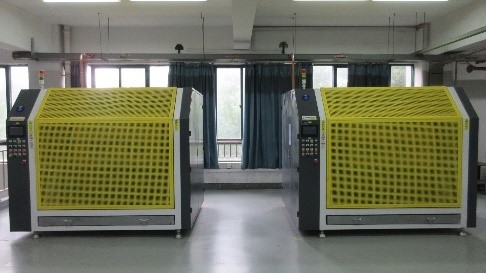
China's medical device manufacturing sector has evolved from high-volume production to a premium, precision-driven clinical supply powerhouse. At KaiSo, our manufacturing workflows are designed around achieving sub-micron tolerances. Utilizing advanced 5-axis CNC grinding systems from Germany and high-speed Swiss lathes, we fabricate humeral stems and radial components that fit seamlessly with matching surgical instruments.
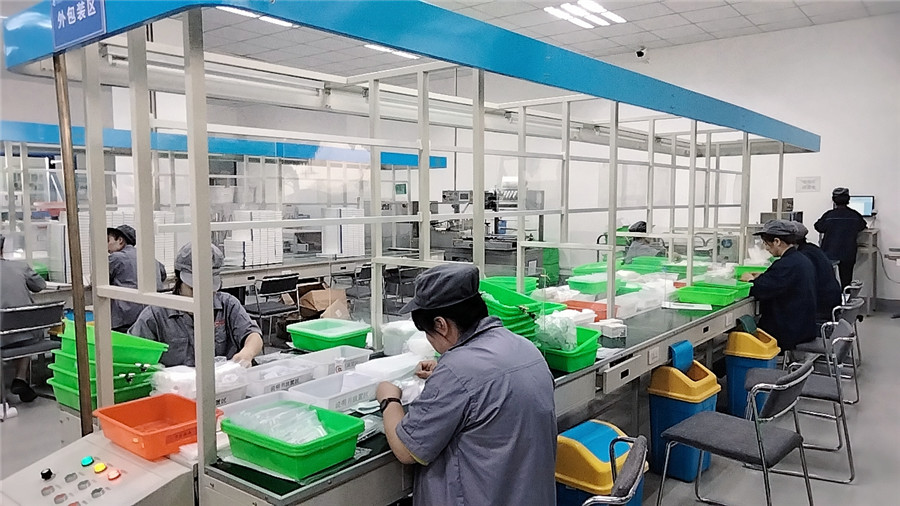
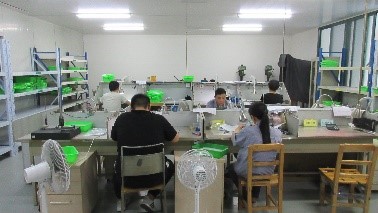
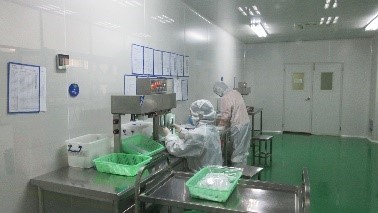
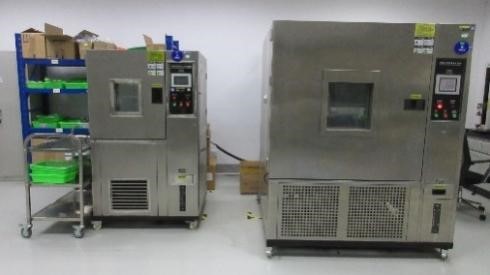
All implant packaging and final assembly processes occur inside certified Class 10,000 (ISO Class 7) cleanrooms, reducing initial bioburden levels to near zero before ethylene oxide (EO) sterilization.
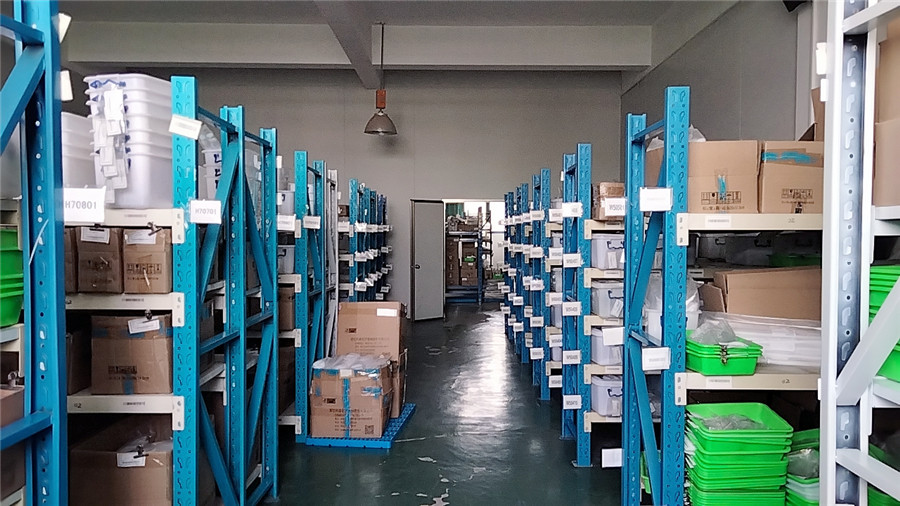
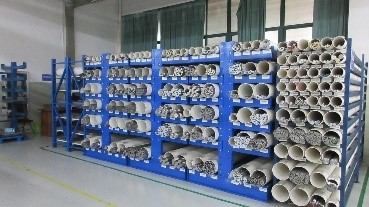
Our dedicated team of quality inspectors validates every batch of medical-grade raw materials using spectrometer testing, ensuring that trace alloy contaminants are completely excluded.
Collaborating directly with clinical centers of excellence, our engineering division constantly refines the shape of humeroulnar components to ease intraoperative implantation.
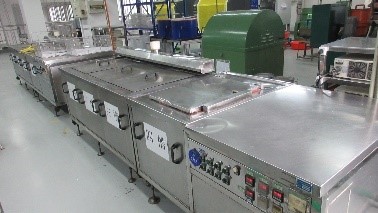
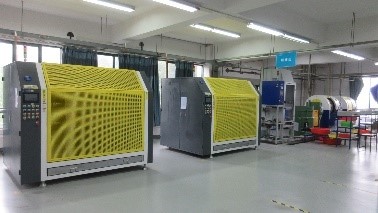
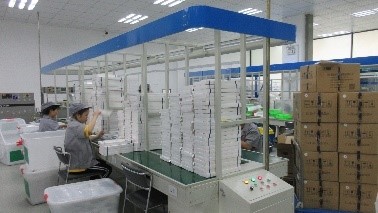
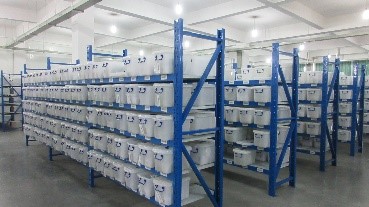
KaiSo has established a complete Quality Assurance System to continuously fulfil the requirements according to ISO9001, 13485, CE, ranging from material procurement to design development and automated production processes.

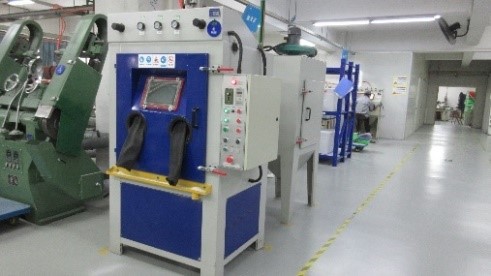
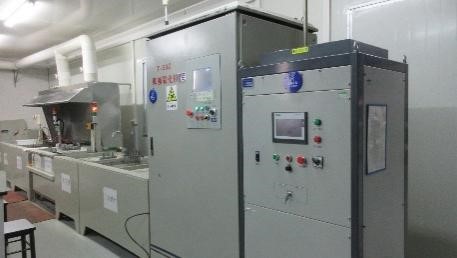
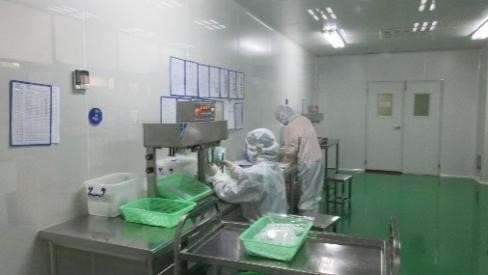

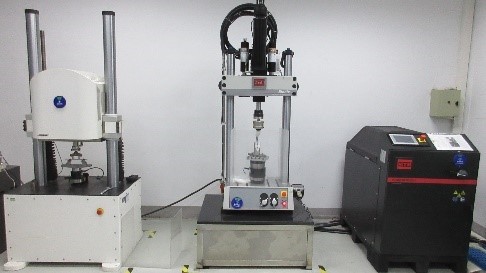
The global market for reconstructive joint implants is undergoing structural shifts toward customized patient care and smart orthopedic surgery integration. Three major trends dominate the developmental path of elbow joint implants:
Standard mass-produced elbow implants do not always fit patients presenting with complex distal humeral trauma or severe bone loss from revision surgeries. Progressive factories are shifting towards Electron Beam Melting (EBM) and Direct Metal Laser Sintering (DMLS) using titanium powders. This allows the fabrication of customized elbow implants matching the patient's CT scans precisely, ensuring a natural center of rotation.
To achieve rapid bio-fixation and prevent early implant failure, next-generation humeroulnar components feature rough plasma-sprayed titanium or hydroxyapatite (HA) coatings. These coatings stimulate bone ingrowth directly into the implant stems, mitigating the need for bone cement in younger patients who require excellent long-term implant longevity.
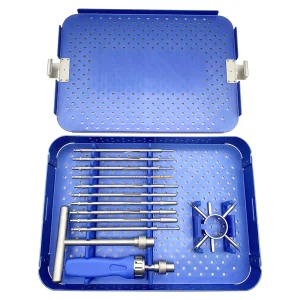
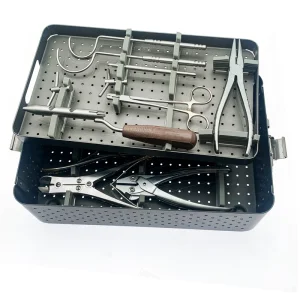
Modern surgical teams demand orthopedic toolkits that simplify bone resection. By reducing the number of steps required to align the humeroulnar components, hospitals minimize operative time and surgical complications. China's top export manufacturers are focusing heavily on delivering complete, integrated instrumentation boxes alongside the implants to guarantee orthopedic workflow efficiency.
Medical institutions and multinational brand distributors require strict compliance parameters. KaiSo’s global export pipeline addresses these expectations directly, providing structured documentation at every stage of shipment.
Our global distribution includes: South America (30%), Western Europe (20%), and Southeast Asia (20%). Our main clients include brand businesses, professional medical distributors, orthopedic hospital systems, and clinical device engineers.
Every implant shipped carries a Unique Device Identification (UDI) linked back to the exact mill run certificate of the titanium alloy or cobalt-chrome alloy used. This allows complete material verification throughout the product lifecycle.
We maintain comprehensive dossiers complying with international medical quality standards, backed by certified audits:
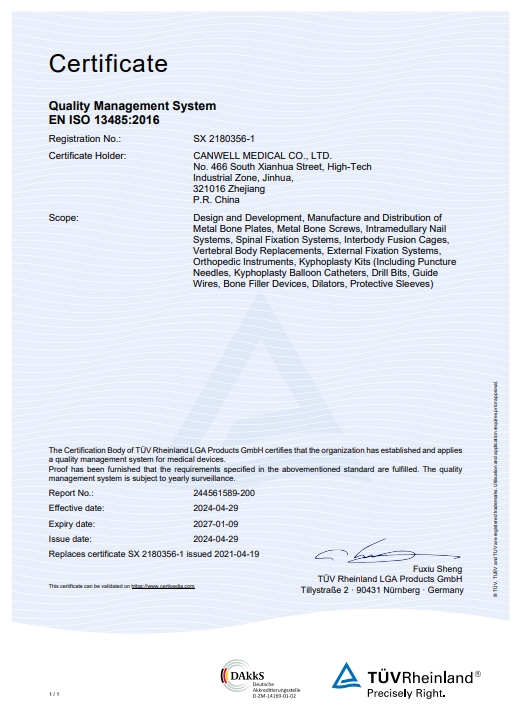
 ISO13485 Certification
SX 2180356-1
ISO13485 Certification
SX 2180356-1
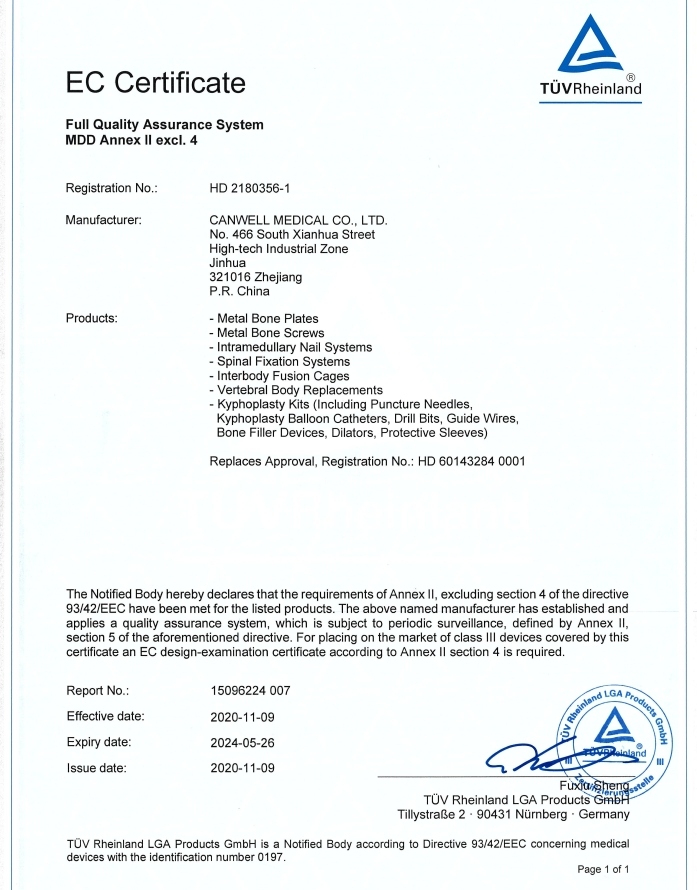
 93/42/EEC Directive
HD 2180356-1
93/42/EEC Directive
HD 2180356-1
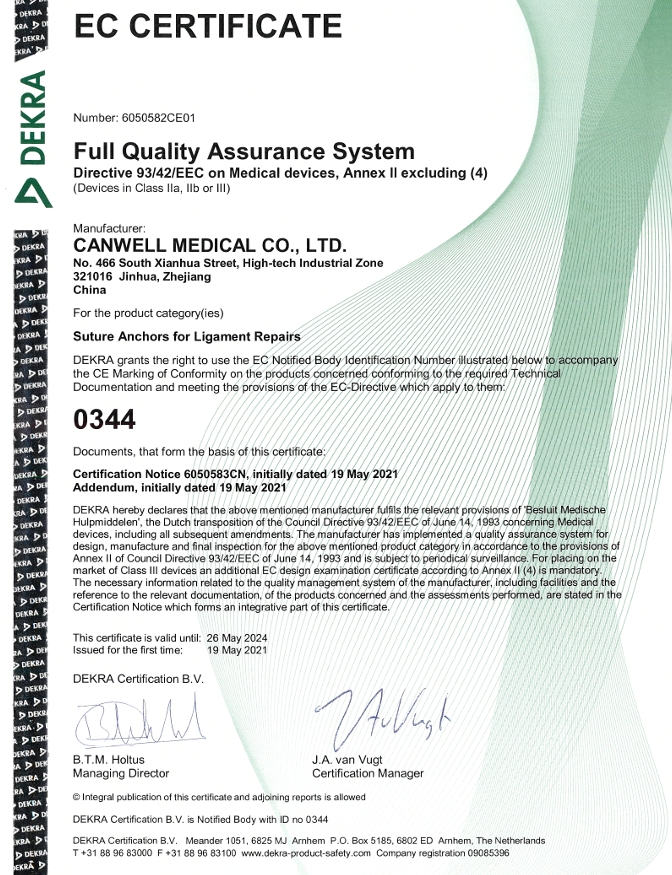 93/42/EEC Certification
6050582CE01
93/42/EEC Certification
6050582CE01

 CE MDR Validation
6142788CE02
CE MDR Validation
6142788CE02
Orthopedic implants must perform under diverse patient environments. KaiSo offers specific product modifications tailored to diverse clinical applications globally:
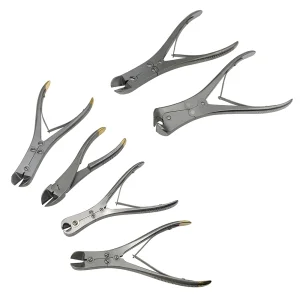
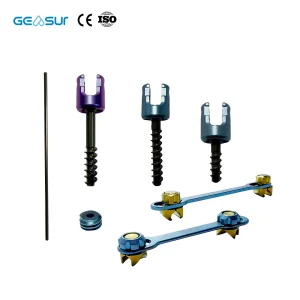
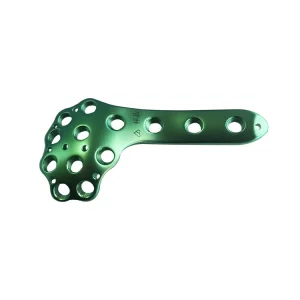
Designed for severe comminuted fractures of the distal humerus resulting from high-impact accidents. Featuring anatomical locking plates and associated bone cutters to facilitate immediate fixation.
Developed for elderly patients with low bone mineral density and osteoporosis. Stems are optimized for cementation to guarantee primary mechanical stability in fragile bone beds.
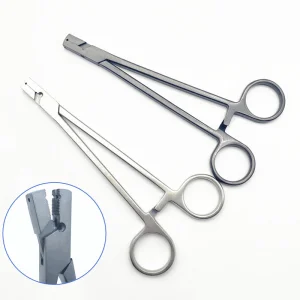
A growing global segment involves treating elbow dysplasia and fractures in large canine breeds. We supply specialized veterinary instruments, including mini-drill systems and K-wire pin cutters, to animal surgical hospitals.
Professional engineering and regulatory answers for sourcing managers, orthopedic distributors, and clinical researchers.
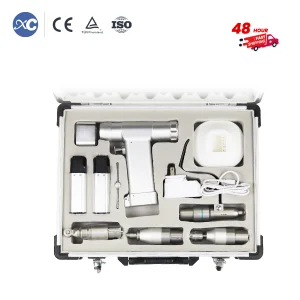
Explore our collection of multi-functional drills, veterinary surgical systems, and precision instruments designed for clinical durability.
 KaiSo Medical