Explore our precision-engineered surgical instruments and implant kits trusted by healthcare professionals worldwide.
Spinal arthrodesis has undergone profound technological shifts over the past three decades. The quest for the ideal interbody spacer—one that balances mechanical strength, biocompatibility, and radiographic evaluation—has positioned Titanium Interbody Cages at the forefront of modern spinal reconstruction. As a leading CE-certified supplier and exporter, KaiSo Medical is committed to delivering state-of-the-art spinal implant systems that meet the rigorous demands of global regulatory frameworks, including the European Union's Medical Device Regulation (MDR).
The primary objective of interbody fusion is to restore disc height, maintain lumbar or cervical lordosis, and provide immediate mechanical stability while promoting a solid osseous bridge across the motion segment. While early polymeric alternatives like Polyetheretherketone (PEEK) gained popularity due to their radiolucency and low elastic modulus, they often suffered from a lack of direct bone bonding, leading to fibrous encapsulation and pseudarthrosis. Modern titanium alloys, particularly Ti-6Al-4V ELI (Extra Low Interstitial), combined with advanced surface modification and additive manufacturing (3D printing), have successfully bridged this gap by offering superior osteoconductive properties and structural integrity.
The clinical success of an interbody cage relies heavily on its mechanical behavior under physiological loads. The spine is subjected to complex forces, including compression, shear, and torsion. A well-designed titanium cage must distribute these loads effectively to the vertebral endplates.
By utilizing advanced porous titanium structures, we reduce the bulk stiffness of the implant, matching the Young's modulus of trabecular bone to mitigate the risk of stress shielding and endplate subsidence.
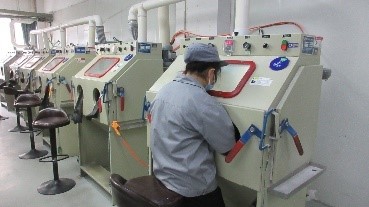
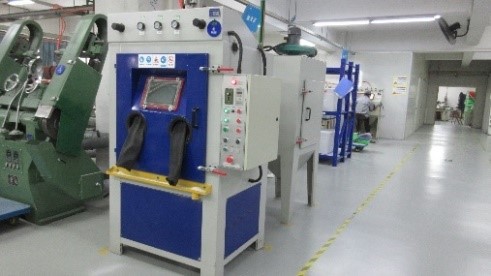
Our proprietary surface roughening technologies (acid-etching and sandblasting) create a micro-textured topography that stimulates osteoblast differentiation and accelerates direct bone-to-implant contact.
Large central windows are engineered into each cage to maximize the volume of autograft or bone graft substitutes, facilitating a continuous bony bridge through the fusion column.
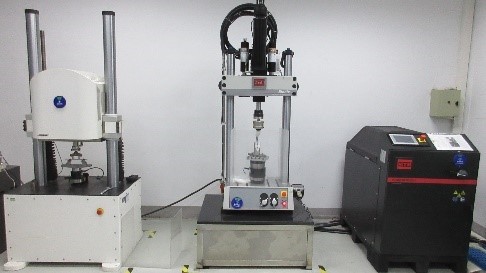
Every batch of KaiSo Medical's Titanium Interbody Cages undergoes rigorous mechanical testing in accordance with international standards. This ensures that the implants can withstand millions of cycles of physiological loading without mechanical failure.
| Standard Reference | Test Parameter | Clinical Significance | KaiSo Performance Metrics |
|---|---|---|---|
| ASTM F2077 | Static & Dynamic Compression / Shear | Evaluates structural integrity under maximum physiological load and fatigue resistance over 5 million cycles. | Exceeds standard requirements; no fatigue failure observed at peak run-out loads. |
| ASTM F2267 | Subsidence Analysis | Measures the implant's tendency to sink into the vertebral endplate under axial loading. | Optimized contact area design distributes load evenly, minimizing subsidence risk. |
| ISO 10993 | Biological Evaluation of Medical Devices | Ensures complete biocompatibility, non-toxicity, and absence of systemic inflammatory response. | 100% compliant; certified medical-grade Ti-6Al-4V ELI alloy. |
The global spinal implants market is witnessing a significant transition towards minimally invasive surgery (MIS) and personalized medicine. According to recent market intelligence, the demand for titanium interbody cages is growing at a CAGR of over 6.5%, driven by an aging global population, rising prevalence of degenerative disc diseases, and technological advancements in additive manufacturing.
Historically, North America and Western Europe dominated the consumption of high-end spinal implants. However, emerging economies in Southeast Asia, Latin America, and the Middle East are experiencing rapid growth due to expanding healthcare infrastructure and rising clinical standards. As an established exporter with 22 years of industry experience, KaiSo Medical has strategically positioned its distribution networks to serve these diverse markets:
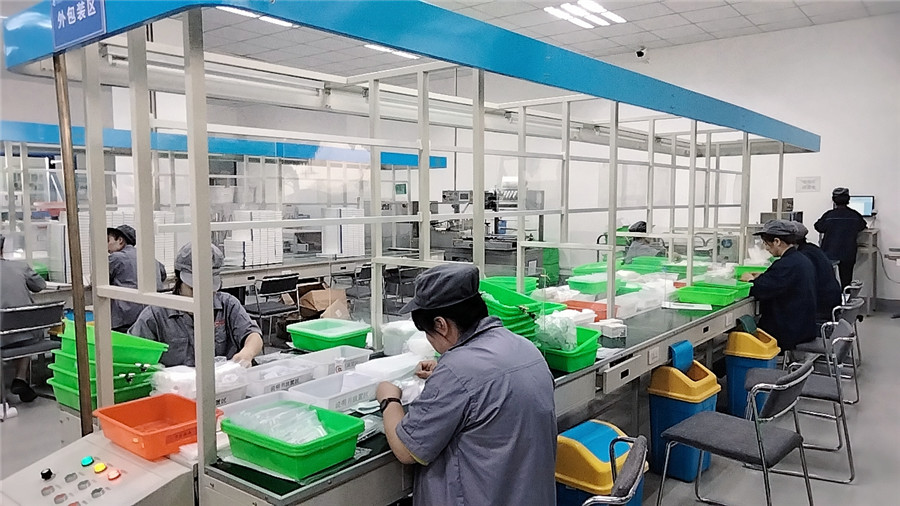
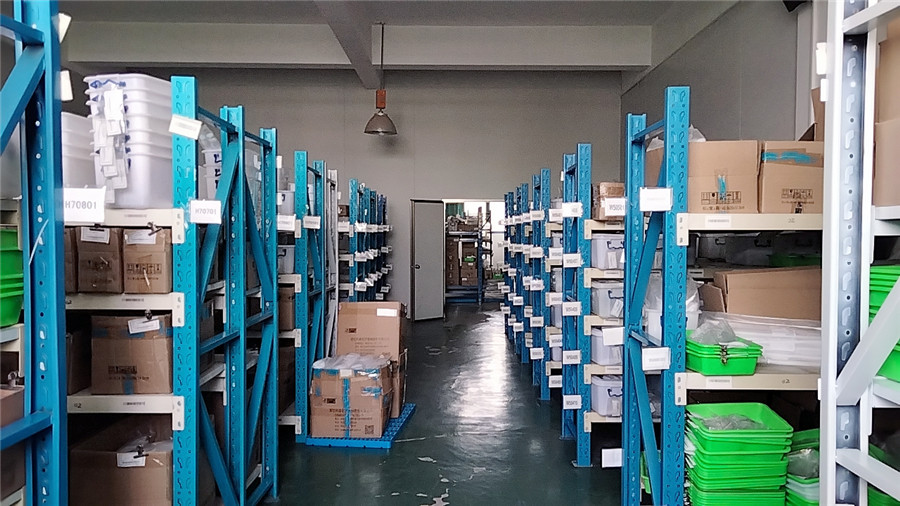
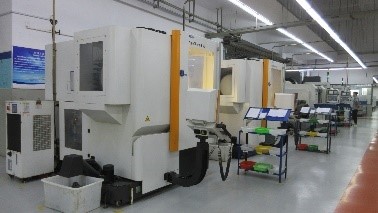
Founded on November 3, 2004, KaiSo Medical has grown into a premier manufacturer of orthopedic and spinal implants. Operating from a state-of-the-art 29,523 square meter facility, we integrate advanced automated production lines with rigorous quality control protocols to ensure every implant meets the highest standards of precision and safety.
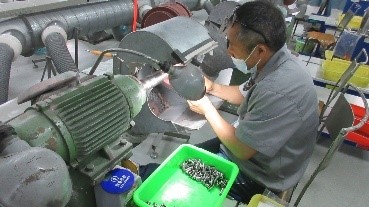
Our Quality Assurance System is certified under ISO 9001 and ISO 13485. From raw material procurement to final sterile packaging, every step is fully traceable. We employ 69 dedicated QA/QC inspectors who conduct 100% inspection of critical dimensions, surface finishes, and mechanical tolerances.
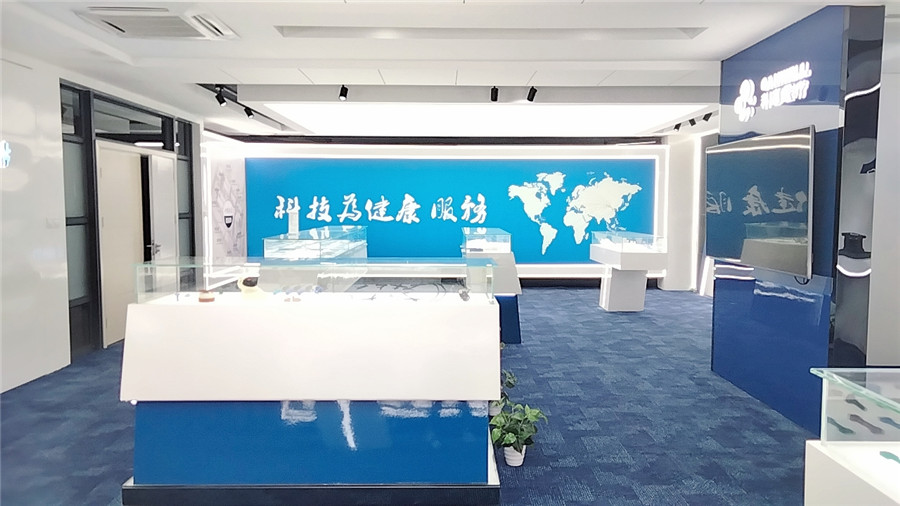
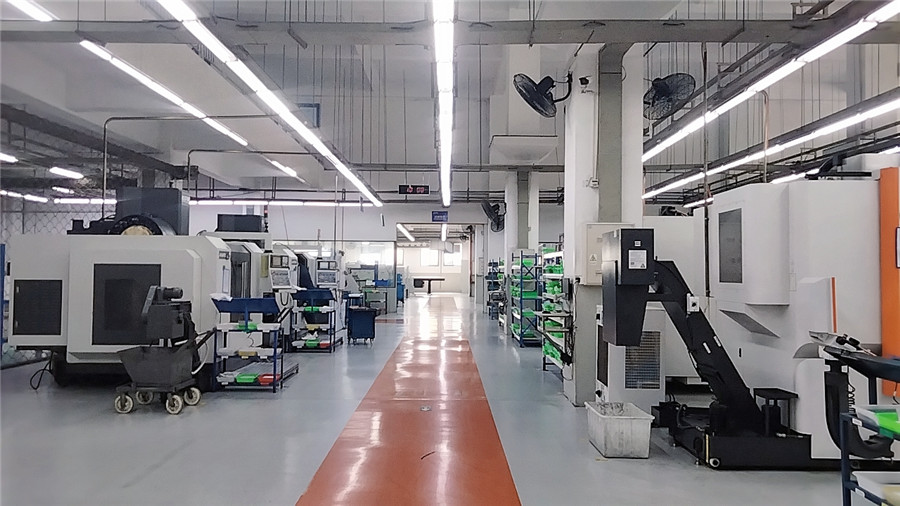
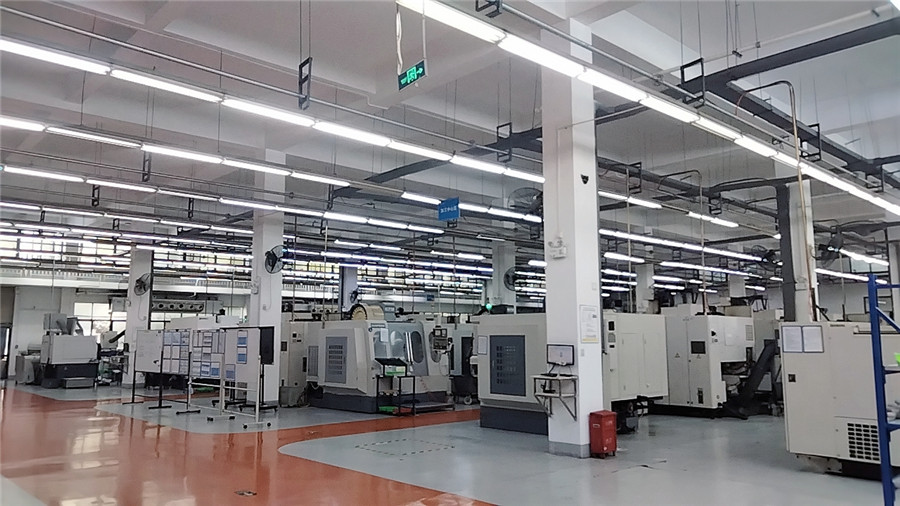
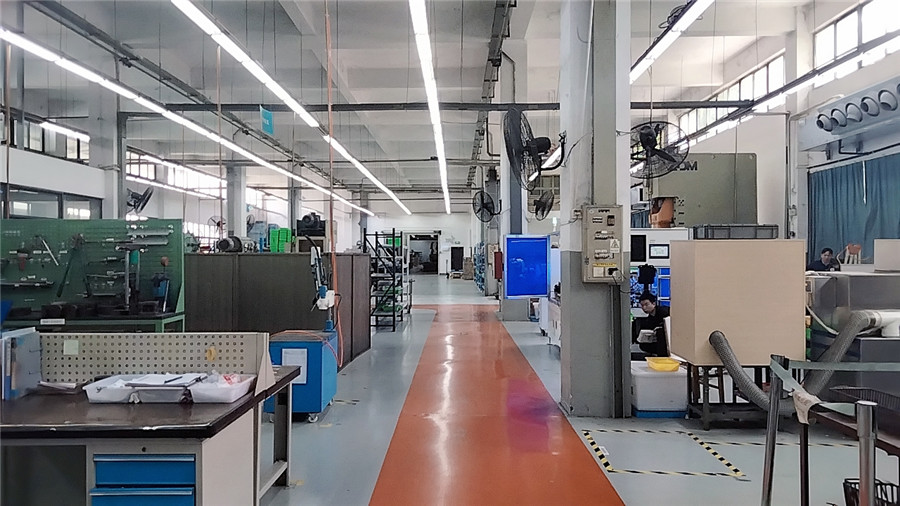
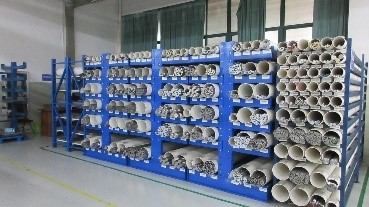
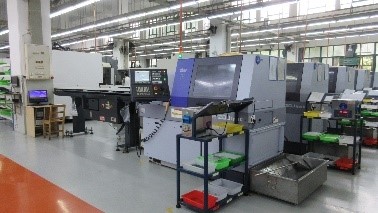
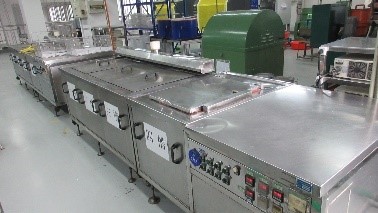
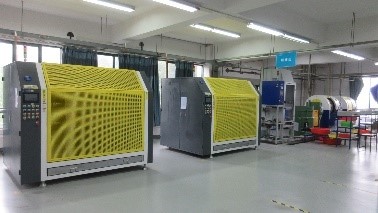
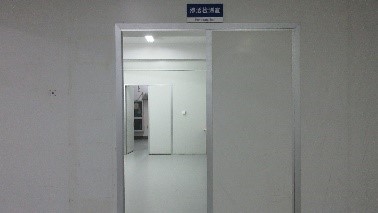
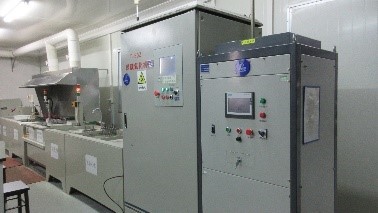
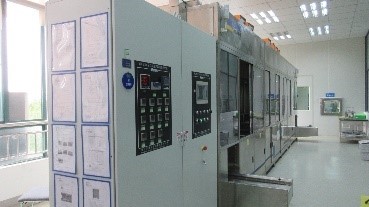
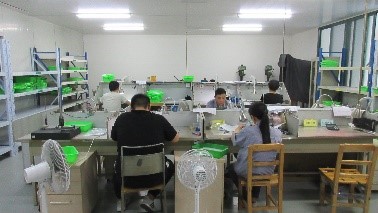
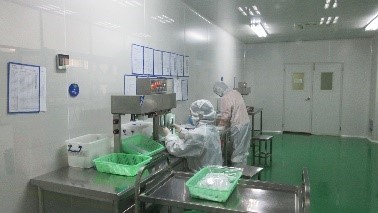
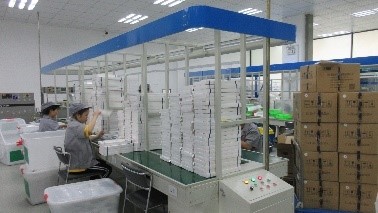
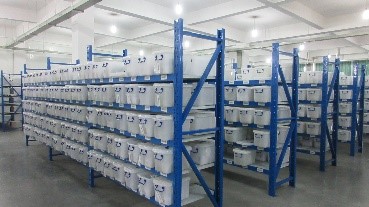
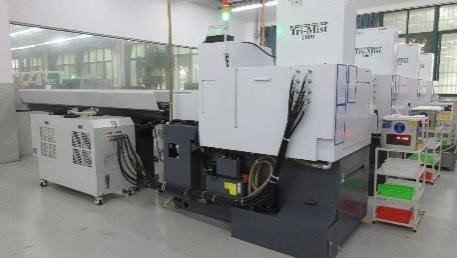
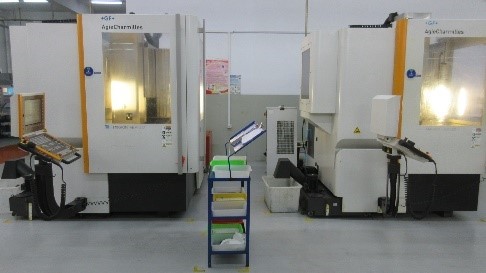
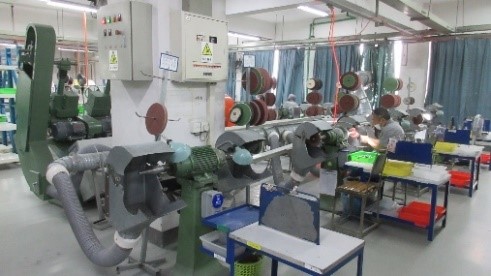
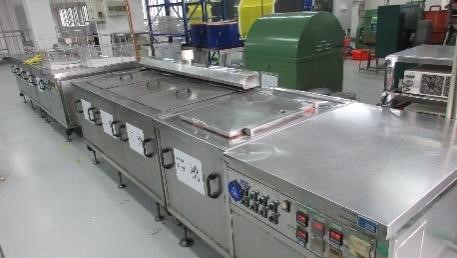
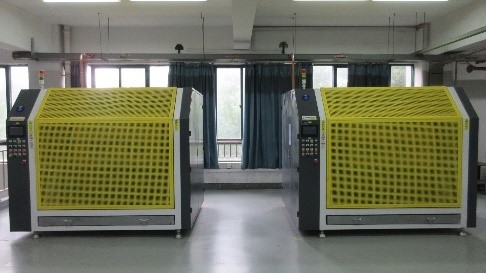
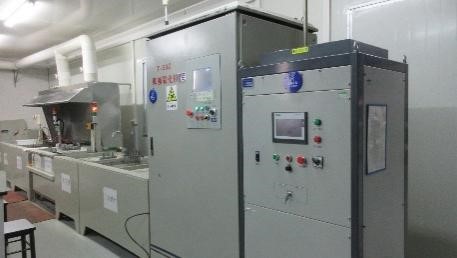
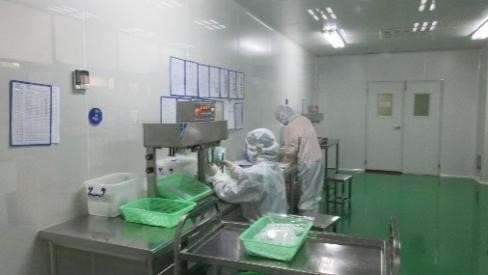
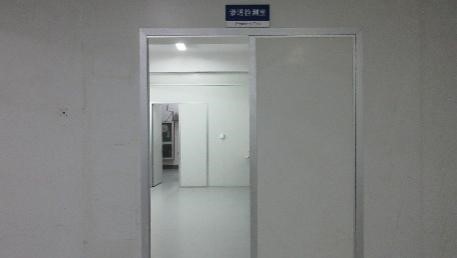
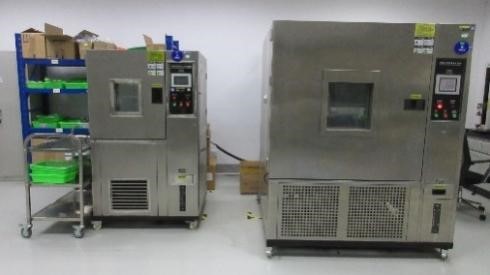
Below is a visual showcase of our advanced manufacturing environment, cleanrooms, precision CNC machining centers, and quality control laboratories where our titanium interbody cages and orthopedic instruments are produced.
Navigating the regulatory landscape of medical devices is one of the most significant challenges for global distributors. KaiSo Medical provides comprehensive localization support, ensuring that our products are fully compliant with regional laws and registration requirements.
Our regulatory affairs team is highly experienced in preparing technical dossiers for submission to various national health authorities. We hold the following core certifications:
In addition to regulatory documentation, we offer customized packaging, multi-lingual labeling, and localized surgical technique guides to support clinical teams in their native languages.
KaiSo Medical's Titanium Interbody Cages are engineered for a wide range of spinal fusion procedures, addressing degenerative disc disease (DDD), spondylolisthesis, spinal stenosis, and degenerative scoliosis.
Designed for bilateral insertion via a posterior approach. Our PLIF cages feature bulleted noses for easy insertion and self-retaining ridges to prevent migration.
Engineered for a unilateral transforaminal approach, minimizing dural retraction. The curved geometry allows optimal placement in the anterior portion of the disc space.
Specifically contoured for the cervical spine, featuring integrated fixation options or anatomical profiles that restore cervical lordosis and ensure rapid fusion.
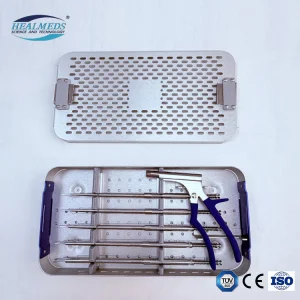
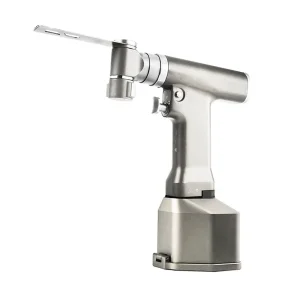
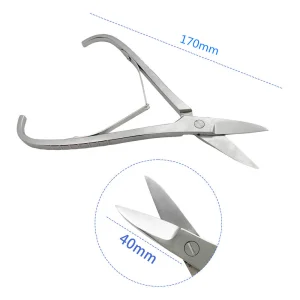
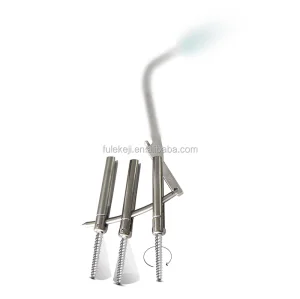
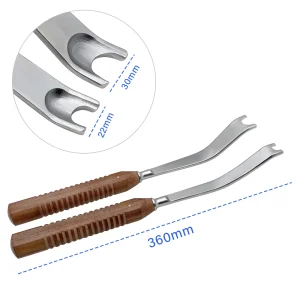
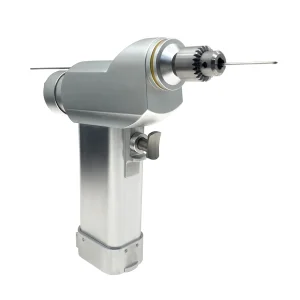
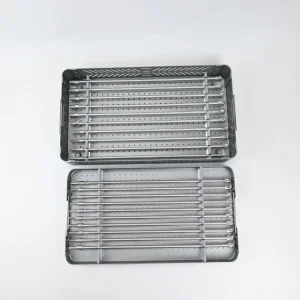
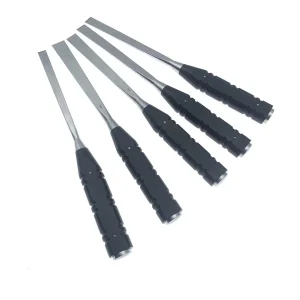
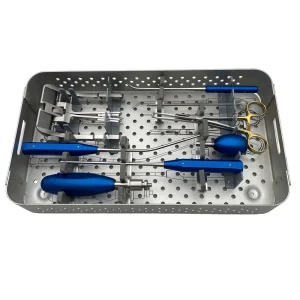
Each system is accompanied by a dedicated, ergonomic instrument kit designed to streamline the surgical workflow. From trial spacers to final inserters, our instruments are manufactured from high-grade stainless steel and titanium alloys, ensuring durability and precise tactile feedback during surgery.
The future of spinal arthrodesis lies in the convergence of material science, digital healthcare, and biotechnology. KaiSo Medical's R&D department, comprised of 59 graduate engineers, is actively developing the next generation of spinal implants:
We are expanding our production capabilities to include advanced Electron Beam Melting (EBM) and Direct Metal Laser Sintering (DMLS). This allows the fabrication of highly porous, biomimetic titanium structures with interconnected pore sizes (300–600 microns) that perfectly mimic human cancellous bone, promoting rapid vascularization and bone ingrowth.
Research is underway to incorporate nano-hydroxyapatite (HA) and osteoinductive proteins directly onto the titanium surface. This molecular-level modification aims to accelerate the early stages of bone healing, particularly in patients with compromised bone density or systemic conditions like osteoporosis.
Utilizing high-resolution CT scans and advanced CAD modeling, we are establishing a workflow for custom-made interbody cages tailored to the unique anatomical deformities of individual patients, optimizing load distribution and clinical outcomes.
Find answers to common technical, regulatory, and commercial questions regarding our titanium interbody cages.
Browse our extensive range of trauma plates, intramedullary nails, power tools, and specialized surgical kits.
 KaiSo Medical