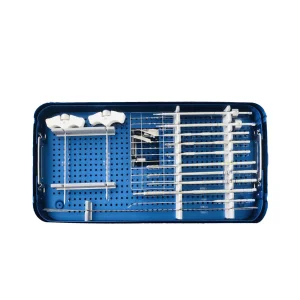
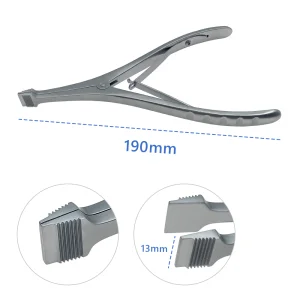
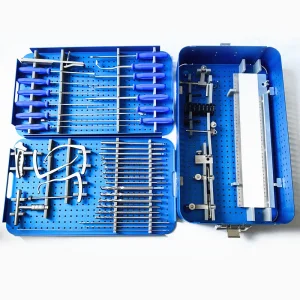
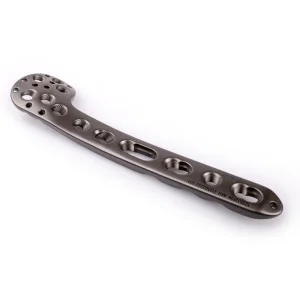
The global market for pelvic external fixators is witnessing a paradigm shift driven by the increasing incidence of high-energy trauma cases, such as road traffic accidents and industrial falls. As a critical emergency intervention, pelvic external fixation serves as a "life-saving" procedure to stabilize pelvic ring fractures and control retroperitoneal hemorrhage.
Modern factories are now integrating Titanium Alloy (Ti6Al4V) and Carbon Fiber components to provide radiolucent properties, allowing surgeons to monitor healing without interference from the fixator hardware.
Leading manufacturers like KaiSo are moving toward Modular Design Systems. The evolution from rigid, heavy stainless steel frames to lightweight, adjustable pin-to-bar systems allows for rapid application in the ER and better patient comfort. Future roadmaps include the integration of "Smart Pins" equipped with micro-sensors to measure real-time bone healing tension and load distribution.
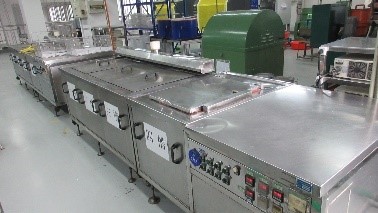
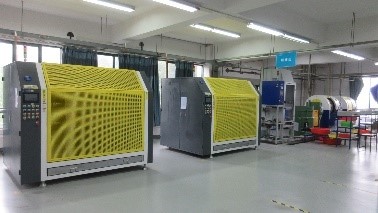
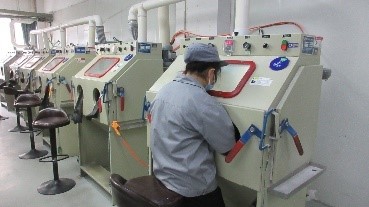
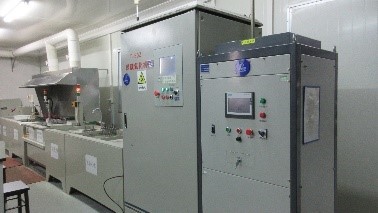
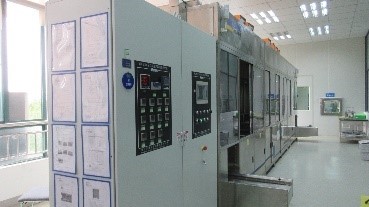
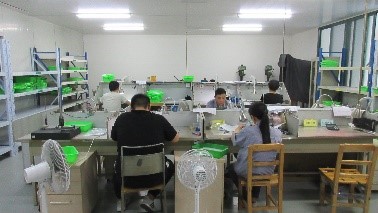
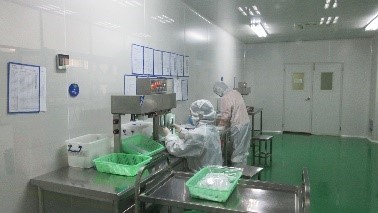
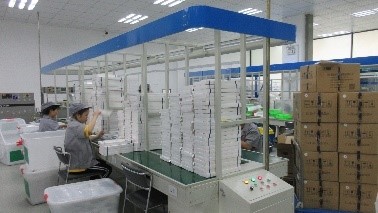
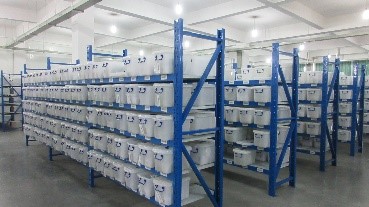
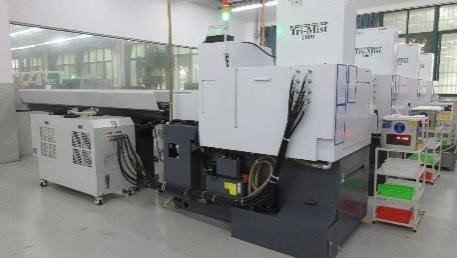
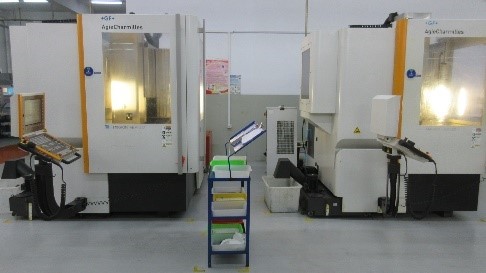
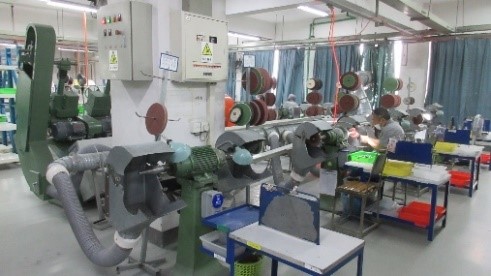
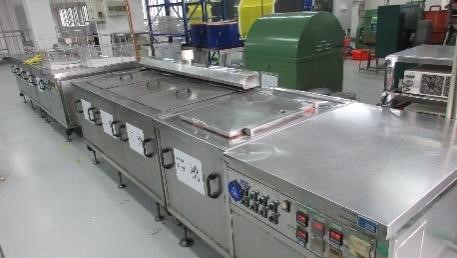
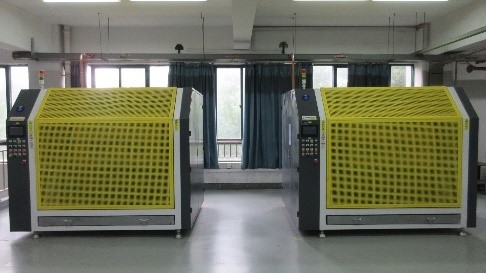
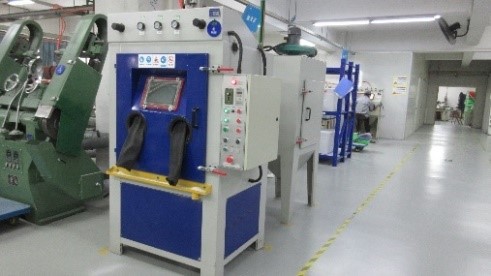
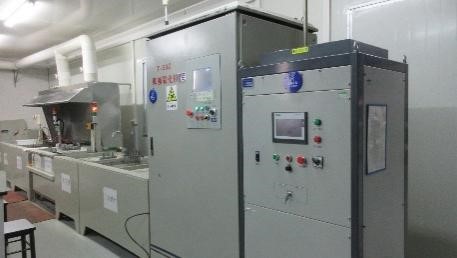
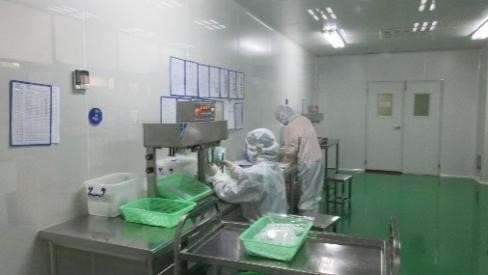
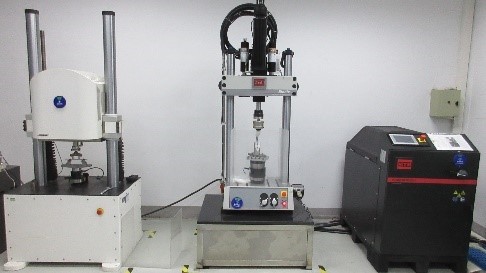
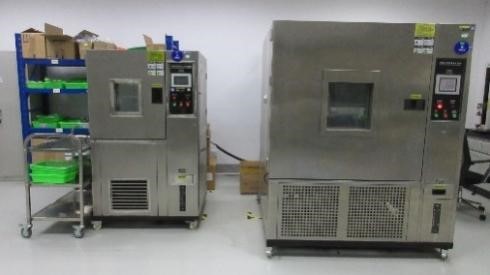
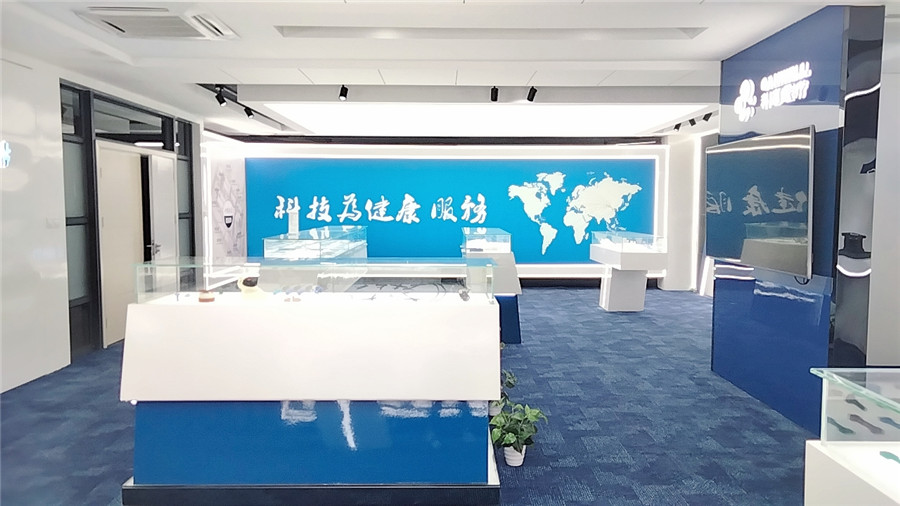
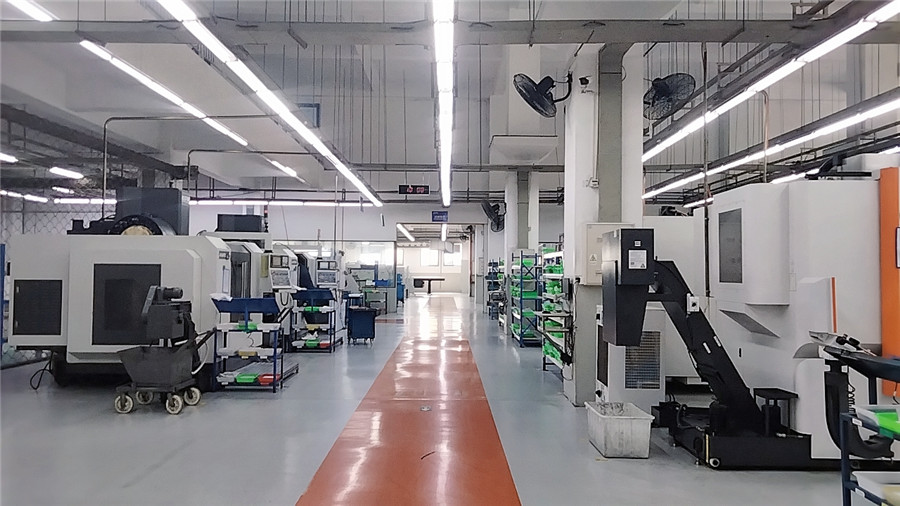
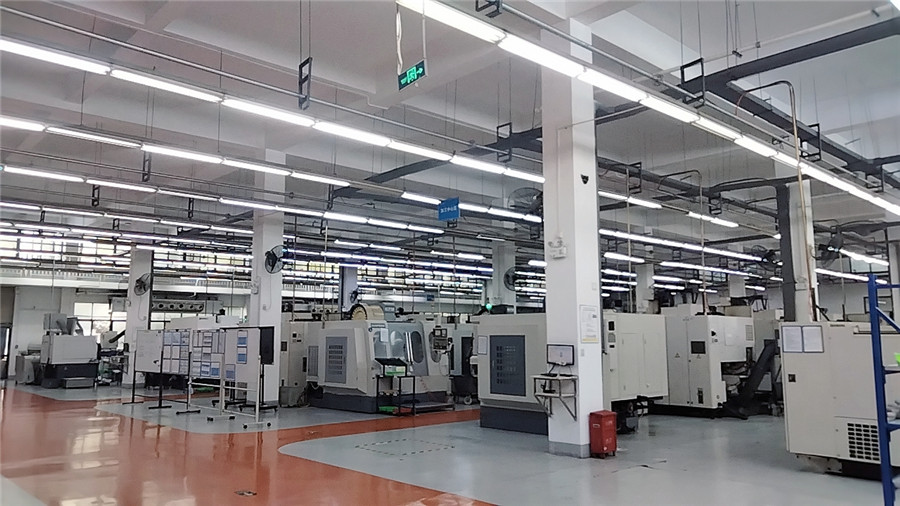
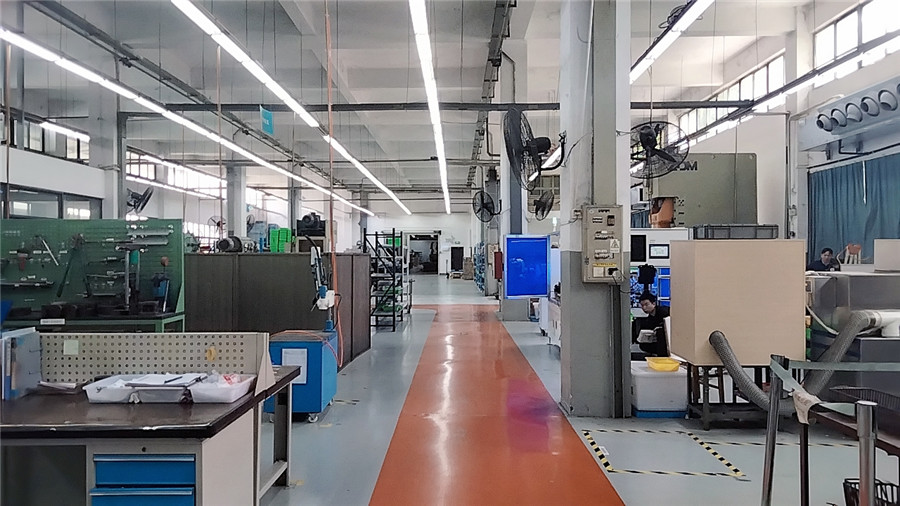
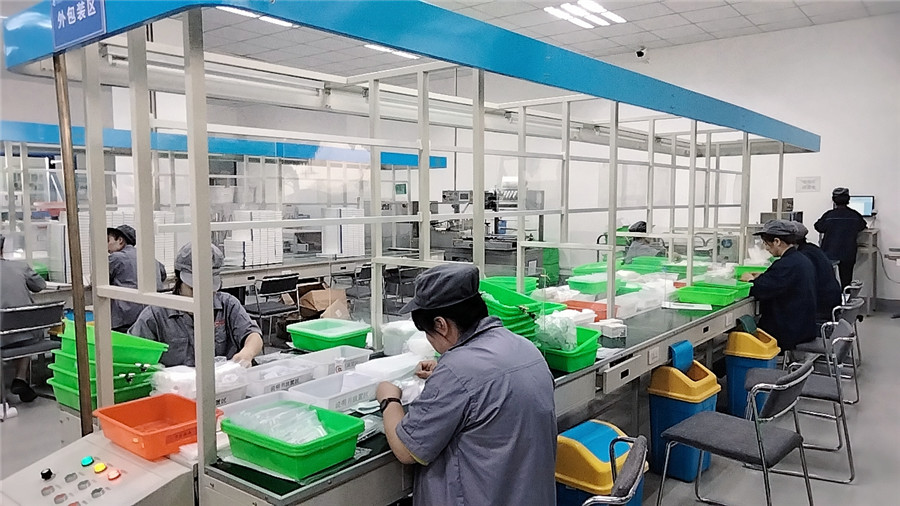
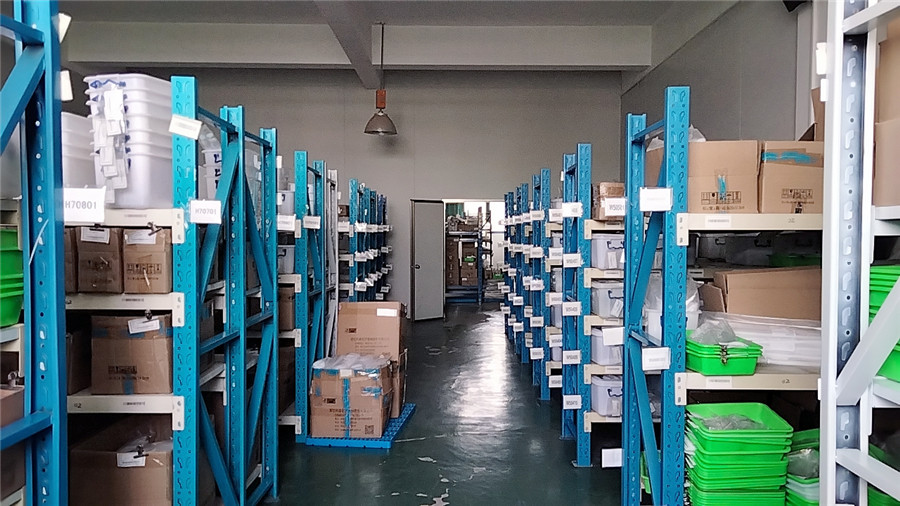
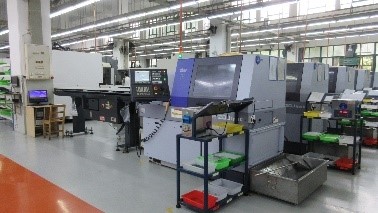
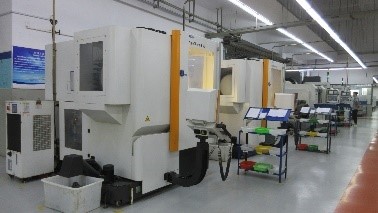
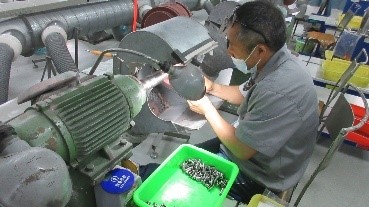
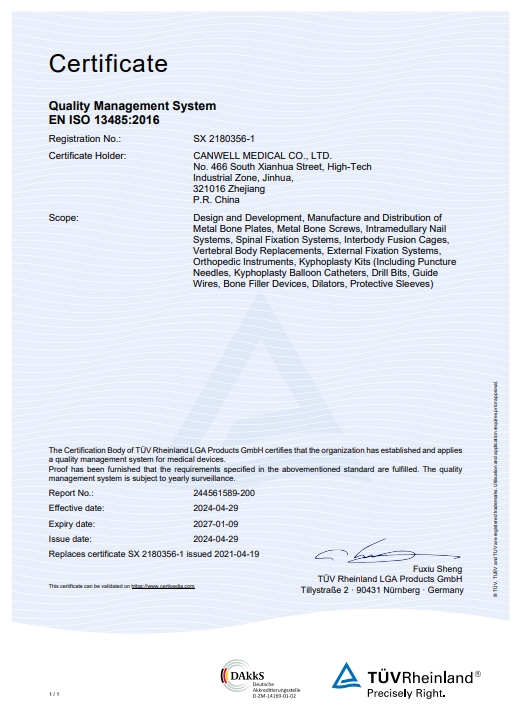
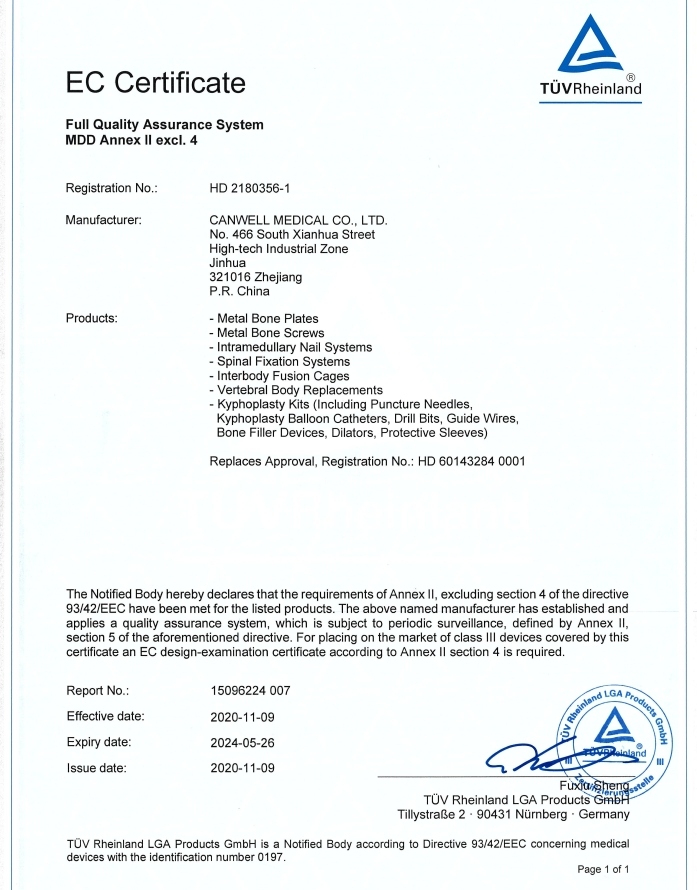
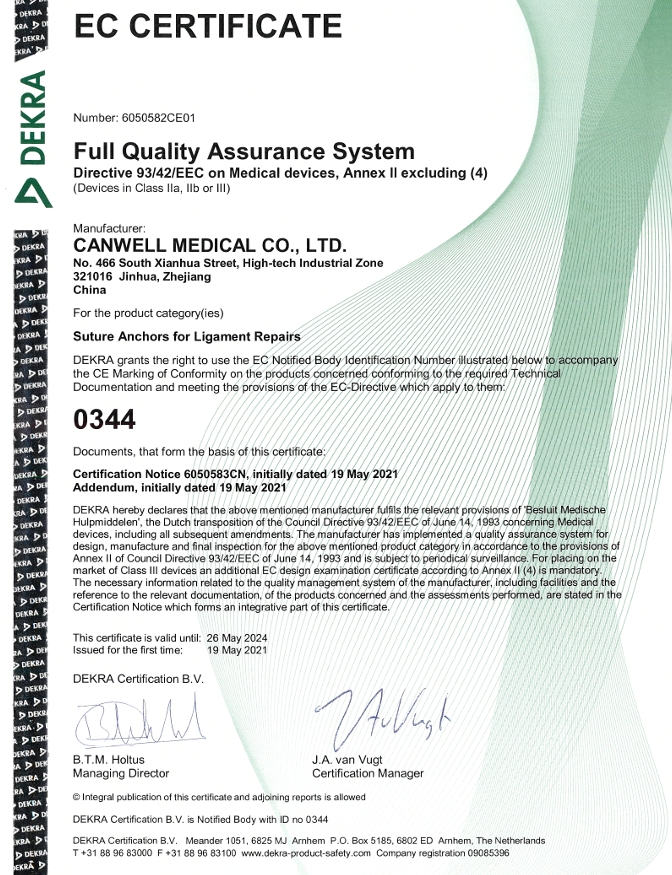
KaiSo has established a complete Quality Assurance System to continuously fulfil the requirements according to ISO9001, 13485, CE, ranging from material procurement to design development and automated production processes. Our facility spans over 29,523㎡, ensuring a robust supply chain for global orthopedic needs.
Traditional fixation methods often struggle with vertical shear fractures (Tile C). Our CE certified external fixators utilize a supra-acetabular pin placement strategy which provides superior mechanical leverage compared to iliac crest pins. This allows for better reduction of the posterior pelvic ring.
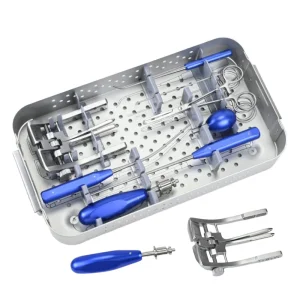
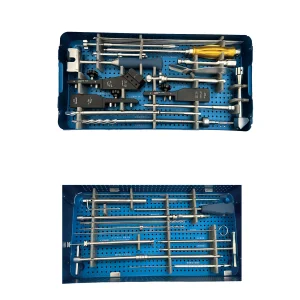
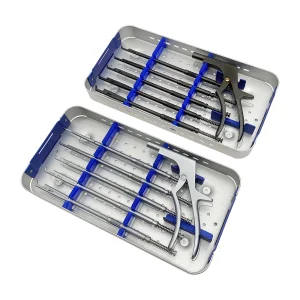
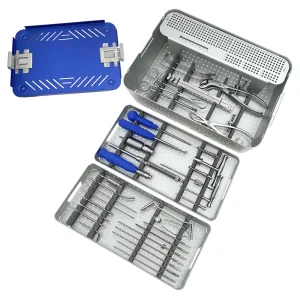
In urban trauma centers, pelvic fixators are often "temporary" (Damage Control Orthopedics). However, in developing regions or combat zones, these systems must serve as "definitive" fixation. Our factories customize kits with reinforced clamps to withstand the prolonged stress of definitive healing in austere environments.

 KaiSo Medical