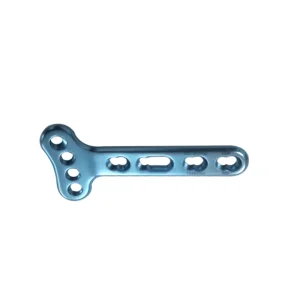
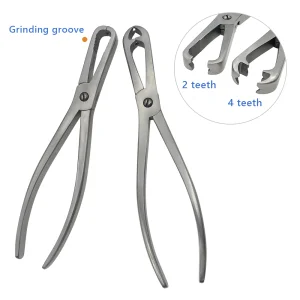
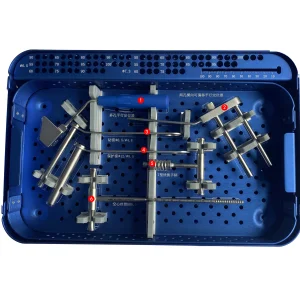
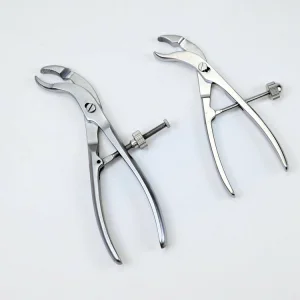
Advanced trauma implants, specialized bone holding forceps, and customizable instrument systems.
Decades of engineering mastery in manufacturing medical devices for international export.
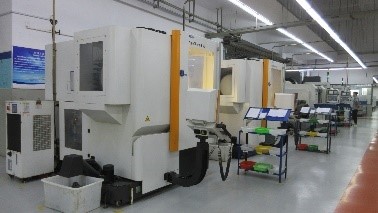
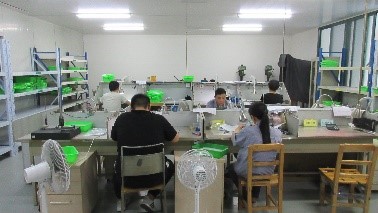
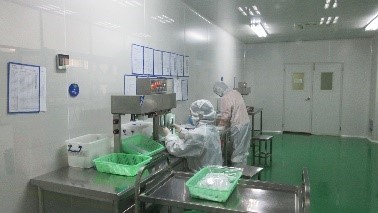
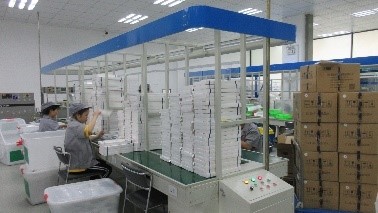
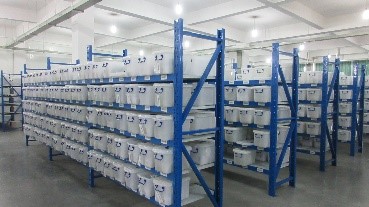
KaiSo has established a complete Quality Assurance System to continuously fulfil the requirements according to ISO9001, 13485, CE, ranging from material procurement to design development and automated production processes. Operating from a state-of-the-art facility spanning over 29,523 square meters, the enterprise leverages advanced multi-axis CNC milling centers, cleanroom packaging spaces, and complex quality evaluation labs to guarantee structural and biological safety. With more than two decades of focused market experience, KaiSo stands out as a reliable original equipment manufacturer (OEM) and custom exporter of traumatology devices, spinal systems, and knee joint instruments.
The global orthopedics market has evolved significantly. Key components of arthroplasty require strict adherence to international biomaterial standards. To provide high information gain for medical procurement professionals, we break down our material processes: every batch of medical-grade Titanium Alloy (Grade 5, Ti6Al4V) and Ultra-High Molecular Weight Polyethylene (UHMWPE) undergoes mechanical profiling, chemical spectroscopy, and ultrasonic testing before hitting the production lines. Our manufacturing ecosystem integrates raw-material tracking database systems, creating full transparency for distributors and orthopedic surgeons alike.
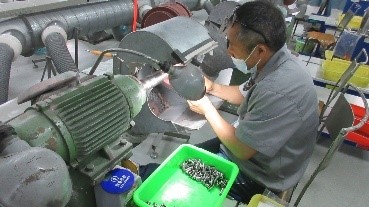
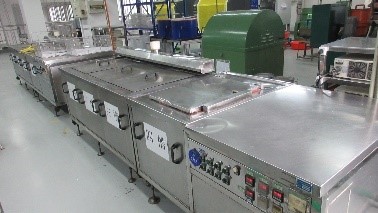
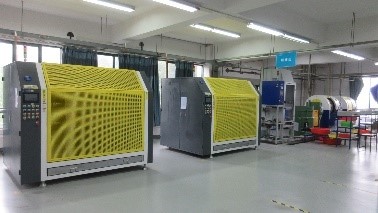
Visualizing the high-end automated manufacturing processes within KaiSo's factory.
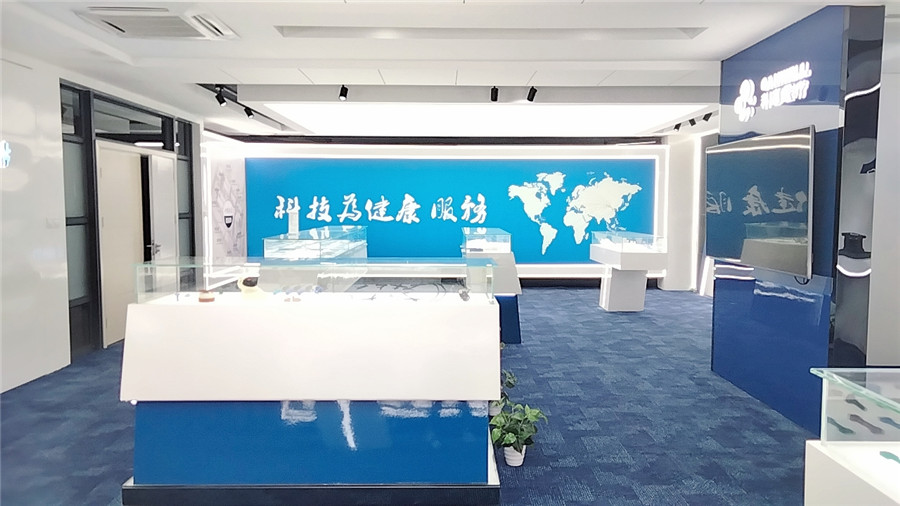
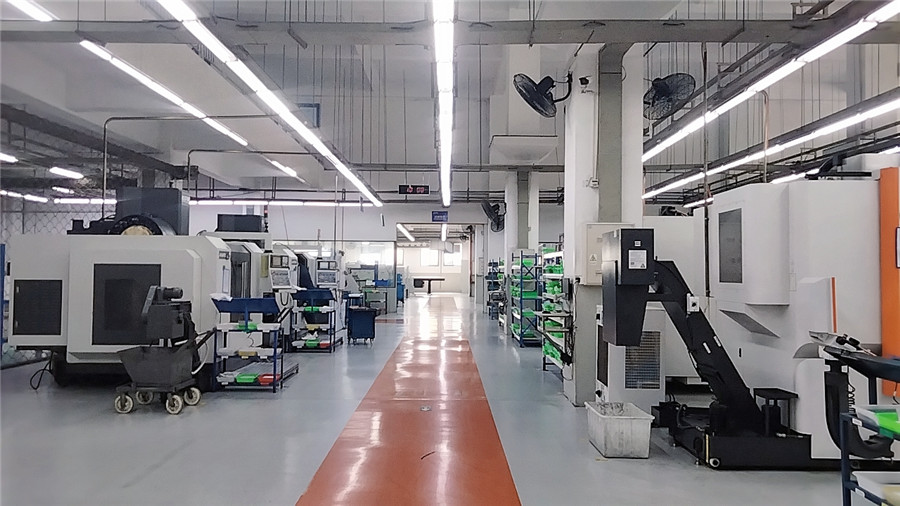
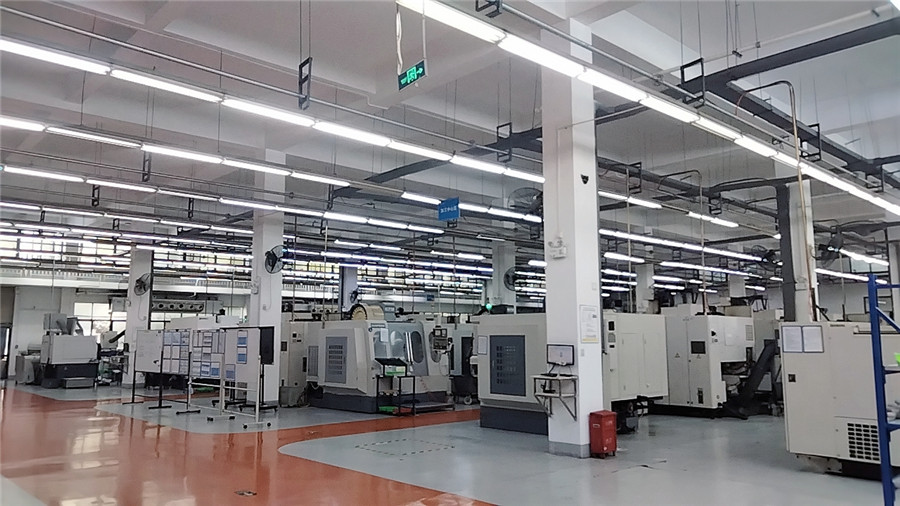
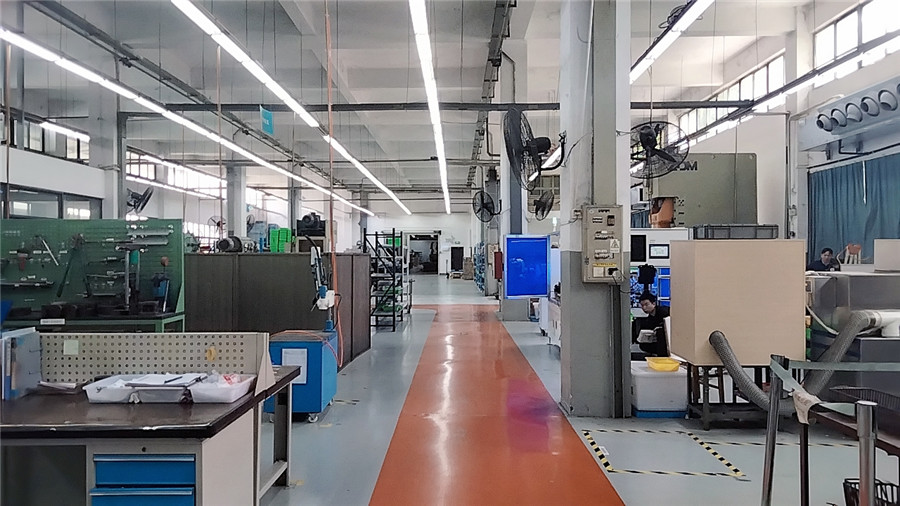
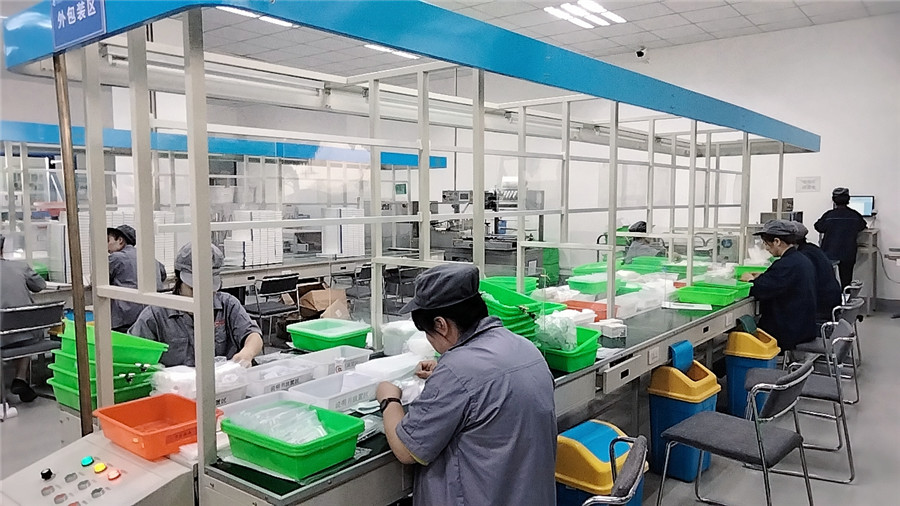
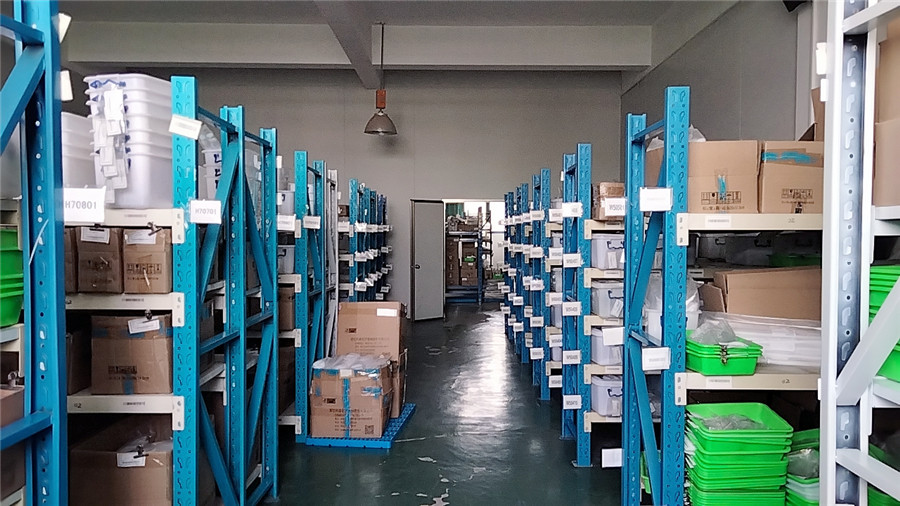
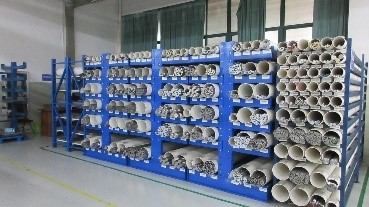
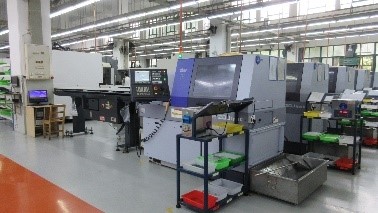
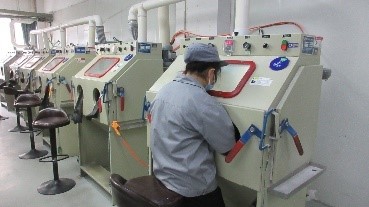
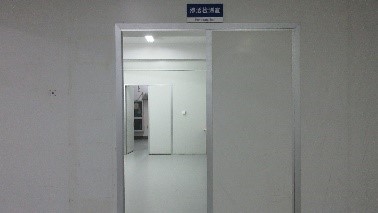
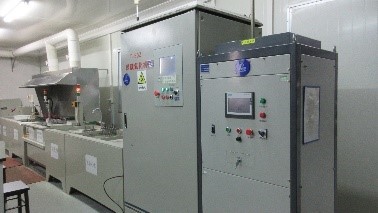
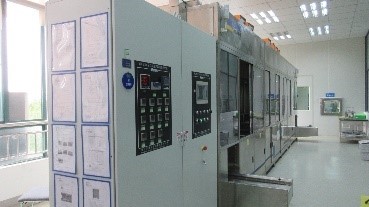
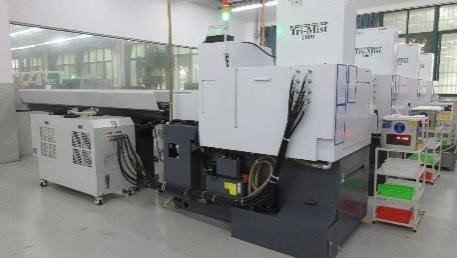
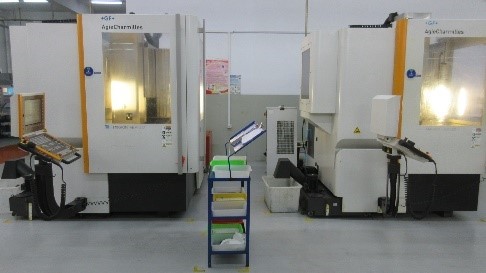
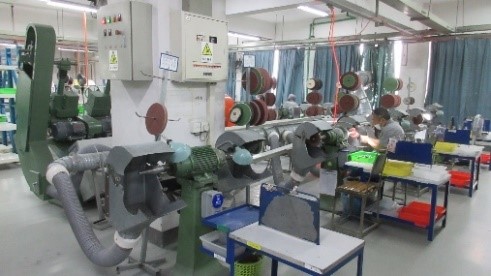
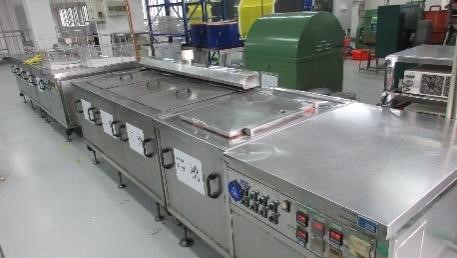
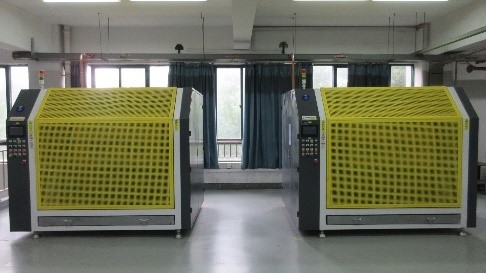
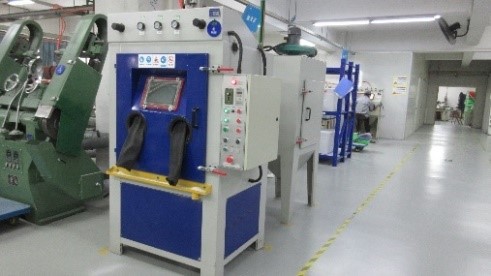
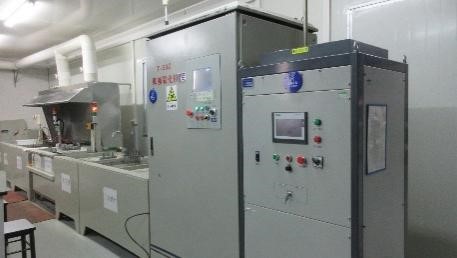
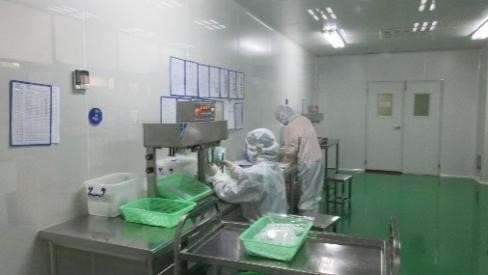
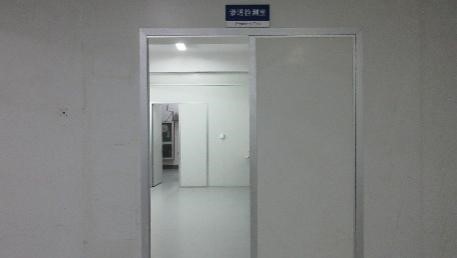
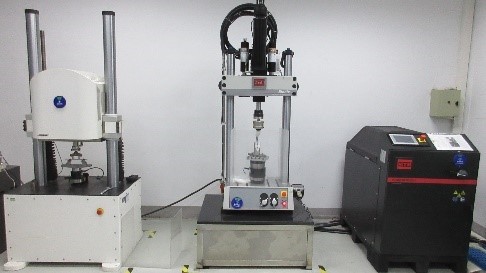
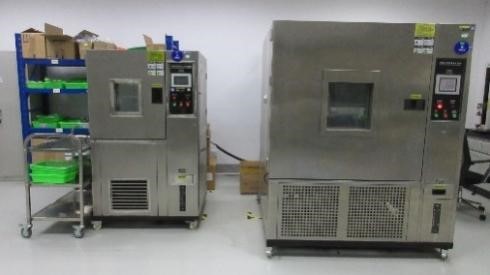
Holding validated CE MDR and ISO approvals, essential for European and global healthcare systems.
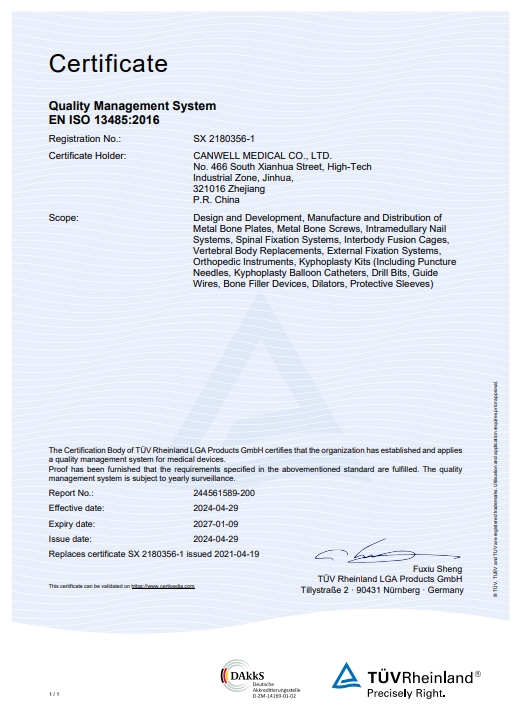

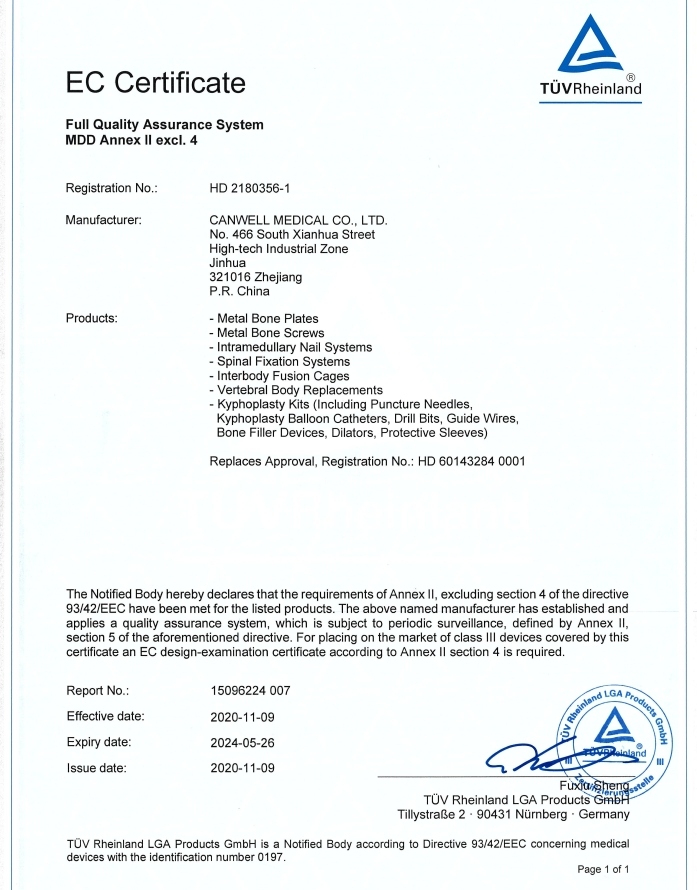

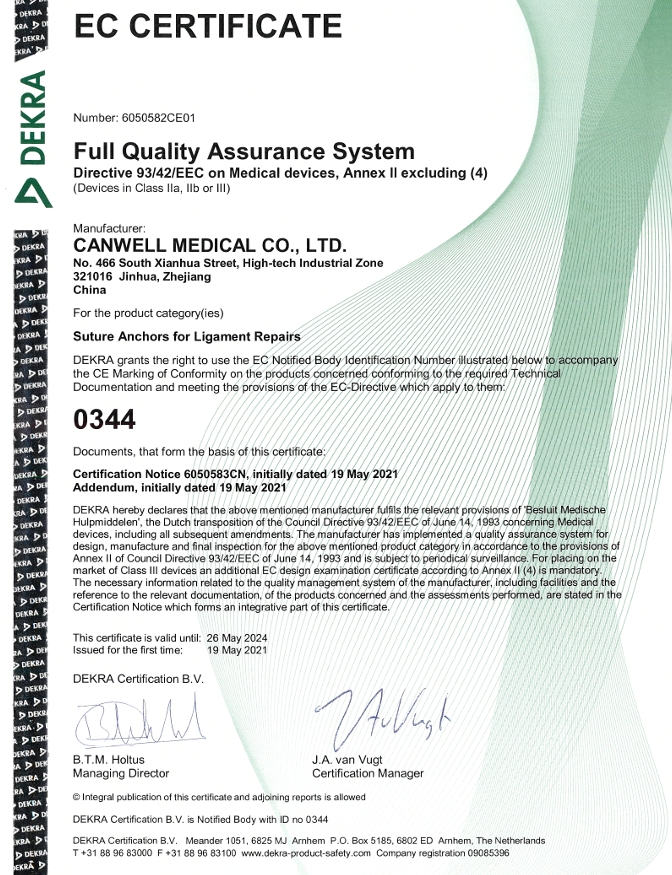
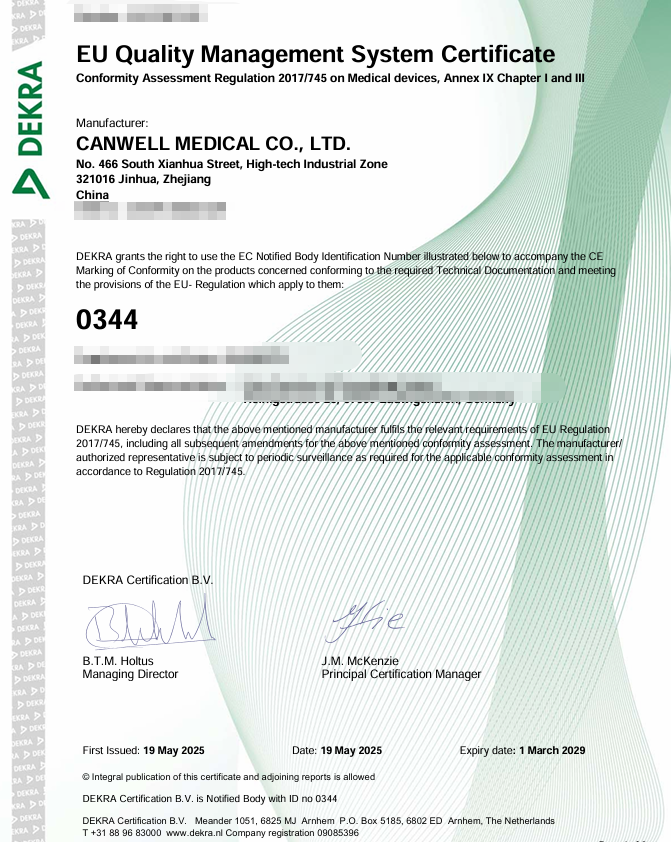

The transition from the Medical Device Directive (MDD 93/42/EEC) to the Medical Device Regulation (MDR EU 2017/745) has reshaped the global procurement framework. European distributors and international public health systems require certified manufacturers with verifiable clinical evaluation reports. KaiSo has updated its clinical validation files and technical documentation to meet the strict demands of notified bodies. Our certified products, including distal locking plates, intramedullary nails, and complex surgical instrument sets, comply with all updated traceability rules, including Unique Device Identification (UDI) tracking.
Furthermore, our QC framework utilizes 100% inspection policies for critical dimensional parameters. We also conduct structural fatigue validation. Our in-house cleanroom facilities are Class 100,000 certified, ensuring that each implant meets low bioburden limits before biological sterilization. By working with recognized logistics and shipping agents, we ensure all export shipments are delivered alongside complete chemical certificates, mechanical trial data, and certificate compliance documents.
As the international healthcare market demands cost-effective yet high-quality products, Chinese manufacturing hubs have become key partners. This shift is driven by deep industrial integration, specialized raw material access, and advanced talent. Modern medical manufacturing sites in China combine raw material processing, precision machinery, heat treatment, and surface modification within single regional hubs. This structural advantage allows KaiSo to design, prototype, and manufacture custom orthopedic devices quickly, minimizing standard development times for global partners.
In addition, our technical teams work closely with materials scientists to process complex alloys like Titanium Grade 5 (Ti-6Al-4V) and Cobalt-Chromium-Molybdenum (Co-Cr-Mo) under highly controlled conditions. By combining competitive material costs with advanced production technology, Chinese factories deliver orthopedic implants and tools that match or exceed Western performance benchmarks, all while offering significant cost advantages for large-volume purchasers.
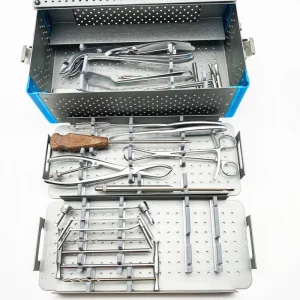
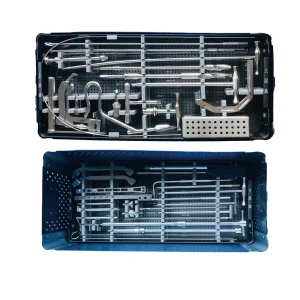
Purchasers in the orthopedic field deal with diverse clinical needs, from total joint arthroplasty sets to micro-fracture stabilization kits. KaiSo meets these needs through three main channels:
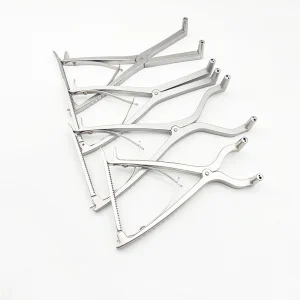
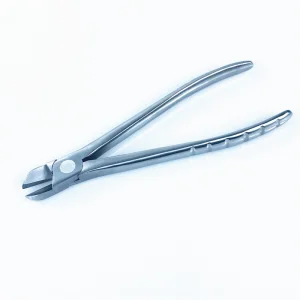
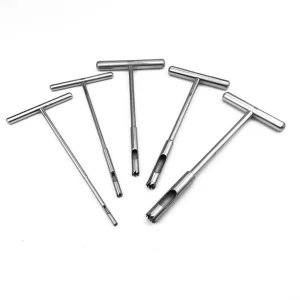
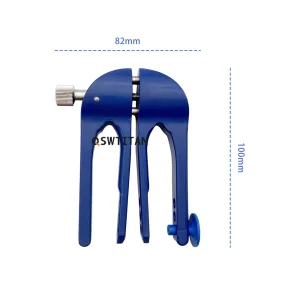
A successful knee joint device depends heavily on the auxiliary instruments used during surgery. For instance, the alignment of a femoral cut or tibial component depends on the accuracy of distractors, guide wires, and cutting instruments. KaiSo's Kirschner Forceps Distractors and Mini Oscillating Saws are engineered to limit mechanical vibration and minimize tissue heating during bone resection.
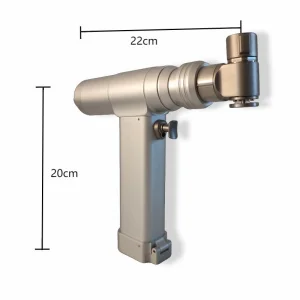
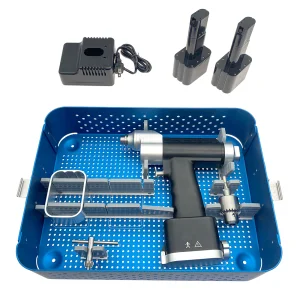
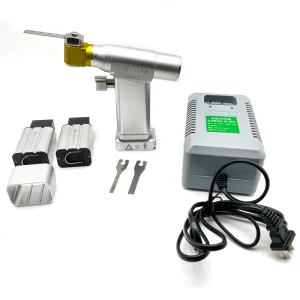
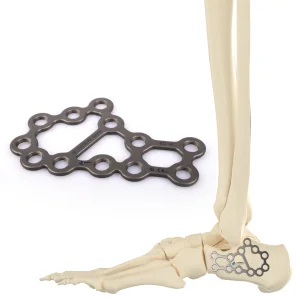
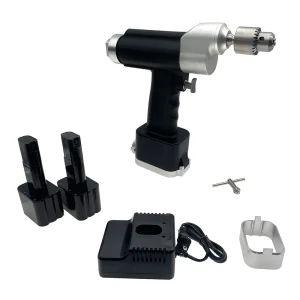
Our medical drills and oscillating saws utilize brushless motors, high-efficiency lithium cells, and lightweight aluminum alloys. This combination provides consistent torque during bone preparation, reducing hand strain for surgeons. Our implants, including Calcaneal Locking Plates and Intramedullary Nails (PFNA), use electrochemical anodizing to form a stable oxide layer. This surface treatment enhances biocompatibility, limits metal ion release, and supports healthy bone integration.
Explore our line of high-powered cannulated drills, titanium intramedullary nails, and surgical handpiece assemblies.
Key information regarding compliance, procurement, material standards, and custom manufacturing.
 KaiSo Medical