The integration of orthopedic implants into clinical practice significantly impacts patient outcomes. However, questions remain about what affects the clinical effect of orthopedic implants. Several factors contribute to the success of these devices. For instance, implant material and design play crucial roles in biocompatibility and mechanical performance. Specific patient characteristics, like age and activity level, also influence clinical results.
Surgeons must focus not only on the implant itself but also on the surgical technique. Precision in placement can enhance the stability and longevity of the implant. Rehabilitation protocols are equally important. These ensure that patients regain mobility and strength post-surgery.
Emerging technologies could demand our reflection. Innovations like 3D printing and bioactive coatings offer promise but require rigorous investigation. Addressing potential complications, such as infection rates and implant failure, remains a necessity. Continuous improvement in patient selection and care strategies can ultimately advance the effectiveness of orthopedic implants.
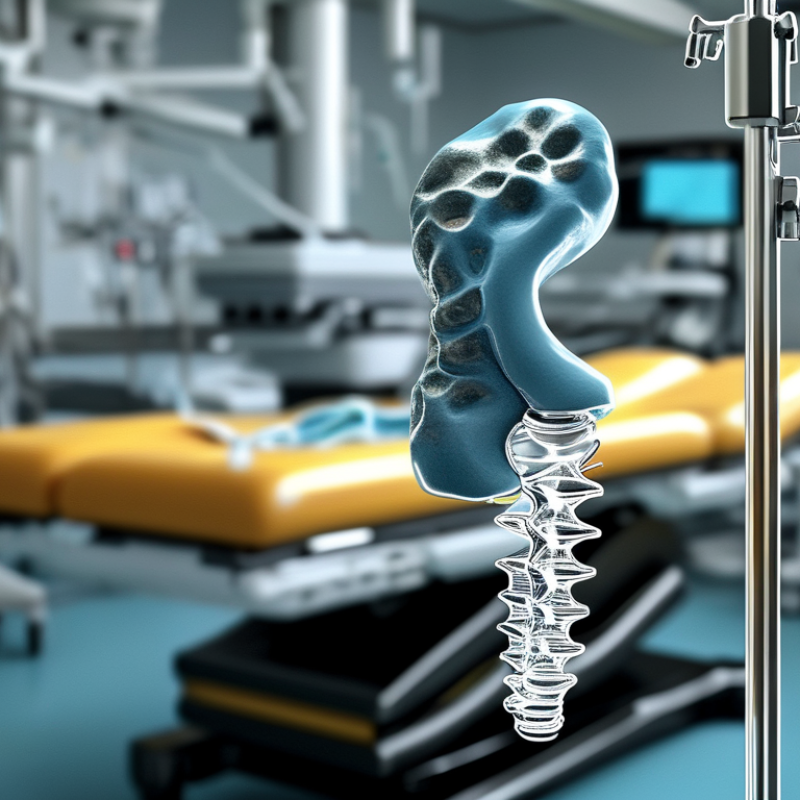
Orthopedic implants play a critical role in improving patient outcomes. Selecting the appropriate materials for these implants significantly impacts their effectiveness. Different materials, such as titanium alloys and polymers, have unique properties that influence biocompatibility and mechanical strength. Understanding these properties is essential for optimizing performance and longevity.
A crucial factor to consider is the interaction between the implant and the surrounding tissue. For instance, titanium is widely known for its excellent biocompatibility, but it may lead to complications in certain patients. In contrast, biodegradable materials can reduce the risk of long-term complications, yet they often have limitations in load-bearing applications. This presents a challenge for surgeons and engineers alike.
It is also vital to assess the patient's specific needs. Different demographics may respond differently to materials. For instance, younger patients might benefit from durable materials that withstand high activity levels. Older patients may prefer materials that lessen inflammation risks. Balancing these factors requires ongoing research and a willingness to adapt practices based on patient feedback and clinical results. Each choice comes with potential drawbacks, making careful consideration essential for successful outcomes.
Enhancing surgical techniques is crucial for improving the outcomes of orthopedic implants. One effective approach is to adopt minimally invasive procedures. These techniques often lead to reduced trauma and quicker recovery for patients. Surgeons must be trained in new methods to execute these procedures effectively.
In addition, proper preoperative planning is vital. Surgeons should use imaging technology to assess the patient’s condition. This preparation can help to identify potential complications in advance. Awareness of patient-specific anatomy often leads to better surgical decisions. However, even with advanced techniques, complications can arise. Continuous education and training for surgeons are essential to deal with these situations effectively.
Another important aspect is teamwork. A well-coordinated surgical team can significantly minimize errors during procedures. Effective communication among team members plays a critical role in this process. It is important to reflect on past surgeries and learn from any mistakes. Gathering feedback from patients can provide insights for future improvements. By focusing on these areas, we can enhance surgical techniques and improve clinical outcomes in orthopedic surgeries.
| Technique | Complication Rate (%) | Patient Satisfaction Score (1-10) | Average Recovery Time (Weeks) |
|---|---|---|---|
| Minimally Invasive Surgery | 5 | 9 | 4 |
| Robotic-Assisted Surgery | 4 | 8 | 3 |
| Enhanced Recovery After Surgery (ERAS) | 3 | 9 | 2 |
| Use of Bioactive Coatings | 2 | 10 | 3 |
Advanced imaging techniques have revolutionized preoperative planning for orthopedic implants. These methods allow surgeons to visualize the anatomy in detail. 3D imaging offers a clearer perspective of patient-specific features. This aids in selecting the right implant size and type.
Precision is key in implant placement. Advanced imaging helps ensure that the implant aligns with the patient’s unique anatomy. Misalignment can lead to complications and decreased functionality. Surgeons can rehearse procedures using virtual models, reducing unexpected challenges during actual surgery. However, reliance on imaging technology can sometimes lead to overconfidence in surgical outcomes.
Despite these advancements, there are limitations. Imaging can miss subtle anatomical variations. Additionally, technical difficulties may arise during imaging procedures. Surgeons must remain vigilant and adaptable. They should combine their expertise with the insights gained from imaging. Continuous evaluation of outcomes and techniques remains essential in enhancing patient care in orthopedics.
Postoperative care is crucial for patients receiving orthopedic implants. Effective recovery directly influences clinical outcomes. A structured care plan enhances healing, reduces complications, and promotes mobility. Monitoring vital signs and managing pain are vital components of this plan. Regular assessments help identify issues early. This approach fosters responsive adjustments to the patient’s needs.
However, challenges persist. Some patients may struggle to follow post-surgery guidelines. Non-compliance can delay recovery and impact overall health. Encouraging patients to engage actively in their care is essential. Providing education on the importance of following instructions can improve adherence. Engagement leads to better outcomes.
Incorporating multidisciplinary teams in the recovery process is beneficial. Physical therapists play a key role in rehabilitation. Their expertise helps patients regain strength and function. Regular follow-ups ensure alignment with recovery goals. Yet, there is always room for improvement. Evaluating the effectiveness of care strategies is necessary. This reflection can lead to better practices in the future.
Monitoring long-term outcomes is crucial for improving the effectiveness of orthopedic implants. Data analytics plays a pivotal role in this process. By collecting extensive data over time, healthcare professionals can identify patterns in patient recovery. Analyzing this information helps in understanding which implants are performing well and which are not.
Long-term studies can reveal unexpected complications. Some patients may experience issues years after their surgeries. Recognizing these trends early can lead to better materials or designs in future implants. Data collection must be continuous and extensive. Engaging with patients to gather feedback enhances the reliability of the data.
Additionally, collaboration among multidisciplinary teams is essential. Surgeons, data analysts, and researchers must work together. This shared expertise fosters innovation in implant technology. However, data analysis isn't foolproof. Limitations exist, and assumptions may lead to gaps in findings. Continuous improvement requires reflection on these shortcomings.
: Material selection affects the effectiveness and longevity of orthopedic implants, impacting patient outcomes significantly.
Younger patients may need durable materials, while older patients often prefer options that reduce inflammation risks.
Advanced imaging helps visualize anatomy, ensuring proper implant size and alignment for successful placement.
Yes, overconfidence in imaging can lead to misalignment issues during surgery, affecting functionality.
It helps identify patterns in recovery and complications that may occur years after surgery, guiding future material choices.
By analyzing extensive data, healthcare professionals can determine which implants perform well and improve future designs.
Imaging may miss subtle anatomical variations, and technical difficulties can arise, requiring vigilance and flexibility from surgeons.
Yes, teamwork among surgeons, analysts, and researchers fosters innovation and improves implant technology.
Assumptions in data may lead to gaps in findings, necessitating constant reflection and improvement in practices.
Engaging patients for feedback enhances data reliability and helps tailor materials to meet specific needs and preferences.
In the pursuit of improving clinical outcomes for orthopedic implants, several critical strategies must be employed. First, selecting appropriate materials plays a significant role in ensuring the implants' durability and biocompatibility, addressing the question of what affects the clinical effect of orthopedic implants. Enhanced surgical techniques can minimize complications, thereby fostering better recovery rates.
Preoperative planning is also vital; utilizing advanced imaging technologies allows for more accurate implant placement, directly impacting the success rates of procedures. Additionally, rigorous postoperative care ensures that patients recover effectively, while continuous monitoring of long-term outcomes through data analysis provides insights into implant longevity. Collectively, these strategies contribute to improved clinical results and enhanced quality of care in orthopedic surgeries.

KaiSo Medical