In the field of orthopedic healthcare, the successful use of implants relies heavily on professional training. Why is professional training important for orthopedic implant users? This question is crucial for patients, surgeons, and other stakeholders. Adequate training ensures that users understand the complexities of different implants. Without this knowledge, complications can arise during surgeries. These complications can lead to increased recovery time or even additional surgeries.
Orthopedic implants are not one-size-fits-all. Each type has its specifications, advantages, and disadvantages. Users need to grasp these details to make informed decisions. For instance, understanding the mechanical properties of certain materials can significantly impact long-term outcomes. Additionally, professional training enhances precision in surgical techniques, ensuring that implants are correctly placed. This reduces risks and promotes faster healing.
Furthermore, ongoing education is vital as technology evolves. New materials and methods frequently emerge in orthopedic practice. Users must stay updated to optimize patient care. Consequently, engaging in professional training can not only benefit individual users but also elevate the overall standard of orthopedic practice. In summary, the importance of professional training for orthopedic implant users cannot be overstated. It bridges the gap between theory and practice in a critical aspect of healthcare.
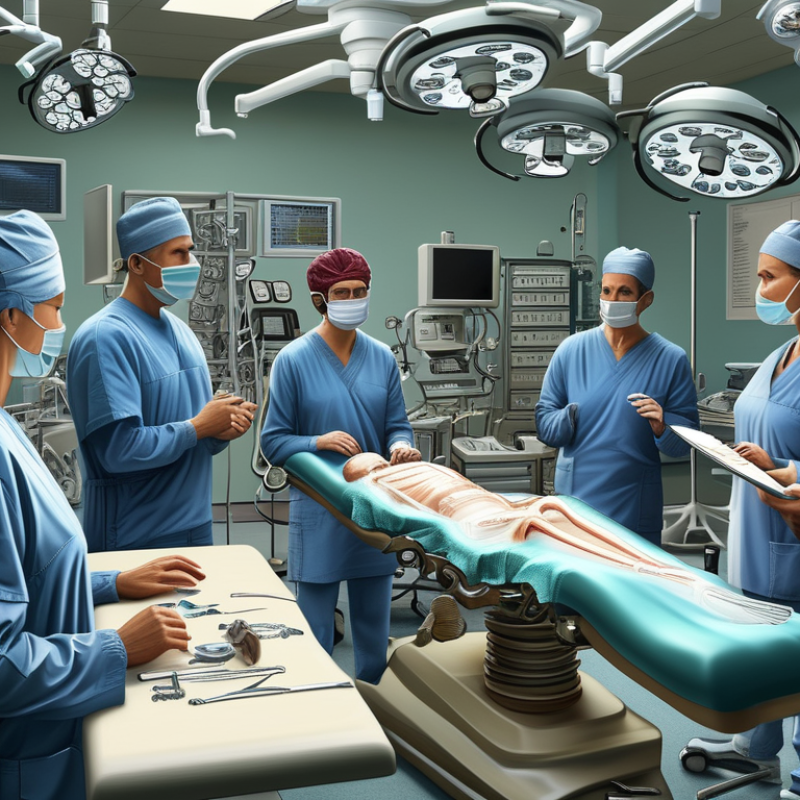
In the field of orthopedics, professional training is not just beneficial; it is critical. Surgeons and health professionals who work with orthopedic implants must understand the complex anatomy of the human body. This knowledge helps ensure that implants are placed accurately. Precision matters significantly to patient outcomes. A small error can lead to complications, prolonged recovery, or even the need for additional surgeries.
Furthermore, hands-on experience through professional training is invaluable. It allows professionals to practice skills in a controlled environment. Observational learning and mentorship can sharpen techniques. Yet, even with training, there can be gaps in knowledge. Continuous education is essential as technology evolves. New implant designs and surgical methods require ongoing learning. Professionals must seek out workshops and seminars to stay current.
Reflection on personal experiences also plays a significant role in professional growth. Understanding past mistakes or challenges can inform better practices in the future. It's crucial to adopt a mindset of lifelong learning. Engaging with peers can help share insights and foster improvement. Embracing both successes and failures prepares orthopedic professionals for the complexities of their work.
Orthopedic implants play a crucial role in enhancing the quality of life for numerous patients. However, recent statistics reveal concerning trends in implant failure rates. Research indicates that approximately 10% of joint replacements fail within a decade. This percentage is alarming, especially when considering the physical and emotional toll on patients. Understanding the reasons behind these failures is vital for improving patient outcomes.
Professional training for orthopedic implant users is indispensable. Surgeons and medical staff receive extensive training, yet ongoing education is paramount. Innovations in implant technology continuously emerge, and knowledge gaps may lead to improper usage. Even skilled professionals can benefit from regular updates and hands-on workshops. Some practitioners may underestimate the importance of this training, which could further jeopardize patient safety and recovery.
Moreover, the risk of complications does not just rest with the implant itself. Factors like surgical technique and patient selection are just as critical. Inadequate training can lead to mistakes in these areas. Each case presents unique challenges that require skilled decision-making. Continuous professional training ensures that healthcare professionals can respond effectively to these challenges. The ethical duty to provide the best care necessitates this commitment to education and improvement.
Continuing education plays a vital role in enhancing surgical outcomes for orthopedic implant users. Surgeons must remain updated on the latest techniques and materials. Advancements in implants and surgical methods occur rapidly. Regular training sessions can help maintain skills and introduce new approaches that improve patient care.
Hands-on workshops provide critical practical experience. These sessions allow surgeons to refine their skills while learning from seasoned experts. Participating in simulations fosters a deeper understanding of potential challenges. It also helps build the confidence needed during actual procedures.
Many surgeons recognize the need for lifelong learning but often overlook it. They might underestimate the impact of new practices on their surgical outcomes. Reflection on past experiences often reveals gaps in knowledge or technique. Engaging in continuing education is not just a requirement; it's a commitment to excellence. Embracing this journey can significantly enhance patient satisfaction and safety.
Proper training for orthopedic implant users can significantly influence patient outcomes. Consider a case where a surgeon received extensive training in advanced techniques for knee replacements. This professional learned about the latest surgical methods, which improved the precision of insertions. The result was a noticeable drop in post-operative complications. Patients reported faster recovery times and higher satisfaction scores.
In another instance, a surgical team engaged in simulations involving hip implant placements. They faced challenges balancing the implants correctly. Through repeated practice, they refined their skills and identified pitfalls. This preparation allowed them to minimize errors during actual surgeries. The team became more confident, leading to a success rate that exceeded industry standards.
These examples highlight important lessons. Training is not just about acquiring skills; it's also about understanding the nuances of the procedure. Mistakes will happen, but reflection on these experiences leads to growth. Continuous education and hands-on practice create a culture of excellence in orthopedic surgery.
Professional training for orthopedic implant surgeons is critical in maintaining high industry standards. According to a recent report by the American Academy of Orthopaedic Surgeons, about 2.5 million joint replacements are performed annually in the U.S. A significant factor in the success of these procedures is the surgeon's proficiency with the specific implants used. Proper training can enhance a surgeon's skill set, leading to better patient outcomes and fewer complications.
Understanding the latest technology and techniques is vital. The Orthopedic Implant Conference highlighted that over 30% of complications arise from inadequate training. Surgeons must be familiar with each device's specific protocols, usage, and potential complications. Continuous education can bridge this knowledge gap.
A strong emphasis on post-operative care is essential, too. Engaging in simulation-based training has shown an increase in proficiency, as reported by the Journal of Bone and Joint Surgery. Surgeons utilizing these training methods improved their implant handling by over 25%. Attending workshops and collaborative training sessions can foster a community where best practices are shared, ultimately benefiting patient care.
Reflecting on personal experiences can also enhance skills. Surgeons who consistently assess their own performance demonstrate improved outcomes. Learning from each surgery, good or bad, builds a more comprehensive understanding of the craft. Skills evolve, but the learning process should never stop.
: Approximately 10% of joint replacements fail within ten years, which is concerning.
Ongoing education helps surgeons address knowledge gaps and enhances patient safety.
Insufficient training may lead to mistakes in surgical technique or patient selection.
Over 30% of complications are linked to insufficient knowledge and training.
Surgeons using simulation showed over a 25% improvement in implant handling skills.
Assessing their surgeries helps surgeons learn, improving future patient outcomes.
Continuous learning ensures professionals stay updated with new techniques and standards.
Surgical proficiency, patient selection, and proper training are key to successful outcomes.
Good post-operative care is vital for patient recovery and minimizing complications.
Sharing best practices in workshops fosters collaboration and enhances overall patient care.
Professional training is crucial for orthopedic implant users due to its direct impact on patient safety and surgical outcomes. As outlined, the importance of professional training for orthopedic implant professionals cannot be overstated, especially in light of current statistics indicating significant implant failure rates. Continuous education serves as a pivotal means of enhancing surgical techniques, ensuring that practitioners are up-to-date on the latest advancements in the field.
Case studies demonstrate that successful surgical outcomes are closely linked to the proper training of orthopedic implant surgeons. Adhering to industry standards for training not only elevates the skill set of medical professionals but also fosters a culture of excellence in patient care. Ultimately, understanding "why is professional training important for orthopedic implants users" emphasizes the necessity for rigorous education and training programs to mitigate risks and improve clinical results.

KaiSo Medical