Orthopedic implants play a crucial role in modern medicine. They restore function and improve patients' quality of life. However, the question arises: what affects the safety of orthopedic implants? A multitude of factors influences their performance and reliability.
Material selection is fundamental. Biocompatibility must be ensured to prevent rejection. Implant design also impacts safety. An effective design promotes stability and reduces wear. Additionally, surgical technique plays a key role in implantation success. Inexperienced surgeons may increase the risk of complications.
Moreover, patient factors cannot be overlooked. Age, lifestyle, and pre-existing conditions affect the outcomes. A deeper understanding of these variables is essential. Reflecting on these considerations can lead to improved implant safety. Continuous research is necessary to enhance the effectiveness of orthopedic implants.
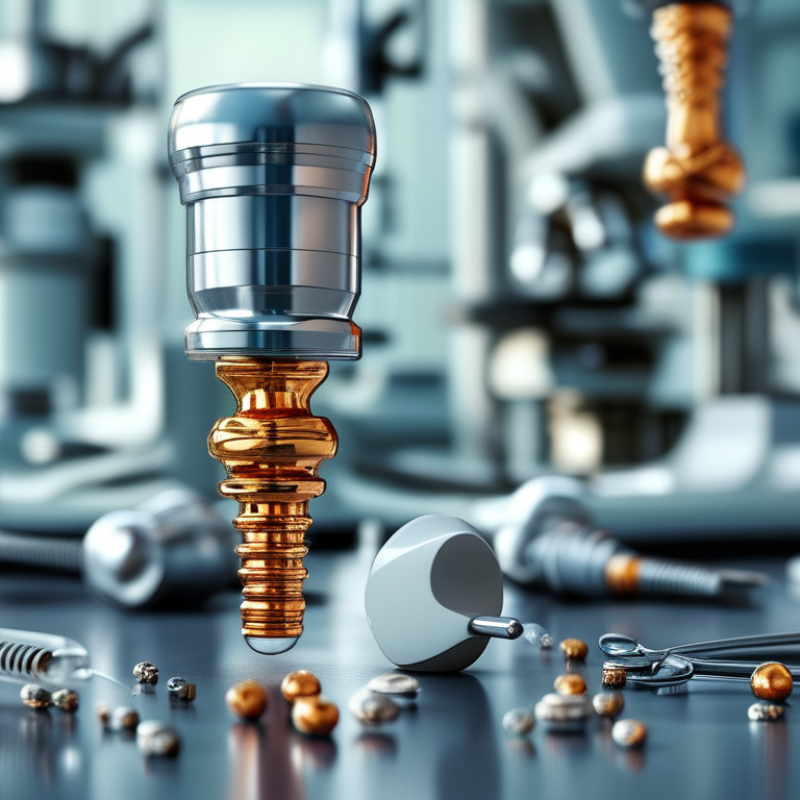
Choosing the right materials for orthopedic implants is crucial for patient safety and device longevity. Medical professionals often rely on data from studies showing that implant failure rates can exceed 10% within ten years. Metals like titanium and cobalt-chromium are popular due to their strength and biocompatibility. However, the choice is complex. Factors like corrosion resistance, fatigue strength, and compatibility with bone tissue play vital roles.
A study by the American Academy of Orthopaedic Surgeons highlights that implant materials can affect healing. For instance, porous structures promote bone integration but can also harbor bacteria. This raises concerns about post-surgical infections. An investigation in the Journal of Orthopedic Research indicates that nearly 30% of implant failures are attributed to infection. Monitoring these risks is essential in design and material selection.
However, not all implants are created equal. Some materials might be strong but could cause adverse reactions in certain patients. Research shows that patients with metal allergies require alternative solutions. The complexity of individual patient needs amplifies the challenge for orthopedic surgeons. Continuous education and innovative material research are necessary for improving patient outcomes.
Biocompatibility is crucial for the safety of orthopedic implants. It defines how well a material interacts with the body. An implant must avoid causing inflammation or toxic reactions. The body’s response can vary based on the material used. Many factors influence this, including the chemical composition and surface properties of the implant.
In some cases, even widely used materials can trigger unexpected reactions. For example, metal implants may corrode, releasing ions that induce sensitivities in certain patients. This is why thorough testing on biocompatibility is essential. Researchers need to explore the long-term effects of these materials. Understanding cellular responses helps to design safer options for patients.
Tissue integration is another critical aspect. An implant must support new tissue growth effectively. Poor integration can lead to implant failure. Unfortunately, not all implants perform as expected in each patient. Continuous improvements in biocompatibility are necessary. Ongoing research is vital to uncover safer materials and techniques. The path to safer orthopedic implants is complex and requires careful reflection and innovation.
Orthopedic implants are crucial for successful surgeries. Their design significantly influences load distribution and stability. A well-designed implant can evenly distribute forces across the bone, reducing stress concentrations. This helps in promoting bone healing and longevity of the implant.
Load distribution is affected by several factors. The shape and materials of the implant can alter how forces are transmitted. For instance, broader implants may provide better stability but can also increase the risk of bone resorption. Understanding the biomechanics is essential for optimal design. Surgeons must consider these factors when selecting implants.
**Tips:** Always consult with your orthopedic surgeon about implant options. Educate yourself on how different designs can affect recovery. Regular follow-ups post-surgery can help monitor implant performance and bone health. It's important to be proactive in your care. Remember, there's no one-size-fits-all solution, and each patient's needs vary. Reflecting on personal experiences can guide better choices.
| Implant Design Feature | Impact on Load Distribution | Effect on Stability | Material Used | Surface Treatment |
|---|---|---|---|---|
| Shape and Geometry | Enhances load transfer to bone | Increases resistance to dislocation | Titanium Alloy | Anodized Surface |
| Screw Design | Improves fixation and stress distribution | Enhances pull-out strength | Cobalt-Chromium Alloy | Coated with Hydroxyapatite |
| Modular Design | Adapts better to anatomical variations | Allows for dynamic load adjustment | Polyether Ether Ketone (PEEK) | Textured Surface |
| Interlocking Mechanism | Distributes loads more evenly | Prevents slippage and rotation | Stainless Steel | Passivated Finish |
Surgical techniques play a crucial role in the performance and longevity of orthopedic implants. A recent study published in the Journal of Orthopedic Research highlighted that minimally invasive approaches can lead to better outcomes. According to the data, patients who underwent such techniques experienced a 30% lower complication rate compared to traditional methods. These results indicate the importance of surgical technique selection for optimal implant integration.
However, even with advanced techniques, challenges remain. A report by the American Academy of Orthopaedic Surgeons found that nearly 15% of orthopedic surgeries led to implant failure. Factors like improper alignment during surgery can significantly impact the effectiveness of the implant. Surgeons must continuously refine their methods to reduce these risks and improve patient outcomes.
Surgeons increasingly rely on imaging technologies and 3D modeling to enhance precision. This approach allows for personalized adjustments during surgery, potentially reducing misalignment. However, the reliance on technology must be balanced with hands-on experience. Though innovations are promising, orthopedic surgeons need ongoing training to stay current, demonstrating how evolving surgical practices affect the safety and effectiveness of implants.
Long-term safety monitoring of orthopedic implants is crucial. Over time, implants can wear down or experience complications. Regular follow-ups help detect issues early. X-rays and MRIs can show signs of implant failure. Patients should be aware of the symptoms, like pain or swelling.
Several factors impact the longevity of these devices. Implant material plays a key role in performance. Some materials are more biocompatible than others. Even the surgical technique can influence outcomes. Surgeons should strive for precision to minimize complications.
Despite advancements, not all implants are perfect. Some patients may face unexpected reactions. Regular check-ups and patient awareness remain essential. Understanding potential risks can empower patients. Communication between patients and healthcare providers is vital for success.
: It's crucial for patient safety and device longevity. Poor choices can lead to high failure rates.
Titanium and cobalt-chromium are popular due to their strength and compatibility with the body.
Some materials promote bone integration. Others might harbor bacteria, risking infections post-surgery.
Nearly 30% of failures can be traced back to infections related to implant materials.
They may need alternative materials to avoid adverse reactions. Choices vary widely based on individual needs.
A good design evenly distributes forces, promoting healing and implant longevity. It’s crucial for stability.
Yes, broader implants offer stability but might increase bone resorption risks. Balance is essential.
It helps them stay updated on material research and improves patient outcomes. Knowledge impacts decisions.
Regular follow-ups are vital to monitor implant performance and bone health. Proactive care is essential.
No, each patient's needs vary significantly. Personal experiences can guide better choices in implant selection.
The safety of orthopedic implants is influenced by several critical factors. Firstly, the selection of materials plays a pivotal role, where biocompatibility ensures that the implant integrates well with the body without eliciting adverse reactions. Additionally, the design of the implant significantly affects load distribution and stability, contributing to its overall performance under stress. Furthermore, the surgical techniques employed during implantation can have a profound impact on how well the implant functions long-term.
Monitoring the outcomes after surgery is essential in understanding what affects the safety of orthopedic implants. Regular evaluations help identify any complications early, ensuring that patients receive appropriate care and interventions. Overall, a comprehensive approach considering material properties, design, surgical methods, and continuous monitoring is vital for enhancing the safety and efficacy of orthopedic implants.

KaiSo Medical