What are the differences between domestic and imported orthopedic implants? The answer is rarely as simple as price or country of origin. Patients and clinicians need to compare the specific implant, its clinical evidence, and the care team’s experience. Dr. Daniel J. Berry, an orthopedic surgeon and joint-replacement researcher at Mayo Clinic, has published extensively on implant performance and long-term outcomes. A fair paraphrase of his evidence-focused perspective is: “Judge an implant by patient outcomes and reliable follow-up, not by its origin alone.” This is a paraphrase, not a verbatim quotation.
Domestic implants may offer easier access, familiar local support, and lower purchase costs in some markets. Imported devices may have longer histories in certain procedures, but that does not guarantee better results for every patient. Look beyond the label. Ask about the implant’s materials, design, documented performance, availability of replacement parts, and the surgeon’s experience with that exact model. A hospital’s procurement price is not the same as a patient’s total cost. Follow-up matters, too: a device is harder to assess when long-term outcome data are limited.
There is no universal winner. The right comparison depends on the diagnosis, bone quality, age, activity level, and surgical plan. These details can be easy to overlook. Marketing claims may sound precise while offering little context about study size or follow-up time. Patients should discuss benefits, risks, alternatives, and the evidence for the specific implant with a qualified orthopedic surgeon. The country of manufacture can start the conversation. It should not end it.
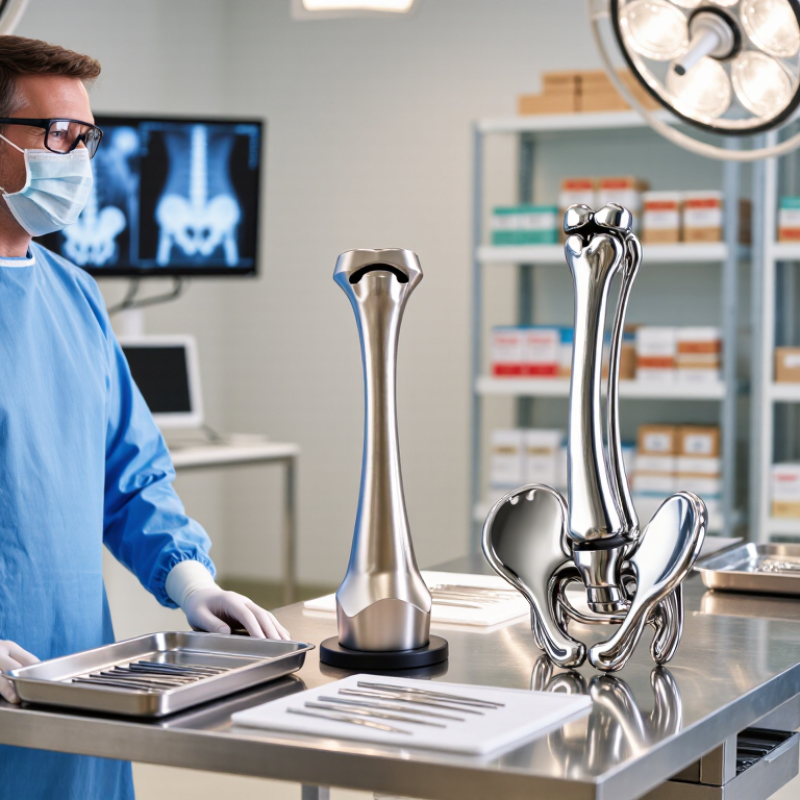
Orthopedic implants are devices placed in or on the body to restore stability, replace damaged structures, or support healing. A hip implant may include a stem, ball, and socket; a fracture fixation system may use plates and screws. These devices are classified by anatomy, purpose, material, and fixation method. Common materials include titanium alloys, cobalt-chromium alloys, ceramics, and polymers. Each has different strength, wear, and imaging characteristics. Not by origin alone.
Classification also reflects regulatory risk. The US Food and Drug Administration groups medical devices into three classes, with controls based on risk and intended use. Specific orthopedic devices may follow different regulatory pathways. The OECD’s Health at a Glance 2023 reports hip-replacement rates ranging from below 100 to above 300 per 100,000 people across member countries. That variation describes procedure rates, not implant quality. A surgeon weighs bone condition, activity, allergy history, and surgical fit when choosing an implant. Labels can simplify a complicated decision; real cases do not always fit neatly into categories. Imported or domestically manufactured devices may differ in design and evidence, so patients should ask about their exact model, clinical data, and follow-up plan.
Domestic vs Imported Orthopedic Implants: Materials and Design
Domestic and imported implants can use the same core materials: titanium alloys, cobalt-chromium alloys, ceramic, and highly cross-linked polyethylene. The meaningful differences often lie in alloy grade, component thickness, surface finish, and how parts fit together. A porous titanium surface, for example, is designed to encourage bone attachment; a polished bearing surface aims to reduce friction. Country of manufacture alone cannot tell you which design suits a patient.
Design choices also reflect surgical technique and patient anatomy. Stem shape, cup geometry, coating, and the option of cemented or cementless fixation can affect stability and wear. Small details matter. The 2024 Australian Orthopaedic Association National Joint Replacement Registry report records outcomes from more than 1.7 million joint-replacement procedures. It compares revision outcomes across implant types and combinations, offering a more useful basis for evaluation than “domestic” or “imported” alone. Revision rates are influenced by patient and surgical factors too, so no single figure proves one origin is better. I would not treat material labels as a shortcut; real-world performance still needs careful study.
Tips: Ask your orthopedic team for the implant’s material specifications, fixation method, and registry evidence for the exact design. Check whether the selected components match your bone quality and activity needs. Fit matters.
A device’s country of manufacture cannot establish its safety. Clinicians assess the exact implant model, materials, fixation method, and patient-specific risks. They also review clinical studies, manufacturing controls, and post-market surveillance.
In the United States, the FDA’s 510(k) pathway generally evaluates substantial equivalence; clearance does not prove that one implant is superior. Some higher-risk devices require premarket approval, which assesses safety and effectiveness. The pathway matters. So does the evidence behind the specific device.
Surveillance adds useful, imperfect signals. The FDA’s MAUDE database collects reports of device problems and adverse events, but reports cannot establish cause or calculate event rates. The National Joint Registry’s 2023 annual report covers more than 3.5 million procedures, allowing clinicians to examine revision outcomes across implant types and patient groups.
Revision rates still need context: age, diagnosis, surgical technique, and follow-up can affect comparisons. Ask whether evidence follows the same implant design, not merely a similar category.
Check that the device can be traced in the medical record, including its model and lot details. Small details matter. Records can be incomplete, and no registry removes every uncertainty.
Decisions should weigh the best available evidence against the patient’s needs, not rely on “domestic” or “imported” as a shortcut.
Domestic versus imported orthopedic implants are not a simple price contest. A lower device quote can be offset by shipping, hospital markups, or delays in obtaining specific components. Public reports rarely compare like-for-like implant prices across countries. Ask for an itemized estimate, not a broad claim that local options always cost less.
Availability and follow-up deserve equal attention. OECD’s Health at a Glance 2023 reports more than sevenfold variation in hip-replacement rates across member countries. That points to differences in access and capacity, not proof that one implant origin is better. Ask whether the exact model and sizes are stocked locally, and how quickly special components can be obtained. Confirm who will review imaging, address wound concerns, and help source compatible parts if revision surgery is needed. Easy to overlook.
Tips: Request the implant’s material, model, and traceability details. Compare the full care pathway: surgery, rehabilitation, imaging, travel, and follow-up visits. One comparison may still miss an important detail: who coordinates care if you return home soon after surgery.
How cost, availability, and follow-up care compare
There is no universal winner. Cost, stock availability, and follow-up support depend on the country, hospital, implant, and care team. The chart uses an illustrative 1–5 discussion scale—not measured market data or a clinical-quality rating. Ask your surgeon and provider about the specific implant, total out-of-pocket cost, local availability, regulatory approval, and follow-up arrangements.
Choosing an orthopedic implant is not a simple contest between domestic and imported products. Surgeons consider the patient’s diagnosis, bone quality, age, activity level, and other health conditions. A person with fragile bone may need a different fixation approach than someone with strong bone and high daily demands. Fit matters.
Before surgery, imaging helps the surgeon assess anatomy and plan implant size and placement. The surgeon also weighs clinical evidence, familiarity with the design, and whether the implant suits the planned procedure. A knee replacement, for example, must match the patient’s joint structure and stability needs; a hip implant raises different questions about fixation and movement. Brand origin alone cannot answer these questions. That can change.
Patients should ask what options are appropriate, why one is recommended, and what recovery may involve. It is reasonable to discuss cost, local follow-up, and whether replacement parts or revision support are available. Surgeons should explain uncertainties in plain language, not promise a perfect result. One limitation is that published evidence may not answer every patient-specific question. The best choice depends on the individual case and a careful discussion with the treating orthopedic surgeon.
They are devices placed in or on the body to restore stability, replace damaged structures, or support healing. A hip implant may include a stem, ball, and socket.
Classification can depend on anatomy, purpose, material, and fixation method. A fracture system, for example, may use plates and screws.
Common materials include titanium alloys, cobalt-chromium alloys, ceramics, and polymers. They differ in strength, wear, and imaging characteristics.
No. Safety depends on the exact model, its evidence, materials, design, and the patient’s needs. Origin alone is not enough.
Clinicians may review clinical studies, manufacturing controls, and post-market monitoring. Ask whether the evidence concerns the same implant design. Similar is not identical.
Reports can signal possible problems, but they cannot prove what caused them or show how often they occur. They are useful, but imperfect.
Rates can vary with age, diagnosis, surgical technique, and follow-up. A registry offers context, not a simple quality ranking.
Ask about the exact model, clinical evidence, and follow-up plan. Check that model and lot details will be recorded. Records can be incomplete.
Orthopedic implants are medical devices used to support, replace, or stabilize bones and joints. They can be classified by their purpose, placement, and materials. What are the differences between domestic and imported orthopedic implants? They may vary in material composition, design features, manufacturing processes, and the clinical evidence available for specific uses. These differences should be considered alongside safety assessments and applicable regulatory requirements, rather than assuming that origin alone determines quality.
Cost, supply, and access to follow-up care can also differ. An implant that is readily available or more affordable may be practical for some patients, while other options may suit particular clinical needs. Surgeons consider factors such as the patient’s diagnosis, anatomy, activity level, medical history, and treatment goals when comparing implants. The best choice is therefore an individualized decision made with a qualified healthcare professional, weighing reliable evidence, surgical experience, expected outcomes, and ongoing care.

KaiSo Medical