2026 How to Choose Orthopedic Suppliers for Long-Term Partnerships?

Time:2026-06-01 Author:Madeline
0%

Choosing the right orthopedic suppliers is crucial for success. Long-term partnerships can significantly impact your business. However, many factors come into play. It’s essential to ask, “What should I consider for long-term cooperation with orthopedic suppliers?”

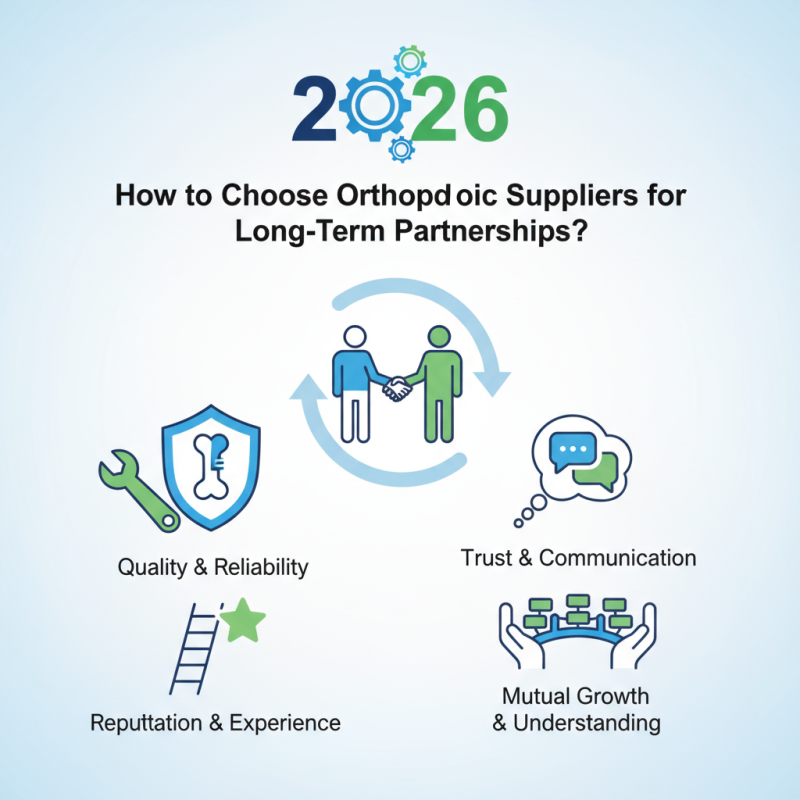
Quality and reliability are paramount. Suppliers must provide durable products that meet industry standards. Equally, the reputation of the supplier matters. Consider their experience and credentials in the orthopedic field. A well-established supplier often has better resources and support.

Building a partnership involves trust and communication. Transparency in operations leads to smoother transactions. Remember, no supplier is perfect. Reflect on past experiences. Discuss challenges openly with potential partners. This approach fosters mutual growth and understanding. Focus on creating a relationship that benefits both parties in the long run.
2026 How to Choose Orthopedic Suppliers for Long-Term Partnerships?

Factors to Consider When Selecting Orthopedic Suppliers

When selecting orthopedic suppliers, several factors must be considered. Quality of products is paramount. Look for suppliers who adhere to industry standards. Reliable certifications can indicate their commitment to excellence. However, not all certifications are equal. Always verify the authenticity and relevance of these documents.

Another important aspect is communication. A good supplier should be responsive and transparent. Delays in communication can lead to misunderstandings. It’s vital to establish a partnership where both parties can express concerns openly. Take note of how they handle inquiries. If they are slow to respond during initial contact, this could signal future issues.

Lastly, consider the supplier's reputation within the orthopedic community. Reviews and testimonials offer insight into their reliability. However, remember that not all reviews paint a complete picture. Seek out honest feedback from multiple sources. This approach helps in forming a well-rounded perspective about potential suppliers. Trust your instincts, but don’t overlook the facts.

Evaluating Supplier Credentials and Certifications for Partnerships

When selecting orthopedic suppliers, evaluating their credentials and certifications is critical. Reliable suppliers should offer clear proof of their qualifications. This includes certifications from recognized organizations and compliance with industry standards. Check if they follow essential guidelines for quality and safety. Reliable credentials reflect commitment to excellence.

Tips: Verify the authenticity of certifications. Contact issuing bodies if necessary. Look for suppliers who regularly update their credentials. It shows they are dedicated to continuous improvement.

Supplier experience is also significant. A supplier with years in the field may provide better insights. Evaluate their track record in partnerships. Have they consistently met delivery timelines? Reliability can be as important as quality.

Tips: Request case studies or testimonials. Assess their customer service responsiveness. A partner's reliability can often be gauged by how they handle issues. Always observe their communication style; it can indicate how they value partnerships.

Assessing Product Quality and Innovation in Orthopedic Supplies

When choosing orthopedic suppliers, assessing product quality and innovation is crucial. Reliable suppliers invest in research and development. They focus on creating advanced solutions that meet the evolving needs of healthcare professionals and patients alike. Evaluating innovation can involve exploring new materials, technology, and design improvements in orthopedic supplies.

Product quality should never be compromised. Examine certifications and compliance with industry standards. Look for suppliers that consistently perform quality control tests. This helps ensure that their products are safe and effective. Engaging with reviews from other healthcare providers offers additional insight into a supplier's reputation.

Consider how responsive a supplier is to feedback. Flexibility in adapting products based on user experience fosters long-term partnerships. It reflects their commitment to continuous improvement. Nonetheless, even established suppliers may occasionally fall short in this area. This can highlight the need for open communication and collaboration. Keeping these factors in mind can guide professionals toward making informed decisions that ultimately benefit patient outcomes.

Understanding Pricing Structures and Financial Considerations

When selecting orthopedic suppliers for long-term partnerships, understanding pricing structures and financial considerations is crucial. According to a report by the Global Orthopedic Device Market, price variance among suppliers can exceed 30% for similar products. This can significantly impact overall healthcare costs. Healthcare providers often focus on initial purchase prices, but they should also consider long-term value and service quality.

One common mistake is overlooking hidden costs, such as shipping and installation fees. These can inflate the true cost of procurement. It's advisable to request transparent pricing from suppliers. Ask for detailed quotes that break down each component. Assess how financial terms align with your budget without compromising quality.

Tip: Use a total cost of ownership model. This includes not just purchase price, but also maintenance, warranty, and post-sale support.

Ultimately, financial stability of a supplier is another vital factor. Suppliers with strong financial health are more likely to provide reliable support and product availability. Validate their market position by reviewing industry reports and financial audits. Building a partnership with a trustworthy supplier ensures access to quality products over time.

Tip: Monitor suppliers' financial performance regularly to ensure ongoing reliability. This can safeguard your interests and enhance partnership sustainability.

Building Strong Communication and Support Networks with Suppliers

Building a robust communication network with orthopedic suppliers is essential. Effective dialogue ensures both parties remain aligned on goals. Clear expectations create a foundation for a strong partnership. Regular meetings, whether virtual or in-person, foster trust and transparency. Face-to-face interactions often lead to better understanding and quicker problem resolution. Employing straightforward language helps avoid miscommunication.

Support networks enhance collaboration. Sharing insights and experiences can lead to innovative ideas. Encouraging suppliers to contribute feedback creates a sense of ownership. Acknowledging their expertise fosters a culture of respect. However, it’s crucial to remain open to challenges in this dynamic. Suppliers might not always meet expectations. Recognizing their limitations allows for constructive discussions.

Investing time in relationship building pays off. Strong partnerships lead to improved product quality and timely deliveries. Mutual support during unexpected challenges strengthens ties. Encourage a culture of continuous improvement. As the industry evolves, so should the partnership strategies. Reflecting on communication practices regularly can identify growth areas.

2026 How to Choose Orthopedic Suppliers for Long-Term Partnerships?

Criteria Description Importance Level
Quality of Products Ensure the products meet established standards and regulations. High
Reliability Assess the timeliness of deliveries and adherence to schedules. High
Communication Evaluate responsiveness and clarity of communication. Medium
Pricing Analyze the competitiveness and transparency of the pricing model. Medium
Support Services Consider the availability of after-sales support and training. High
Flexibility Assess the supplier's ability to adapt to changing needs. Medium

FAQS

: What should I prioritize when choosing orthopedic suppliers?

: Focus on the quality of products and adherence to industry standards.

How can I verify supplier certifications?

Always check the authenticity of certifications with the issuing bodies directly.

Why is communication important with suppliers?

Good communication prevents misunderstandings and establishes a strong partnership.

What factors indicate a supplier's reliability?

Track their delivery timelines and customer service responsiveness over time.

How can hidden costs affect my purchasing decision?

Hidden costs, like shipping and installation, can inflate the overall procurement expense.

What is a total cost of ownership model?

It includes purchase price, maintenance, warranties, and post-sale support.

How often should I monitor supplier performance?

Regular checks on financial stability and performance help maintain a reliable partnership.

Can I trust online reviews of suppliers?

Not all reviews are honest; gather feedback from multiple reputable sources.

What should I consider about a supplier's experience?

Years in the field can indicate better insights and reliability in partnerships.

Is it beneficial to request case studies from suppliers?

Yes, they provide proof of capability and reliability in previous partnerships.

Conclusion

When considering long-term cooperation with orthopedic suppliers, it is essential to evaluate several critical factors. First, assess the suppliers' credentials, certifications, and industry reputation to ensure they meet the necessary standards for quality and safety. Additionally, examine the innovation and quality of their product offerings, as these will directly impact patient outcomes and satisfaction.

Understanding pricing structures and financial considerations is also crucial, as this can affect your organization's budget and profitability. Lastly, building strong communication and support networks with suppliers fosters a collaborative relationship, enabling effective problem-solving and strategic alignment. By carefully evaluating these aspects, you can make informed decisions about what to consider for long-term cooperation with orthopedic suppliers.

Madeline

Madeline

Madeline is a dedicated marketing professional with a wealth of expertise in our company's core offerings. With a keen understanding of the industry, she brings a unique perspective to her role, consistently delivering high-quality content that highlights the superior aspects of our products. As......