Choosing the right orthopedic implants for emergency medical use is a complex process. It requires careful consideration of numerous factors. The stakes are high; improper selection can lead to severe complications. Surgeons must weigh the urgency of the situation against the specifics of the patient’s needs.
When contemplating how to select orthopedic implants for emergency medical use, one must prioritize reliability. Materials must withstand stress and ensure patient safety. A deep knowledge of different implant types—like screws, plates, and nails—is essential. Each option has unique attributes that may influence the decision-making process.
Surgeons often face dilemmas, such as balancing time constraints with the need for optimal outcomes. Experience plays a key role here. However, even seasoned professionals can make mistakes under pressure. A reflective practice is crucial. Understanding past decisions, both good and bad, can enhance future choices. Ultimately, the goal is to provide the highest standard of care in high-stakes situations.
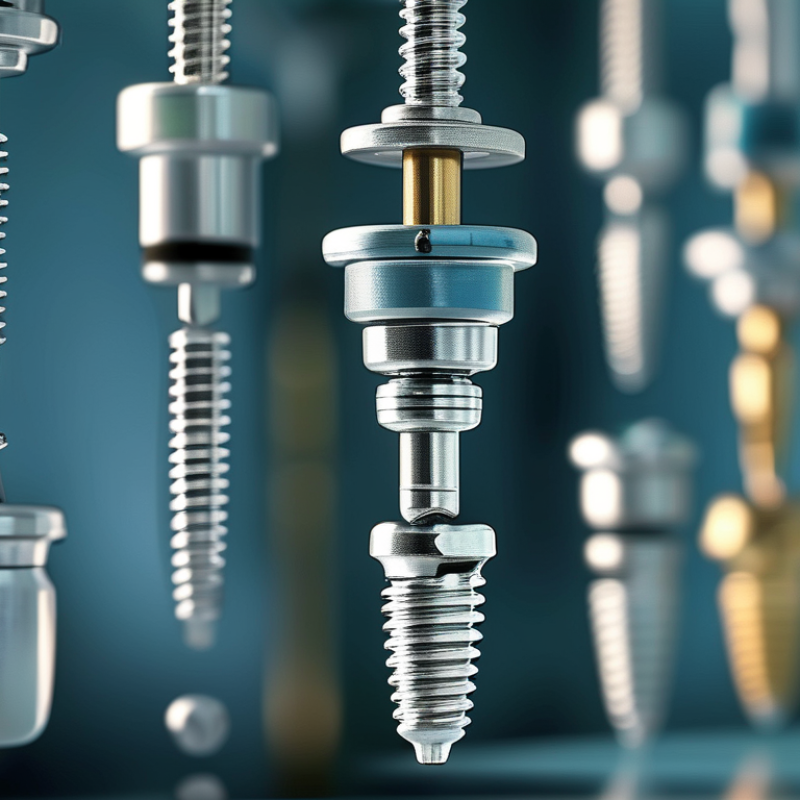
Factors to Consider When Selecting Orthopedic Implants for Emergencies
When selecting orthopedic implants for emergencies, several important factors come into play. First, the type of injury is critical. Understanding whether the fracture is open or closed helps narrow down options. For immediate use, materials must be sturdy yet biocompatible. Stainless steel or titanium are often applicable, but each has unique properties that might not suit every situation.
The availability of implants is another factor. Emergency settings often limit choices to what's on hand. This can create challenges. It's vital to assess the condition of existing implants. Outdated or damaged pieces should not be used. A reliable inventory is essential to ensure effective treatment.
Surgeon experience also influences implant selection. Each orthopedic professional has preferences based on past outcomes. Communication among medical staff can enhance decision-making. However, rigid adherence to specific brands or techniques may limit flexibility. Adaptability is crucial in emergency situations. Balancing expertise with resource constraints leads to better patient outcomes.
Types of Orthopedic Implants Suitable for Emergency Situations
In emergency situations, choosing the right orthopedic implants is crucial. Various types of implants can assist in stabilizing fractures and promoting healing. For instance, intramedullary nails are often used for long bone fractures. They provide strong internal support and allow for early mobilization. Their design minimizes invasiveness, but incorrect placement can lead to complications.
Plate and screw systems are another common option. They are versatile and effective for complex fractures. These implants offer good alignment and stability. However, surgeons must ensure proper technique. Misalignment can result in inadequate healing.
External fixators are useful in high-energy trauma cases. They can stabilize fractures while reducing soft tissue damage. Yet, their application may require further surgeries later.
Suture anchors are gaining traction for soft tissue injuries. They can secure ligaments and tendons effectively. Still, their use relies on surgeon skill. A well-placed anchor promotes healing, while a poorly placed one can cause further issues. Each type of implant comes with its own set of challenges, and understanding these nuances is essential in emergency care.
Assessment of Patient Needs Before Implant Selection
When selecting orthopedic implants for emergency situations, assessing patient needs is critical. Understanding the patient's overall health, specific injury, and lifestyle factors can guide the choice of implant.
Reports indicate that 30% of complications arise due to mismatched implant selection. Hence, a thorough evaluation reduces risks.
Patient demographics matter significantly. Age affects healing capacity. A recent survey shows younger patients have higher implant success rates than older adults, due to biological factors.
Additionally, an evaluation of pre-existing conditions, such as diabetes or osteoporosis, can reveal potential complications. For instance, patients with diabetes may experience delayed healing.
Surgeons must communicate with their patients. Assessing pain levels and expectations becomes vital during the consultation. Some patients express unrealistic expectations regarding rapid recovery.
Open discussions can align goals, which is essential for post-operative satisfaction. Balancing clinical data with patient input forms a solid basis for implant selection.
Materials and Durability of Implants in Emergency Use
When choosing orthopedic implants for emergency use, materials play a crucial role. Implants must withstand stress while providing stability. Common materials include titanium and stainless steel. These metals offer excellent strength-to-weight ratios and high durability. They resist corrosion and can endure the harsh conditions found in emergency settings. However, not all materials are suitable for every situation.
Another important aspect is the durability of these implants. In emergencies, the lifespan of an implant is vital. It must handle immediate trauma while being secure for longer periods. Some materials can degrade or fail under extreme conditions, which can lead to complications. Surgeons must assess the specific needs of each case. Understanding the properties of each material is key.
Sometimes, even experienced professionals make mistakes. They may choose an implant based on availability rather than suitability. This decision can affect patient outcomes. Reflection on previous choices can improve future decisions. Consistent evaluation of each implant's performance in real-life scenarios helps build knowledge. The ultimate goal is to ensure patients receive reliable and effective solutions in critical moments.
How to Choose Orthopedic Implants for Emergency Use? - Materials and Durability of Implants in Emergency Use
| Implant Type |
Material |
Durability (Years) |
Weight (grams) |
Corrosion Resistance |
| Intramedullary Nail |
Titanium Alloy |
10-15 |
200 |
Excellent |
| Bone Plate |
Stainless Steel |
8-12 |
150 |
Good |
| Screw |
Cobalt Chrome |
15-20 |
50 |
Excellent |
| Cemented Prosthesis |
Polyethylene |
5-10 |
100 |
Moderate |
| External Fixator |
Aluminum Alloy |
2-5 |
300 |
Fair |
Protocols for Implant Implementation in Emergency Scenarios
In emergency situations, orthopedic implants are crucial for stabilizing fractures and facilitating recovery. Protocols for implant implementation must be clear and effective. The selection of implants is often guided by the type of injury and the patient's condition. Incorporating local guidelines and expert opinions can enhance outcomes.
Research shows that about 60% of orthopedic surgeries in emergencies involve complex fractures. Proper imaging and assessment are essential prior to implant choice. Immediate actions often require using standard sizes and types of implants readily available in hospitals. However, not every situation allows for optimal conditions, leading to varying results. It's vital to remain flexible and adapt to what is available.
Training medical personnel on rapid assessment protocols can improve patient care in these scenarios. A study indicated that hospitals with comprehensive training programs reported 30% better outcomes in emergency orthopedic cases. Despite protocols, challenges persist, such as implant compatibility issues and patient-specific factors. These nuances highlight the importance of continuous learning and adjustment in practice.
FAQS
: Common materials include titanium and stainless steel. They are strong, durable, and resistant to corrosion.
Implants must handle immediate trauma and remain secure for longer periods. Lifespan is crucial during emergencies.
The type of injury and patient condition are key factors. Local guidelines also play a significant role.
Even experienced professionals can make mistakes. Choosing based on availability rather than suitability can affect outcomes.
Comprehensive training can lead to better outcomes, with some reports showing a 30% improvement in patient care.
Compatibility issues arise frequently. Patient-specific factors can complicate the selection process.
Not every situation allows for optimal conditions. Adaptability helps achieve better results during emergencies.
Proper imaging is essential for accurate assessment. It helps surgeons choose the most suitable implant for the injury.
Reflecting on previous choices can uncover areas for improvement. It aids in making better future decisions.
Despite clear protocols, challenges like patient-specific factors can hinder effective implantation and require ongoing learning.
Conclusion
Choosing the right orthopedic implants for emergency medical use is a critical process that requires careful consideration of several factors. Understanding how to select orthopedic implants for emergency medical use involves evaluating the specific needs of the patient, which includes their overall health condition and the nature of the injury. It is essential to identify the types of implants that are most suitable for emergency situations, ensuring they can withstand the immediate demands of trauma care.
Additionally, the materials and durability of the implants play a pivotal role in their effectiveness during emergency use. These implants must be robust enough to endure the stresses they will encounter in acute settings. Furthermore, establishing clear protocols for the implementation of these implants is vital, ensuring healthcare providers can act swiftly and efficiently under pressure. Ultimately, the selection process must blend clinical judgment with available resources to optimize patient outcomes in urgent circumstances.

 KaiSo Medical