Counterfeit orthopedic implants pose significant risks in healthcare procurement. The integrity of medical devices is crucial for patient safety and successful outcomes. Ensuring authenticity in orthopedic implants is a pressing concern for medical professionals and procurement officers alike. This article explores effective strategies on how to avoid counterfeit orthopedic implants in procurement.
Understanding the complexities of the supply chain is essential. Collaborating with reputable manufacturers and suppliers can reduce the risk of counterfeit products. Regular audits and verification processes are necessary to maintain high standards. It's also important to educate staff about the signs of counterfeit implants. Knowledge empowerment can lead to better decision-making during procurement.
Despite efforts, challenges remain. Some counterfeit products may pass through quality checks, deceiving even experienced professionals. This highlights the ongoing need for vigilance and adaptive strategies. By continuously improving procurement practices, healthcare organizations can safeguard their patients. Awareness and preventive measures can help combat this critical issue effectively.
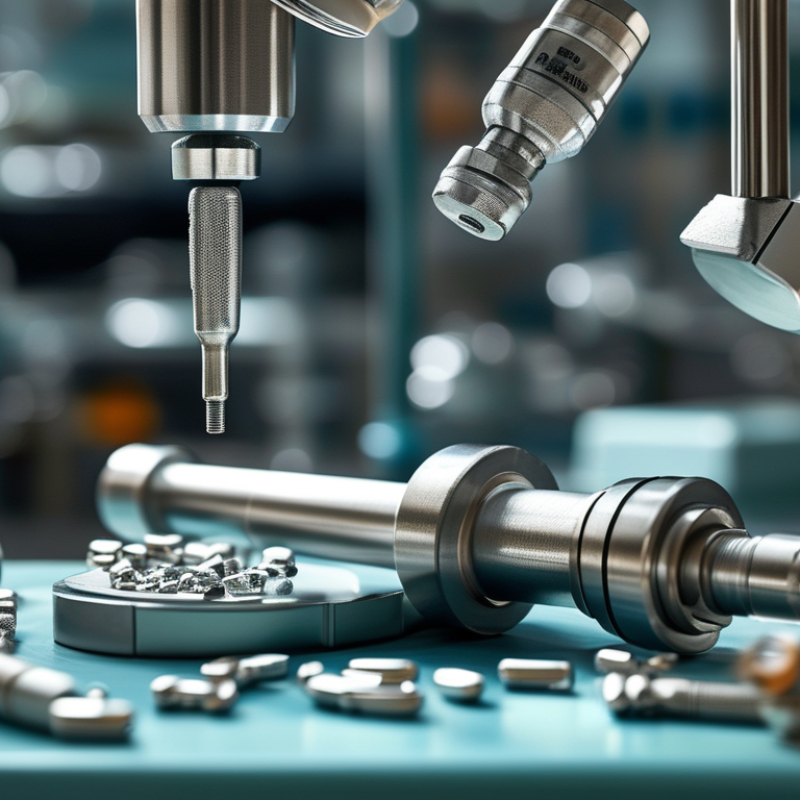
Identifying authentic manufacturers of orthopedic implants is crucial for successful procurement. Reliable companies often have a solid history. They are known for quality, safety, and compliance with regulations. Investigating their certifications and industry affiliations can provide insights into their legitimacy. Check if they possess approvals from relevant health authorities. This information is often available on their official websites.
Another essential aspect is customer feedback. Genuine manufacturers encourage reviews and testimonials. Reading through these insights gives you a clearer picture of their reputation. Look for case studies showcasing successful operations. Engaging with the orthopedic community can also yield valuable information about trusted suppliers. Networking at conferences or seminars allows you to ask direct questions.
It’s also vital to consider the quality of the materials used. Authentic manufacturers invest in high-grade resources, ensuring durability and safety. Ask for details about the production process. Understanding how implants are made can help you distinguish between genuine and counterfeit products. Always question inconsistencies that arise during your research. The journey to solid procurement can have many pitfalls, but diligence and scrutiny pay off.
In the world of orthopedic implants, ensuring the authenticity of the products is crucial. Conducting thorough supplier background checks is a pivotal step. This process involves verifying the supplier's history, certifications, and reputation in the industry. A strong track record can be a good indicator of reliability. Look for suppliers with positive reviews and established relationships with healthcare providers.
Not all suppliers prioritize transparency. Some may have incomplete documentation or unclear sourcing practices. It’s essential to dig deeper and ask questions. Understand where their materials come from and who manufactures them. Take the time to verify claims through independent sources. This diligence can prevent costly errors, such as dealing with counterfeit implants.
Additionally, consider the geographical location of suppliers. Some regions have higher incidences of counterfeit products. Therefore, scrutinizing their operational standards is necessary. Cross-referencing supplier information across multiple platforms can also help identify discrepancies. Ultimately, the effort put into supplier background checks directly impacts patient safety and treatment outcomes. Making informed decisions is paramount in the procurement process.
Implementing rigorous quality control measures is critical in combating counterfeit orthopedic implants. According to a 2022 report by the World Health Organization, nearly 10% of medical devices globally are counterfeit. These devices not only jeopardize patient safety but also strain healthcare systems. Establishing strict quality protocols can significantly reduce these risks.
One effective method is the adoption of comprehensive supplier audits. Procurement teams should regularly evaluate suppliers based on their compliance with safety standards. Data from the Journal of Medical Device Regulation indicates that organizations conducting audits experience a 40% decrease in counterfeit incidents. It’s crucial to ensure suppliers are transparent and reliable. Yet, audits alone are not foolproof. Continuous monitoring and assessments are needed.
Another approach includes utilizing advanced tracking technologies. RFID and blockchain can enhance traceability throughout the supply chain. A survey from the Medical Device Manufacturers Association revealed that 65% of companies that implemented these technologies reported improved product authenticity. Despite these advancements, the ever-evolving nature of counterfeiting poses ongoing challenges. Not all devices can be monitored effectively, highlighting a need for ongoing vigilance and adaptability in quality control practices.
Educating procurement teams about counterfeit orthopedic implants is crucial. These implants are vital for patient health. Understanding the risks can help prevent costly mistakes. Teams must stay updated on the latest counterfeit trends and tactics. Regular training sessions can improve awareness throughout the procurement process.
Encourage team discussions about previous procurement experiences. Sharing real-world examples can highlight vulnerabilities. It’s essential to consider the sources of supply carefully. Conduct thorough background checks on suppliers. Any overlooked detail may lead to serious consequences. A collaborative approach within procurement teams enhances information sharing.
Using technology can also assist in combating counterfeit risks. Implementing tracking systems and verification processes is critical. Monitoring data from implants helps in identifying suspicious activity. Encourage procurement teams to question discrepancies at any stage. A culture of vigilance fosters a proactive approach to medical safety.
In the field of orthopedic implants, authenticating products has become crucial. Advanced technology plays a central role in ensuring reliability. Techniques like blockchain and RFID tracking enhance verification processes. They provide a transparent way to trace the origins of implants. This technology can significantly reduce counterfeit risks.
For effective authentication, invest in RFID technology. It allows for real-time tracking of implants, assuring that each product meets safety standards. Consider implementing blockchain solutions. They offer an immutable record of an implant's journey from production to surgery. This ensures that healthcare providers receive genuine products.
Another approach focuses on data analytics. Analyzing patterns in procurement can identify anomalies suggesting counterfeit items. Regular audits can reinforce the integrity of supply chains. It's not just about technology; human inspection remains vital. Trained professionals can spot discrepancies. This multifaceted approach enhances authentication and builds trust in orthopedic procurements.
| Method | Technology Used | Verification Process | Benefits |
|---|---|---|---|
| Blockchain for Traceability | Blockchain Technology | Each implant is logged on the blockchain, ensuring a transparent history. | Improvements in trust and reduced risk of counterfeiting. |
| RFID Tagging | Radio Frequency Identification | Uses RFID tags for real-time tracking and authentication during the supply chain. | Enhanced inventory management and prevention of false claims. |
| 3D Printing Verification | Additive Manufacturing | Implants are printed on demand with unique identifiers and quality checks. | Reduction in surplus and counterfeit products. |
| AI-driven Quality Control | Artificial Intelligence | AI systems analyze product specifications to ensure compliance with standards. | Higher accuracy in defect detection and assurance of quality. |
| Smart Packaging | Tamper-evident Technology | Packaging that shows visible signs of tampering. | Quick identification of compromised products. |
: They help verify a supplier’s history, certifications, and reputation, ensuring product authenticity.
Look for positive reviews and established relationships with healthcare providers in the industry.
Some suppliers may have incomplete documentation or unclear sourcing practices, risking counterfeit products.
Cross-reference supplier details across multiple platforms to identify inconsistencies and report them.
Regular training sessions and discussions about previous experiences can improve awareness and vigilance.
Advanced technologies like RFID tracking and blockchain enhance verification processes and traceability.
It enhances information sharing and helps identify vulnerabilities in the procurement process.
Analyzing procurement patterns can reveal anomalies that suggest potential counterfeit products.
Trained professionals can spot discrepancies that technology might miss, ensuring product integrity.
Any overlooked detail may lead to significant consequences affecting patient safety and treatment outcomes.
To effectively address the issue of counterfeit orthopedic implants in procurement, it is essential to understand how to avoid counterfeit orthopedic implants through several strategic measures. First, identifying authentic manufacturers is crucial, as partnering with reputable sources can significantly reduce the risk of encountering fakes. Additionally, conducting thorough background checks on suppliers helps ensure their credibility and manufacturing practices.
Moreover, implementing rigorous quality control measures guarantees that each product meets established standards before reaching healthcare providers. Educating procurement teams on the risks associated with counterfeit products fosters a culture of vigilance and awareness. Finally, utilizing advanced technology for authentication verification enables the ongoing monitoring of implant integrity throughout the supply chain. By adopting these best practices, organizations can significantly mitigate the threat of counterfeit orthopedic implants.

KaiSo Medical